Ammy Dreams Again: ABBA’s Music Opens Up Opportunities for Children in Guatemala.
Thanks to royalties from ABBA’s music, UNICEF provides psychosocial support and educational opportunities to children and adolescents who have survived violence, helping them regain their confidence and build their own paths toward the future.

- Español
- English
In Alta Verapaz, Guatemala, 17-year-old Ammy* finds a way to express her emotions, regain her peace of mind and look toward the future with hope through the keys of an electric piano. Every note reminds her of how far she has come since the years marked by violence and uncertainty.
“Music is how I find peace,” she says.
Although their stories are separated by thousands of kilometres, music connects Ammy with the Swedish group ABBA. Thanks to funding generated through the band’s music royalties, UNICEF supports children and adolescents who have survived violence in Guatemala, helping them access protection services, psychosocial support and opportunities to continue their education.
For Ammy, this support has meant being able to regain her self-confidence and begin imagining her future again. What she probably never imagined was that music would become part of her journey toward recovery.
Ammy was 14 when, following her parents’ separation, she began experiencing violence within her family environment. She was forced to work and faced situations of sexual exploitation, violations that affected her emotional well-being and her right to live in a safe and protective environment.
Seeking a safe place, she moved in with a relative. However, there she also experienced psychological violence, forced domestic labour and restrictions that prevented her from continuing her education.
“The house had no locks, but to me, it was a prison,” she recalls.
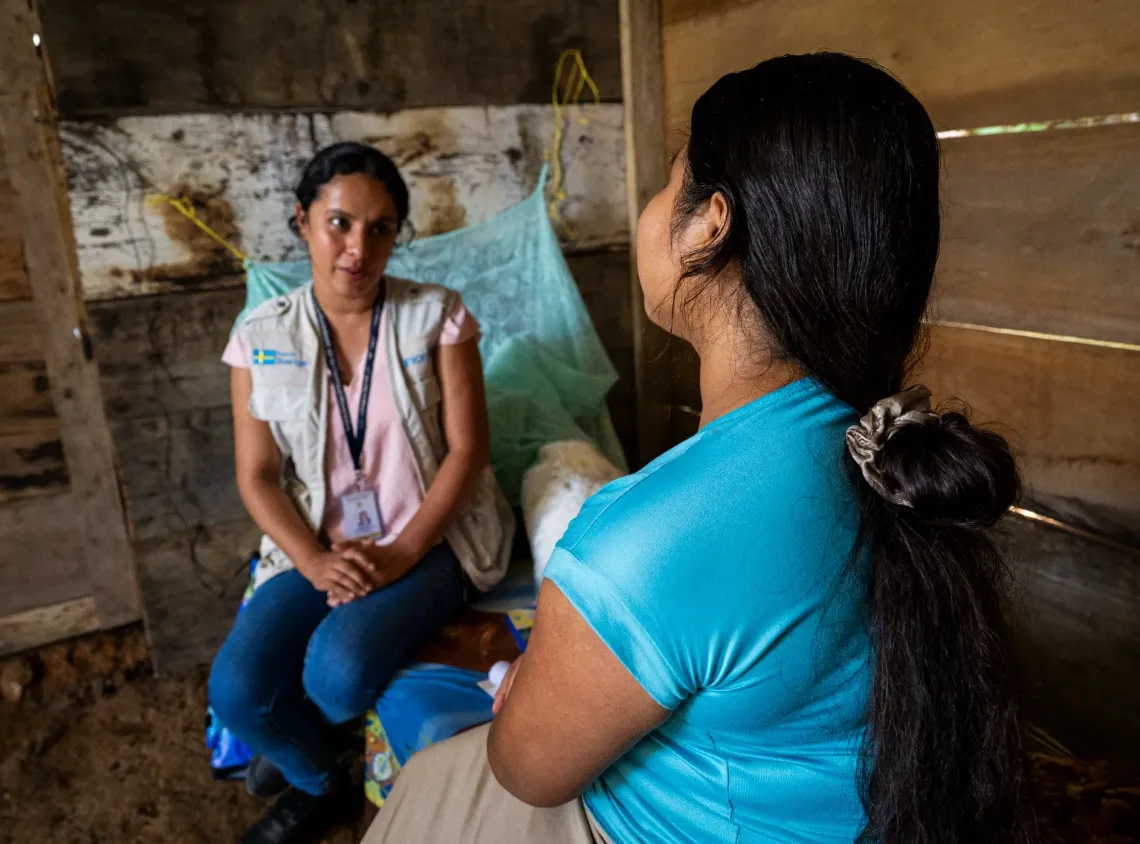
Ammy decided to seek help once again. This time, she found refuge with her paternal grandparents, where she began to regain the sense of safety and peace that had been denied to her for so long.
Her experience reflects a reality faced by thousands of children and adolescents in Guatemala: violence can occur even in the very environments where they should feel safest and most protected.
According to a study conducted by UNICEF, 70 per cent of perpetrators are part of victims’ immediate surroundings and are people they know.
“It is important to strengthen trust, dialogue and care within families, schools and communities,” explains Justo Solórzano, Child Protection Specialist at UNICEF Guatemala.
“Preventing violence means educating and listening to children, creating safe spaces and ensuring that support and protection services are available whenever they are needed,” he adds.
Living in a remote community presents significant challenges when it comes to accessing specialized protection services, mental health care and education. For children and adolescents who have survived violence, these barriers can make their recovery journeys even more difficult.
With support from funds generated through ABBA’s music royalties, UNICEF helps bring these services closer to those who need them most, including children and families living in hard-to-reach communities.
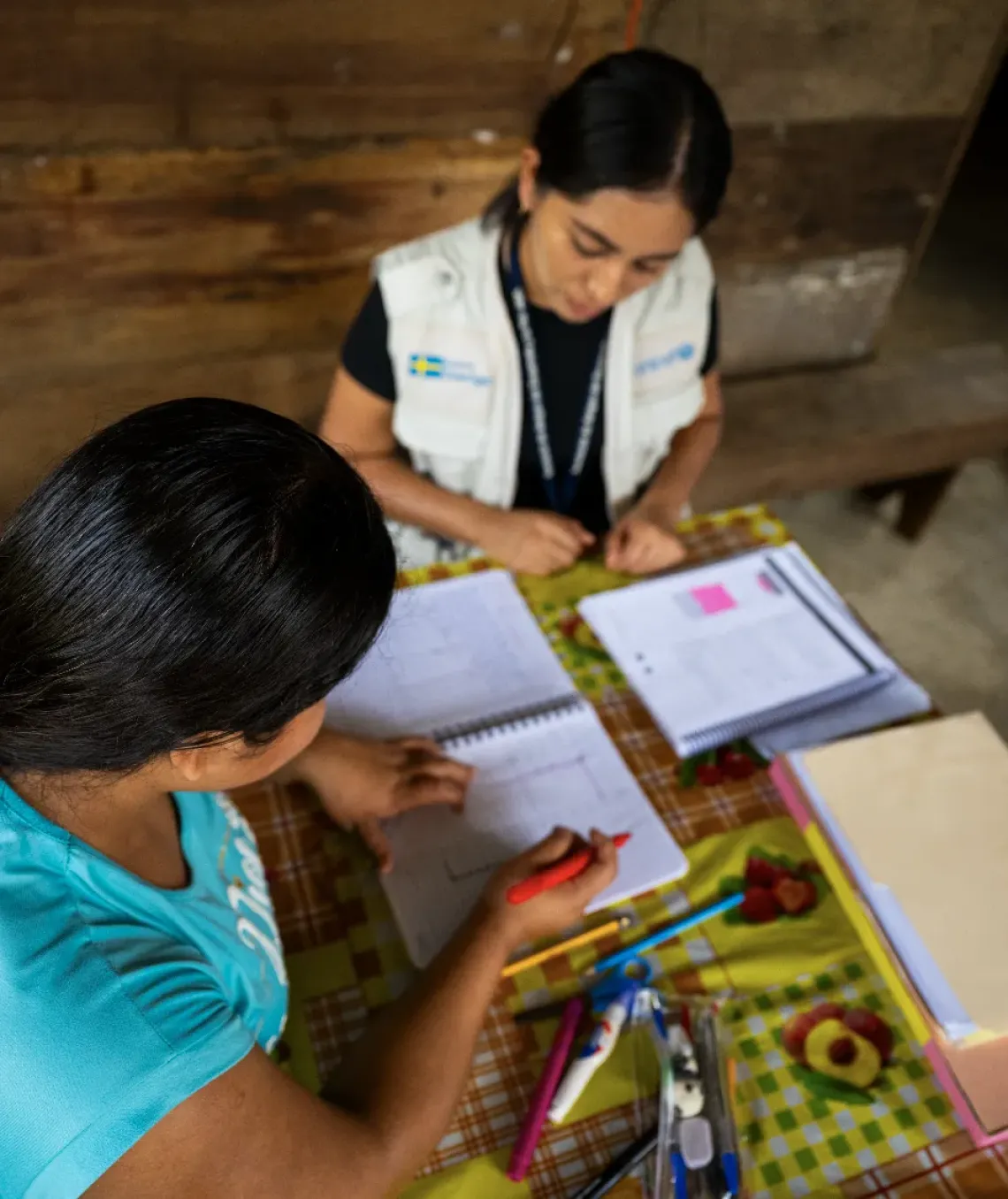
In Ammy’s case, a UNICEF psychologist began visiting her at home, providing support to help her understand her emotions, strengthen her self-esteem and cope with the experiences of violence she had endured.
“I couldn’t believe they were coming all that way just to see me. I felt that someone really cared about me, and now they are also helping me continue my education,” Ammy says.
Psychosocial support is a fundamental part of the response to violence against children. Having safe spaces where children can be heard and receive specialized support helps them understand that the violence they have experienced was never their fault, regain their confidence and strengthen their ability to make decisions about their own lives.
But ensuring their recovery also means restoring other rights that have been violated.
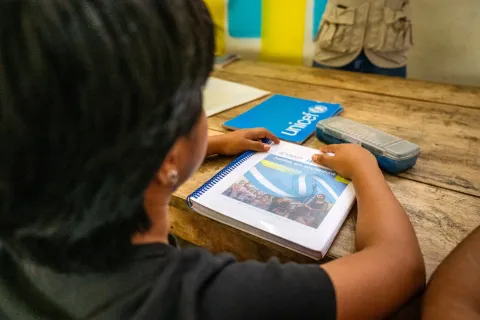
As part of a comprehensive response, Ammy received support to return to her education. Due to the geographical conditions of her community, a facilitator from the Ministry of Education travels to her home to support her learning. She is currently in her fourth year of high school.
Psychological support, educational opportunities and the backing of her grandparents have allowed her to move forward in her recovery and continue building her own future.
In Guatemala, more than 6,000 cases of sexual violence against children and adolescents were reported in 2025 alone. Behind every statistic is a story, a violation of rights and an urgent need to ensure protection, specialized support and opportunities for recovery.
In response to this reality, UNICEF works alongside government institutions and local organizations to strengthen child protection systems, prevent violence and expand access to specialized services, particularly in communities facing the greatest barriers.
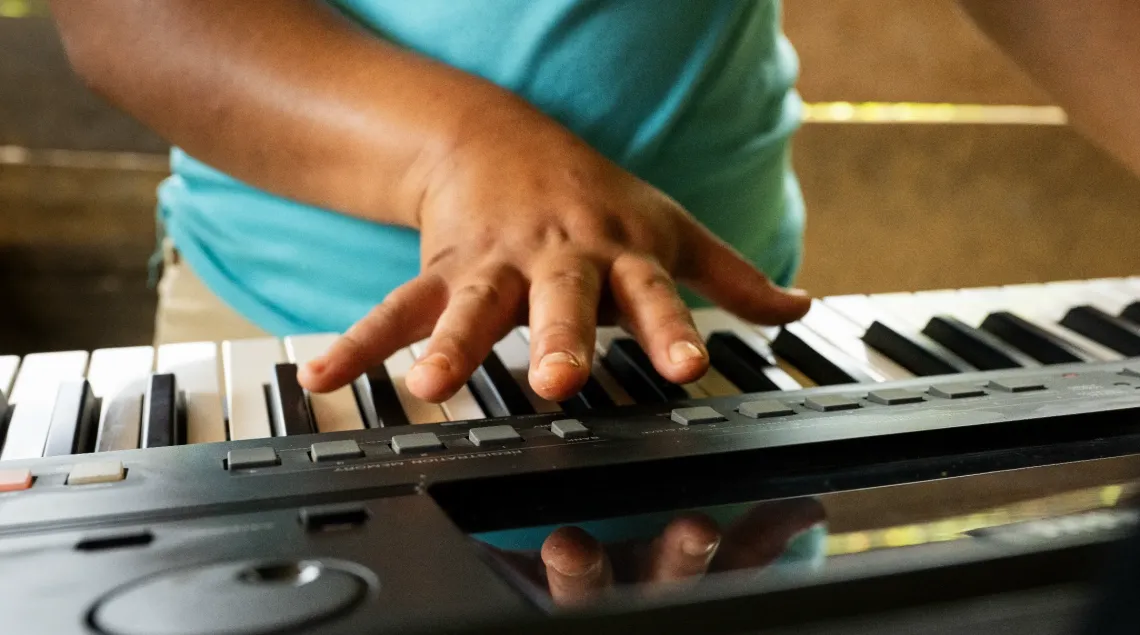
Today, in addition to continuing her education, Ammy spends part of her time playing the piano. Music has become a space of her own, where she can express herself and find peace.
“My self-esteem has improved. I have learned to manage my emotions, not to feel guilty and to look toward the future,” she shares.
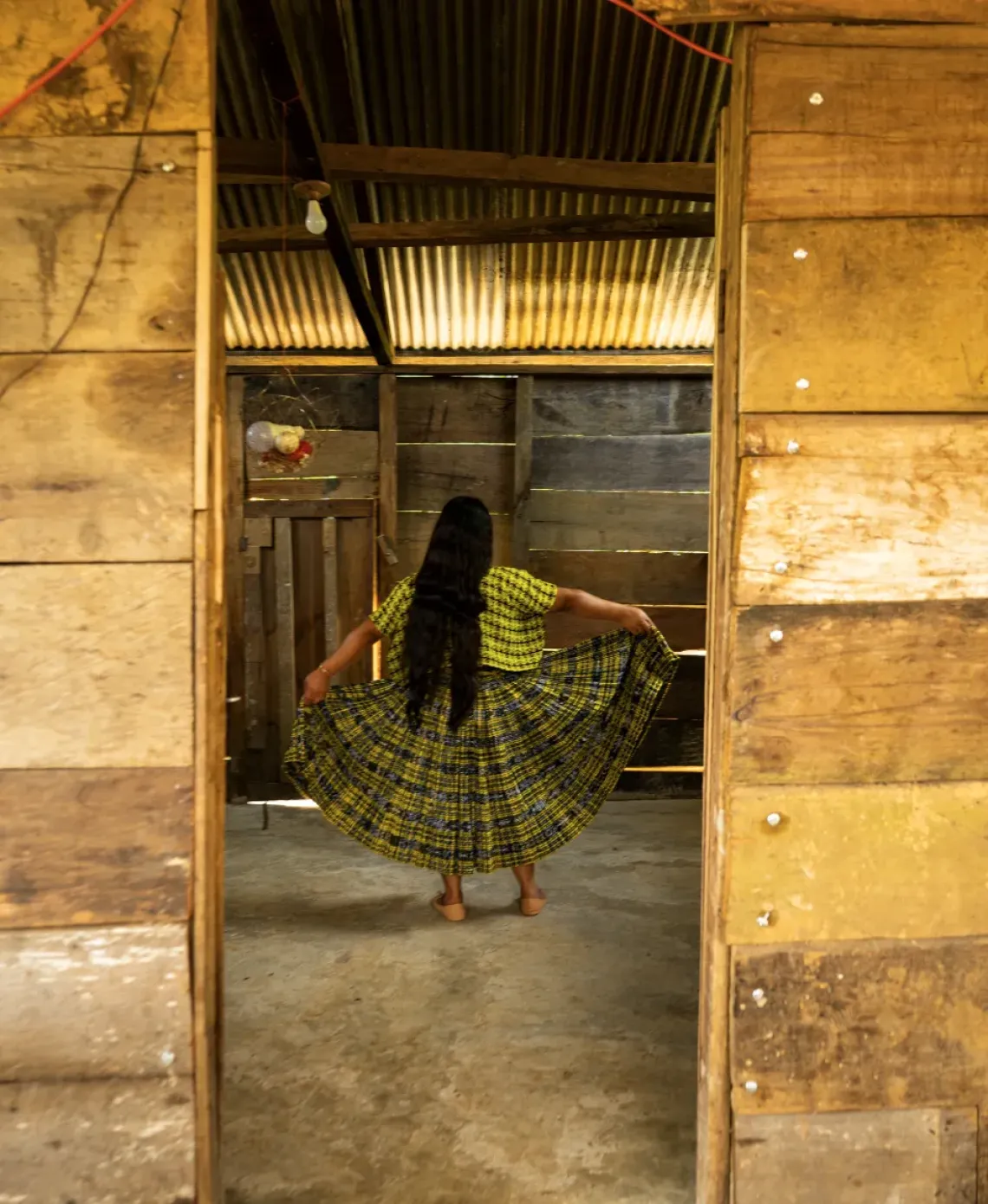
Thousands of kilometres away from where ABBA’s music was born, their songs continue to make an impact that transcends generations and borders. Their royalties are being transformed into opportunities for adolescents like Ammy to access protection services, continue learning and make decisions about their own futures.
Ammy has the right to a life free from violence, to education, to enjoy music and to pursue her dreams.
*A fictitious name has been used to protect her identity.