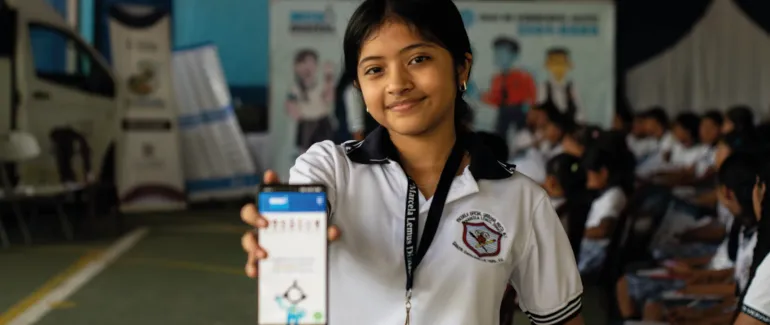
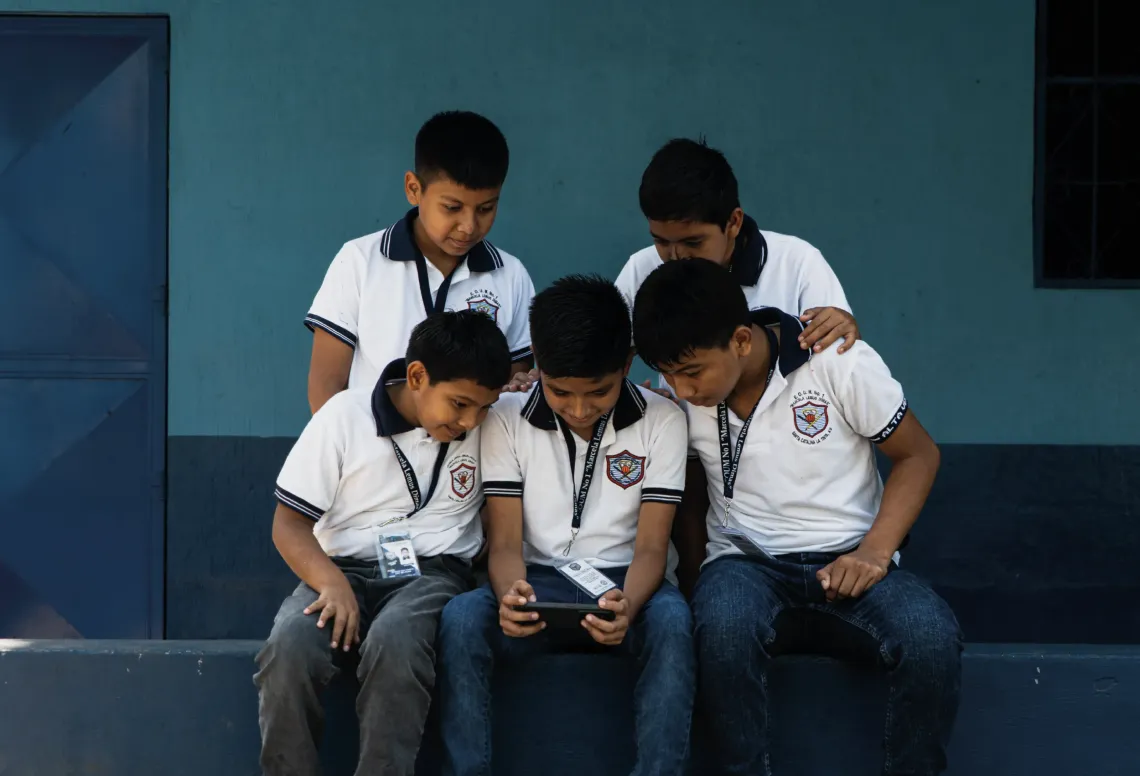
Today, the digital environment is an essential part of the lives of millions of girls, boys, and adolescents. It is where they learn, interact, exercise their rights, express their ideas, and build their identity. However, the same space that empowers their development can also become a setting for violence, exploitation, and cybercrimes if proper prevention and protection mechanisms are not in place.
The main risks to the mental health of children and adolescents online are not directly linked to screen exposure and brain development, but rather to specific experiences such as cyberbullying, online sexual abuse, and early exposure to harmful content (UNICEF, 2025). In Guatemala, 44% of adolescents and young people know someone who has been a victim of online violence, while 37% report knowing someone who has promoted this type of violence (U-Report, 2019).
Behind each statistic lies an experience that can greatly influence the development of a child or adolescent. In a constantly evolving digital environment, protection can no longer be reactive.
Under this vision, Digital Mode was created — the National Strategy for the Prevention of Online Child Sexual Exploitation Crimes, led by the Secretariat against Sexual Violence, Exploitation, and Human Trafficking (SVET). The strategy aims to strengthen prevention and protection capacities against digital risks for children, adolescents, parents, and public officials, promoting a coordinated response that involves institutions, educational communities, families, and youth themselves.
From Reacting to Preventing
For a long time, responses to cybercrimes have focused mainly on action after harm has occurred. Digital Mode proposes a paradigm shift: building prevention mechanisms that allow early risk identification and provide tools to avoid dangerous situations before they escalate into crimes of sexual violence or exploitation.
The strategy is based on a simple yet powerful premise: information protects. When children, adolescents, and their communities know the risks present in cyberspace and how to respond to them, their chances of navigating safely increase significantly.
Learning to protect ourselves online is important regardless of age.
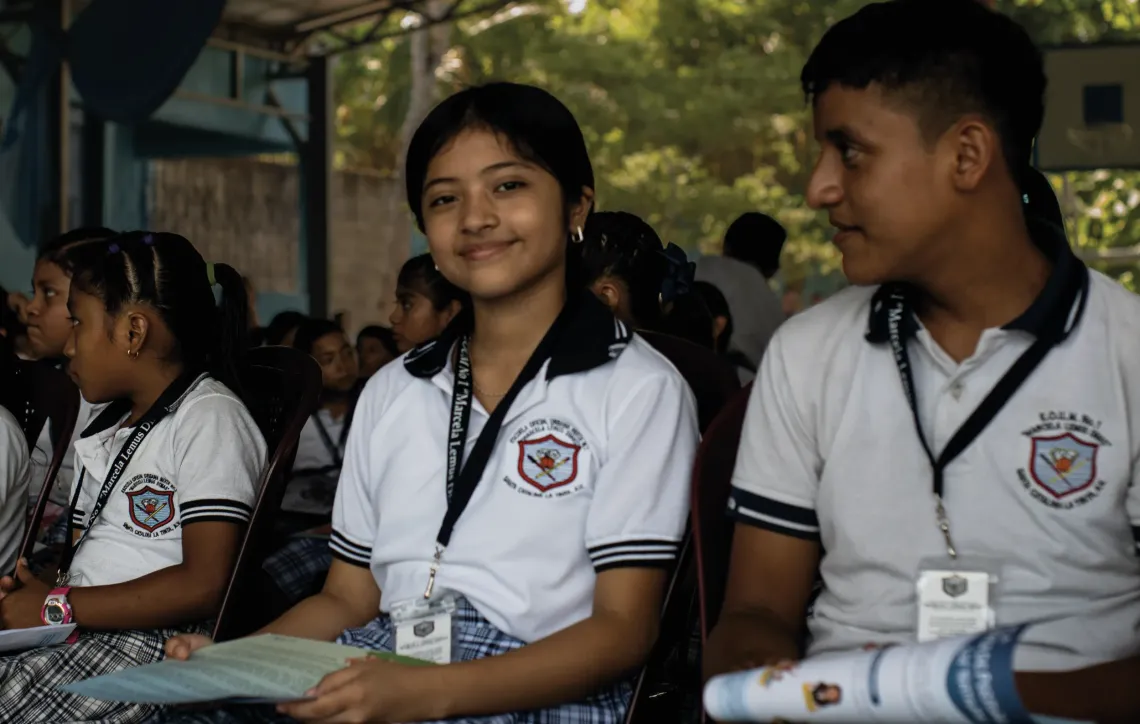
A Protection Network for the Digital Environment
Digital Mode is built through tools aimed at strengthening online protection on multiple levels, combining technology, interactive and playful training, and access to specialized materials.
At its core is the website www.mododigital.net.gt, which hosts digital guides and interactive activities designed to enhance prevention capabilities among children, adolescents, families, teachers, and public servants.
To effectively engage with children and adolescents, the strategy includes the Cyber Guardians, a group of educational animated characters who, through videos and printed or digital materials, promote knowledge and prevention of cyber risks within communities and schools.
These tools are complemented by OLIVET, a counseling chat service that provides information and guidance on sexual violence, exploitation, and trafficking crimes, bringing public protection services closer and making them more accessible.
Through these integrated tools, Digital Mode fosters digital safety, online crime prevention, and early risk detection, working hand in hand with institutions, schools, and civil society. It is an innovative model of comprehensive protection that adapts prevention to the digital age, ensuring that internet access always comes with information, guidance, and support for everyone.
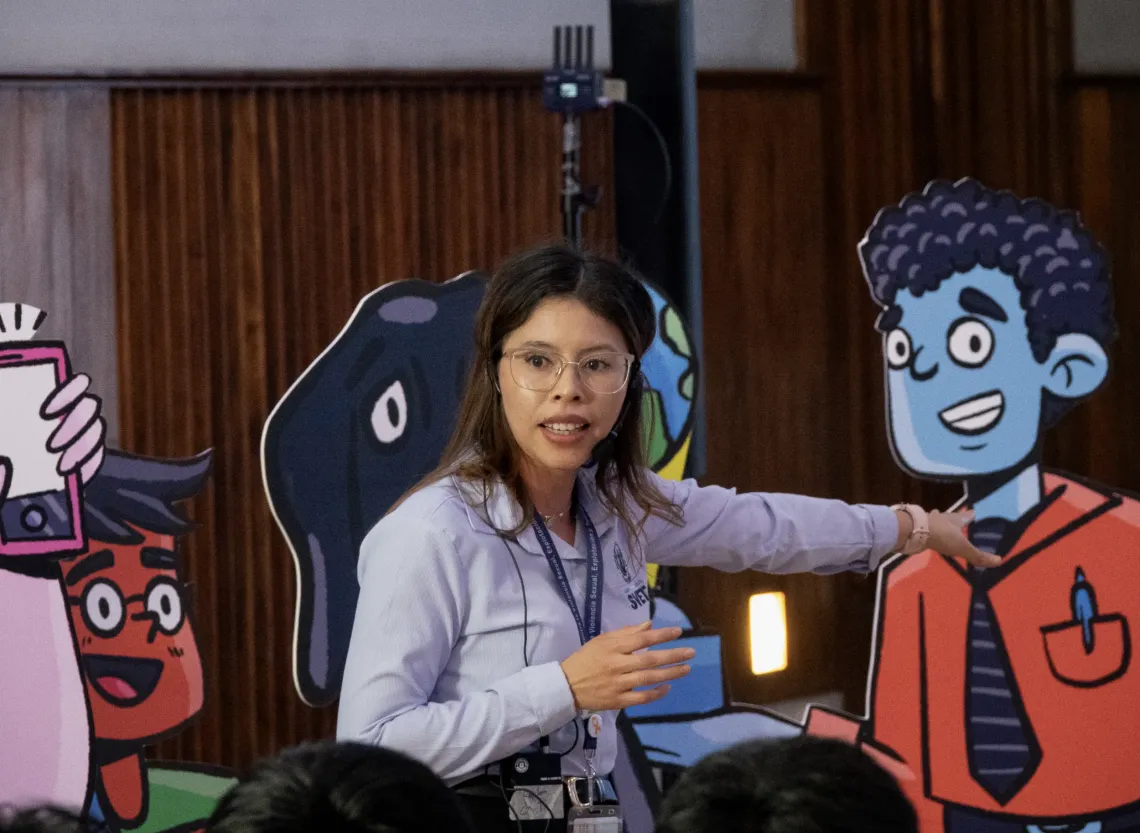
Listening to Those Who Support Youth
Ensuring safe digital spaces cannot fall solely on children and adolescents; it also requires that caregivers and communities have the tools to address possible risks.
In this sense, one of Digital Mode’s greatest contributions is recognizing that digital protection is a shared responsibility, while the State plays a key role in creating mechanisms and resources to effectively support young people.
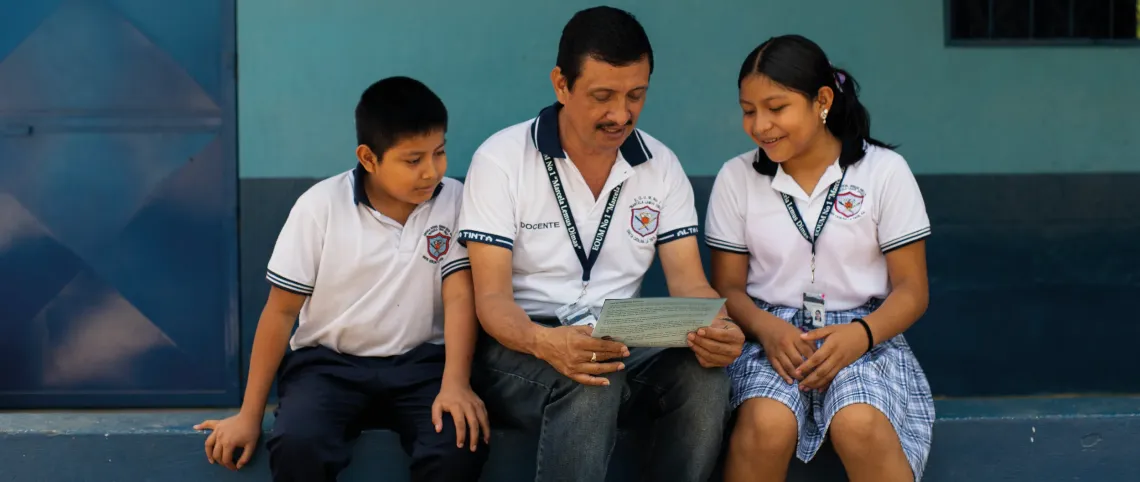
“We have to teach boys and girls the risks they face when using the internet, as well as how to balance their lives and do activities outside the web.”
His reflection reminds us that digital safety does not rely solely on technology. It requires informed adults, prepared institutions, and public policies capable of providing protection in the spaces where children and adolescents live today.
Learn more about Digital Mode here: www.mododigital.net.gt
A Commitment to the Present and the Future
Digital transformation should bring more opportunities, not more vulnerabilities. That’s why initiatives like Digital Moderepresent an investment in children’s and adolescents’ well-being, protection, and rights.
This initiative is part of the joint program “Enabling Digital Transformation and Improving Large-Scale Public Service Delivery in Guatemala”, implemented by the United Nations in Guatemala through the United Nations Development Programme (UNDP), the United Nations Children’s Fund (UNICEF), and the United Nations Educational, Scientific and Cultural Organization (UNESCO), with funding from the European Union, the Joint SDG Fund, and Global Gateway.