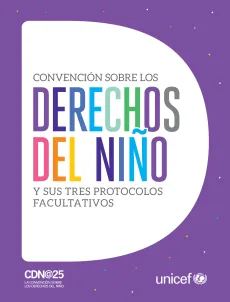
Convention on the Rights of the Child
Learn about the Convention on the Rights of the Child and find more resources to learn and share here.
- Español
- English
Highlights
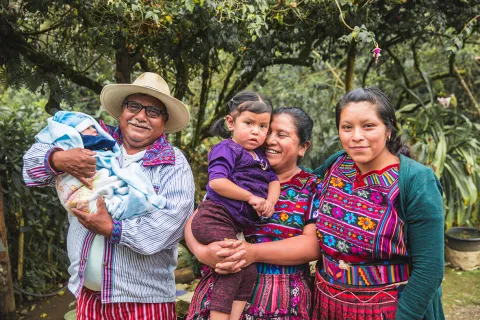
The Convention on the Rights of the Child, which obviously applies to girls and adolescents, is a United Nations treaty approved on 20 November 1989, thus becoming the first ‘legally binding’ international law on the rights of the child. This means that compliance is mandatory. The State of Guatemala was one of the first countries in the world to ratify the Convention in 1990.
The Convention encompasses civil, political, economic, social and cultural rights, reflecting the different situations in which children, adolescents and young people around the world may find themselves. The Convention has 54 articles that recognize that all minors under 18 years of age have the right to full physical, mental and social development and to freely express their opinions. Furthermore, the Convention is also a model for education, nutrition, health, protection against violence, survival and progress for the entire society.
Ensuring child protection and development
Although many countries have laws that protect children and adolescents, many do not enforce them. For children, adolescents and young people, especially for excluded or minority groups, this often means living in situations of poverty and homelessness, without legal protection, without access to education, in situations of neglect, human mobility or migration, affected by preventable diseases, among other conditions of vulnerability. These problems not only affect poor countries; sometimes they are also present in rich countries. The Convention clearly recognizes the right of every child, adolescent and young person to an adequate standard of living throughout their life cycle, everywhere and always.