UNICEF-KOICA Climate Partnership
Climate Action for the Last Mile: Reaching the Most Vulnerable Children
About the Partnership
Background
Building on the success of their long-standing partnership, UNICEF and the Korea International Cooperation Agency (KOICA) launched an ambitious $42M Climate partnership in 2024, titled “Climate Action for the Last Mile: Reaching the Most Vulnerable Children.”
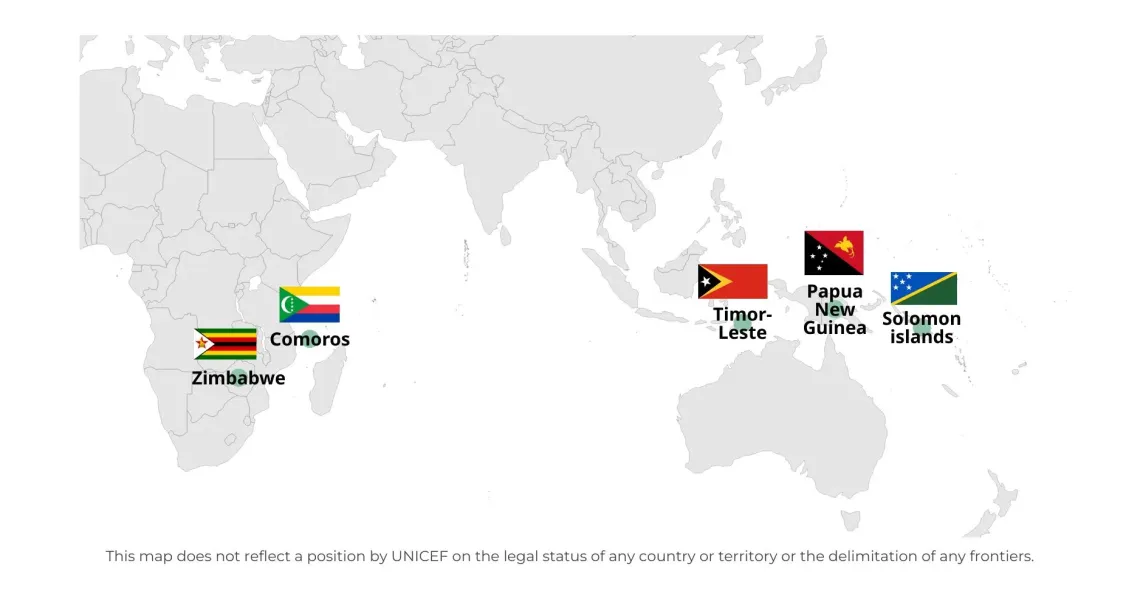
The programme will initially be implemented over a three-year period, with a 10-year partnership vision. It is the first significant multi-country, multi-sectoral Climate investment that UNICEF has received since the launch of UNICEF’s Sustainability and Climate Change Action Plan in 2023. KOICA will provide $38.7M over three years, with UNICEF providing $3.4M in co-financing. The funds will be allocated to the East Asia and Pacific region (Papua New Guinea, Solomon Islands, and Timor-Leste) and to the Eastern and Southern Africa region (Comoros and Zimbabwe).
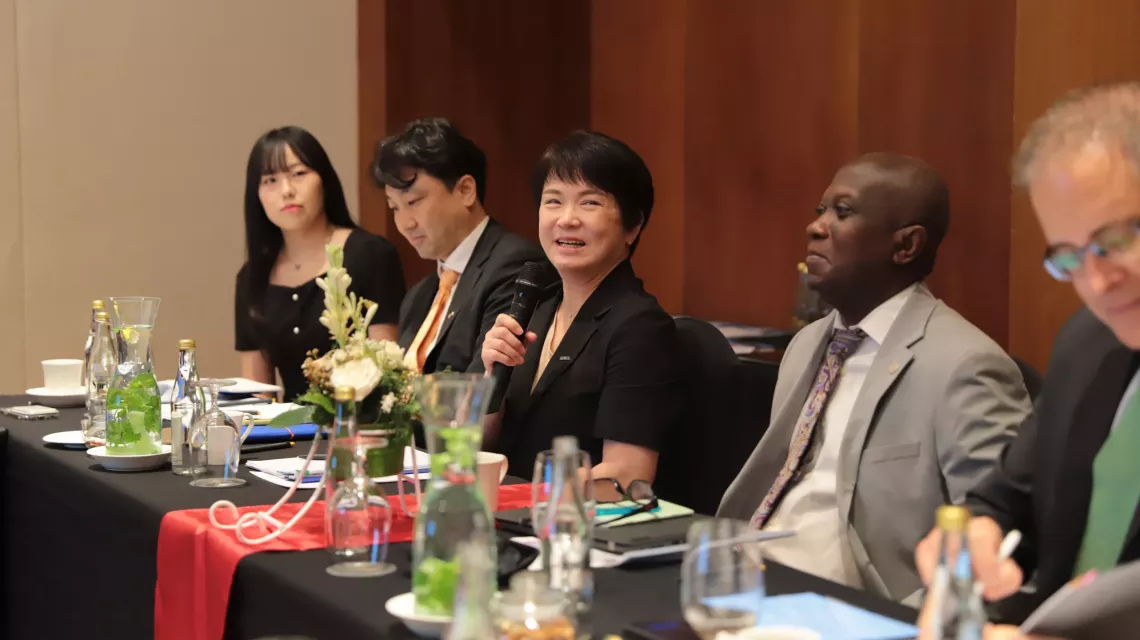
“KOICA’s climate grant will help UNICEF strengthen the climate resilience of essential service systems to protect children and communities, as the selected regions in Asia and Africa are among the most disaster-prone and vulnerable in the world.”
Key Outcomes of Partnership
The planned outcomes of the programme are to reduce vulnerability to climate change among children and their communities by enhancing access to Climate-Smart Social Services and Infrastructure, including WASH, Health, Nutrition, Education, Social Protection, and Child Protection. This outcome also aims to improve access to renewable energy for these social services, support low-carbon development and circular economy initiatives, and enhance the climate information and early warning systems that enable effective planning and rapid response.
Additionally, the programme seeks to drive transformational institutional and capacity development to scale up Climate-Smart Social Services and Infrastructure. This includes strengthening data and evidence, implementing climate-sensitive child policies, leveraging public finance, empowering children and young people, and building stakeholder capacity to sustain climate-smart initiatives.
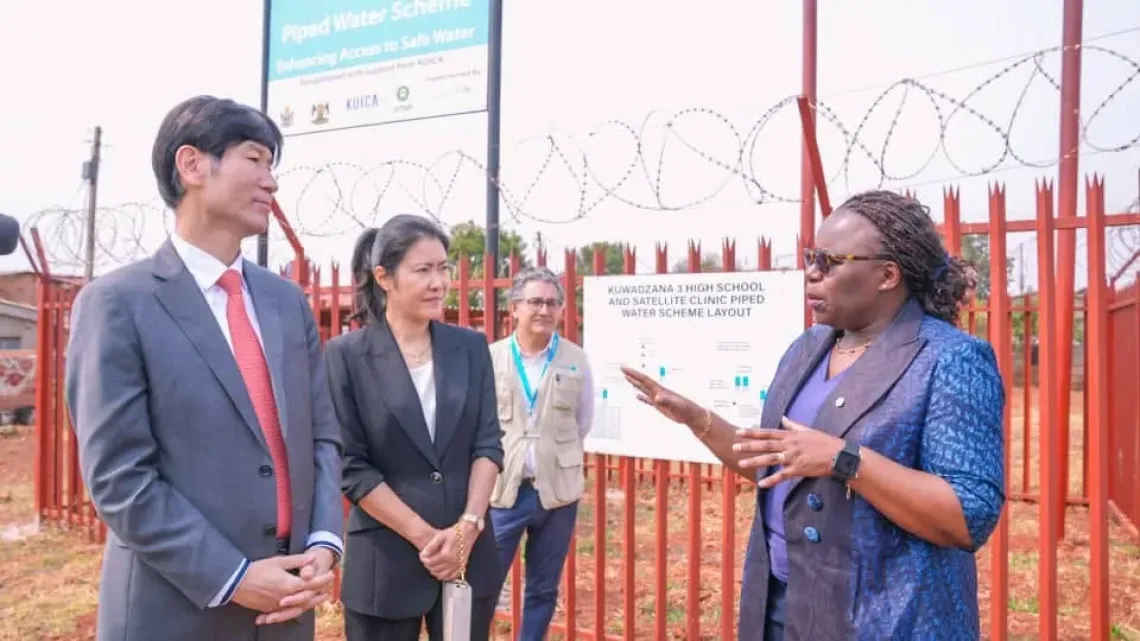
"I witnessed value for money today. The money that Korean taxpayers willingly paid for the development of countries like Zimbabwe."
A Paradigm Shift
The UNICEF-KOICA Climate partnership represents a fundamental shift in how UNICEF operates on the ground. By ensuring that everything we do across the sectors where UNICEF operates is contributing to a more sustainable future for children, we will reach millions of children who are most vulnerable and disproportionally affected by climate shocks.
The Climate Partnership with the Korean Government presents an important opportunity for UNICEF to advance its contribution to the global adaptation agenda. Following the adoption of the Global Goal on Adaptation at COP28 in 2023, we can now demonstrate what community resilience means in concrete ways, including how to measure and respond to its impact on children. This partnership represents a highly strategic investment by the Korean Government to expand its role in Climate initiatives, resulting directly from a commitment by UNICEF Executive Director Russell and the Korean Foreign Minister to prioritize climate within our collaboration. Our success has the potential to not only influence how we deliver our programmes, but also to shape how governments and the global community understand and address climate resilience as a whole.
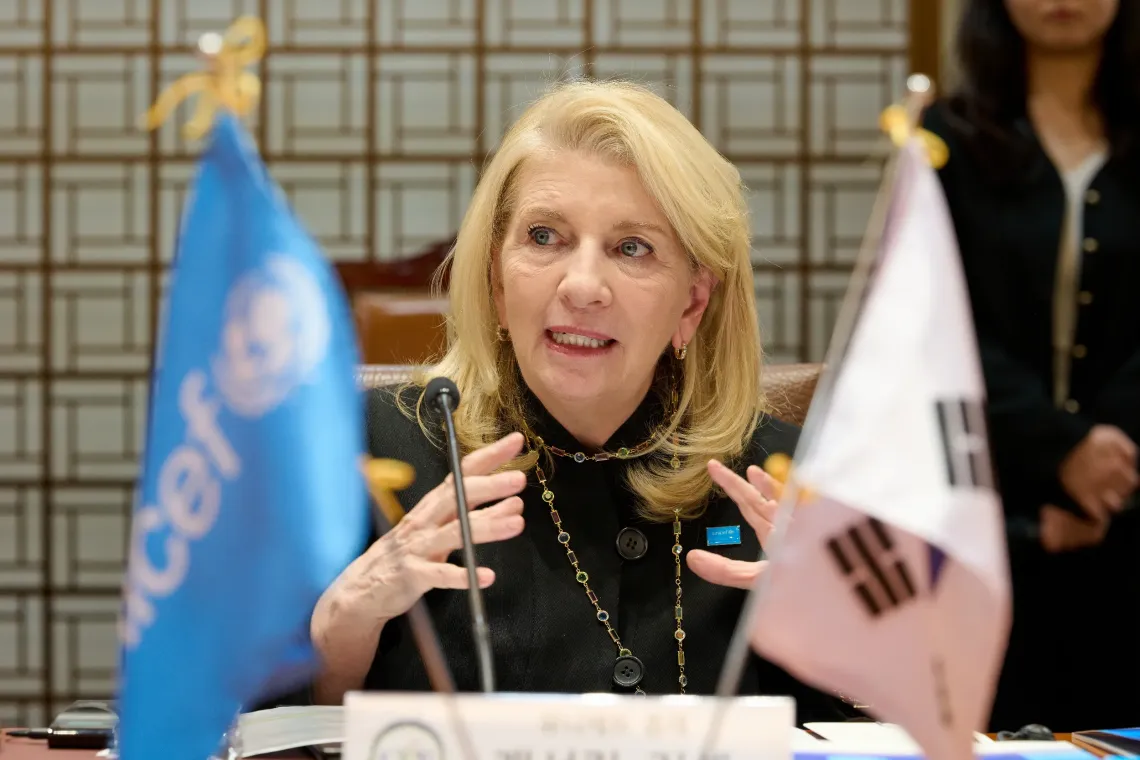
“UNICEF is grateful to the Government and the people of the Republic of Korea for their support for children on the frontlines of the climate crisis.”
Supported Countries