What is Ghana's NAP-BHR? Understanding Business and Human Rights for Children
Ghana's National Action Plan on Business and Human Rights (NAP-BHR) is a framework designed to ensure businesses respect human rights, with a critical focus on protecting children from exploitation and harm.

In today's interconnected world, the actions of businesses profoundly impact human rights. The government of Ghana in partnership with UNICEF Ghana and other key stakeholders has taken a vital step forward with the National Action Plan on Business and Human Rights (NAP-BHR). This comprehensive framework guides State’s duty to respect human rights, businesses duty to operate responsibly, ensuring they respect and uphold human rights, and finally ensuring access to remedy of victims. Crucially, the NAP-BHR places a strong emphasis on safeguarding the well-being and future of every child in Ghana.
What does NAP-BHR stand for?
NAP-BHR stands for the National Action Plan on Business and Human Rights. It's a framework in Ghana that guides businesses to respect and uphold human rights.
Who developed the NAP-BHR?
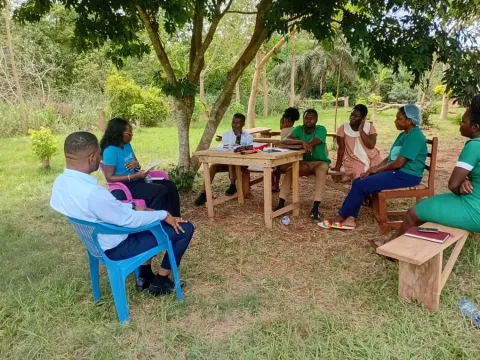
It was created through a collaborative effort led by the Office of the Attorney-General and Ministry of Justice, along with the Commission on Human Rights and Administrative Justice. Many stakeholders contributed, including government ministries, businesses, civil society, and communities across Ghana.
What are the key objectives of the NAP-BHR?
The main goals include:
- Protecting human rights from business abuse in workplace, markets and communities.
- Ensuring companies respect rights in employment, the environment, and community relations.
- Providing remedies for individuals harmed by business activities.
- Aligning Ghana’s business practices with international standards, like the UN Guiding Principles on Business and Human Rights and Children’s Rights and Business Principles.
Why was the NAP-BHR developed?
Ghana needed a coordinated way to address human rights concerns linked to business operations, such as labor rights violations, environmental harms, land issues and unfair practices.


How did UNICEF contribute to the process?
UNICEF played a critical role in ensuring that children’s rights were embedded throughout the development of the NAP-BHR.
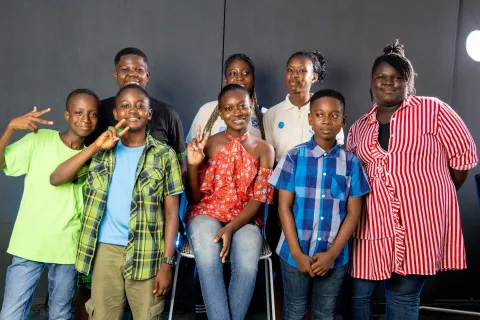
UNICEF led and organized dedicated consultations with children, adolescents, and youth to ensure their voices were directly reflected in the NAP-BHR.
UNICEF provided technical comments and feedback during the draft review and validation stages.
At the official launch of the NAP-BHR, UNICEF’s Representative in Ghana reaffirmed UNICEF’s commitment to supporting implementation.


Why does the NAP-BHR matter to children?
UNICEF supported the development of the NAP-BHR because business and human rights matter to children. The NAP-BHR focuses on several critical areas affecting children, including:
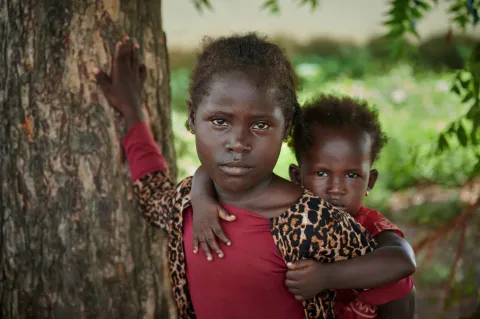
- Child Labor: It addresses the exploitation of children, especially in sectors like agriculture and mining.
- Education: Tackling child labor helps keep children in school and supports their right to education.
- Health and Safety: The plan promotes safe environments by minimizing pollution, protecting children's health from environmental damage.
- Child Protection in Supply Chains: Businesses are encouraged to evaluate their supply chains and eliminate harmful practices affecting children and their caregivers.
- Social Inclusion: It promotes equality and special protections for vulnerable groups, including children, girls, and children with disabilities
The 2025 NAP-BHR represents Ghana’s commitment to responsible business practices that prioritize human dignity, particularly safeguarding the rights of children who are often most impacted by harmful business activities. By promoting a safer, fairer, and more inclusive Ghana for future generations, the National Action Plan on Business and Human Rights (NAP-BHR) is essential for protecting children. At UNICEF, we believe that responsible business is everyone’s responsibility, especially when it comes to safeguarding children's rights.