Stolen futures in Ghana: The silent crisis of teenage pregnancies
In the shadow of Zokor, a town in Bongo District in the Upper East Region, a fight for life and opportunity
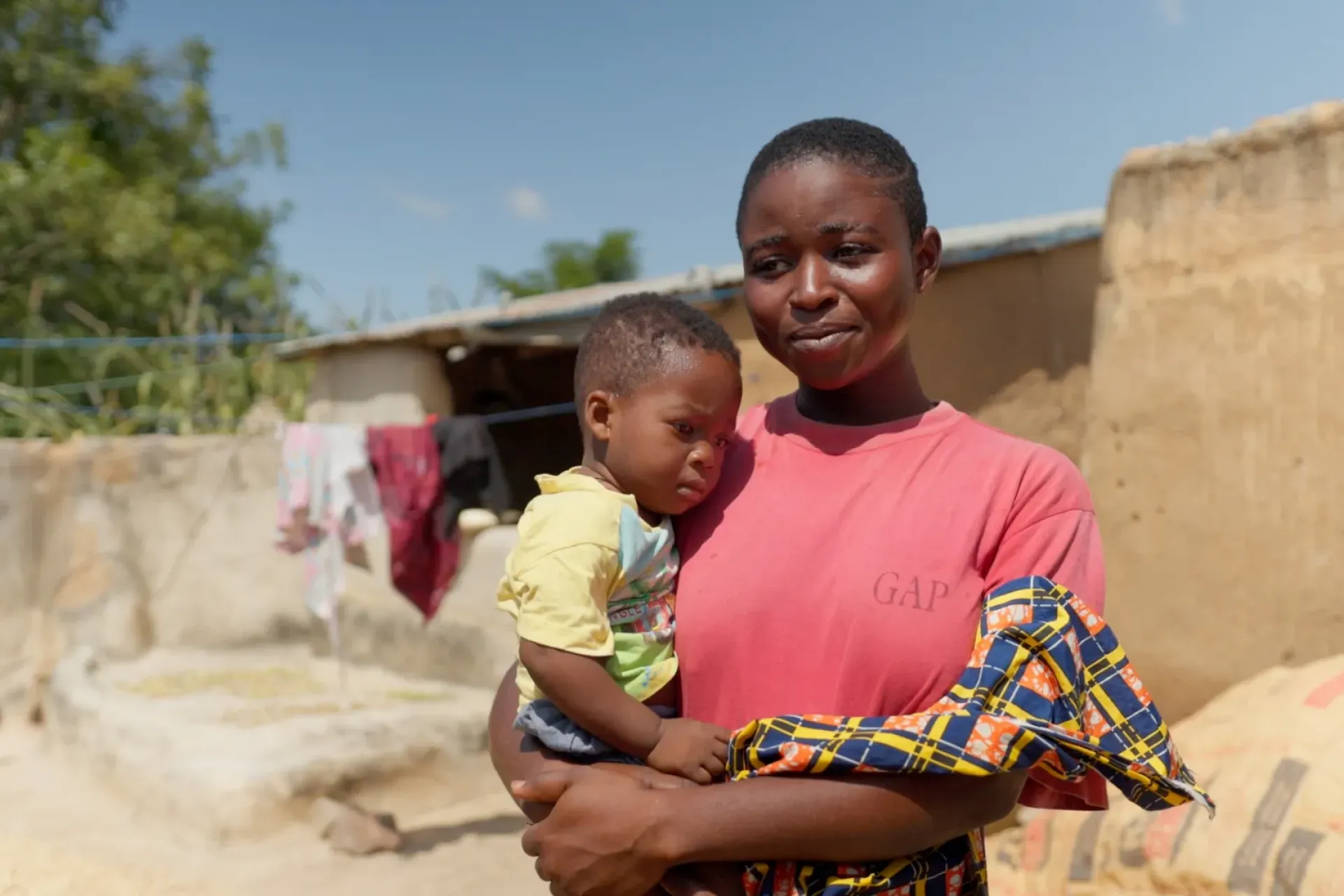
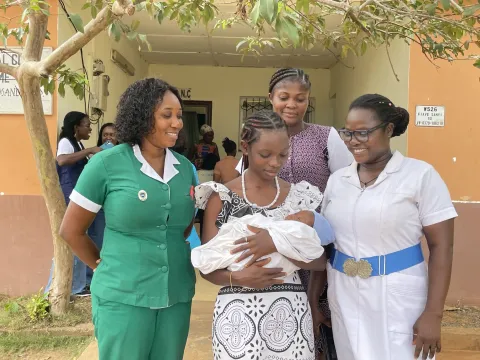
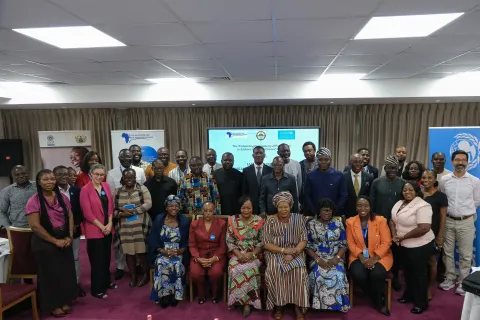
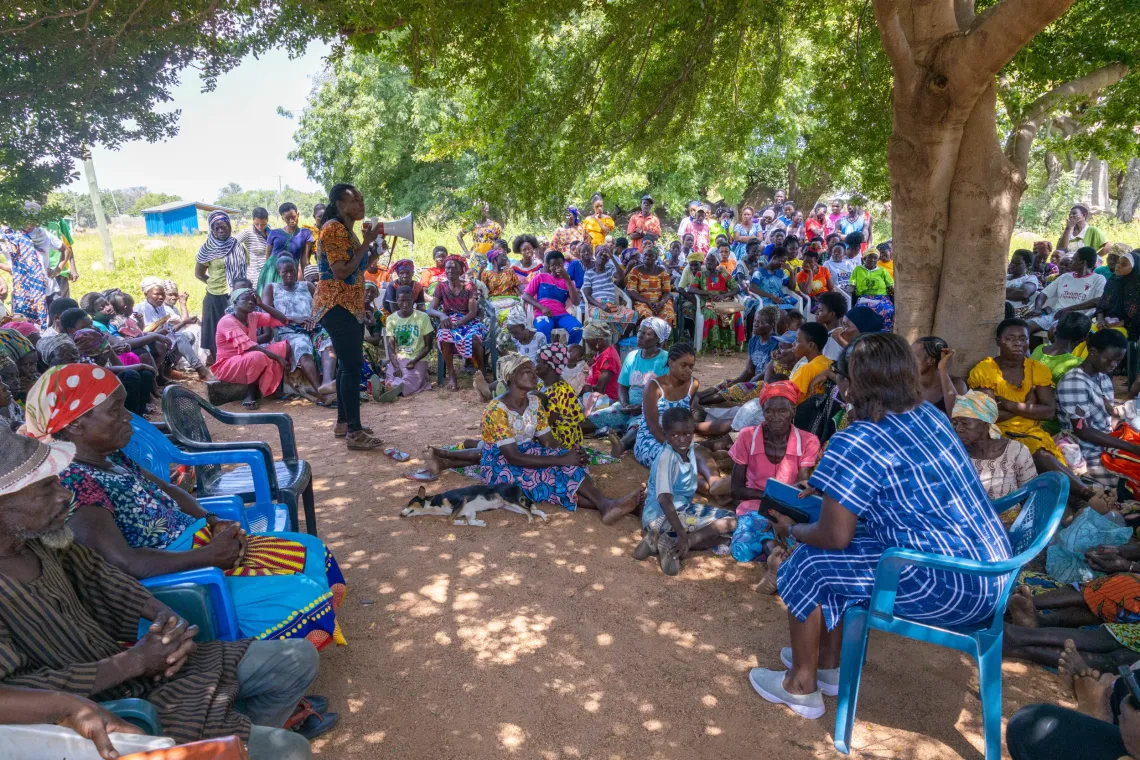
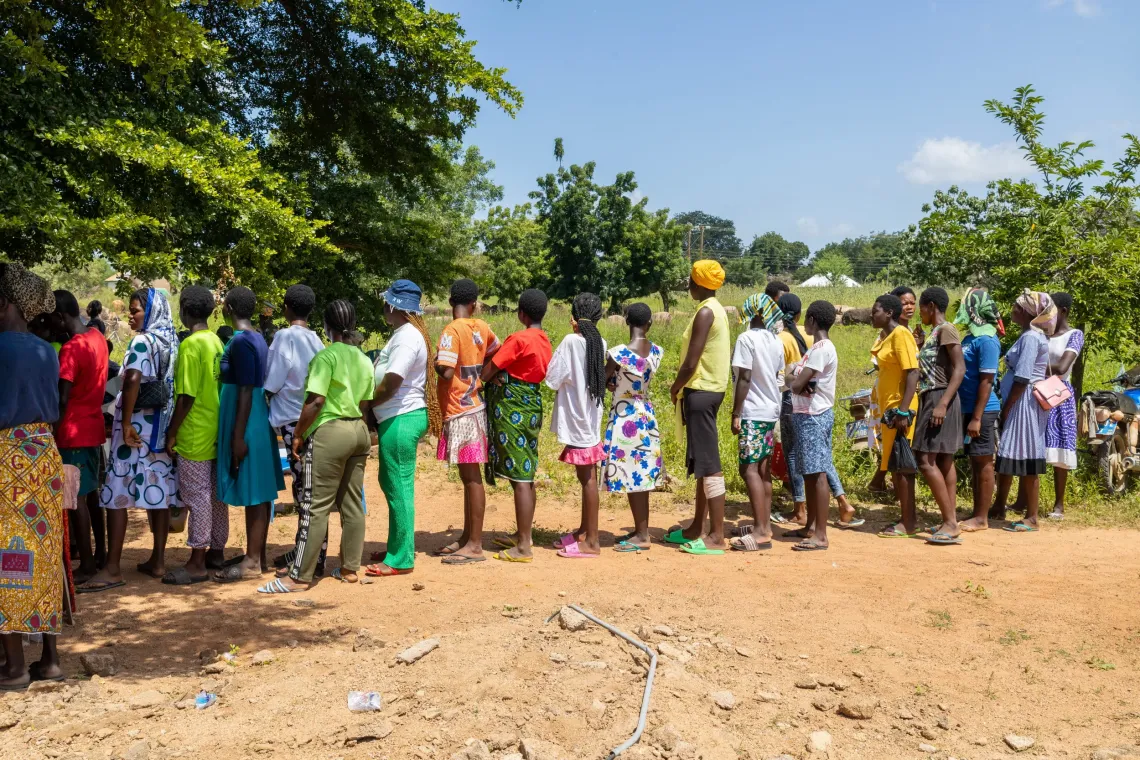
The air in Zorkor, a community tucked away in Bongo, Ghana's Upper East Region, hums with a quiet, undeniable reality: teenage motherhood. At a recent community engagement gathering, the sheer number of young faces cradling infants is immediately striking, a visual testament to a silent crisis. It's not just their youth that links them; an unexpected number also speak Twi, a language primarily spoken in the southern part of Ghana. In Zorkor, where Twi is not native, this linguistic echo hints at a common journey: a quest for opportunity, often in the capital city of Accra or Kumasi, that ended prematurely.
Why Zorkor? A Return to Crisis
The presence of young Twi speakers is a crucial clue to why they are here. For many girls in Zorkor, the lack of local economic opportunity pushes them to migrate south to cities like Accra and Kumasi in search of work, often as domestic help or Kayayei
(Female head porters).
This migration exposes them to new environments, a lack of familial supervision, and increased vulnerability. They often return home empty-handed, and some are pregnant. The gathering in Zorkor is a recruitment drive for a life-changing intervention.
A Lifeline: The Adolescent Girls Livelihood Empowerment and Productive Inclusion Programme (LEPIP).
The event was held under the ‘Power Her Potential’ initiative – the Adolescent Girls Livelihood Empowerment and Productive Inclusion Programme (LEPIP). The programme aims to equip adolescent girls, particularly vulnerable Girls, with essential life and business skills, vocational training, and start-up grants to help them establish sustainable livelihoods and break the cycle of poverty and dependence. However, during the drive, the scale of the challenge became starkly evident. Many of the attendees were visibly pregnant or carrying babies, underscoring the harsh reality of childhoods interrupted and the heavy burden of early motherhood.
And this programme is made possible thanks to the support of the ELEVA Foundation.
Beatrice’s Story: A Life Interrupted
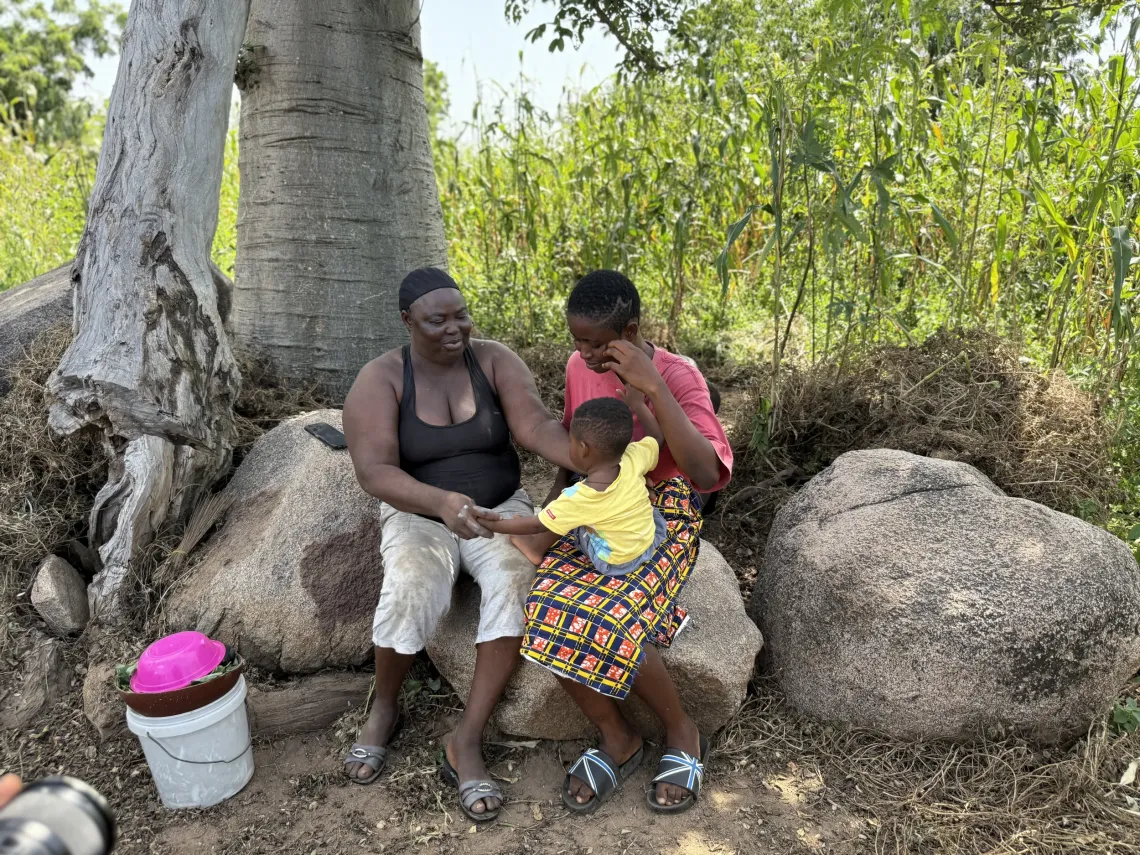
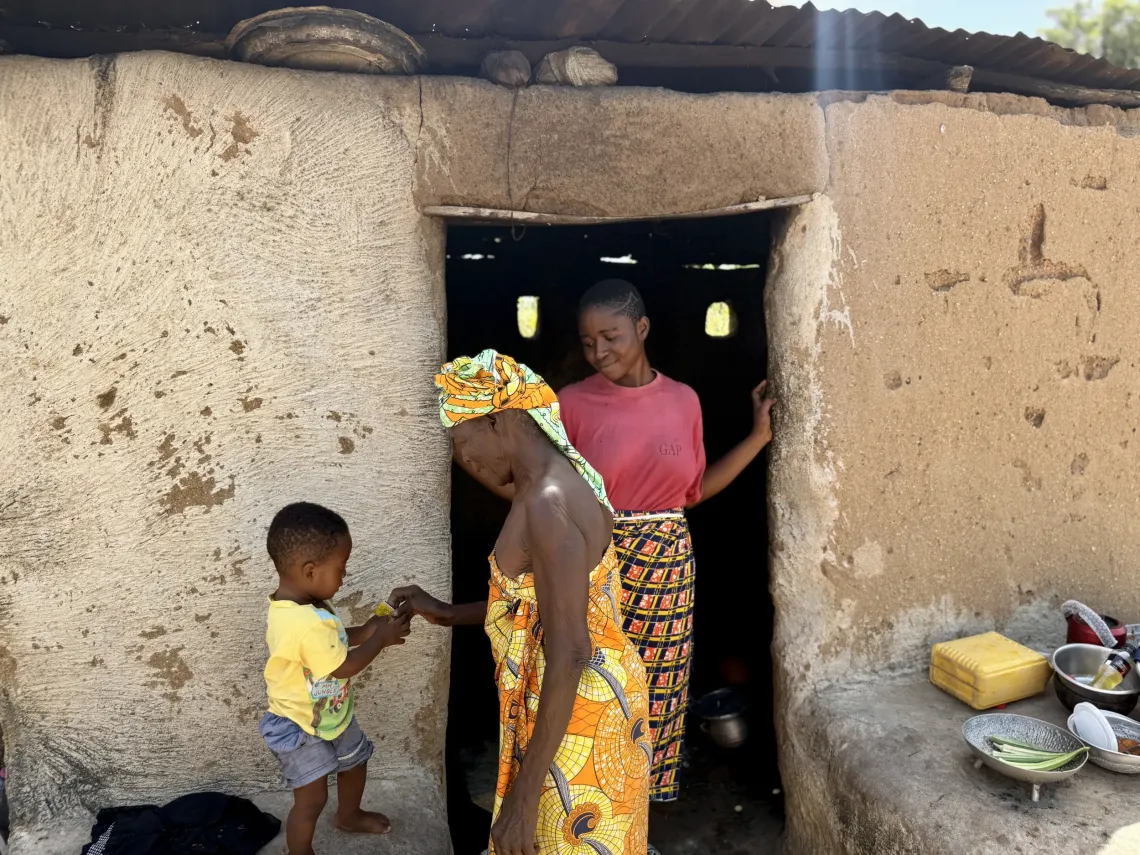
Among these young women is Beatrice, a 19-year-old mother with a one-year-and-two-month-old son, Henry. Her story is a perfect illustration of the migration-to-motherhood pipeline. At 18, she was living in Accra with her aunt, working near the bustling Agbogbloshie Market, when she met Henry’s father. Since becoming pregnant, however, she has not seen or heard from him.
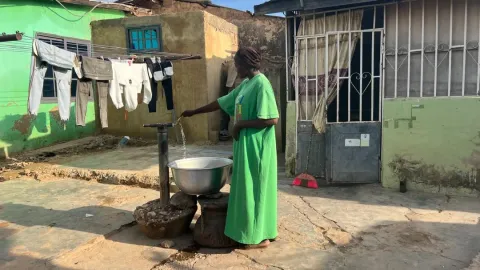
Abandoned and alone, Beatrice returned to Zorkor, where she now lives with her mother and grandmother, both struggling peasant traders.
"Life has been really hard," she says quietly. "I have no support."
Having dropped out of junior high school, Beatrice is left with no trade or skill. With limited economic opportunities in Zorkor, she is entirely dependent on her mother for food and shelter, often struggling even for basic necessities like sanitary pads.
"Sometimes I have to beg other women in the community," she adds. Her dreams of education and a stable future have been abruptly put on hold.
The Systemic Issues Fueling Early Motherhood
The persistence of teenage pregnancy in Zorkor, which social welfare and community development officer Helen Abeongo says is among the highest in the country, points to deep-seated systemic failures, despite years of advocacy and education.
Helen attributes the high rates to several interconnected factors:
• Lack of Economic Opportunities: Without a clear path from education to employment, many girls become disengaged. "Many girls don’t see education as a path to a better life," Helen explains. "They stay home and end up vulnerable."
• Migration and Exposure: The cycle of girls leaving for the south, or even across nearby borders with Burkina Faso and Togo, in search of work, is often met with failure and pregnancy upon their return.
• The Lure of Illegal Mining (‘Galamsey’): The presence of young men involved in small-scale, illegal mining, who return to the community with cash and motorbikes, acts as a powerful lure, leading to relationships that frequently result in early pregnancies.
• Weak Parental Support: In some cases, poverty is so acute that "Some parents even encourage their daughters to go out with men to help support the household," Helen states, essentially trading their daughter’s safety for temporary relief.
The Scale of the Crisis
Bongo district, in the Upper East Region, recorded an alarming 522 registered cases of teenage pregnancy in 2025 alone.
A Glimmer of Hope
Despite the overwhelming obstacles, Beatrice retains a fierce determination. She now uses her experience to counsel others. “I always tell my friends who are not pregnant to stay in school or learn a trade,” she says. “It’s not easy.”
Her dream now is simple but could transform her life: to open a small grocery shop in her community to provide for her son. “I know my life isn’t over,” she says with determination.
“I just need a chance to stand on my own feet and take care of Henry. His future depends on it.”
Beatrice’s fight is the fight of countless young mothers in the Zorkor community, desperately seeking a chance to reclaim their stolen futures.