Standing for Her Future: The Men of Wungu Take Action
In Northern Ghana, a village proves that empowering one girl takes an entire community.

WUNGU, Ghana – At first glance, the gathering in Wungu looks like any other community meeting in the West Mamprusi Municipality. But as the morning sun climbs higher over the North East Region, a remarkable detail emerges.
This is a session for the Livelihood Empowerment and Productive Inclusion (LEPIP) programme, designed specifically for adolescent girls. Yet the crowd is not composed solely of young women.
Look closer, and you will see a group of men. They are fathers, brothers, and husbands. They haven’t come to take over the space; they have come to support it.
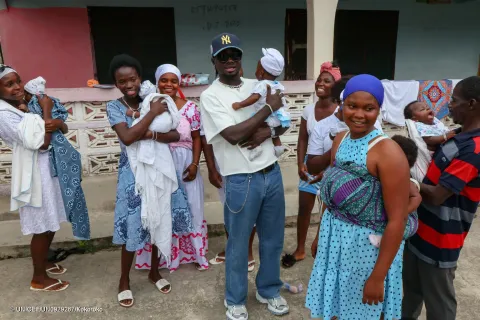
They arrived by every means possible: some on the roar of motorbikes, others pedaling bicycles or navigating tricycles, and many more arriving on foot through the dust. Despite their different journeys, they share a singular purpose: each man is accompanying an adolescent girl.
For some, she is a wife. For others, a sister, a daughter, or a granddaughter.
Their presence is intentional. In a space created to empower girls, these men have chosen not to watch from the sidelines. Their support tells a deeper story, that the journey toward a girl’s independence is not one she should walk alone. It is a path paved by the strength of her family and the commitment of her community.

Voices of Support
We spoke to the men in the crowd to understand why they chose to show up.
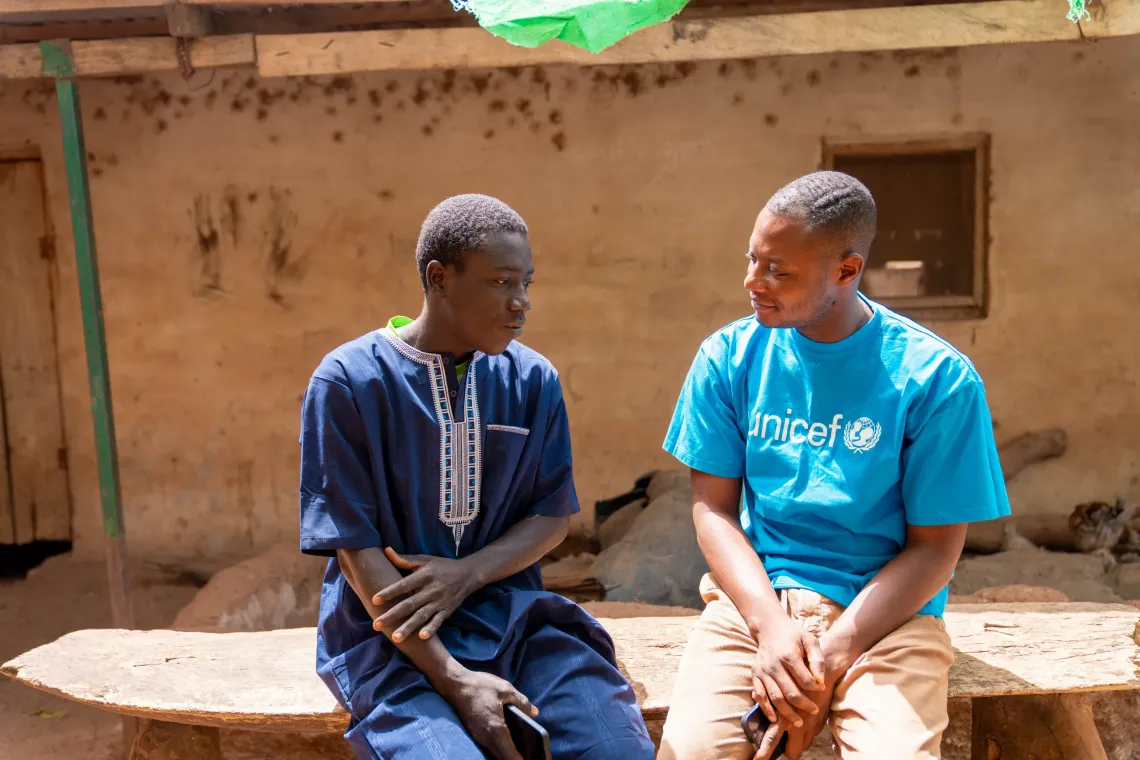
Haruna Gafaru, 19, sits quietly beside his sister. "It is difficult for girls to make money to support themselves," he explains. For him, the challenge is a matter of survival, and he believes this initiative is the key to ensuring his sister secures a sustainable livelihood.
Nearby, Abdul Kadir Salifu, 23, stays close to his 19-year-old wife, Jamila. They have been married for two years and are parents to little Alhaan, a toddler just over two years old. Abdul Kadir didn’t just drop Jamila off; he stayed to listen. "I came to support her and to understand how this will benefit us as a household," he says. To him, her empowerment is the bedrock of their family’s future.
A Father’s support
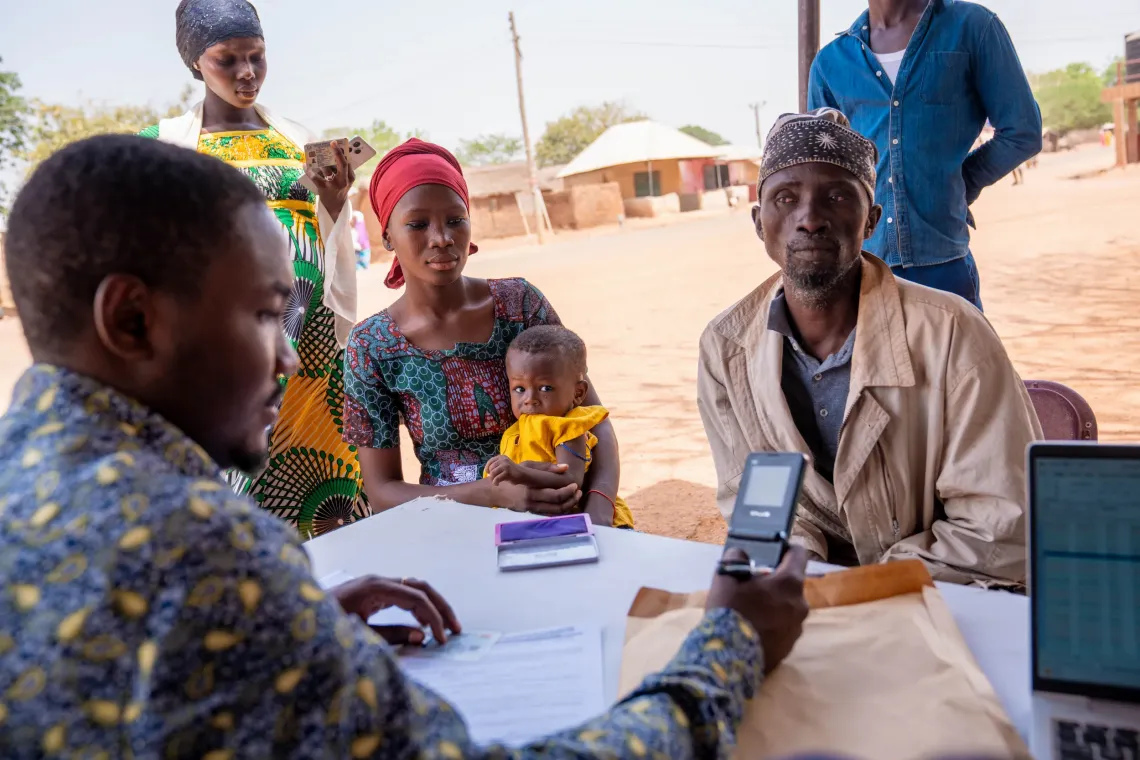
Then there is Abdul Samara, a farmer and father of eight. His commitment to the programme is born of a painful past. Of his four daughters, one has already faced the harsh reality of migration.
He watched his older daughters leave for Southern Ghana to work as Kayayei (female head porters) in search of a better life. That journey was marred by abuse and hardship, an experience he is determined to spare his younger children. He is here today with 21-year-old Fusieina (visibly pregnant) and 19-year-old Sakina, who is carrying her one-year-old child.
"I want a different path for them," Abdul Samara says. For him, this intervention is more than just a programme; it is a lifeline. It offers a practical alternative that allows his daughters to remain home, safe and dignified, while building a business. He is ready to do everything in his power to ensure they thrive right here in Wungu.
A Community Affair
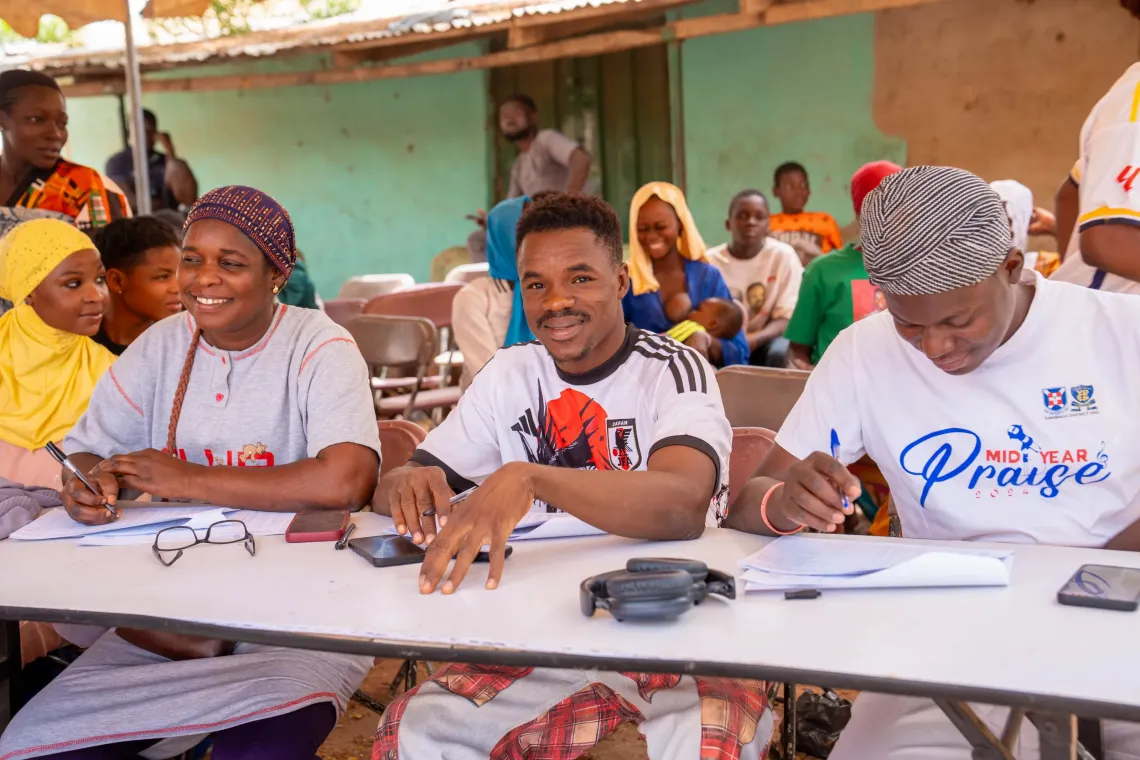
Beyond these individual stories, a larger truth is unfolding: empowerment is a community affair.
The sustainability of the LEPIP relies on this very unity. The reflections from the field paint a clear picture: the girls are ready, the men are ready, and the community of Wungu is prepared to take the next step.
When a community chooses to stand together, empowering one girl at a time, transformation is no longer just a hope; it becomes inevitable.
With the generous support of Global Affairs Canada, UNICEF is expanding the Livelihood Empowerment and Productive Inclusion Programme to new districts across Ghana, reaching out-of-school extremely poor and vulnerable adolescent girls and young mothers with the tools they need for financial independence and a brighter future.