How Nurses are tackling HPV and vaccine misinformation in Ghana
Public health "heroes" in Accra and Tamale take the fight against cervical cancer to the streets to close the vaccination gap
Africa Vaccination Week highlights the collective action needed to protect people of all ages from vaccine-preventable diseases. Under the 2026 theme, “For Every Generation, Vaccines Work,” the focus in Ghana is on a critical lifesaver: the HPV vaccine.
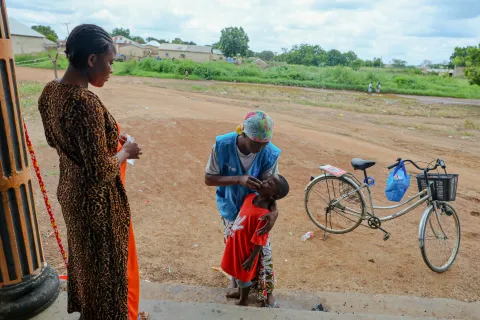
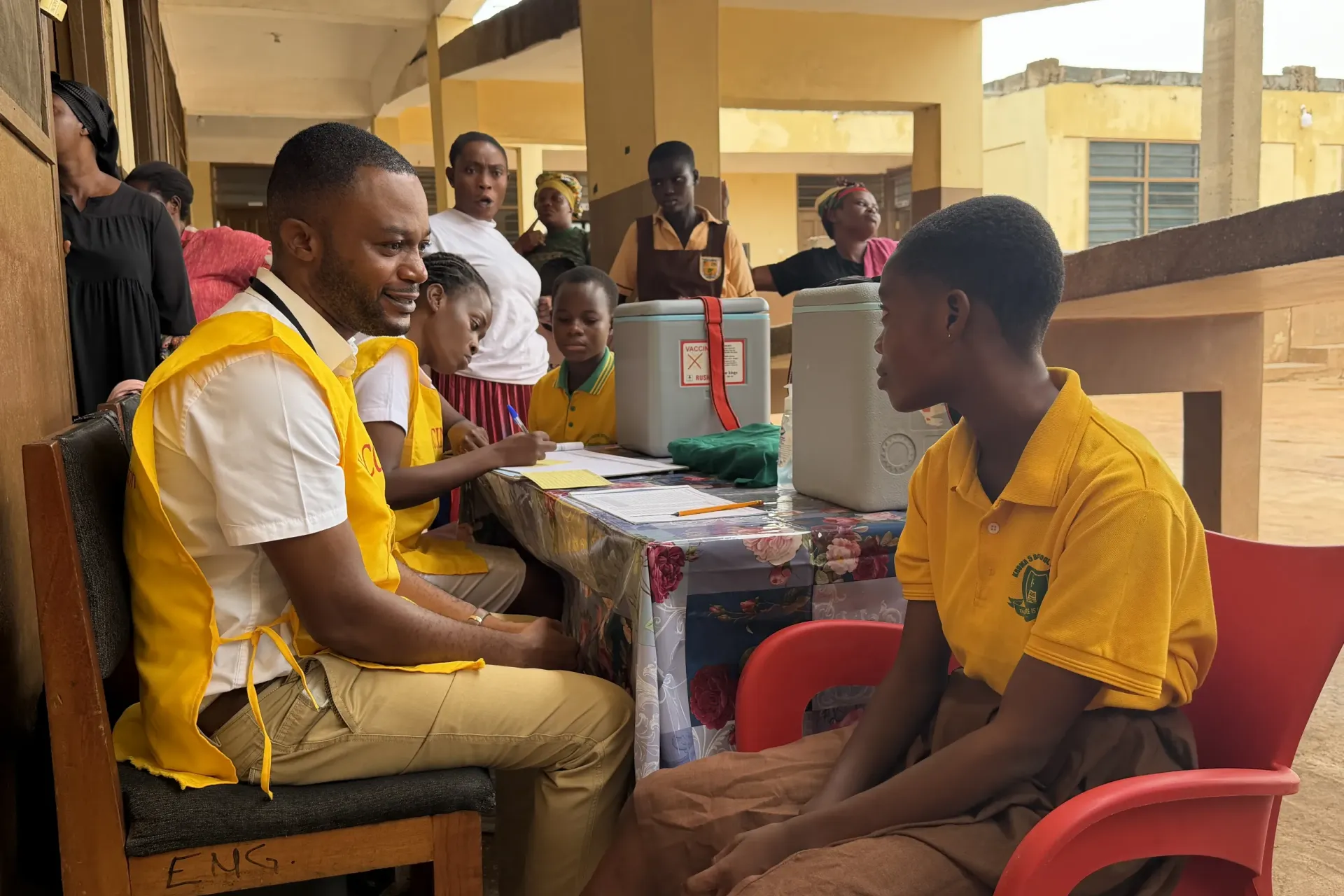
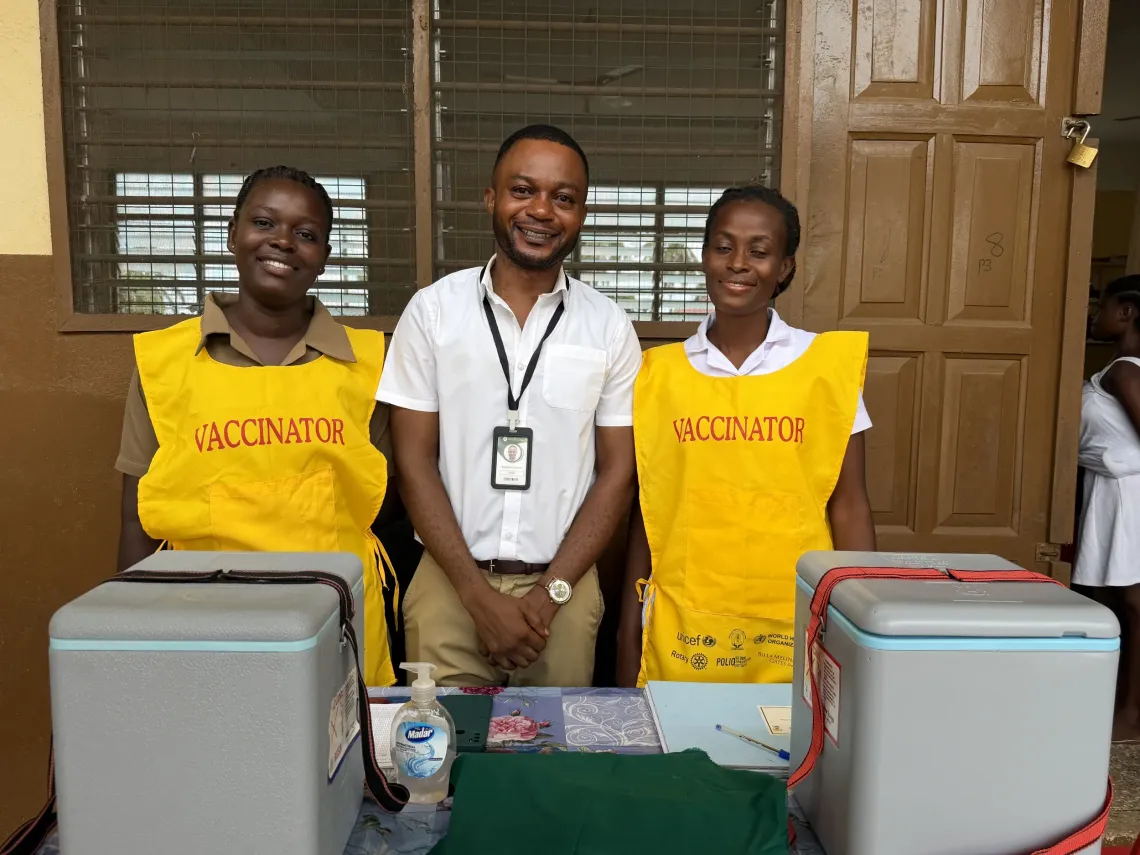
At Nungua Kroma Basic School, the halls are filled with learning and laughter. But today, there is a specialized mission underway. Health workers from the Ghana Health Service (GHS) are on-site to provide health education and administer free Human Papillomavirus (HPV) vaccines to girls aged 9–14.
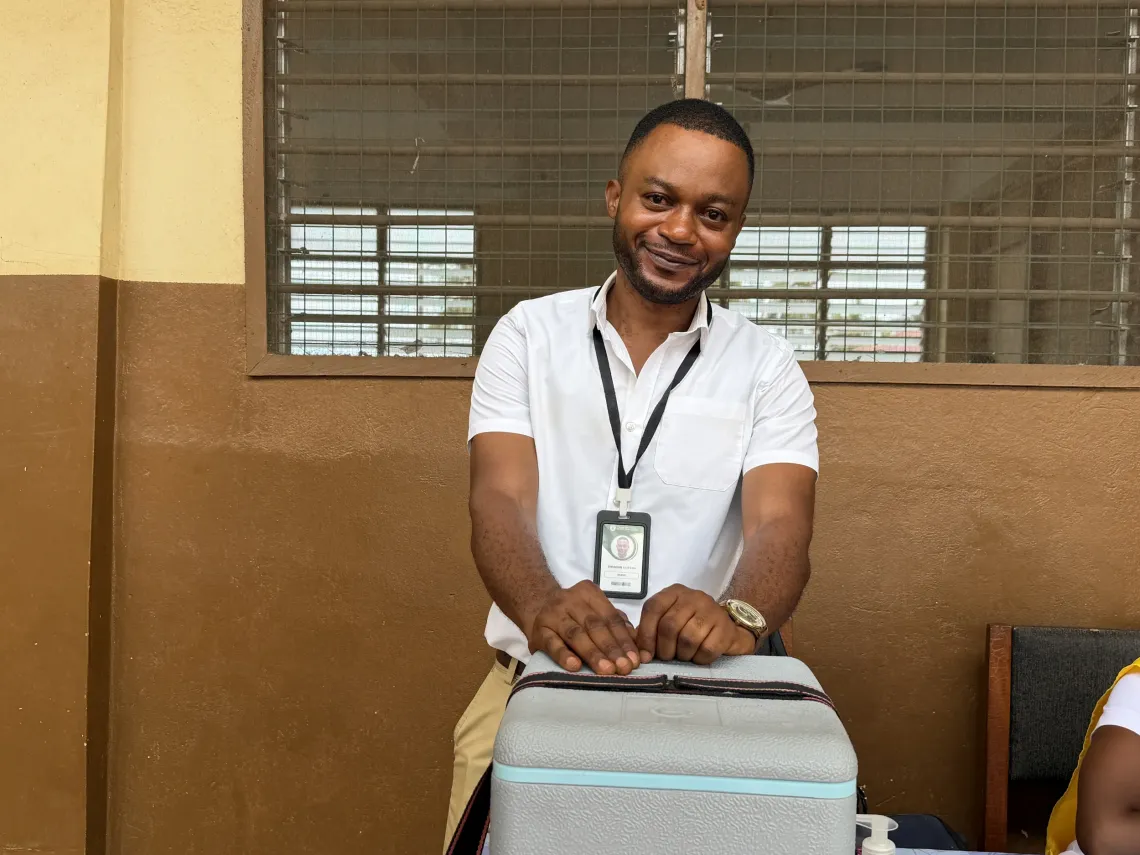
Supervising the team is Saviour Hupenu, a Public Health Nurse with 14 years of experience. “Protection is my business,” he says with quiet authority. For Saviour, nursing isn’t just a job; it is a calling to safeguard the future of his community.
Cervical cancer remains one of the leading cause of cancer deaths for women in Ghana. Despite a safe, effective vaccine, barriers persist: harmful rumours (e.g., false claims about infertility), low awareness, and limited access for out-of-school girls.Many parents and caregivers hesitate because they don’t have the right information, or they haven’t heard from trusted people.
In 2025, Ghana launched its first HPV vaccination campaign, aiming to vaccinate 2.4 million girls aged 9–14. Supported by partners like UNICEF, WHO, GAVI the Vaccine Alliance and CANGIVE, this was a gamechanger. Total of 1.8 million (84.5%) girls vaccinated during the campaign. Now, HPV vaccination is part of routine immunization for girls in the specified age bracket, helping more girls stay safe. Vaccines are now offered not just in schools, but also through health facilities and special outreach services.
Community engagement and youth-led initiatives play a big part in spreading the word and encouraging families to participate. Community groups and youth organisations spread the word through school programmes, dialogues and media campaigns, reaching thousands of families
HPV vaccination is one of the most cost-effective strategies to prevent cervical cancer, a disease that disproportionately affects women in low- and middle-income countries. By vaccinating girls early, Ghana is not only saving lives and reducing long-term healthcare costs but also ensuring that girls can stay in school and reach their full potential. This vital intervention aligns with global priorities to eliminate cervical cancer and serves as a cornerstone for achieving long-term national development goals.
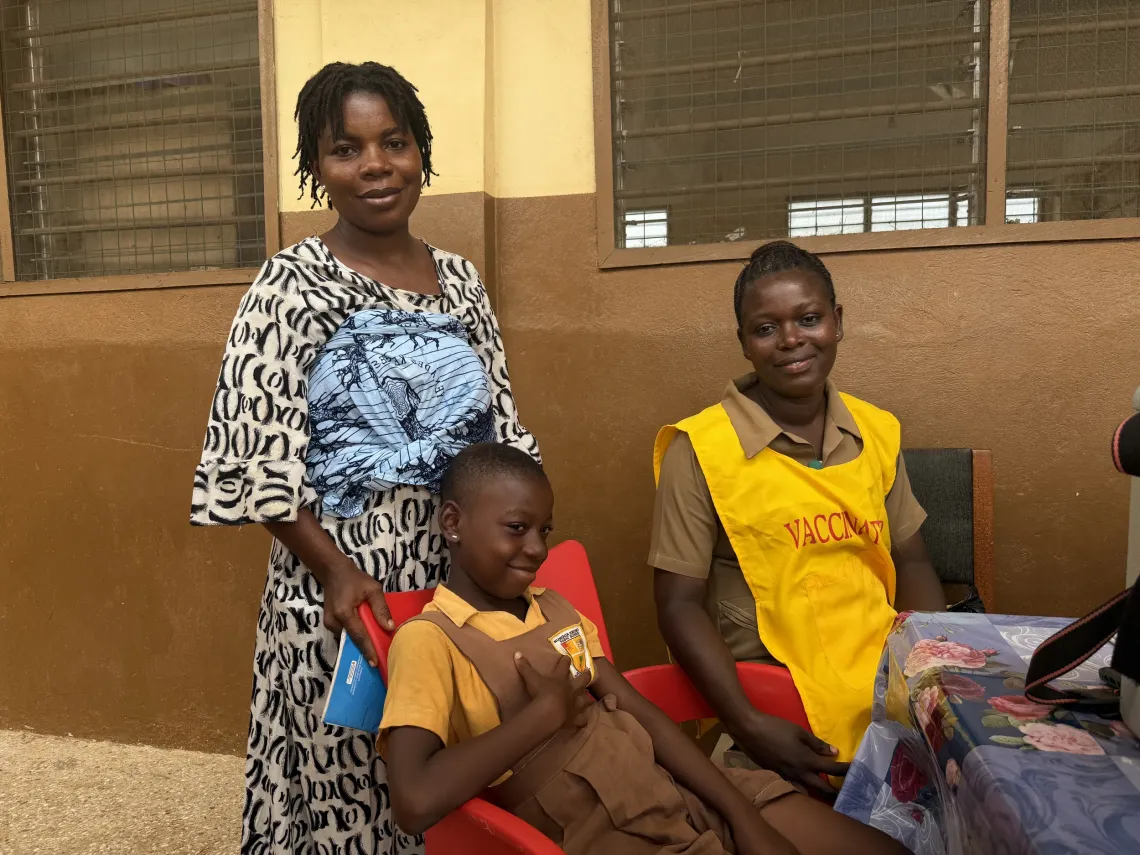
Building Trust at the Frontline
At Nungua Kroma Basic School, Saviour and his team deliver more than vaccines, they deliver trust. By partnering with teachers and using tools like the HPV Quiz Game, they empower students to become advocates within their own families.
During Africa Vaccination Week, this outreach is vital; Saviour patiently addresses parental fears regarding rumors and infertility with clinical facts and kindness. For him, protection isn't just about the shot, it’s about ensuring every girl is informed, safe, and empowered to finish her education.