Ghana's Rural Communities Get Vaccinated: A Healthier Tomorrow
Ghana's Effective Measles-Rubella and Vitamin A Campaign
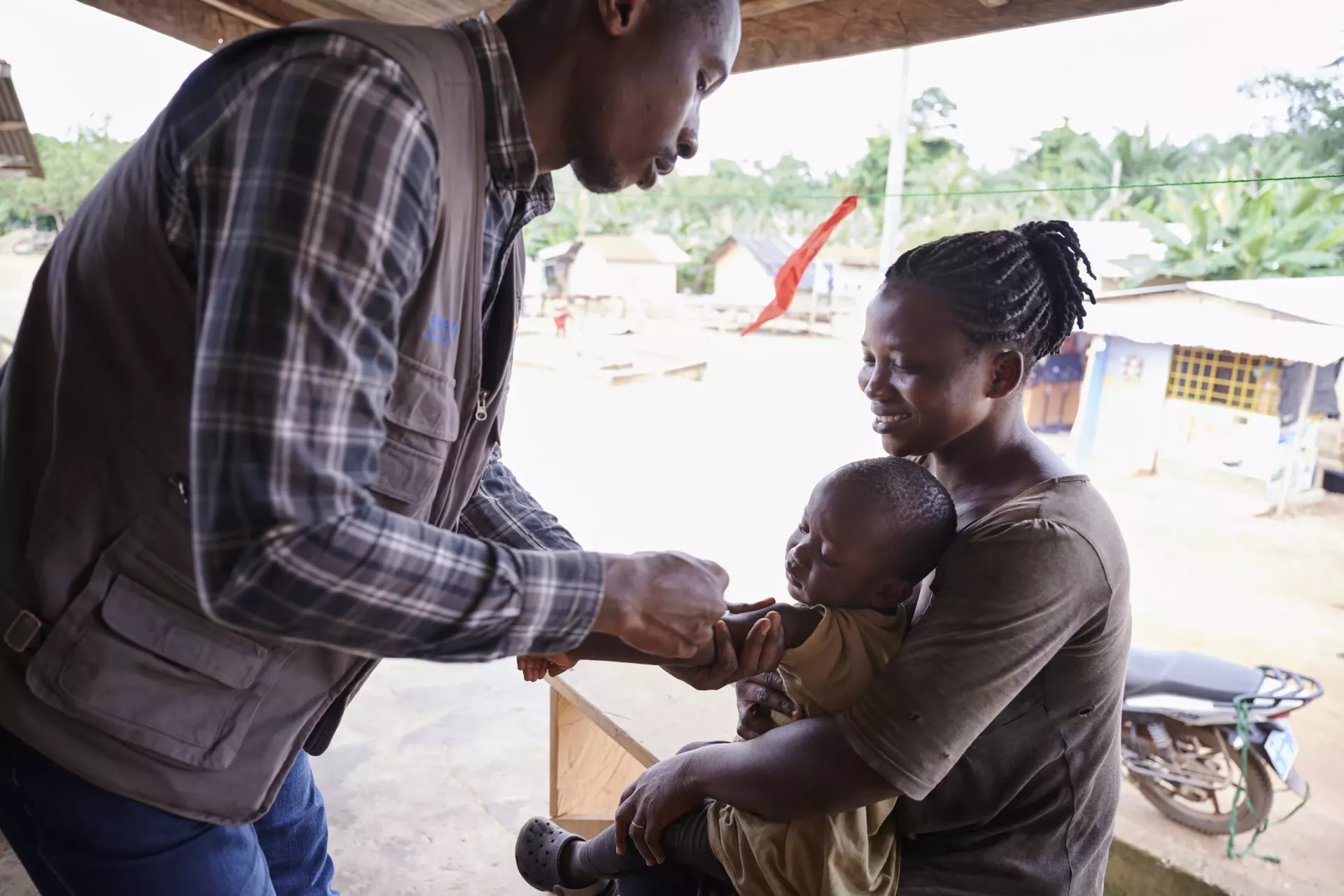
In the remote cocoa farming community of Hiampenika in the Ashanti Region of Ghana, the early morning calm is broken by the arrival of a vaccination team. Among the women and children patiently waiting for the team's arrival is 38-year-old Diana Konadu, a cocoa farmer, cradling her 2-year-old son, Justice. Konadu has been there since 6 a.m., eager to ensure her son receives his Measles-Rubella vaccination and Vitamin A supplementation.
Diana, like many mothers in her community, knows the importance of this moment. Armed with determination to protect her child from the deadly disease, Diana, says recently, several children in her community fell ill with what she suspects to be measles, describing the symptoms: fever, dry cough, a reddish-brown rash that spreads across the body, and frequent trips to the toilet.
Her concern is personal, her son Justice had just been discharged from the hospital after he was diagnosed malaria, and the thought of him getting sick again scares her. "I struggled when he was in the Hospital," she recalls. "I had to stop going to the farm and the market, which affected me and my husband economically." This experience has transformed how Diana approached her family's health. "Now, I take my health and that of my family's seriously because I've learned the cost of ignoring it."
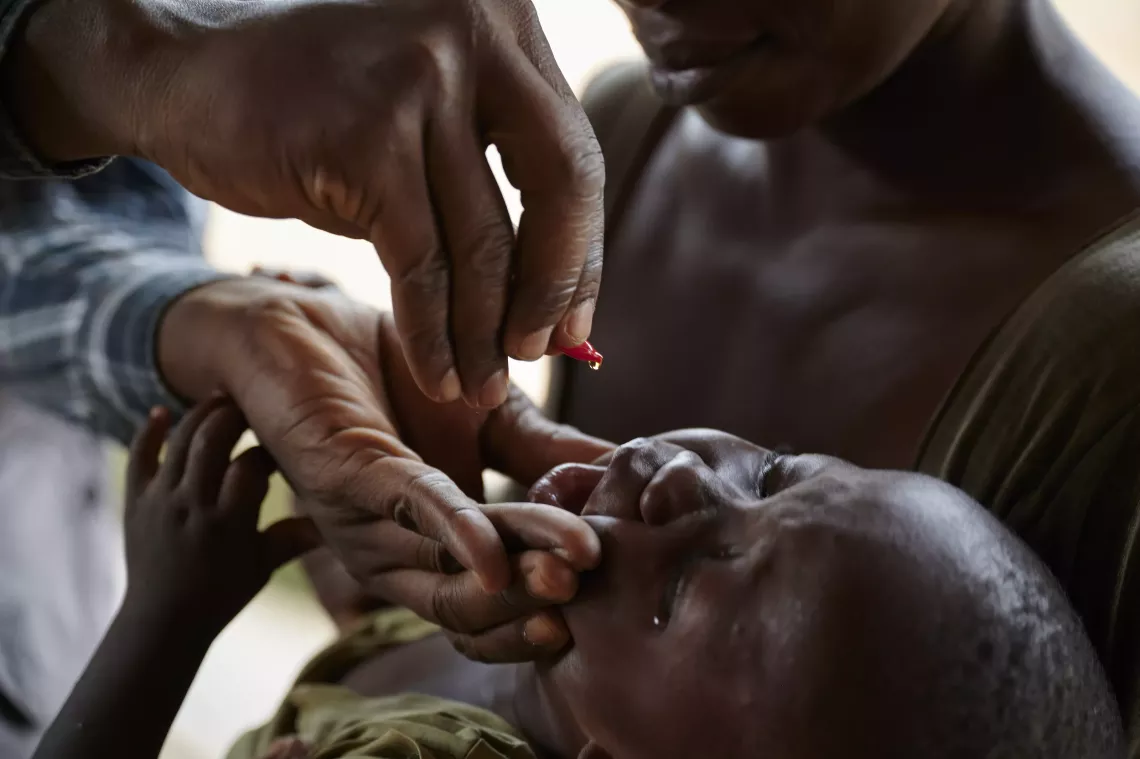
Diana didn't just come for her son's vaccination; she made sure to rally friends and neighbors to join her on her way. "I told them to join me and go and vaccinate their children, too," she says. The significance of having this service at her doorstep isn't lost on her. Usually, she and others would have to travel to Tweapease, the nearest health facility, which is an hour away by car—a difficult journey for most in the community.
Diana is deeply grateful for the campaign.
This has made it easy for us to vaccinate our children, preventing them from getting measles. That will save us time, money, and a lot of worry.
Diana and many other Ghanaian parents are taking advantage of the ongoing National Measles, Rubella, and Vitamin A Campaign, an effort led by the Ghana Health Service (GHS), the Ministry of Health, UNICEF, WHO, the Canada Global Initiative for Vaccine Equity (CanGIVE), and other partners. The six-day campaign, from October 2 to 6, 2024, aims to immunize over four million children from nine months to under 59 months across all 16 regions of Ghana.
Such initiatives are a welcome development as they help foster and pave the way for a healthier and more resilient future for families like Diana's. Through the support of the Canada Global Initiative for Vaccine Equity (CanGIVE), UNICEF was able to actively monitor happenings during this crucial time, ensuring access to vaccination was a reality for all, including hard-to-reach communities like Diana's.