Ghana Records First Childhood tuberculosis diagnosis using GeneXpert stool testing technology
Stool testing revolutionizes TB diagnosis for children in Ghana

In 2024 alone, Ghana diagnosed nearly 20,000 cases of tuberculosis (TB), with about 900 cases among children. While this is an important milestone for detection and care, health experts know that many more children with TB remain undiagnosed each year. For instance, according to the 2022 Global TB Report, an estimated 6,800 Ghanaian children were likely infected, yet only 826 cases were officially diagnosed and reported.
Undiagnosed childhood TB has long been a hidden threat, but a recent breakthrough at the Child Health Department at Korle Bu Teaching Hospital (KBTH) in Accra is changing that story and bringing hope to families.
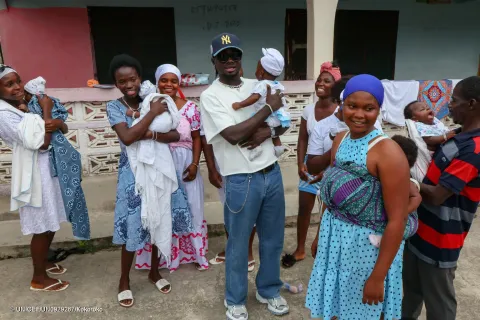
One young mother knows this breakthrough firsthand. At 28 years old, she was diagnosed with TB shortly after giving birth to her baby at just 32 weeks. Her baby, born prematurely, began to show worrying signs: weakness, persistent coughing, and difficulties with breastfeeding. For this new mother, it was a frightening and helpless time.
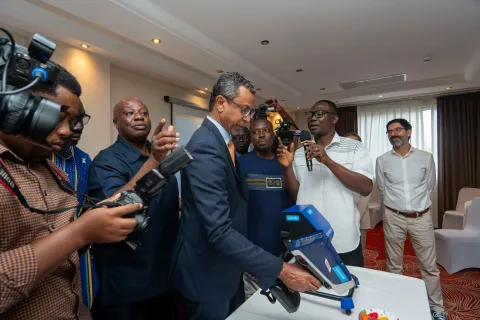
Then, a breakthrough: doctors at KBTH used Ghana’s first stool-based testing for childhood TB, employing the GeneXpert machine a rapid, accurate diagnostic tool. For the first time in Ghana, stool testing made it possible to detect TB in a baby who otherwise would have been missed or misdiagnosed.

Because of the infection, the baby had to remain in the hospital, isolated from his mother for an entire month a painful separation for any new mother. But she was not alone. Her own mother, the baby’s grandmother, stepped in to care for him during this period, ensuring he received his medication on time. It was a powerful reminder that family support, combined with the right medical tools, can save lives and bring hope to families facing an otherwise devastating disease.

Today, that baby is a healthy, thriving one-year-old, living his best life. His mother, too, has fully recovered. Her message to other families is simple but powerful:
“TB is not the end of the world. You can be cured. Testing is free in Ghana, and so is the medication. If you have TB, don’t panic seek help. There is support, and you will get better. Protect yourself and your loved ones by getting tested it’s free and it saves lives.”


This success story is only possible because of partnerships that are pushing the boundaries of childhood TB diagnosis in Ghana. UNICEF, in close collaboration with Ghana’s National Tuberculosis Control Programme, is committed to preventing TB among children and ensuring that every infected child is identified early and linked to life saving care.

With the support of SIEMENS Healthineers, UNICEF is helping expand the use of GeneXpert machines for stool-based testing a method that is painless for children, quick and easy for health workers, and free for families.
These innovative solutions mean that more babies and young children who often struggle to produce sputum samples for conventional TB tests can now be accurately diagnosed and treated.
TB is preventable, treatable, and curable and what’s more treatment is free for all .