Empowering Midwives and Modernizing Hygiene Standards for Safer Births
Dignity in Delivery: Transforming Maternal Care in Rural Ghana
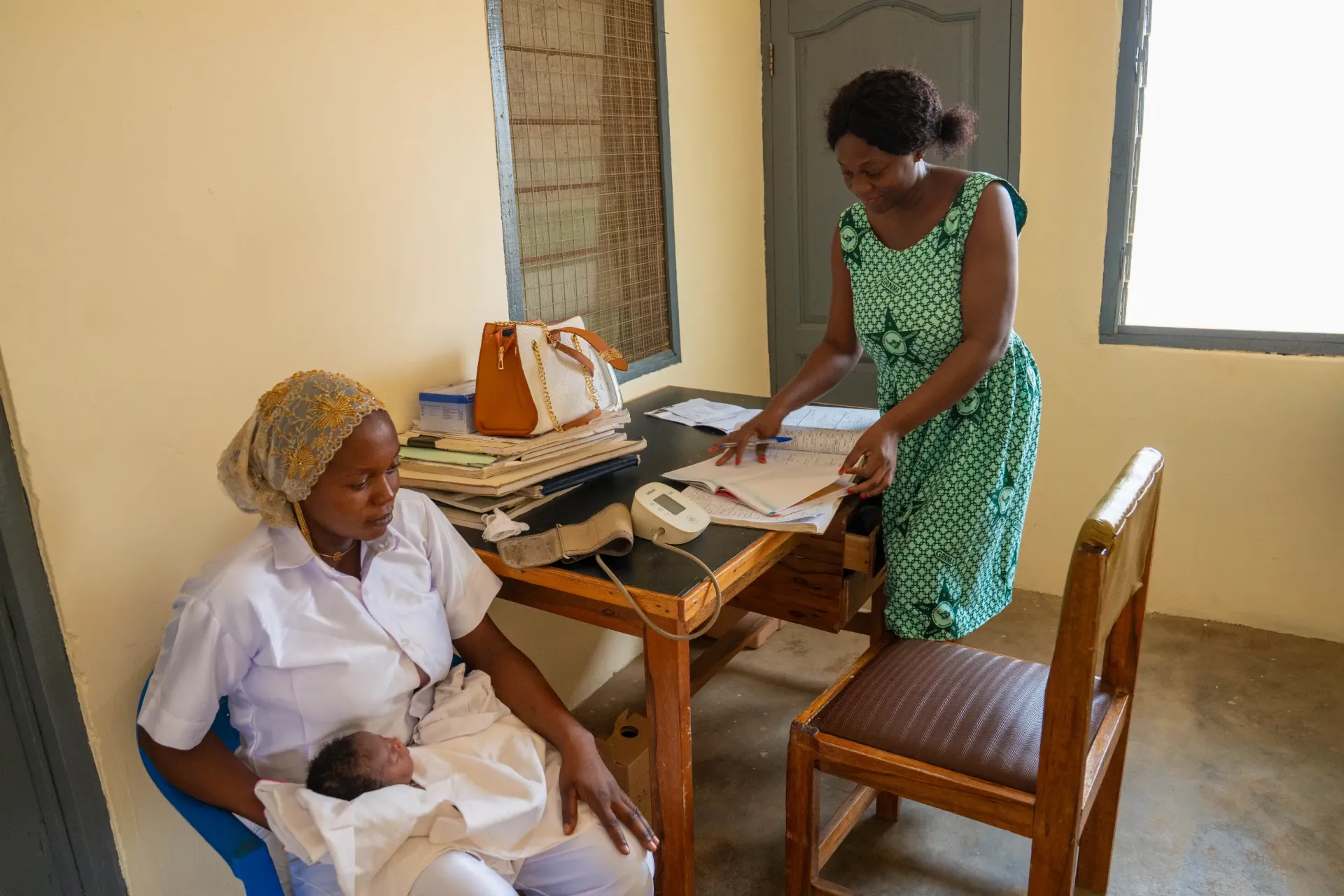
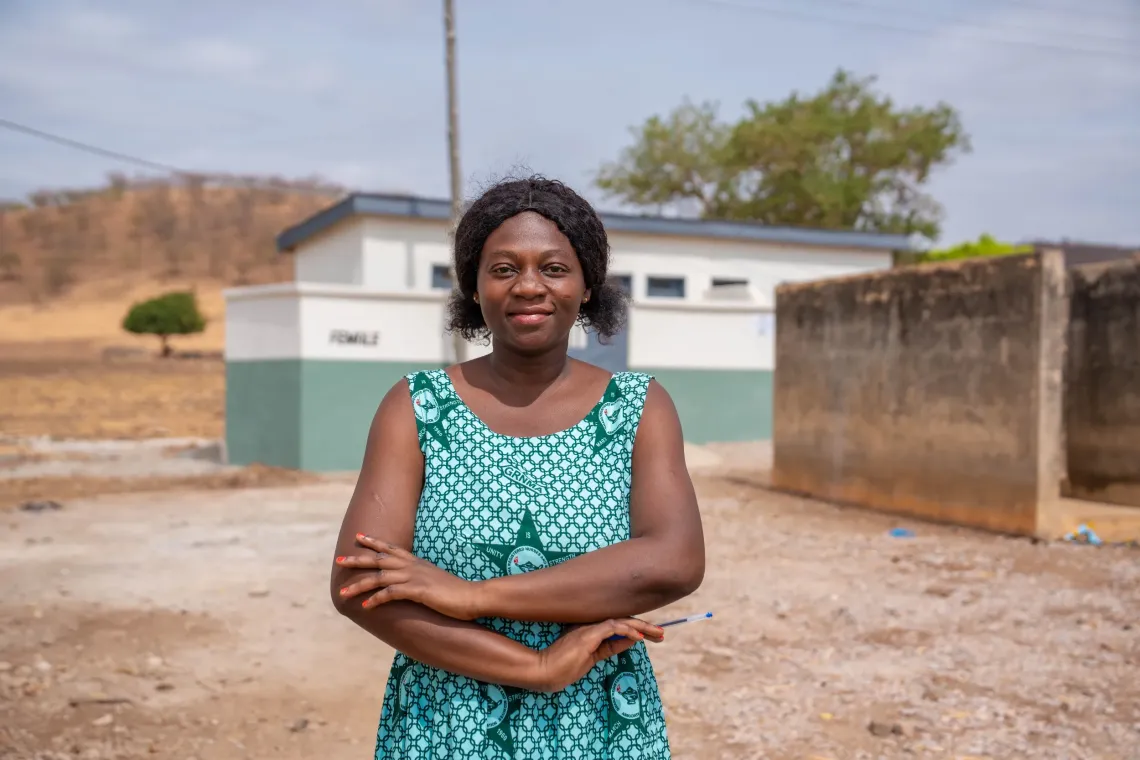
At Widnaba Health Center, two buildings stand in quiet contrast. One is an older brown structure, a testament to years of service under difficult constraints; the other is a modern green-and-white block. Between them stands Bernice Alatia Bawa, a midwife whose four years of service have been defined by a tireless commitment to the women of the Tilli-Widnaba subdistrict.
For Bernice, the new building isn't just about improved infrastructure; it’s about the standard of care that the women of Bawku West deserve.
Previously, the maternity ward consisted of a single room with a single bed and no internal washroom. This layout forced women in the middle of labor to leave the safety of the ward to access basic sanitation. It was a setup that challenged their comfort and, more importantly, their privacy during one of the most vulnerable moments of their lives.
“Initially, we had a few challenges with our maternity room and service delivery,” Bernice recalls. “It slowed things down, and infection prevention was not as strong as it should have been.”
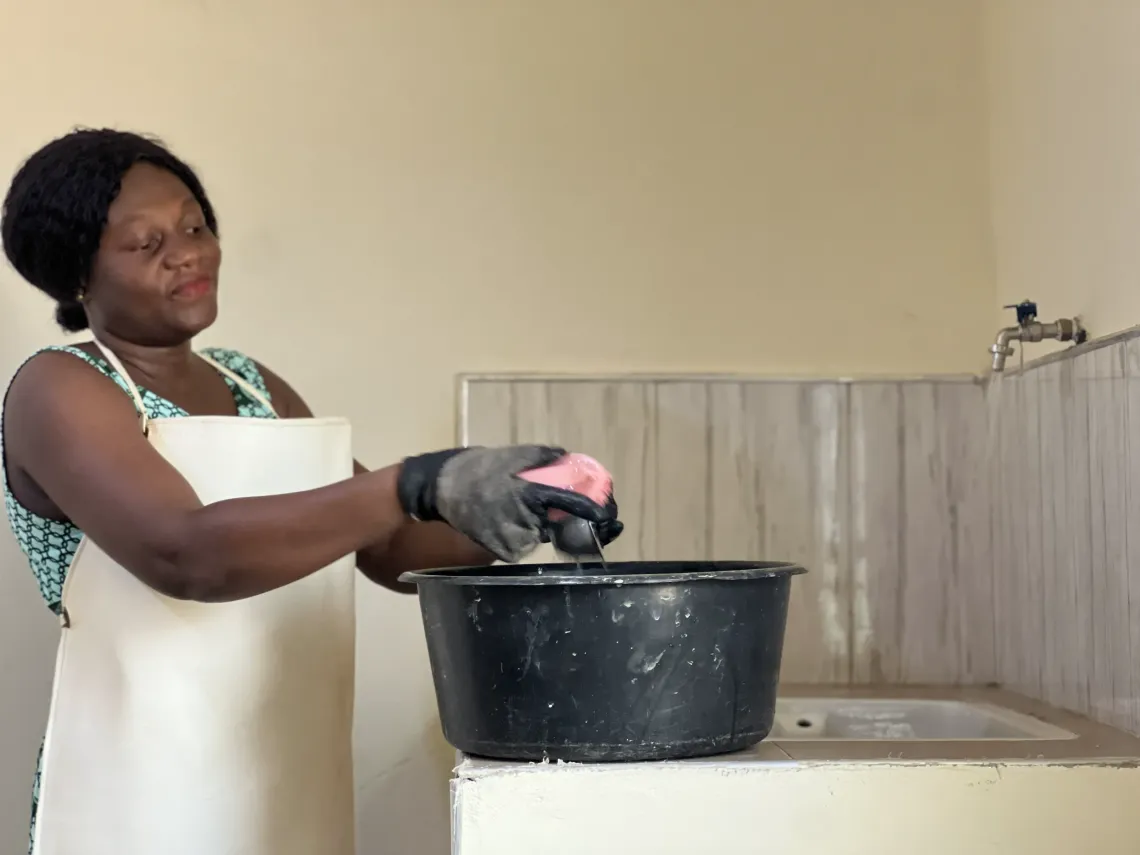
For a woman in labor, even a short walk is an immense physical burden. Without indoor facilities, many were forced to navigate the compound in pain or rely on personal chamber pots, an unhygienic and undignified compromise. These gaps created avoidable risks for both mother and child, making it difficult for Bernice and her colleagues to maintain the clinical standards they knew their patients deserved.
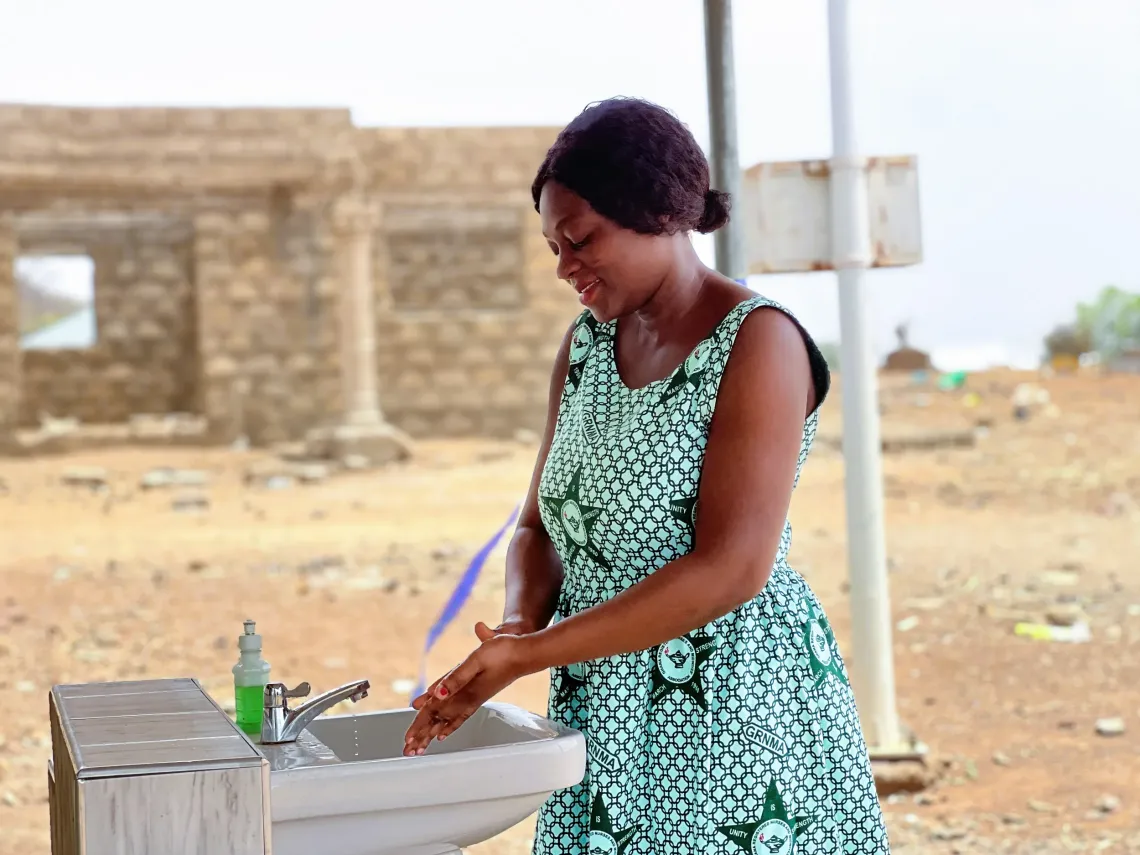
A New Chapter in Care Today, that narrative has shifted. The health center has been upgraded with a modern water closet and shower unit directly within the maternity ward. Additionally, new handwashing basins have been installed at every point of care, empowering the medical staff to maintain rigorous hygiene and infection control.
Now, a mother can remain within a safe, private environment from the moment she arrives until the moment she holds her newborn.
“The women themselves are really happy… and as a midwife, I’m also really, really excited because it has made my work easier,” Bernice says. The improvement has allowed her team to focus entirely on the clinical and emotional needs of their patients.
While the two buildings still stand side by side, they represent a journey of progress. Widnaba Health Center has moved from a place of limited resources to a facility where safer births, restored privacy, and professional excellence are the standard.
The improvements at Widnaba Health Center were made possible through the "CHPS Plus" partnership between the European Union and UNICEF Ghana, in collaboration with the Ghana Health Service, aimed at strengthening primary healthcare and maternal and newborn outcomes across the region.