Empowering the Frontlines:Scaling Health Leadership in Northern Ghana
How professional training and precision resources are transforming community nutrition and restoring family trust.

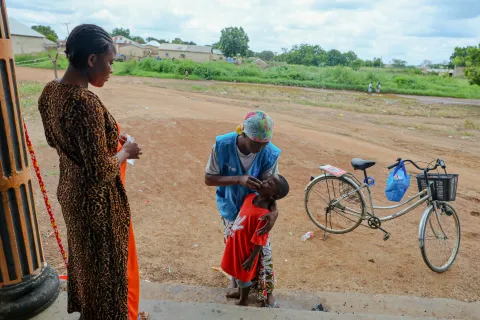
In the northern regions of Ghana, health workers are the primary shield against food insecurity. In a region that hosts nearly half of the country’s food-insecure population, a challenge intensified by families seeking refuge from neighboring Burkina Faso, the expertise of local professionals is more vital than ever.
"Previously, we were limited in following standard protocols, such as measuring weighing scales and height or length to assess a child's growth," says District Nutrition Officer Nana KuduomMensah. "But within one week of receiving the right tools, we identified 23 children who needed support. Today, they are all receiving care. For us, this is more than data, it is the difference between despair and hope.”
Strengthening Professional Care
According to the 2017 Ghana Demographic Health Survey, one in five children lacks essential micronutrients due to limited dietary diversity. Addressing this requires more than just food; it requires a robust health system.
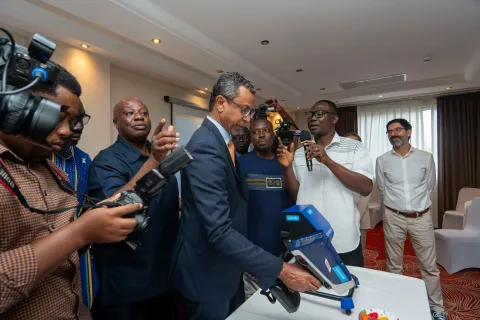
Previously, a lack of height boards, reliable scales, and essential medicines forced frontline workers to make difficult decisions. Today, that gap is closing. With new supplies, including mid-height boards, weighing scales, upper arm circumference (MUAC) tapes, therapeutic supplements, and specialized training nutrition officers and midwives are leading the charge. They are now conducting intensive counseling, demonstrating feeding techniques, and managing care with professional ease.


Rebuilding Community Trust
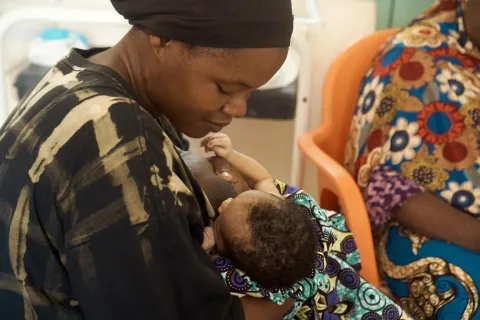
The true success of these tools is measured by the return of mothers to the clinics. When growth is tracked with precision, trust in the local health system is restored. Families now see their clinics as centers of excellence where their children's progress is monitored with care.
"Now, we can guide mothers with the knowledge they deserve," Mensah reflects. "That makes all the difference."
This initiative is more than a temporary intervention; it is about laying a foundation of resilience. What began as a need for better measurement has grown into a movement where mothers trust again and frontline workers are fully empowered to protect their communities.
This work is supported by the French Assistance Programme in partnership with UNICEF, dedicated to strengthening health systems and restoring dignity through local solidarity.