Beyond the Stigma: A Second Chance for Ashanti’s Young Mothers
From shame to strength: The "school without desks" empowering adolescent moms
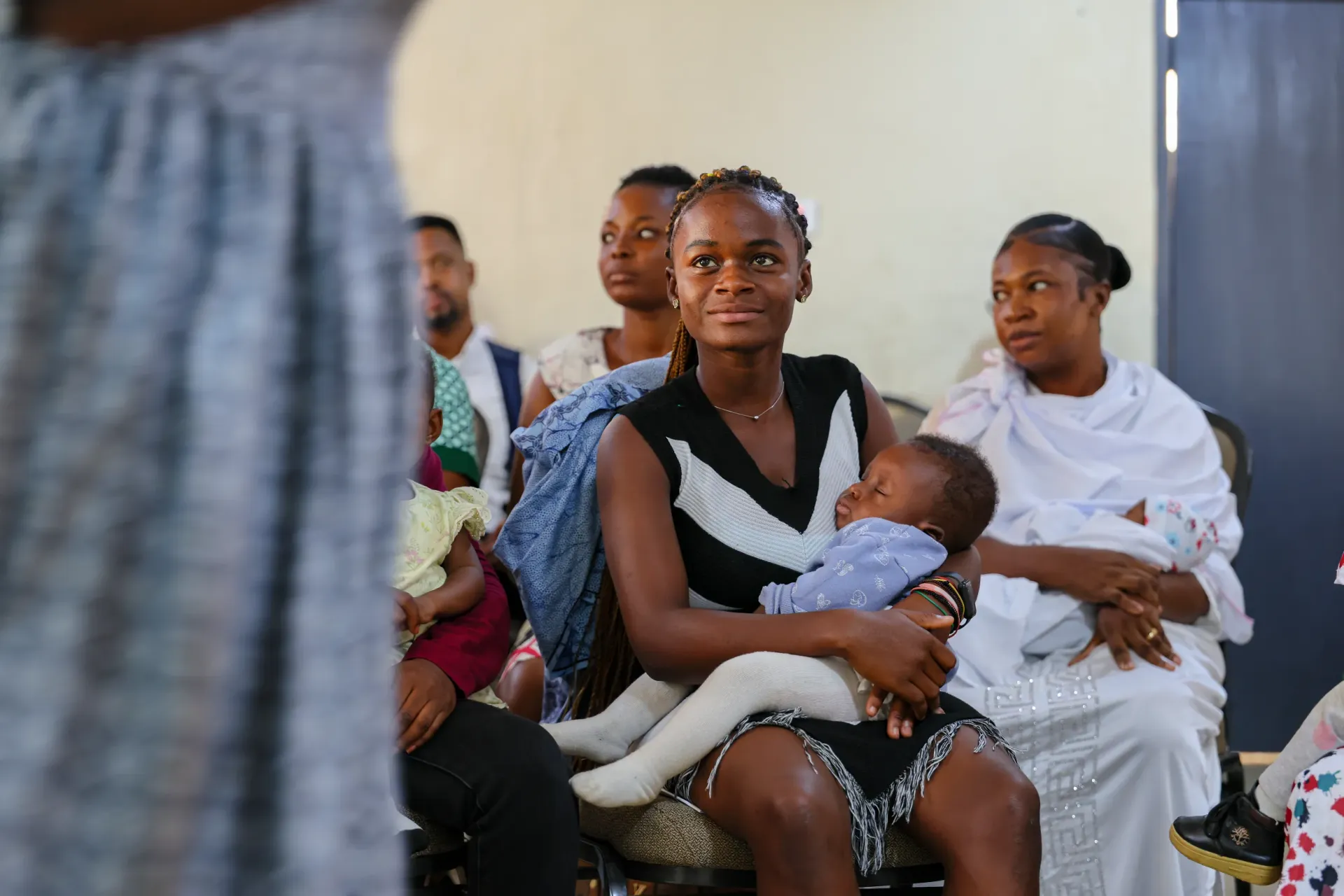
On the last Wednesday of every month, when I dress up, strap my baby on my back, and tell people I’m going to school, I’m often met with looks of surprise. Many people cannot understand how a young adolescent mother like me can have a baby and still be talking about school. What they don’t know is that my “school” is not the classroom they imagine.
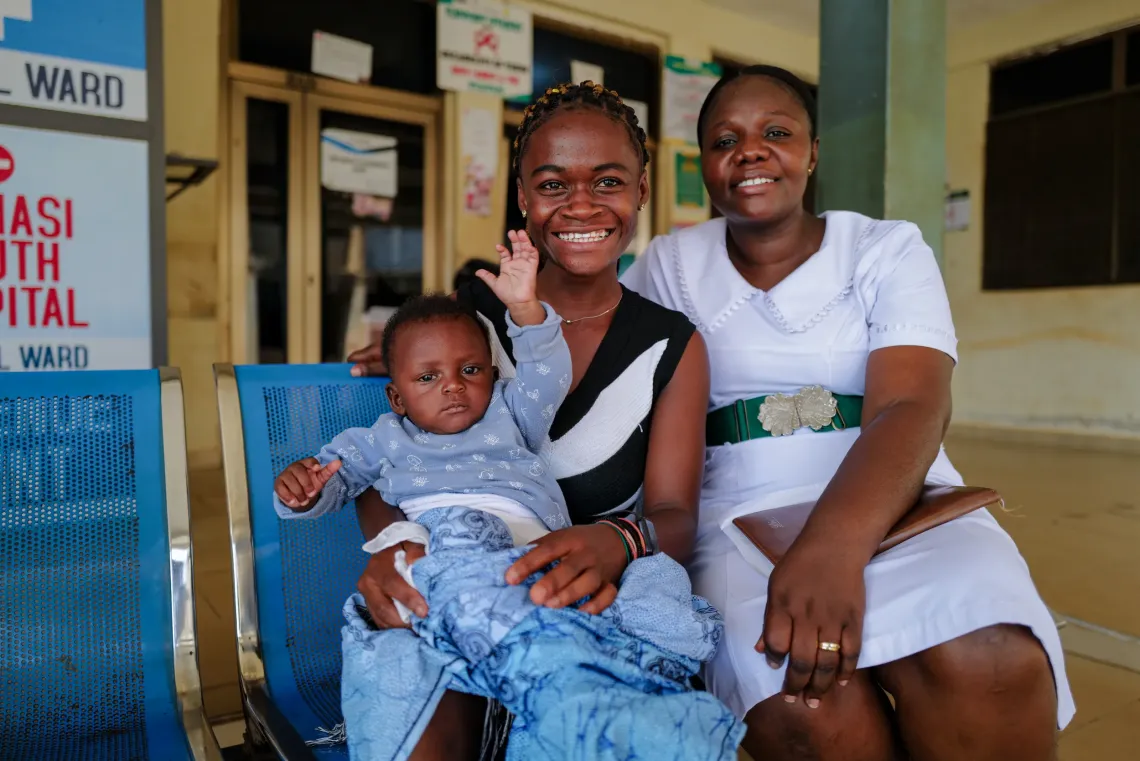
My school is at the Ashanti Regional Hospital, a place where I learn, heal, and grow as a young mother.
My name is Josephine, and I became a mother at the age of 18. Life after childbirth was overwhelming. I was not prepared emotionally, financially, or mentally. When my mother first found out I was pregnant, she was disappointed, and for most of my pregnancy, I carried not only a child, but also shame, fear, and loneliness.
Everything began to change when I started attending antenatal care at the Ashanti Regional Hospital. The midwives and nurses did not judge me. Instead, they encouraged me, educated me, and supported me through a period of my life that felt impossible to survive.
During one of my antenatal visits, I heard about the New Mothers and Adolescent Mothers (NAM) School which UNICEF is piloting in the hospital I attended antenatal clinic. I had never heard of anything like it. Unsure of what to expect, I went home and shared what I had learned with my mother. After my baby was born and it became clear that neither of us had the experience or capacity to manage everything on our own, I decided to attend my first Wednesday session.
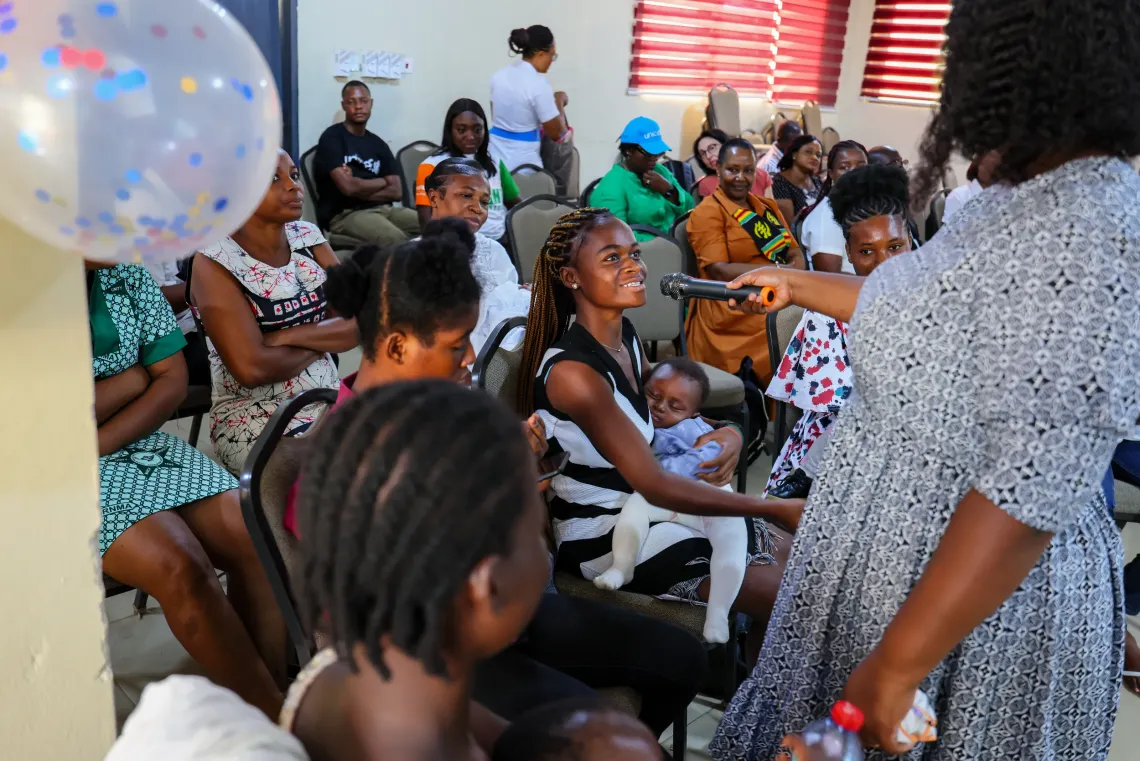
That decision changed my life.
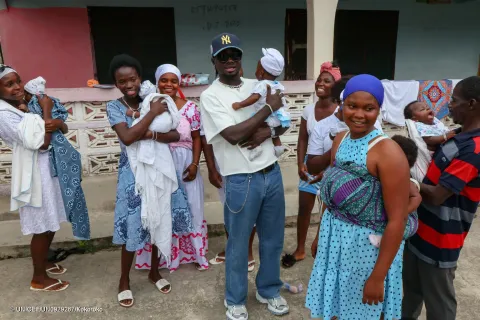
Every last Wednesday of the month, I join other young mothers at the hospital — girls who understand my fears, my struggles, and my hopes without needing explanations. We share our stories, our pain, our questions, and our small victories. In that space, we lift one another up.
Through the New Mothers and Adolescent Mothers School, I have learned things I did not even know I needed to learn, such as proper breastfeeding practices, hygiene, early childhood development, and how to create a safe and nurturing environment for my child. The midwives and community health nurses take their time with us. They teach with patience, kindness, and genuine care -never rushing, never judging.
What has touched me most is the sense of sisterhood I have found. We are all young, often scared, and unsure of what the future holds. But together, we give each other strength and hope. This community has reminded me that I am not alone, and that both my child and I deserve a better future.
Because of the encouragement and support I received through this program, I was able to return to school and recently sat for my Basic Education Certificate Examination (BECE). I am now waiting for my results and hoping to continue to senior high school.
When I look back on my journey, the fear, the judgment, and the heavy responsibility of becoming a mother so young, I am amazed at how far I have come. I owe so much to the midwives, community health nurses, and fellow young mothers at the Newborn and Adolescent Mothers School.
They have helped shape me into a more confident, informed, and determined mother.
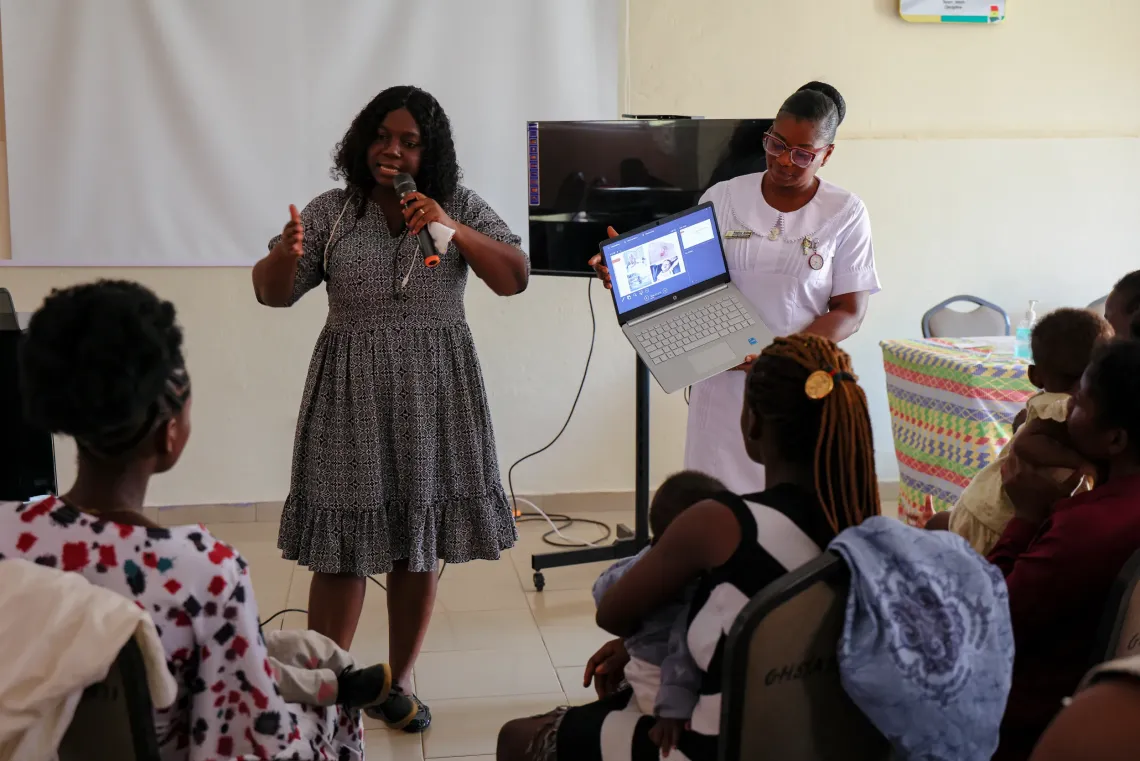
This “school” may not have blackboards or desks, but it has taught me some of the most important lessons of my life. Because of it, I now believe that motherhood does not have to mean the end of my dreams. I can raise my child in a safe and loving environment — and still build a future for myself. But my advice to other young girls is to avoid situations that could lead them here at a young age, as I did.
I hope this innovation grows beyond my community and reachesmore adolescent mothers across Ghana, so that young parents like me can have a second chance not just at parenting, but at life itself.
Ghana's adolescent pregnancy rate has stagnated at 15.2 percent (GDHS, 2022), with Ashanti Region recording up to 23.9 percent (GDHS, 2022). Nationwide, the adolescent maternal mortality rate is 111/100000 live births.
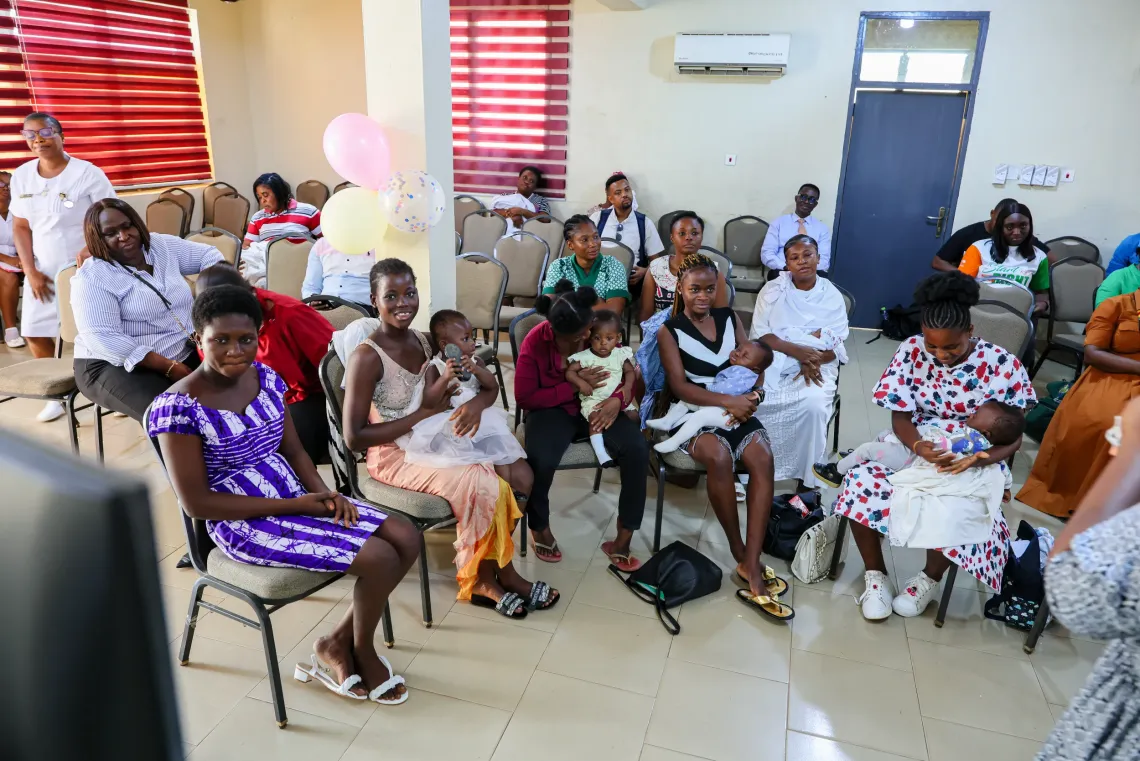
The New Mothers and Adolescent Mothers School
The New Mothers and Adolescent Mothers School in the Ashanti Region is the first of an Adolescent Parenting Support innovation developed by UNICEF in 2025, under the leadership of the Ghana Health Service, with support from Global Affairs Canada and implemented as part of the Health Systems Innovation Strengthening Initiative in the Ashanti Region. The programme works through midwives and community health nurses that support adolescent mothers and their partners to care for themselves and their newborns.
In-school adolescent mothers are empowered to return to school, while out-of-school adolescent mothers are supported in acquiring vocational skills.
The programme also creates safe spaces for adolescents to make guided after-pregnancy plans for education and family planning, prevent sexually transmitted infections, including HIV, and address harmful cultural and social practices. Notably, the forum also tackles issues of gender-based violence and violence against children, engaging parents and community members as part of the solution.
Through this, UNICEF is helping reduce multiple unwanted pregnancies, provide child protection, and social protection support for the adolescent mother and her child. Following the pilot, this will be adopted for the national scale-up. To ensure that every adolescent mother has a second chance.