One Girl, Many Pathways: A Multisectoral Approach to Empowering Adolescent Girls in Ghana
How integrated services are working together to help girls stay healthy, continue learning, build skills and shape their futures.

In every community across Ghana, girls are charting their own paths through adolescence, overcoming obstacles as they pursue their dreams. Their journeys may differ, but one reality remains constant: no single intervention can address the complex challenges they face. Supporting girls to thrive requires coordinated action across multiple sectors, creating pathways that allow them to learn, stay healthy, remain protected and build a brighter future.
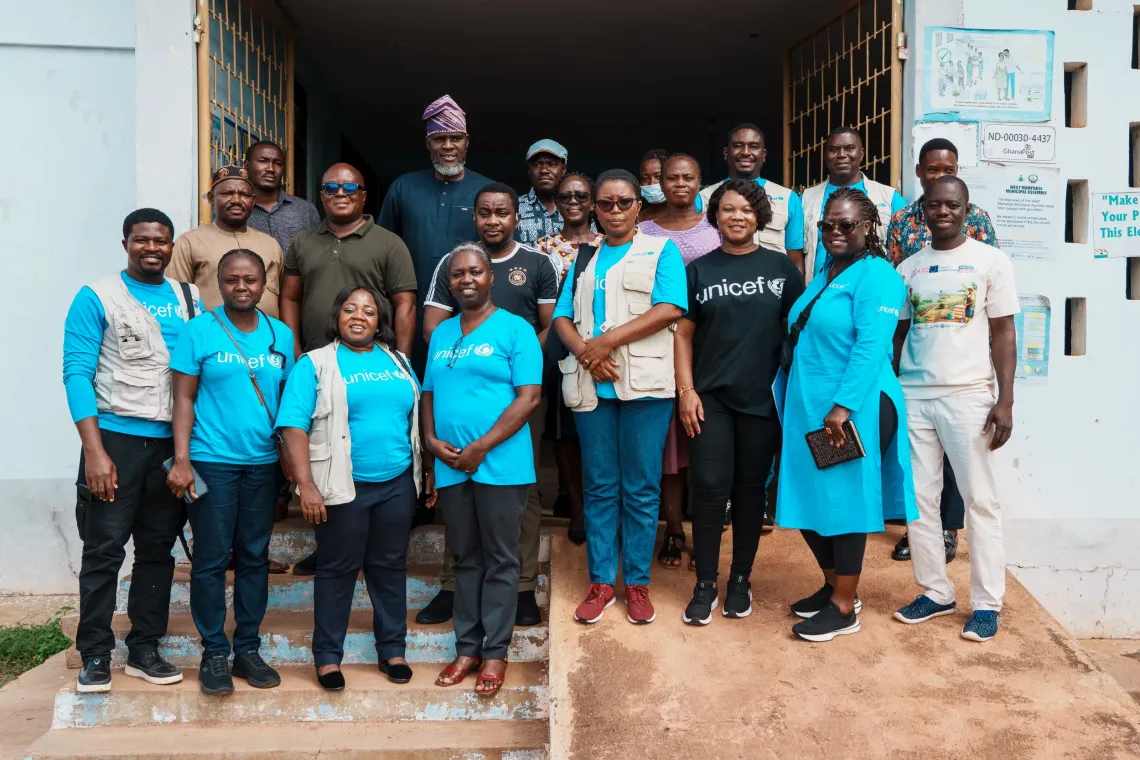
A recent UNICEF programme-learning mission to West Mamprusi Municipality and Bunkpurugu-Nakpanduri District in the North East Region demonstrated how this multisectoral model is working in practice. Led by UNICEF’s AGP Phase II Programme Coordinator, Irene Connie Tumwebaze, the mission brought together colleagues from across UNICEF programme sections to engage with district authorities, frontline service providers, community leaders, youth groups and adolescent girls.
The UNICEF–UNFPA Adolescent Girls’ Programme (AGP) Phase II, funded by Global Affairs Canada, is advancing an integrated approach to improving the wellbeing, empowerment and opportunities of adolescent girls across Ghana’s Ashanti, Eastern, North East and Volta Regions. The programme brings together health, nutrition, education, child protection, WASH, social protection, skills development, gender equality and social and behaviour change to address the interconnected barriers that prevent girls from realising their full potential.
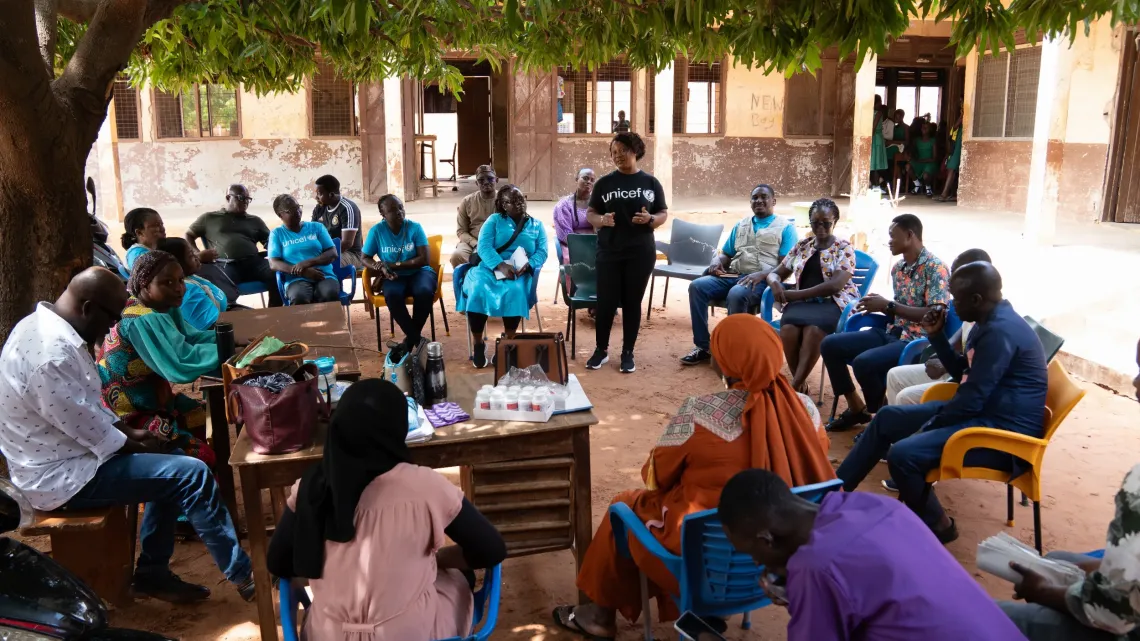
The mission provided an opportunity to assess progress, understand implementation challenges and identify ways to strengthen programme results. The team visited schools, health facilities, communities and youth platforms to observe the AGP-supported interventions. These included the Girls’ Iron–Folic Acid Supplementation Programme, adolescent-friendly health services, the Local Economic Participation and Integration Programme, social protection and Safety Net interventions, child protection mechanisms, and community engagement initiatives.
The visits showed how the programme is strengthening district systems to deliver more coordinated and adolescent-responsive services. Strong local ownership is central to this progress. District authorities, teachers, health professionals, social welfare officers, community leaders and youth groups demonstrated a shared understanding of the challenges facing adolescent girls and a clear commitment to addressing them. Their leadership helps ensure that programme interventions respond to local realities, are integrated into district systems and can be sustained over time.
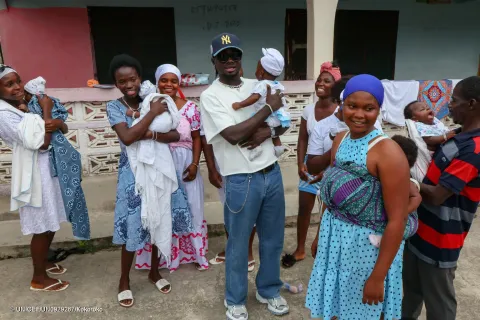
The engagement also created space for adolescent girls, including pregnant girls and young mothers, to share their experiences directly. Hearing from them demonstrated remarkable resilience while reinforcing the urgent need to prevent adolescent pregnancy, one of the most significant barriers to girls’ education, health, protection and future opportunities. Many young mothers expressed determination to continue their education, acquire skills and build better lives for themselves and their children. However, their stories also highlighted the consequences of early pregnancy, including interrupted education, limited livelihood opportunities, financial hardship, stigma and increased vulnerability to violence and exploitation.
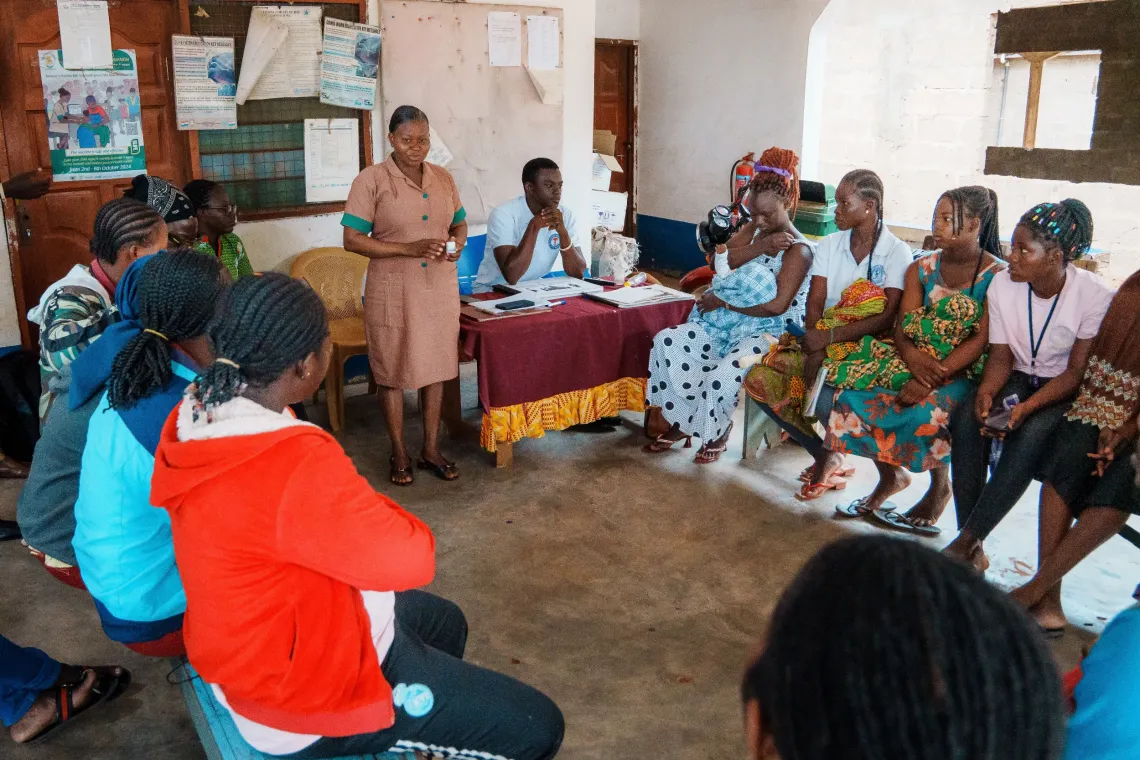
Through the Local Economic Participation and Integration Programme (LEPIP) and complementary social protection interventions, vulnerable girls and young women are accessing skills development, livelihood assistance, financial support and referrals to essential services. These opportunities build resilience and create pathways towards economic independence, reducing vulnerabilities that may expose girls to exploitation, transactional relationships and other harmful coping strategies.
Despite encouraging progress, persistent barriers remain. These include adolescent pregnancy, school dropout, migration, child labour, menstrual poverty, transactional relationships and limited household resources. Misconceptions about iron–folic acid supplementation also affect uptake in some communities. Identification requirements, delayed social protection payments, age-related eligibility restrictions and weak referral systems can further prevent vulnerable adolescents from receiving timely support.
The mission reinforced the importance of sustained community engagement and social and behaviour change. Girls cannot overcome structural barriers alone. Families, boys and men, schools, service providers and community leaders all have a role in challenging harmful norms and supporting girls’ health, education, safety and empowerment.
The North East Region experience confirms that sustainable results for adolescent girls require coordinated action across sectors. A girl who receives nutrition support, remains in school, accesses responsive health services, benefits from social protection, develops relevant skills and is protected from violence is better positioned to exercise her rights and achieve her aspirations.
By connecting services around girls, strengthening district systems and promoting local ownership, AGP Phase II is helping adolescent girls stay healthy, continue learning, build resilience and transition safely into adulthood. When girls are placed at the centre and sectors work together, the results strengthen not only individual girls, but also their families, communities and Ghana’s future.