5 Things You Need to Know About World Environment Day in Ghana
This World Environment Day, UNICEF Ghana highlights the dangers of environmental pollution and climate change for children and young people. Learn 5 key actions to create a healthier future for Ghana's children and youth.

This World Environment Day, themed "Land restoration, desertification, and drought resilience," UNICEF Ghana sheds light on the pressing issue of environmental protection for the well-being of Ghana's future generation. While environmental pollution and climate change threaten everyone, children and young people are especially vulnerable and bear the brunt of environmental pollution. Their developing bodies are less equipped to fight off harmful toxins and diseases caused by a polluted environment.
Here are 5 key points to remember:
- Air pollution is a major health threat: Smoke from car exhausts, industries, burning waste, and cooking with firewood pollutes the air, causing respiratory problems like asthma and even premature death.
- Improper waste management harms children: Burning electronic waste releases dangerous chemicals, and pollution from unregulated mining contaminates water and food sources. These toxins can damage children's developing bodies.
- Poor sanitation leads to illness: Unsanitary conditions and contaminated water sources pose a significant health risk for children, causing infections and water-borne diseases.
- Climate change brings extreme weather: Rising temperatures and floods linked to climate change can lead to heatstroke, waterborne illnesses, and other weather-related diseases.
- Everyone has a role to play: The government can enforce regulations, civil society can promote environmental practices, caregivers can protect children, and young people can be agents of change in their communities.

What is UNICEF Ghana doing?
Through the "Healthy Environment for Healthy Children" program, UNICEF Ghana is working alongside the government and other stakeholders to address these challenges with a focus on:
- Mobilizing collective action for change
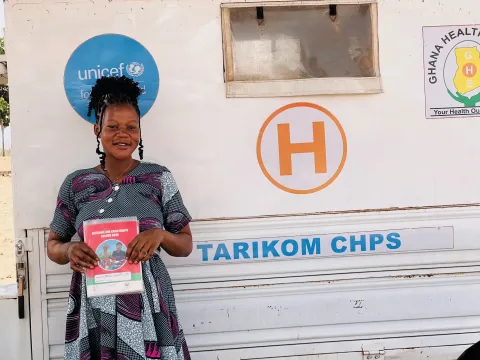
- Enhancing primary healthcare to better serve children's needs
- Building resilience in healthcare facilities to withstand extreme weather events
- Integrating climate and environmental education into schools to empower future generations
- Empowering children and young people to be environmental champions
Stronger Together
Together we can make a difference and can create a healthier future for all children. Here's how you can take action:
- Advocate for clean air policies
- Educate yourself and your community about environmental health
- Support organizations working to protect children from environmental threats
We are grateful for the continued partnership with the Ministry of Health, Ghana Health Service, Environmental Protection Agency, Department of Factories Inspectorate, Pediatric Society of Ghana, and all NGOs and other agencies.
Special thanks to our key partner Clarios foundation.
Here are some highlights of our collaborative efforts:
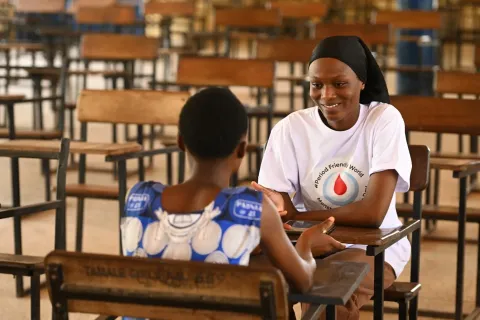
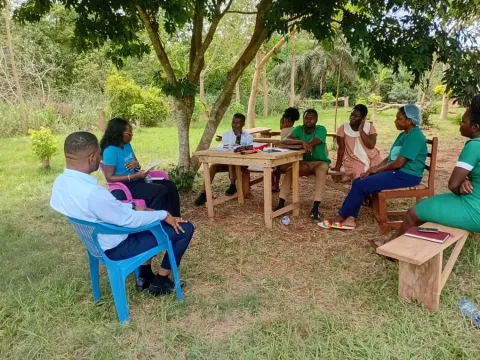
- Training health workers to educate pregnant women, mothers, and schoolchildren on the health risks of pollution and climate change, especially for children.
- Supporting the development of legislation to limit lead content in paints. This protects children's health as lead-based paints are a major source of lead exposure.
- Collaborating with partners to develop a National Declaration document on Reducing Lead Pollution in Ghana.
Let's continue working together to create a healthier, more sustainable future for Ghana's children. For every child, a clean environment!