UNICEF Ghana Representative Reaches Remote Senafukope, Bumpata Sidikope and Kpatalizdzakope, Island Communities in Ghana's Eastern Region to Discuss Child Vulnerabilities.
UNICEF Ghana visits Ghana's Eastern Region Island Communities to Address Child Vulnerabilities.
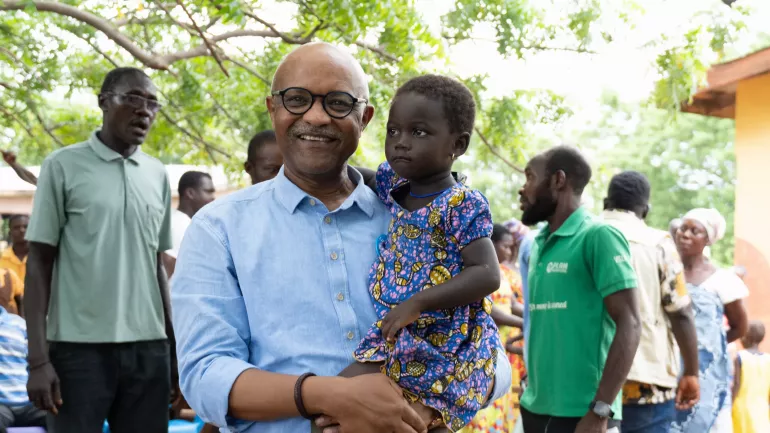
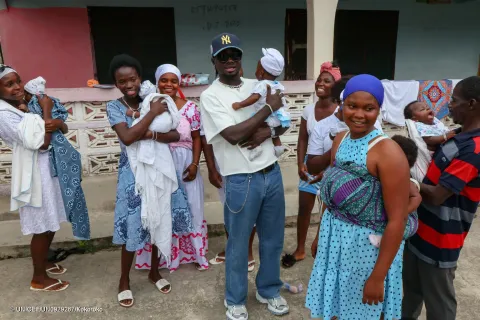
AFRAM PLAINS, GHANA – 1 July 2025 – UNICEF Ghana Representative Osama Makkawi Khogali has concluded a week-long visit to four remote island communities in the Afram Plains North and South districts in Ghana's Eastern Region. This marks the first time a head of a development organization in Ghana has undertaken such an extensive and direct engagement with hard-to-reach communities in the Afram Palins North and South districts.
From June 22nd to 28th, Mr. Khogali travelled by ferry, canoe, and motor bicycle engaging directly with residents in Bumpata, Ekyiamenfrom, two communities in Kwahu Afram Plains South, and the remote fishing village of Kpatalidza and Senafukope in Kwahu Afram Plains North.
The objective of the visit was to gain understanding of the pressing challenges impacting children in these communities, including significant barriers to birth registration, access to education, health, and adolescent and child protection issues.
“UNICEF’s presence in these remote communities reaffirm our core principle to protect and promote the rights of every child irrespective of where they live however isolated" stated Mr. Osama Makkawi Khogali, UNICEF Ghana Representative
"Understanding the unique barriers children face in accessing quality education and essential health services to addressing concerns around adolescent pregnancy and birth registration is crucial for tailoring our support effectively. This visit strengthens our resolve to ensure that no child in Ghana is left behind."
During his visit, Mr. Khogali held constructive dialogues with the Regional Coordinating Council and District Chief Executives, community members and their leaders, teachers, health workers, and religious leaders. Key discussions centered on:
- Challenges hindering birth registration
- Barriers to accessing quality education.
- Availability of essential health commodities.
- Adolescent pregnancy
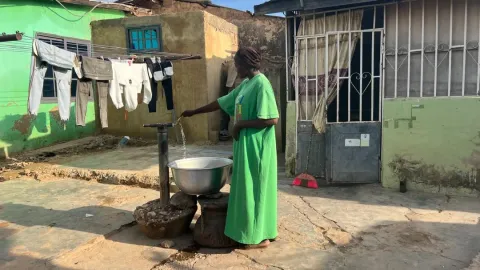
Key findings from the visit and engagement revealed that inadequate water supply, health facilities and difficult access to education in the area caused children to trek long distances to access these facilities. Furthermore, this poor access was a direct cause of the high attrition of key workers who deliver key services resulting in adverse results in education, health and birth registration. Noted also on the visit was that weak implementation of birth registration protocols and the charges associated with children over 12 months are major drawbacks to achieving universal birth registration.
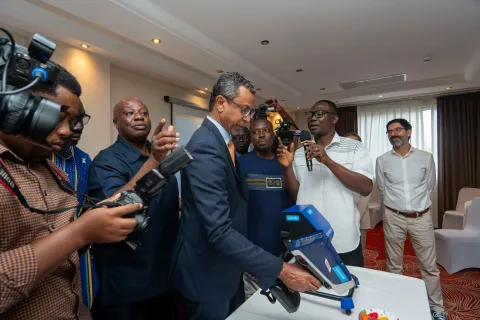
Strategic engagements were held with the Regional and District Health Directorates to assess the availability of basic health supplies.
This visit is a direct reflection of UNICEF's dedication alongside the Government of Ghana and partners to reach marginalized communities across Ghana, ensuring every child has the opportunity to survive, thrive, and reach their full potential.
EDITOR'S NOTE:
The Eastern Region, while showing progress in some health indicators, continues to present significant challenges for child well-being, particularly in its rural and hard-to-reach areas.
- Birth Registration: A significant hurdle exists in rural areas, with 73 percent of residential clusters lacking health facilities, which are often the primary points for birth registration. This directly impacts a child's legal identity and access to essential services.
- Education: The 2021 Population and Housing Census (PHC) reveals that over 70 percent of residential clusters in rural areas lack basic education facilities. This significant lack of access contributes to lower school attendance and retention rates, disproportionately affecting girls.
- Health and Nutrition: Despite improvements in maternal and neonatal mortality rates (maternal mortality declining from 146.1 to 112.1 deaths per 100,000 live births between 2020 and 2021; neonatal mortality decreasing from 8.2 to 6.7 per 1,000 live births in the same period), malnutrition remains a concern. A study in the Denkyembour District highlighted that 15.2 percent of school-going children suffered from thinness, and 17.8 percent experienced stunting, influenced by parental education levels and household food insecurity.
Media contacts
About UNICEF
UNICEF works in some of the world’s toughest places, to reach the world’s most disadvantaged children. Across more than 190 countries and territories, we work for every child, everywhere, to build a better world for everyone. For more information about UNICEF and its work, visit: www.unicef.org