Lead Poisoning Threat: UNICEF and FDA Study Reveals Hidden Danger in Everyday Items for Ghana’s Children
UNICEF and the Food and Drug Authority recent study reveal widespread contamination in everyday products – posing serious risks particularly to children and pregnant women

Accra, Ghana, 9 October 2025 – Children in Ghana are unknowingly being exposed to a toxic threat – lead, a heavy metal that can cause irreversible damage to their health and development. A recent study commissioned by UNICEF and undertaken by the Food and Drug Authority (FDA) has revealed widespread sources of lead exposure in food and consumer items, raising serious public health concerns.
Lead is a naturally occurring metal used in products such as batteries, paints, ceramics and cosmetics. Despite its industrial utility, lead is highly toxic, especially to children, pregnant women, and women of childbearing age. When absorbed into the body, even in small amounts, lead can cause irreversible damage to the brain, impair development, reduce intelligence quotient (IQ), and cause long-term behavioral and learning difficulties. Lead causes multiple organ damage, exerting its effects through to adulthood. There are no safe levels of lead in the body.
The FDA study sampled products from all sixteen regions of Ghana and identified several alarming sources of lead exposure:
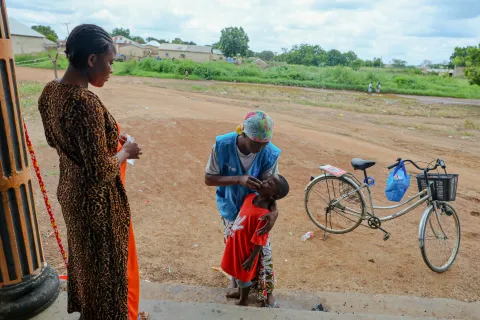
- Traditional eyeliner also known as Kaji kaji, or kholi, is often used by mothers to supposedly brighten the eyes of their children. About 80% of the samples tested contained dangerously high levels of lead with some more than tens of thousands above the permissible limits.
- White baked clay known locally as shire, ayilor and farinkasa. Consumed largely by pregnant women to ease nausea, 24.6% of samples were contaminated with lead with the Northeast and the Greater Accra regions showing the highest rates.
- Contaminated turmeric: Ground turmeric (powder) sampled from food markets showed that 42.09% of samples tested for high levels of lead- especially in the Greater Accra (84.52%), Central (75%), and Bono (60.5%) regions.
- Contaminated Cereals: corn-based cereal mix locally known as ‘Tom brown’ sampled from markets showed high contamination of lead in 4.4% of the samples, with most affected samples from the Eastern region.
- Old plumbing and cookware: Lead can leach into drinking water or be inhaled during cooking.
Health effects on children
- Cognitive and behavioral issues: Developmental delays, reduced attention span and learning difficulties
- Physical symptoms: Anaemia, vomiting, abdominal pain, poor growth, seizures, hearing loss, and others.
- Pregnancy complications: Anaemia, low birth weight, preterm birth, miscarriage and stillbirth.
Lead poisoning is preventable. The findings are a critical opportunity to initiate coordinated national action to safeguard children’s health.
UNICEF calls for immediate actions to:
- Raise Public Awareness: Educate caregivers about the hidden dangers in traditional cosmetics and foods.
- Strengthen Product Safety: Enhance regulation and enforcement to improve product safety standards.
- Promote Screening: Encourage routine screening for lead exposure, especially among vulnerable children and pregnant women.
UNICEF is committed to working with the Government of Ghana and partners to eliminate lead exposure and protect every child’s right to a healthy start in life.
Media contacts
About UNICEF
UNICEF works in some of the world’s toughest places, to reach the world’s most disadvantaged children. Across more than 190 countries and territories, we work for every child, everywhere, to build a better world for everyone. For more information about UNICEF and its work, visit: www.unicef.org