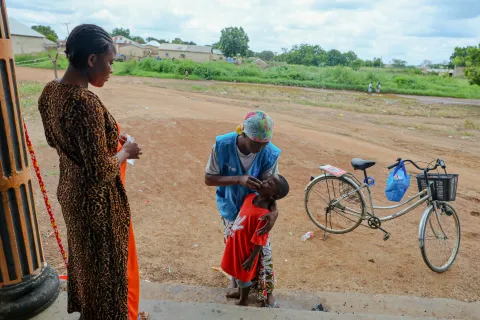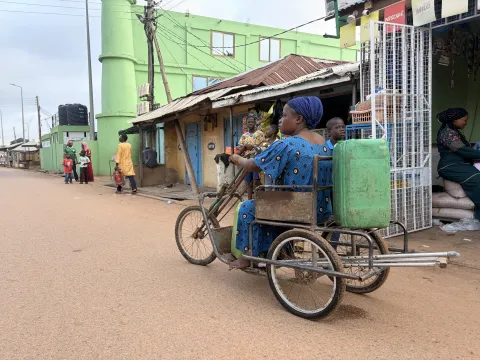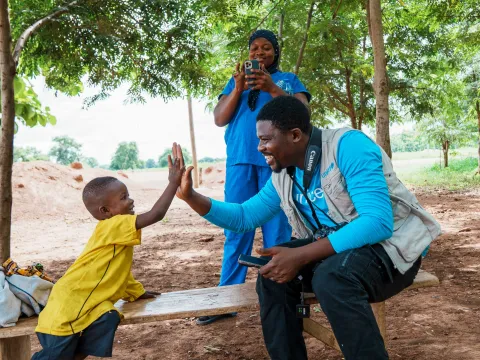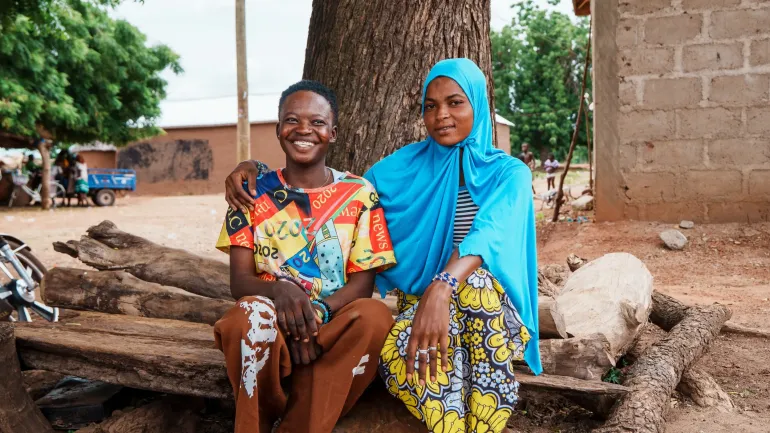
In Bugya Kura, in Ghana’s North East Region, adolescent girls gathered to learn and imagine futures that poverty, early pregnancy, child marriage and school dropout often threaten to cut short. Some had left school. Some were young mothers. Others faced adult responsibilities too soon. Yet each lesson carried a quiet promise: a girl’s future can still be protected before crisis becomes her only option.
The visit was part of a UNICEF programme-learning mission to West Mamprusi Municipal and Bunkpurugu-Nakpanduri District under the Adolescent Girls’ Programme (AGP) Phase II. It explored how integrated support is reaching girls where they live, learn and access services.
The Adolescent Girls Livelihood Empowerment and Productive Inclusion Programme, known as LEPIP, helps vulnerable out-of-school adolescent girls gain life, business and vocational skills, alongside mentoring, coaching and start-up support. Led by the Ministry of Local Government, Chieftaincy and Religious Affairs in collaboration with UNICEF Ghana and partners, and supported by Global Affairs Canada, LEPIP is delivered through local government and the decentralised system.
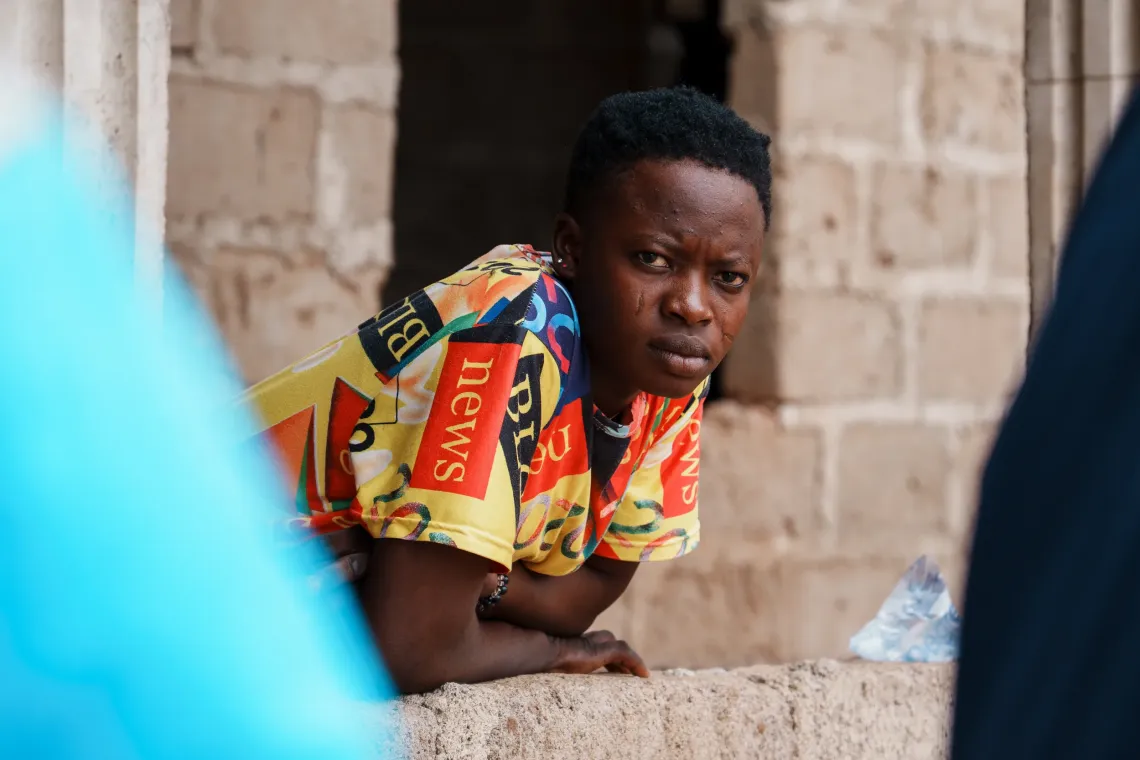
For many girls, LEPIP begins with a simple but powerful idea: being seen before they are left behind. It offers a pathway to skills, livelihoods and self-reliance, while helping girls protect their health, understand their rights and believe their lives can still move forward.
During the visit, the AGP team engaged adolescent girls undergoing life-skills training, which includes education on reproductive health, hygiene, civic rights, communication and gender-based violence. For girls who may have missed years of formal learning, the sessions were practical, accessible and connected to daily life.
“Before this training, I did not know that I could still learn and do something useful with my life. Now I feel I can try.”
The girls were not treated as statistics or problems to be solved. They were young people with agency, dreams and unfinished stories. In their questions and quiet determination, LEPIP’s purpose became clear: timely support can change the direction of a girl’s life before poverty, pregnancy or marriage closes too many doors.
LEPIP brings these interventions together by pairing practical training and start-up support with mentoring, service referrals, community engagement and social accountability. Through this approach, girls are connected to protection, case management, health insurance and nutrition services, while communities are engaged to help address teenage pregnancy, gender-based violence and child marriage.
The team also saw how LEPIP links with other AGP-supported interventions, including GIFTS, adolescent-friendly health services, Safety Net services and child protection. Together, they create entry points for information, referrals, protection and support.
The visit also showed that progress remains fragile. Girls still face poverty, menstrual health challenges, migration, child labour, harmful relationships and weak referral systems—daily pressures that can push them out of school, into pregnancy or into marriage before they are ready. That is why LEPIP matters. It shows how timely, coordinated support can keep girls connected to opportunity before hardship narrows their choices. For those already affected, it can also offer a route back to confidence, income and, for their children, safer decisions.
“I want to use the skills I will be learning to start something small for myself, so I can support my child and not depend on others for everything.”
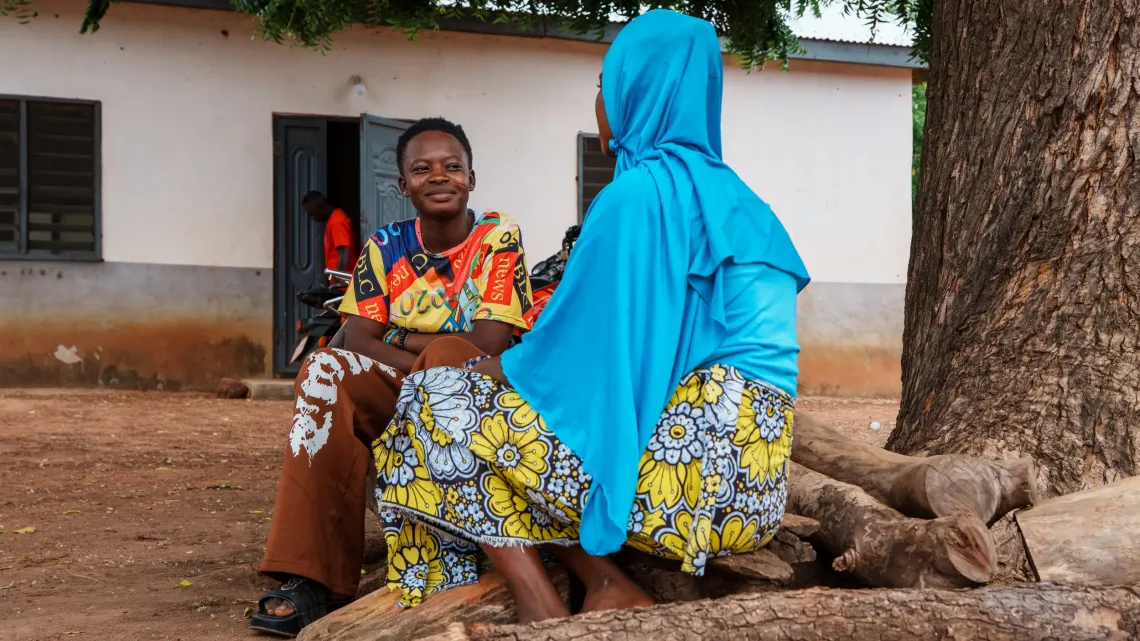
For partners, donors and supporters, the need is clear: investing in adolescent girls is prevention, protection and possibility. A grant can start a business. A skill can open a door. A mentor can help a girl keep going. A listening community can prevent another girl from reaching a crisis point.
In Bugya Kura, the girls are still at the beginning of their journey. But each lesson, question and moment of encouragement is a step away from crisis and a step closer to possibility. With sustained investment in skills, mentoring and protection, more girls can choose a future shaped not by hardship, but by hope.