Sunday, 29th September
It's 3:20 p.m. on Sunday, September 29th, and I'm ready to embark on a journey to Northern Ghana, where UNICEF and its partners are actively working to improve the lives of children and families. The group consists of journalists from various national media outlets, and we'll be meeting them in Tamale, the capital of the Northern Region. Our goal? To give the journalists a front-row seat to UNICEF's interventions in health and nutrition, allowing them to witness the powerful impact these programs have on some of the most vulnerable communities in the region.
As the plane taxied for takeoff, I felt the familiar flutter of nervousness. Despite having done this many times before, I always start these trips with a series of 'what ifs': What if the story doesn't resonate with the media? But I quickly reminded myself—UNICEF only intervenes where it's needed most, and our work always speaks for itself. Every effort we make is rooted in protecting and promoting the rights of every child. With that thought, I felt a wave of calm. I knew this trip would be no different—children's lives would be positively impacted, and the journalists would see it firsthand.
After a smooth 45-minute flight, we arrived in Tamale. Over the next five days, our Health and Nutrition team had meticulously planned an itinerary that would showcase UNICEF's work to the public through the journalists' reports. This coverage would reach over 5 million people via radio, television, online, and print media. And we had an international journalist joining us as well, adding even more reach to our mission.
What Will the Journalists See?

This journey will introduce the journalists to the life-changing work happening in Northern Ghana. They'll see firsthand how community involvement in healthcare is improving infant and young child feeding practices and reducing anemia in pregnant women. They'll witness the success of the Community-Based Management of Acute Malnutrition program, which is addressing severe malnutrition in children under five. The trip will also take us to Pishigu, a community that's making strides in reducing teenage pregnancies through the implementation of the Safety Net Programme.
Finally, the journalists will meet mothers who are coming together to support one another, sharing their experiences in health interventions, and breaking the stigma around seeking care for their undernourished children.
Our final stop will be at a basic school where children are being educated in creative ways about the importance of protein and a variety of fruits in their diets—small but essential changes to boost their immune systems and overall health.
Through the Eyes of the Journalists

The journalists were visibly affected by the number of malnourished children we saw at the Karaga Health Center, and they were amazed by the effectiveness of Ready-to-Use Therapeutic Food (RUTF), a nutrient-dense food that UNICEF has provided to the Ghana Health Service for years to treat malnourished children under five. As a UNICEF staff member, it was humbling to see the direct impact of our work, especially on children. In Ghana, around 18 percent of children under five are stunted due to chronic malnutrition, six percent suffer wasting and 1.2% from severe acute malnutrition (SAM), interventions like RUTF are crucial in addressing this crisis.
At the center, the journalists met 11-month-old Kamana, who had been brought to the clinic five weeks ago, weighing just 5.2 kilograms—well below the healthy weight for her age. Thanks to the RUTF, Kamana has gained 1.4 kilograms and is on her way to recovery, under the watchful eyes of community health nurses trained by UNICEF. Kamana's story reminded me of the resilience of the people we meet in our work. The media's interest in our interventions affirmed how vital these programs are—each child's survival and ability to thrive is what UNICEF is here for.
The Role of Communities in Maternal and Child Health

On October 2, we traveled two hours from the capital of the Upper East region to Pishigu, a community where teenage pregnancy rates were alarmingly high at 14 percent, above the national average of 9 percent. Even as a staff member, I'm continually amazed by the distances we travel on difficult roads to reach the farthest children with services. Partnerships with the Ghana Health Service make all this possible.
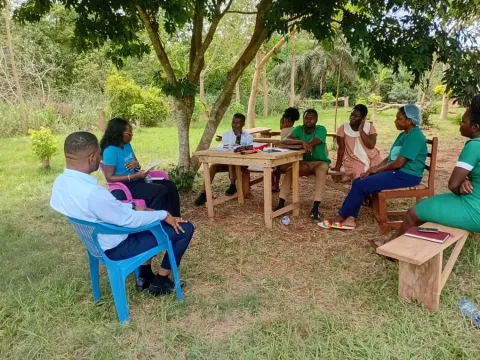
The journalists were impressed by how actively the community members were involved in reducing teenage pregnancies. Byelaws enacted by community leaders discourage behaviors that could lead to pregnancy, and the results are evident.
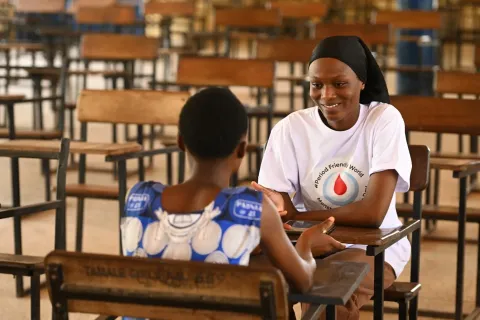
Since the Safety Net Programme began three years ago, the rate of teenage pregnancies has dropped from 4.3 percent in 2022 to 1.3 percent in 2023. In the first half of 2024, no teenage pregnancies have been reported. This program, initiated by the Ghana Health Service with UNICEF's support, offers a package of interventions that include safe spaces where girls can access antenatal services, counseling, and peer support. "This work is sustainable, and solution centered, I am impressed with the level of community engagement to ensure change in this community," remarked Maxwell Suuk, reflecting on the progress made in reducing teenage pregnancy rates.
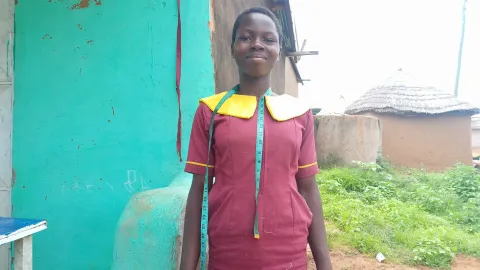
We met Latifa Salifu, who shared her story of becoming a mother at 15 and how the program helped her return to school. Now, two years later, she's still in school, determined to achieve her dream of becoming a nurse—something that rarely happens in her village.
A Little Encouragement Goes a Long Way

One of the most impactful moments came during our visit to Morris Brown Primary School, where the Nutrition-Friendly Initiative is helping improve dietary diversity in a community that typically eats high-energy, low-protein meals. The school has introduced "Egg and Fruit Days," where teachers educate children on the importance of nutrition through songs and interactive activities. We watched as the children enthusiastically enjoyed their fruit and protein snacks. It was heartwarming to see how such a simple initiative could have a lasting generational impact, as these children absorb the lessons on healthy eating.
There couldn't have been a more powerful way to create awareness of UNICEF's interventions than through the eyes of these journalists. Their stories will reach audiences across Ghana and beyond, shining a spotlight on the critical work being done to improve the lives of children and families.
For me, this journey has been filled with moments of pride—watching how UNICEF is making a tangible difference in countless lives and knowing that our work continues to give children the chance to survive, thrive, and dream of a better future.
UNICEF would like to thank the following donors for their generous support to reach children with critical needs to help them survive and thrive: The French Embassy and the Ministry of Europe and Foreign Affairs for the provision of Ready to Use Therapeutic Foods and the Global Affairs Canada for establishing adolescent corners and strengthening the health system to provide quality services for adolescent girls.