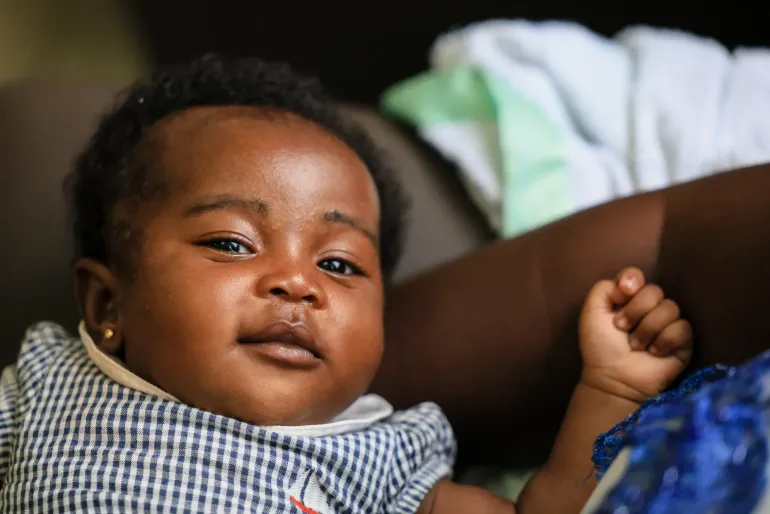
Every child's story begins with a first embrace. A first feed. A first chance to grow, thrive and reach their full potential. For millions of children, breastfeeding provides that foundation, delivering essential nutrition, protection against illness and an important start in life.
But behind every successful breastfeeding journey is something equally important: support! A partner who shares responsibilities. A health worker who offers guidance. An employer who creates space. A policy that gives parents time to care. Because breastfeeding does not happen in isolation. Mothers need support from families, health workers, employers, communities and working systems to succeed.
“When mothers receive the support they need to breastfeed, everyone benefits: babies, families, workplaces and communities.”
The People Behind the Support
Behind every breastfeeding journey is a story of encouragement, sacrifice, determination and care. As part of this year’s Breastfeeding campaign, UNICEF Ghana staff reflected on what made breastfeeding possible for themselves and their families and why supporting mothers matters for every child.
1. It takes a Family
Fathers and partners play a critical role in creating an environment where mothers can breastfeed successfully.
“Childbirth and breastfeeding place significant demands on mothers, making family support indispensable. UNICEF’s parental leave policy allowed me to be present, support my wife and bond with my child. Fathers and families have a powerful role to play in supporting mothers and children.”
2. When Workplaces Work for Families
Like many working mothers, Zulaiha faced the challenge of balancing work demands with caring for a young child. Her experience shows how flexible workplace policies and practical support can help mothers continue breastfeeding while remaining active in the workforce.
“When I returned to work, flexible working arrangements, access to a safe space for my baby, and opportunities for intermittent breastfeeding throughout the day made all the difference. These supports helped my child grow healthy and strong, while allowing me to continue contributing meaningfully at work.”

3. A Mother's Determination
Like many working mothers, Josephine balanced work demands with caring for her child. Her experience highlights how workplace support can make breastfeeding possible.
“Breastfeeding is both rewarding and challenging, and no mother should have to do it alone. Working at UNICEF made it possible for me to exclusively breastfeed my baby while continuing my work. Having my baby close by gave me peace of mind and reinforced how important breastfeeding-friendly workplaces, maternity leave and paternity leave are for families. When we support mothers, we give every child the healthiest start in life.”
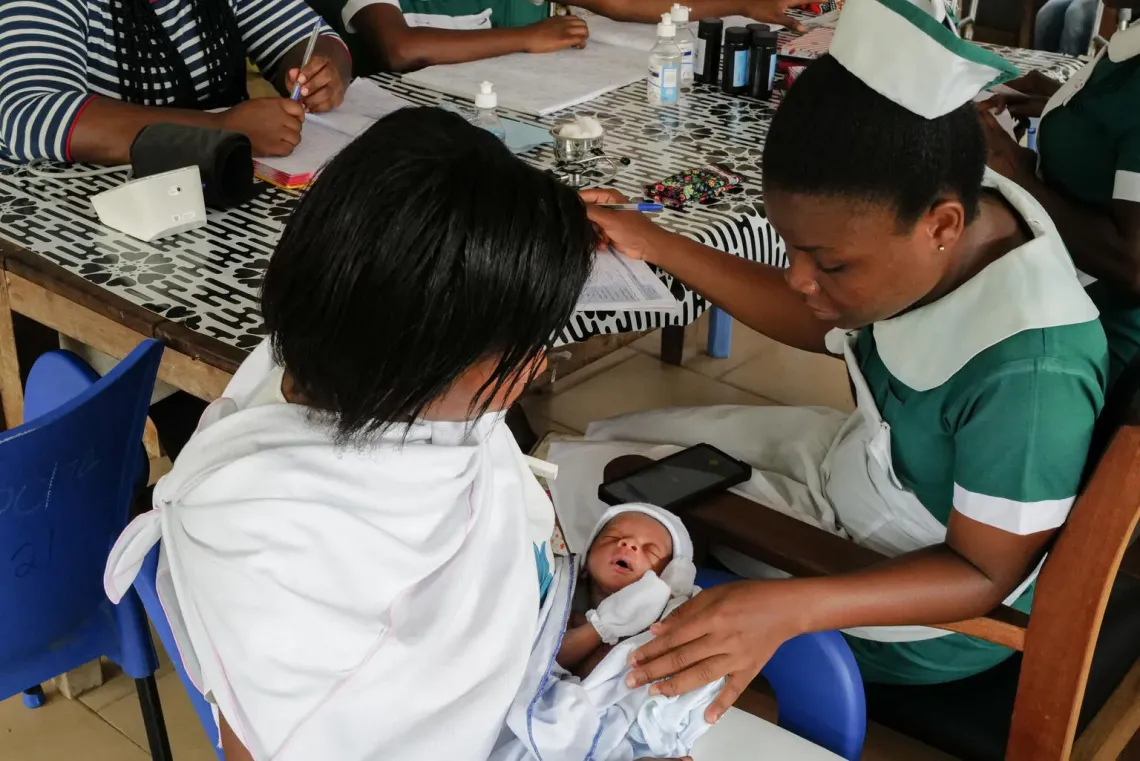
4. Creating Space for Mothers
Beyond policies, mothers often need practical support and dedicated spaces to continue breastfeeding when they return to work.
“A comfortable and supportive work environment helps breastfeeding mothers continue breastfeeding while maintaining a beautiful bond with their babies, giving children a healthier start in life. Employers can make a lasting difference by providing lactation support rooms and breastfeeding-friendly workplace policies.”
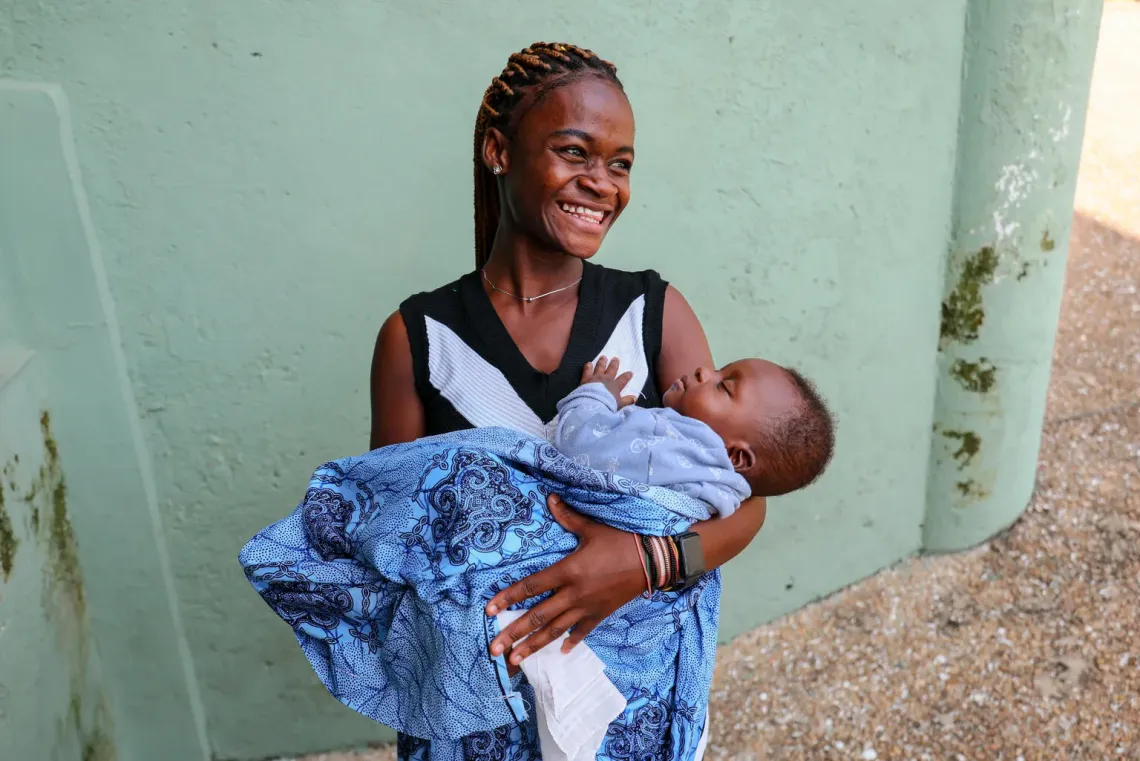
5. A Gift That Lasts a Lifetime
Years after her children were born, Korama still reflects on the lasting impact of breastfeeding. Her experience reminds us that the benefits of breastfeeding extend far beyond infancy, helping build healthier families and stronger generations.
“As a young mother, I exclusively breastfed my children, and today their strength is living proof that breastfeeding is nature’s gift — nurturing healthier families and building stronger generations.”
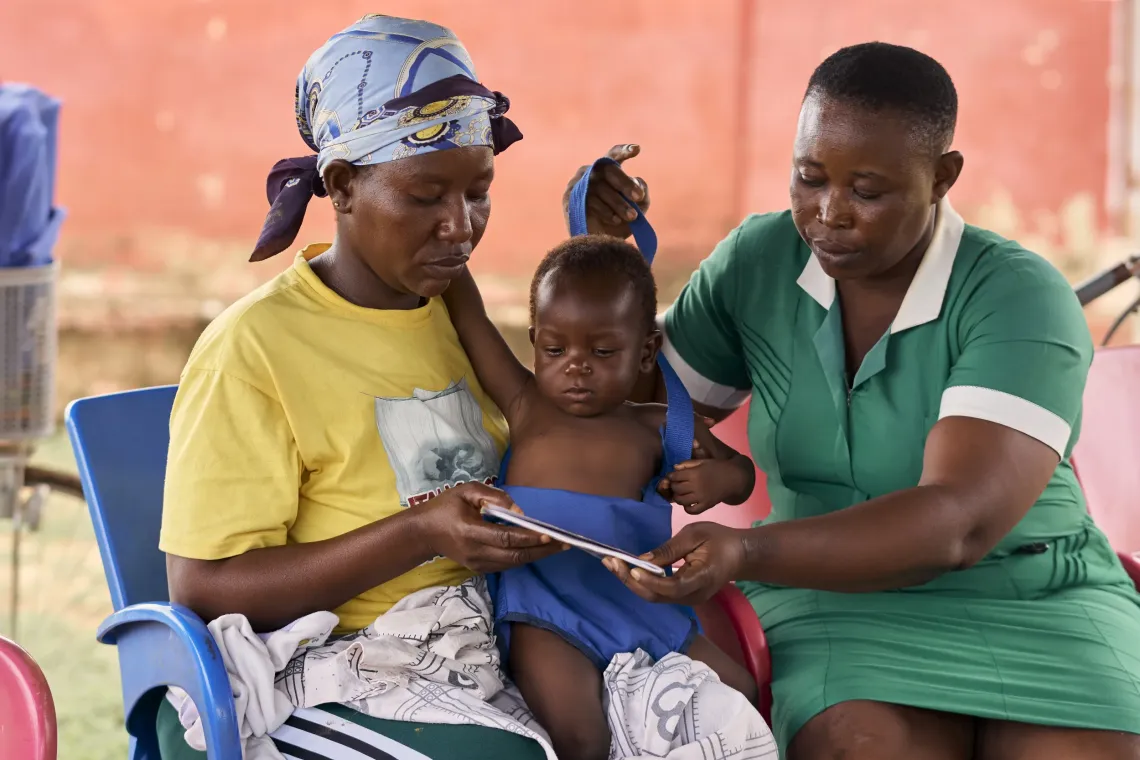
6. Encouragement Makes a Difference
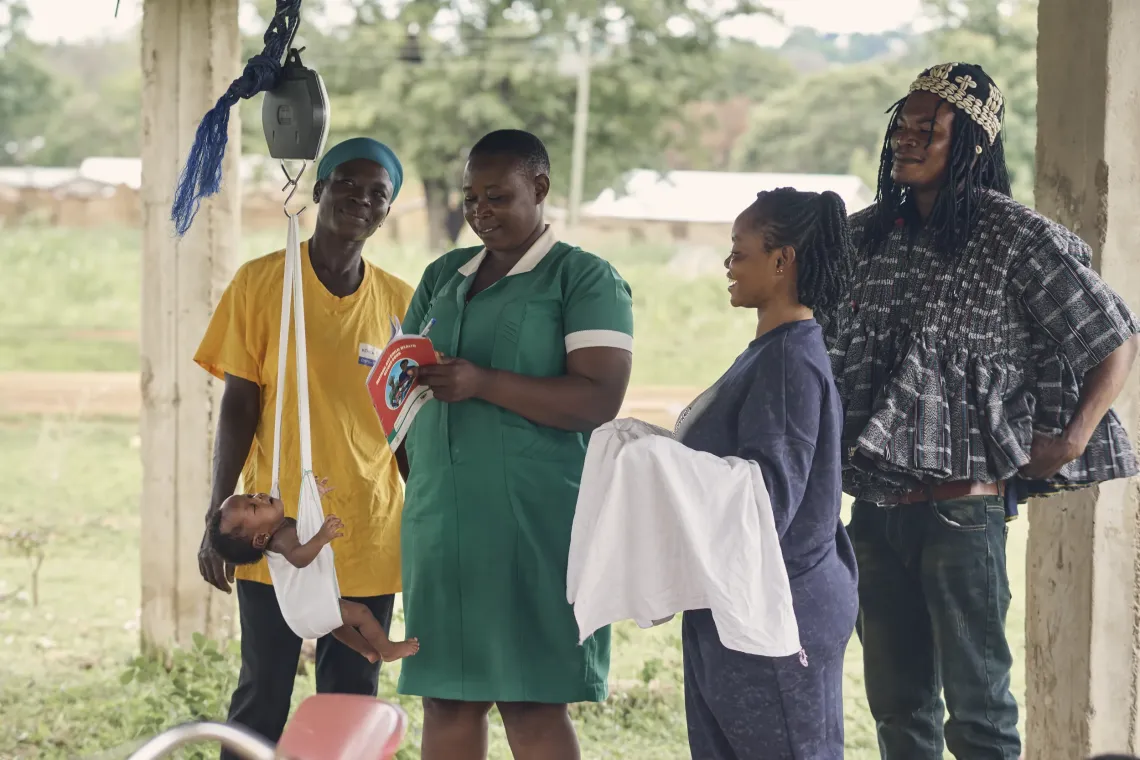
Health workers and peer supporters remain an important source of guidance for mothers navigating breastfeeding challenges.
“Every lactating mother should be supported and encouraged to breastfeed her baby exclusively for the first six months and continue breastfeeding up to 24 months or beyond. Breastfeeding fuels growth, strengthens immunity, and builds brighter futures.”
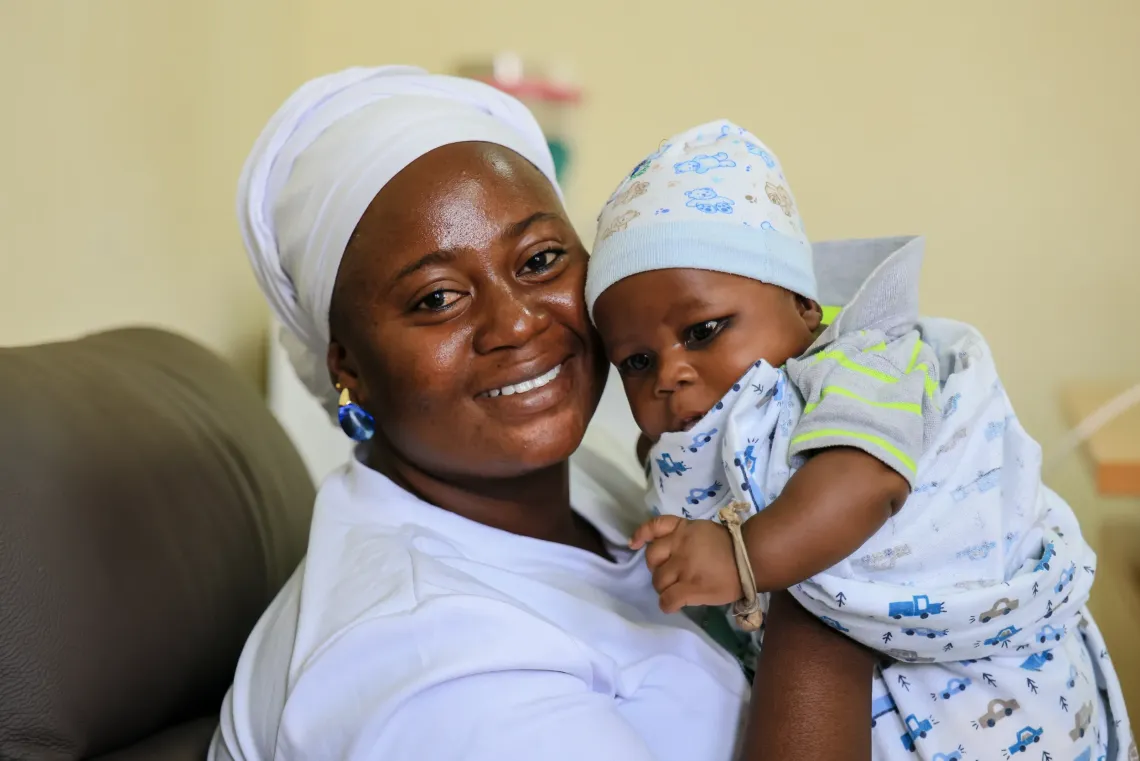
7. Growing Together as Parents
Parenthood is a journey of learning, adjustment and shared responsibility. Benjamin reflects on how family-friendly policies and workplace support can give parents the confidence and practical assistance they need during the early years of raising a child.
"Parenthood comes with many uncertainties, but UNICEF's family-friendly policies helped ease that journey for my family. The support available to parents gave us confidence, practical solutions and the reassurance that we were not navigating those early years alone. When organisations invest in parents, they invest in children's well-being."
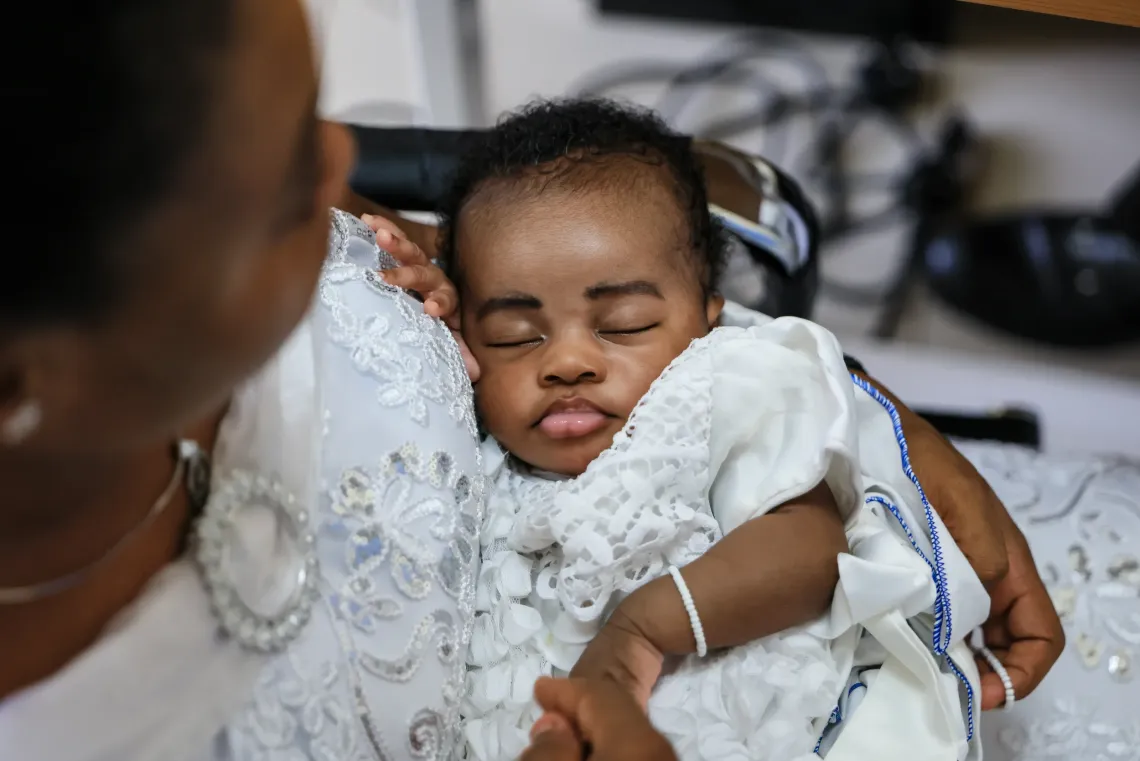
8. Time That Matters
The early months of a child's life are filled with moments that shape family bonds for years. Nirav's experience highlights the importance of parental leave and workplace policies that allow parents to be present when their families need them most.
“Having dedicated time to bond with my daughter during her first year of life allowed me to be fully present as a parent, support my spouse in the early days of motherhood, and build a strong foundation for our family. Family-friendly workplaces show how investing in parents contributes to the well-being of children.”

Breastfeeding is one of the most effective investments we can make in a child's future. But mothers cannot carry that responsibility alone.
Behind every successful breastfeeding journey is a network of support: a father who shares responsibilities, a health worker who provides guidance, an employer who creates space, a policy that protects parents and a community that understands the importance of giving children the best possible start in life.
Support mothers. Strengthen families. Protect breastfeeding. Because every child deserves the healthiest possible start in life.