Alternative Care

In Ghana, UNICEF works with partners to ensure that children receive the love and support they need
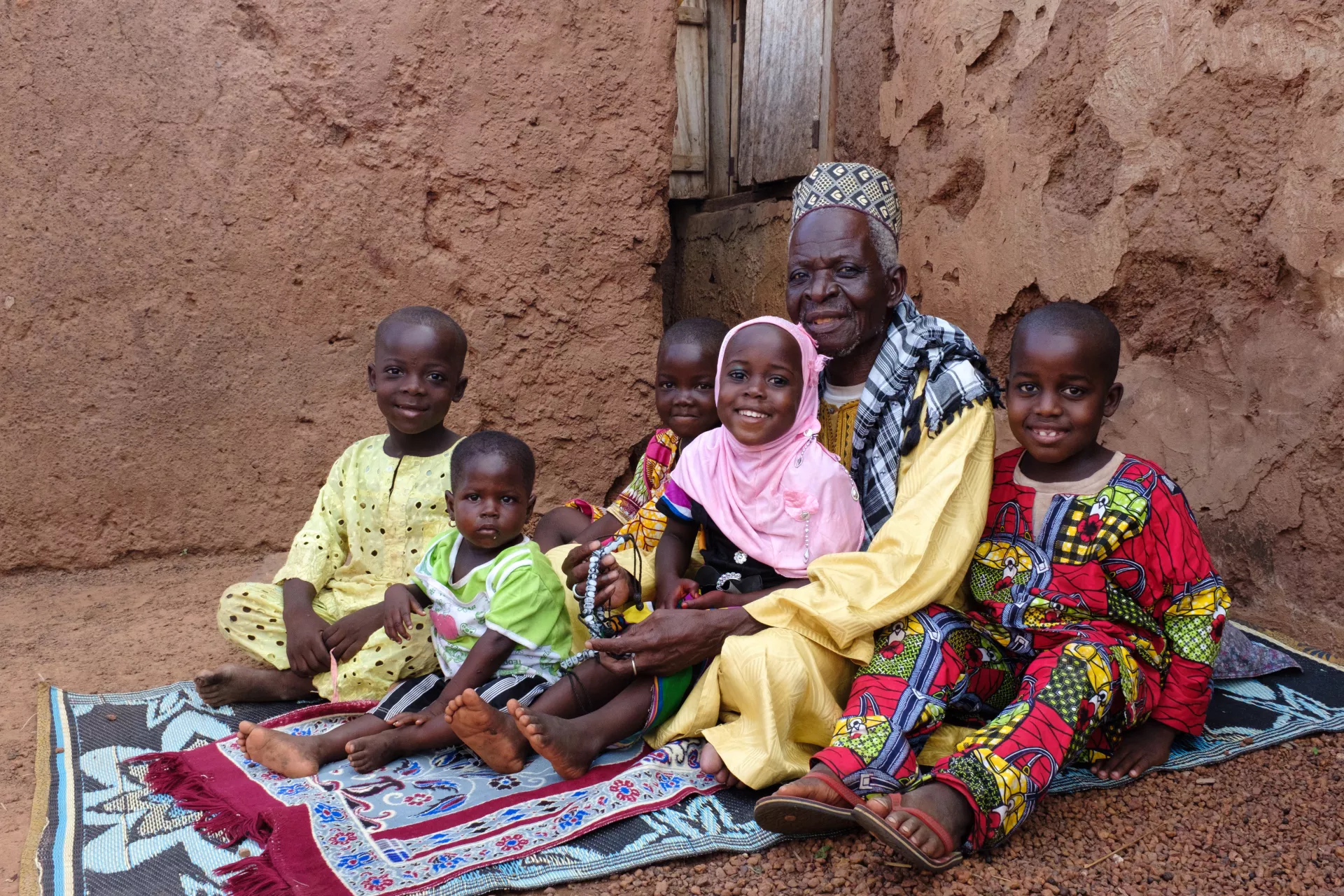
Zamigu Issah, the local Imam, with his children and grandchildren in the village of Kpano in the Northern Region of Ghana.
UNICEF/QUARMYNE/2015

Challenge

In Ghana, about 17 per cent of children do not live with either of their biological parents and so are often denied family care, parental guidance and support. Efforts have been made in recent years to reduce the number of children in formal institutional care and to ensure that foster and adoption processes are transparent and robust.

For every child, support

However, there is an inadequate follow-up system to ensure that the children placed in alternative care or institutions are well taken care of. Furthermore, close to 4,000 children live in children’s residential homes, mainly privately owned and run, when about 80 per cent of these children are not orphans and have at least one parent who is alive, according to data from the Department of Social Welfare.
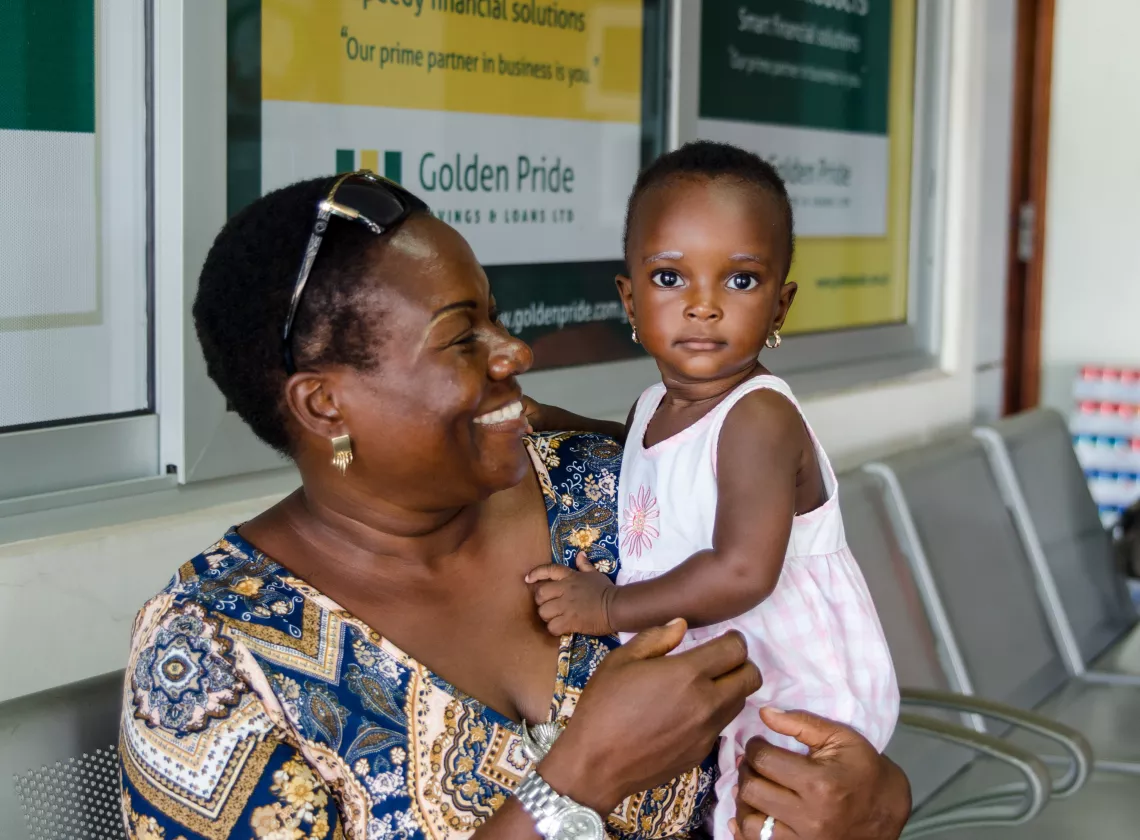
Marama Cagakuma and her daughter Julia.
UNICEF/ADEMUYIWA/2016

Solution

UNICEF is working with the Department of Social Welfare of the Ministry of Gender, Children and Social Protection, to reduce the number of girls and boys living in residential homes in eight districts. It also supported the development and implementation of a monitoring system and a database of children in residential care in four regions.

New materials are being used to equip community facilitators from government and selected NGOs to enable them start dialogues on family care for vulnerable children. 

Resources

National Standards for Residential Homes for Children

Alternative care for children not under the custody of their biological parents

Read now

Mapping of Residential Homes for Children in Ghana

Analysis of trends and flows of children residing in residential care

Read now

Standard Operating Procedures - Alternative Care

Inspection, Licensing and Monitoring of Residential Homes for Children

Read now

Children Living in Residential Care: Survey findings

Country report on the residential care survey

Read now

Foster Parent Training Manual

Empowering Caregivers, Strengthening Families

Read now

Special Guidance for Child Protection Case Management

Preventing and Responding to COVID-19

Read now

Strategic Plan for the Department of Social Welfare

Redefining strategic direction, policy goals and objectives.

Read now

National Standards for Foster Care in Ghana

A guide on protection and support for children in foster care

Read now

Training Manual for Caregivers of Children with Disabilities

Empowering caregivers of children living with Disabilities

Read now

Guidelines for Deinstitutionalisation of Residential Homes

Complementing the SOPs for Licensing, Monitoring and Closure of Residential Homes

Read now

Operational Manual - Foster Care

Family-based setting for children whose biological family is unable or unwilling to take care of them

Read now