The Shame is Gone!
In Ethiopia, school menstrual hygiene and health facilities increase girls’ attendance and restore their dignity
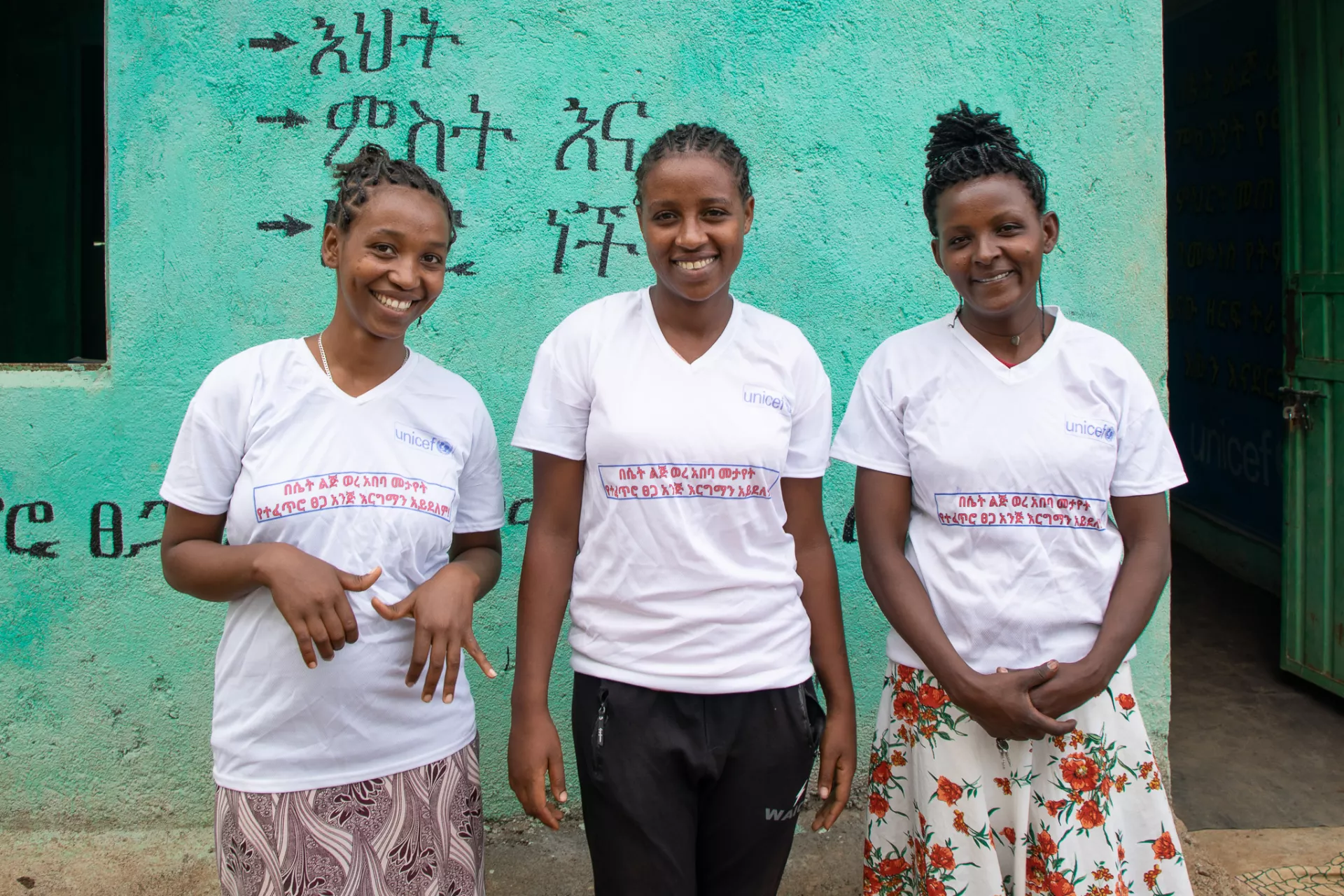
Menstruation is a normal and healthy part of every girl and woman’s life. Yet many adolescent girls face stigma during their period. In addition, gender inequality, discriminatory social norms, poverty, and lack of basic services like toilets and sanitary products can all cause menstrual health and hygiene needs to go unmet. In Ethiopia’s Southern Nations Nationalities and Peoples’ Region (SNNP), school menstrual health and hygiene facilities have brought relief for girls. Adolescent girls in their school clubs are also changing attitudes and misconceptions working with boy champions.
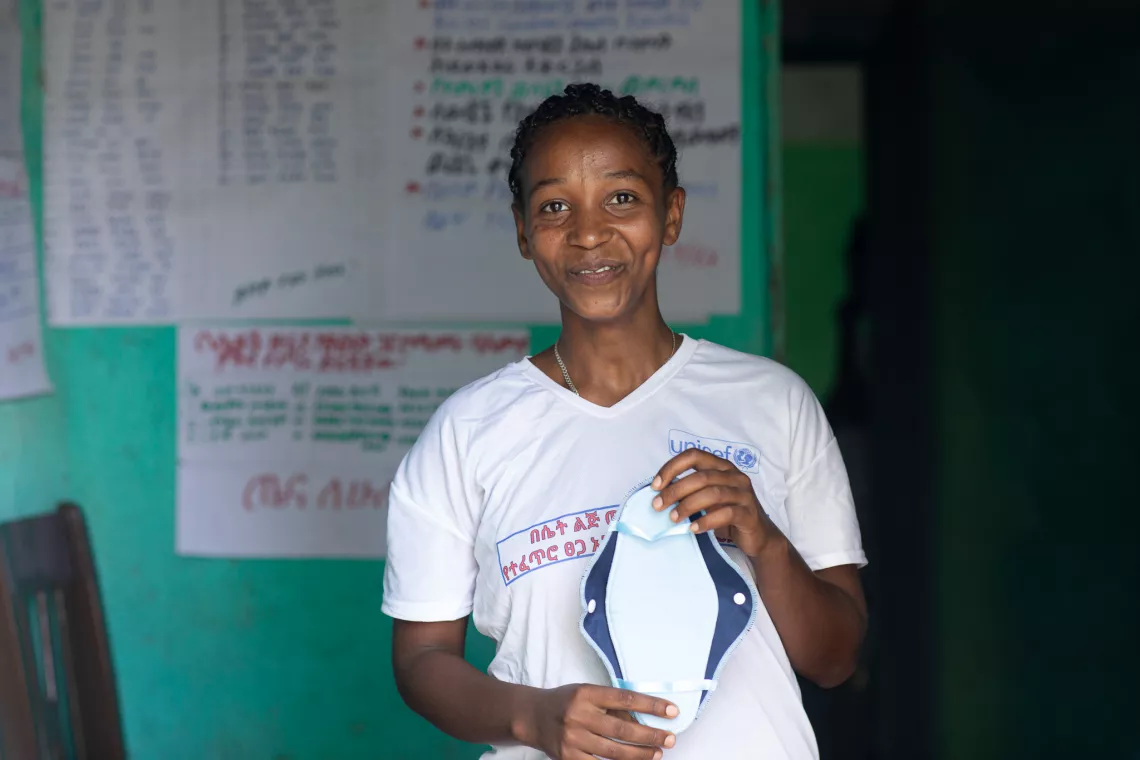
Workalem Weshkaro, 16, knows the struggle when it comes to menstruation. She came from a culture where the issue is shunned away easily. "I used to stay home for up to 7 days when I am on my period, missing classes. We didn’t have a culture of mentioning menstruation in public. It was a taboo,” says Workalem.
During that time of the month, Workalem always finds it distressing. She walks a long distance to get to school, worrying that her period stains her dress and people might notice. Besides, the lack of access to water and sanitary pads in school further complicates her chance to attend school regularly.
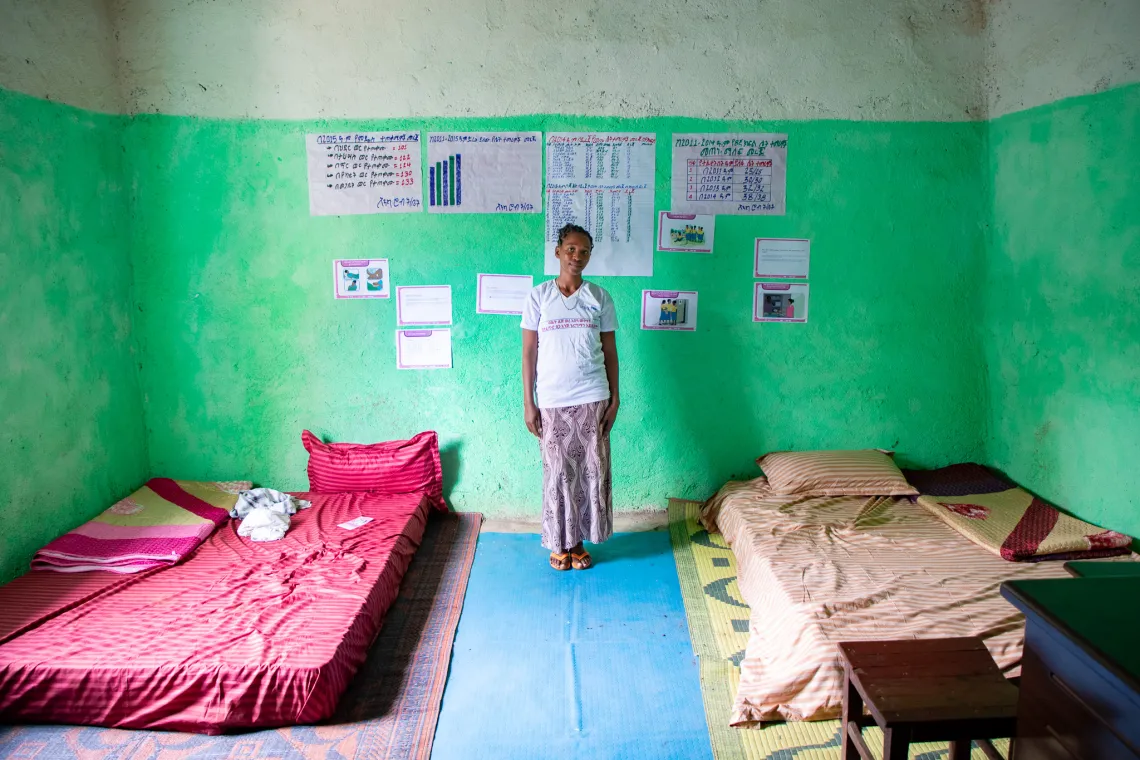
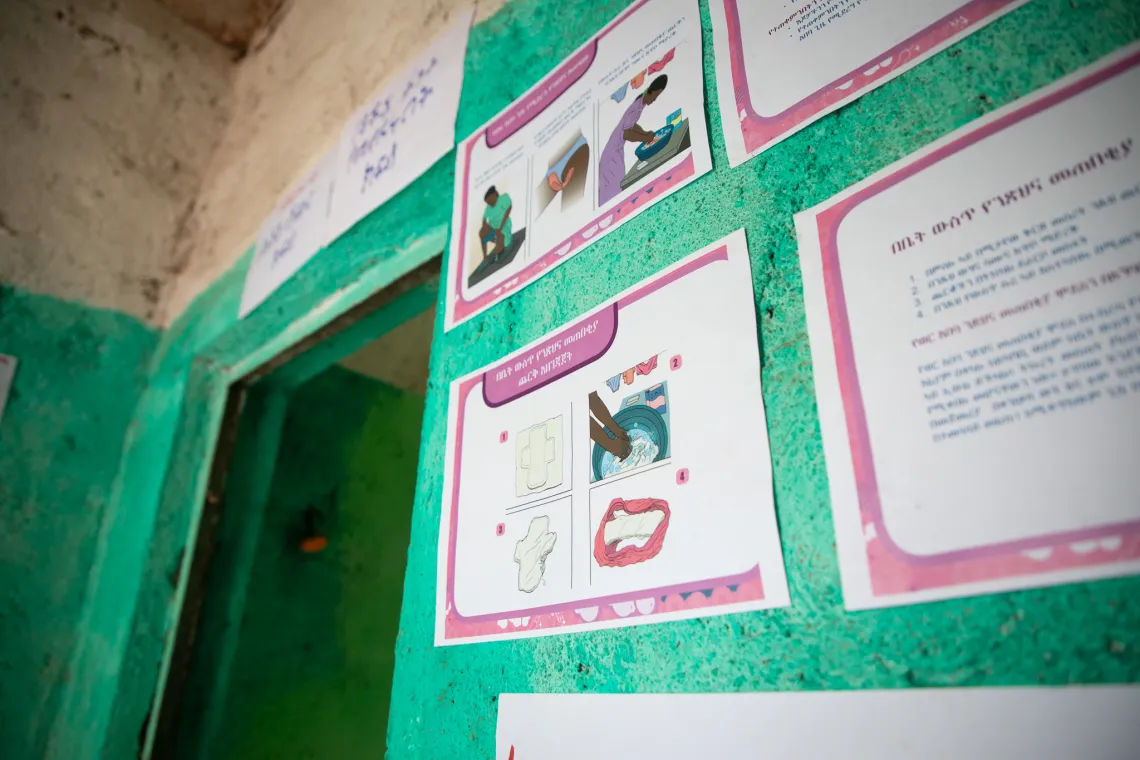
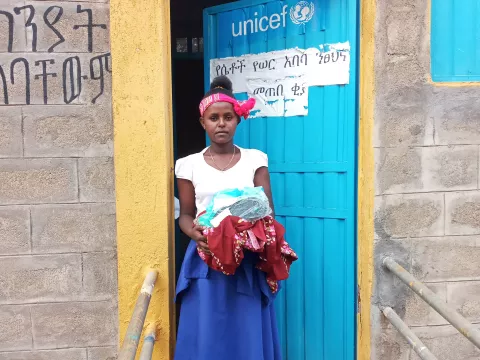
But, things began to change for good. Three years ago, Anka Primary School, where Workalem and her friends attend class, secured a new menstrual health and hygiene facility built with the support of UNICEF through the generous support of the Government of Canada. The facility includes a washroom, a resting room, and a counseling space run by members of the gender club. “This is our safe space. We also get sanitary pads here. Girls come here and take a rest during their period,” says Meseret Mezgebe, Workalem’s best friend.
"You can even see boys offering their shirts to girls to cover themselves in case their dress gets stained”
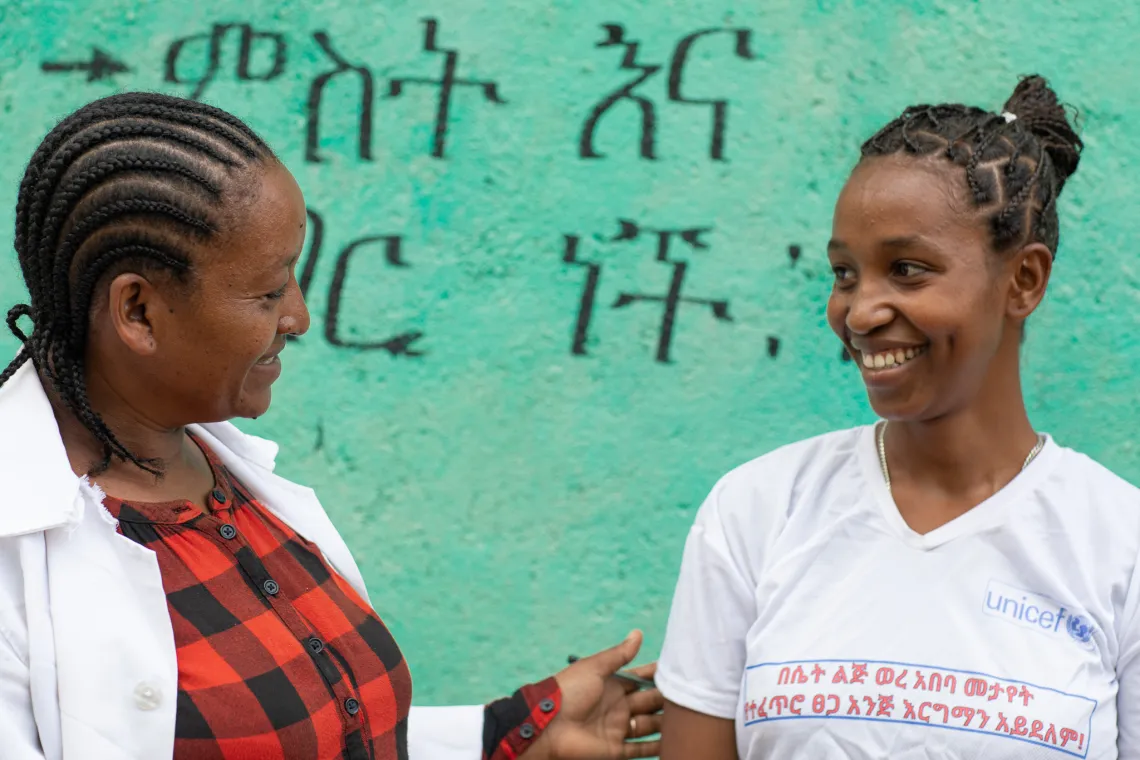
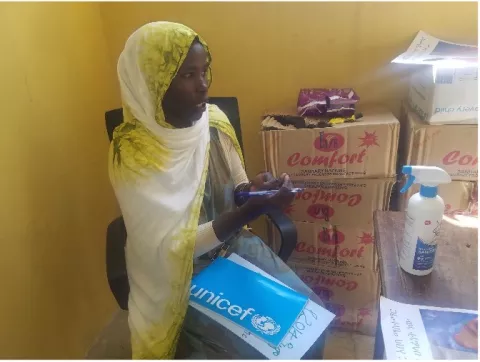
Aster Fanta is the Gender Club’s Coordinator and works closely with the girls to ensure they feel safe and that the club is running smoothly. “I understand the challenges the girls face when it comes to menstruation,” she says. “Girls in rural areas have many disadvantages. Attitudes about menstruation and other gender issues still need to change. Besides, many girls here are from poor families, and they can’t afford to buy sanitary pads. That’s why I am keen to help them. I am very happy to see that the issue of menstruation is now openly discussed without shame.”
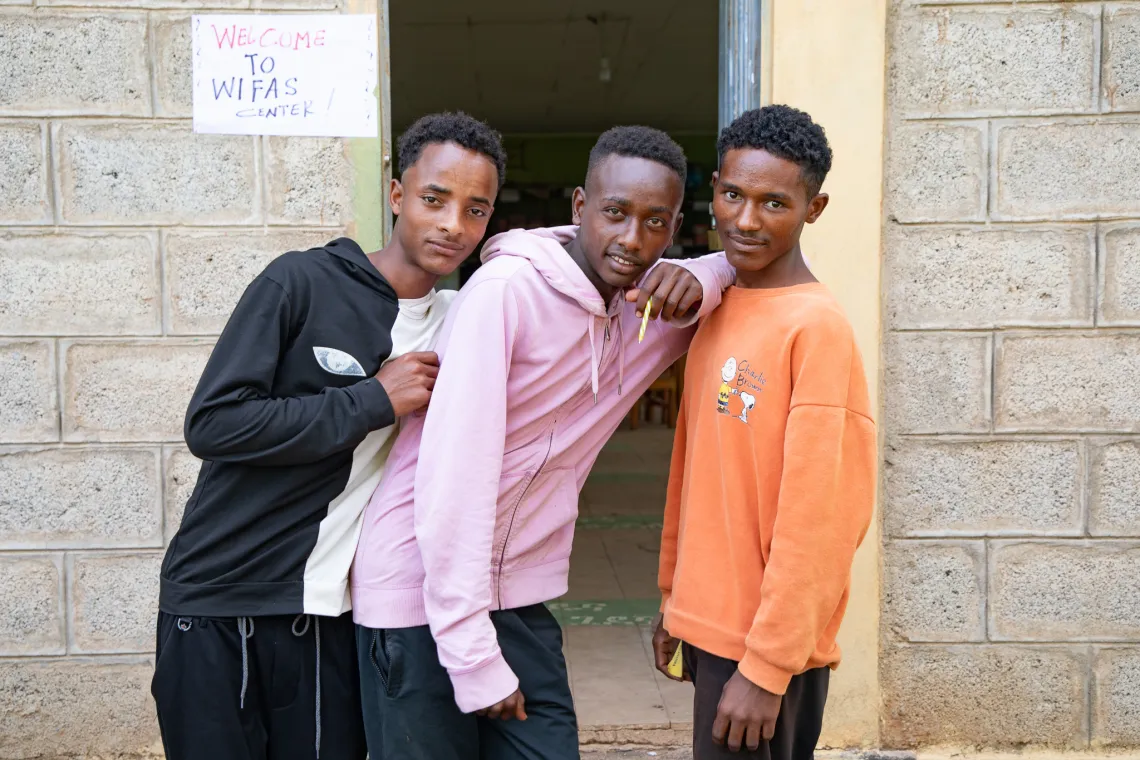
Anka Primary School has made significant strides. Boys like Sekuaru, Mesay, and Temesgen are also members of the gender club and advocate for equal opportunities for girls. “Boys understand the issue of menstruation much better now. They don’t make fun of us [girls]. The shame is gone. You can even see boys offering their shirts to girls to cover themselves in case their dress gets stained,” says Meseret.
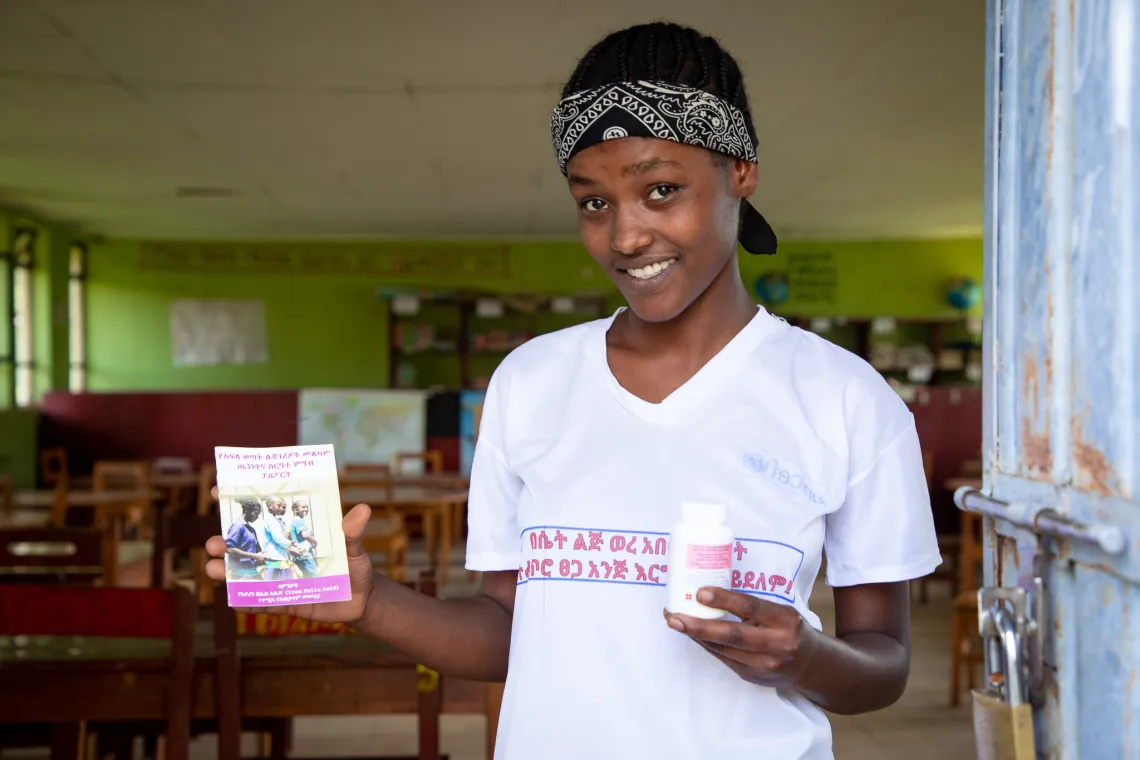
In addition to the management of menstrual hygiene, adolescent girls in Anka Primary School also receive weekly iron folate supplements. “I used to have little energy and did not feel like going to school and studying,” says Wudnesh. “But after I started taking the supplement, all my symptoms have disappeared and, as you can see, I am now fully enjoying life and school.”
Menstruation is a fact of life. Providing adolescent girls with access to sanitary supplies and clean water in schools not only improves their school performance but also has a positive impact on their well-being.