Hygiene and sanitation service in schools improves enrolment and retention of adolescent girls
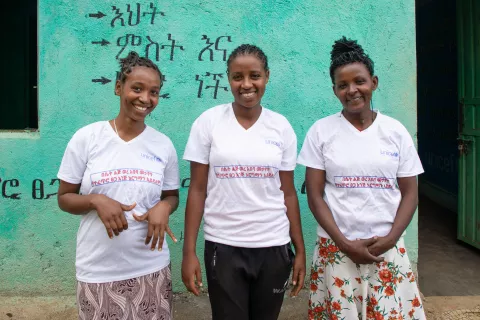
Adolescent girls in gender clubs teach all boys and girls in the school and local community about MHH
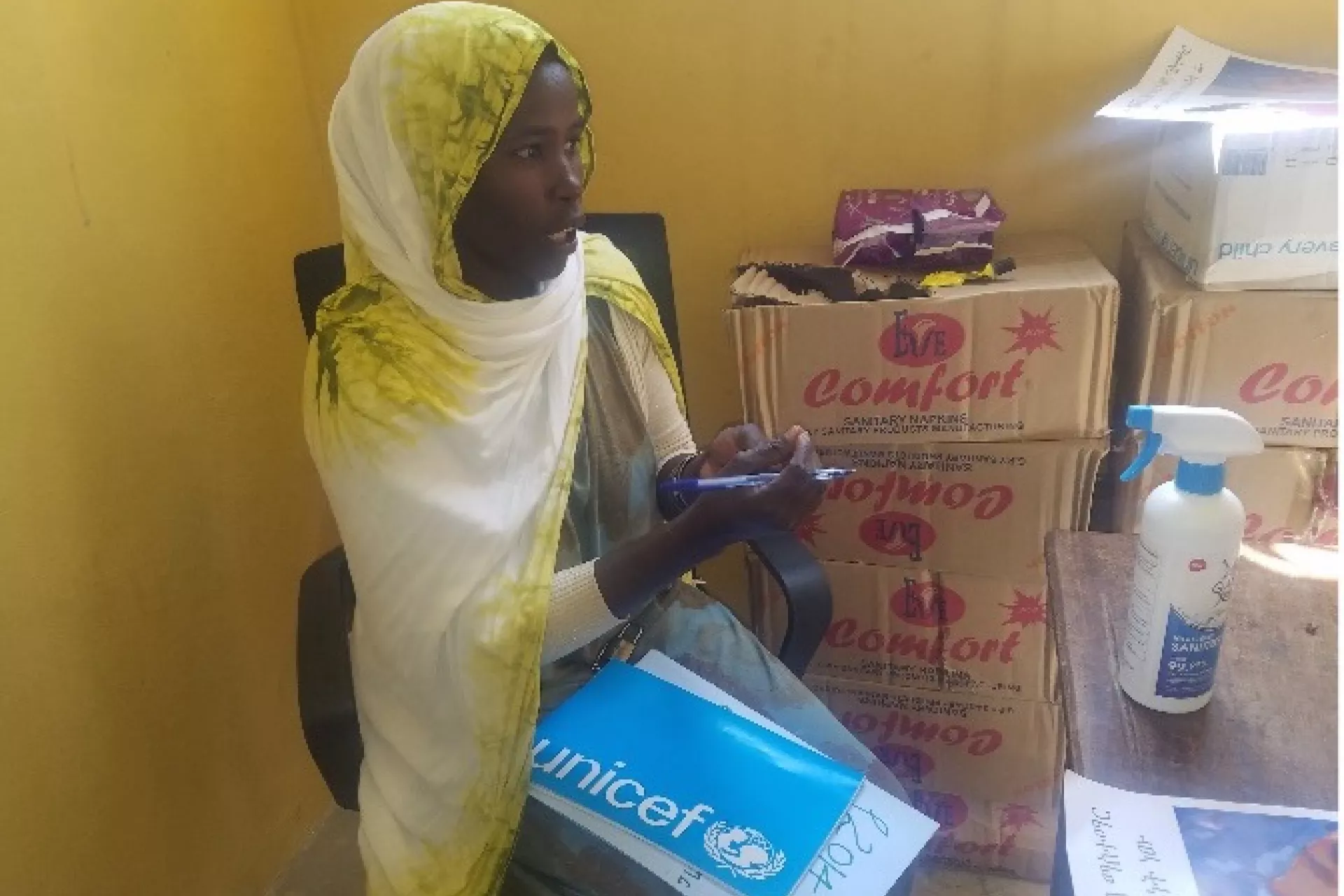
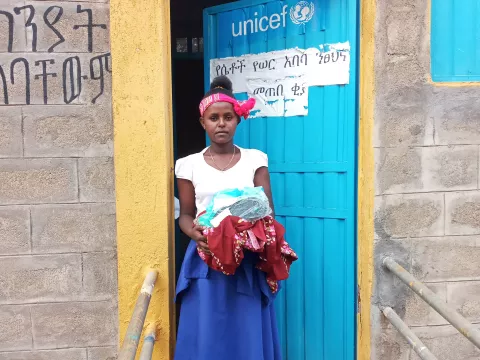
Halima Abdulahi, 23, is a female teacher in Sherkole Primary School in Homosha Woreda (district). She is married and blessed with a son. Currently, she serves as a coordinator for the gender club in Shekole Primary School. Halima teaches adolescent girls about the natural process of menstruation and how to properly manage it in school and at home. After orientation, Halima distributes hygienic and sanitary materials including soaps, underwear, sanitary pads and sanitisers to girls which are received from UNICEF, Plan International Ethiopia and Pharo Foundation. The newly constructed Mensural Hygiene and Health (MHH) block have a shower room, a waste disposal outlet, a waiting room and a bedroom where girls take rest if they are on their period.
Adolescent girls in gender clubs teach all boys and girls in the school and local community about MHH and the need for the prevention of school-related Gender-Based Violence (SRGBV) at flag ceremonies and public gatherings using microphones and school mini media.
Though there is an effort to increase girls' school enrollment and retention as well as facilitate routine activities of girls at their adolescent ages, unavailability of water, gender-segregated latrine, sanitary pads and separate rooms for menstrual hygiene management negatively affects girls' school enrolment and attendance in Benishangul Gumuz Region.
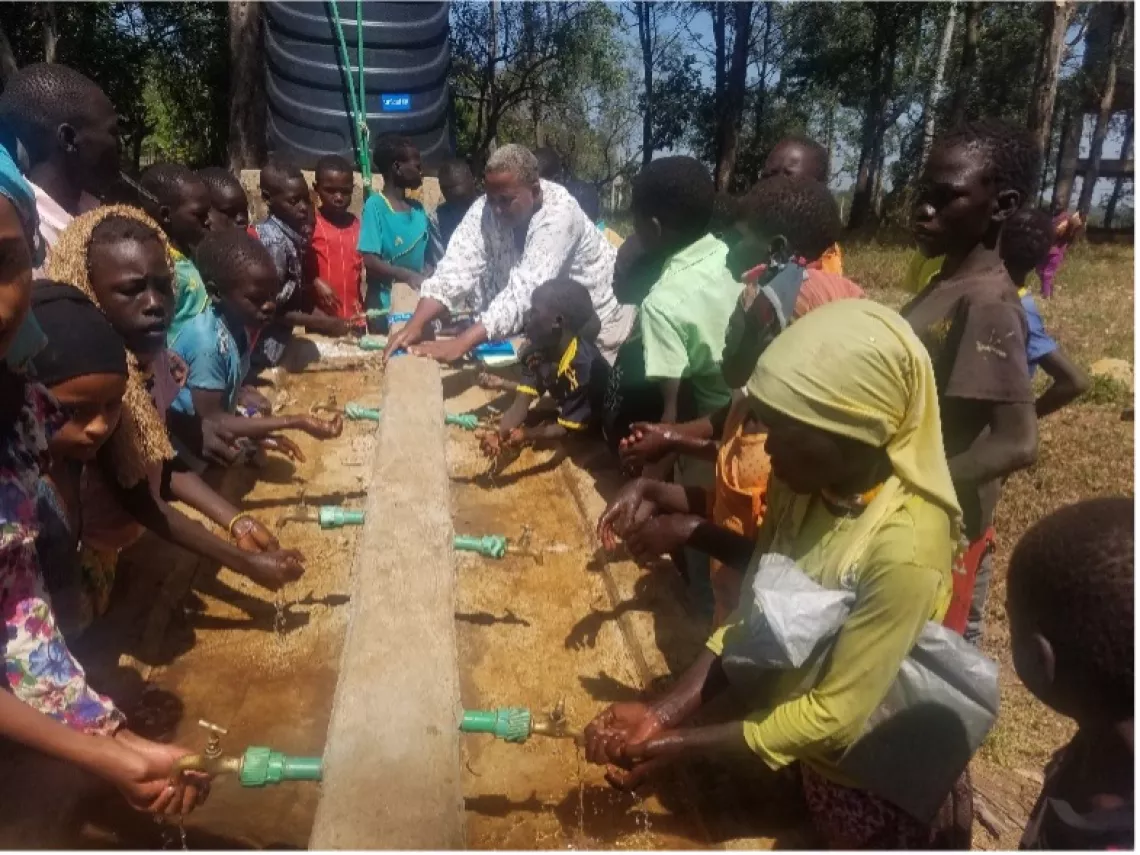
In addition, the gender club coordinator its members underscored the importance of the provision of MHH service in school which has improved enrolment, reduced dropout, and absenteeism of adolescent girls in their school. They also commended that the availability of rehabilitated latrine near the MHH block and group handwashing station with potable water in their school improved the hygiene and sanitation practices and attract them to come to school and attend classes daily.
“The provision rehabilitated, and segregated latrine and handwashing facility empowered me and improved my self-esteem. It was also an opportunity for me to create awareness on the issue to my sister and other girls in and outside of school on how to avoid the misunderstanding about menstruation in adolescent girls,” said Fatuma Babekir.
Fatuma,18, and a grade 8 student also revealed her experience and behavioural change. “I used to be very shy when I had my first period because I did not know it is a natural process. But my teacher in the gender club helped me understand that and now I can even teach others. I am also proud of it.”
The Regional Education Bureau, in collaboration with UNICEF, has been working to support planning and implementation of gender-focused initiatives that promote adolescent girls’ retention and life skills education in schools to ensure gender equality and girls’ empowerment.
UNICEF, with the fund received from the Canadian Government, constructed and rehabilitated a three-room block that includes waste disposal, gender-segregated latrines, handwashing stations including water tankers. The Canadian Government through its development agency (CIDA), donated over $ 119,410 to improve the reproductive health and nutritional status of adolescent girls in Benishangul-Gumuz Region as part of the national programme. Best practices and experiences gained in implementing school hygiene and sanitation, life skills education and measures to prevent School-Related Gender-Based Violence (SRGBV) should be scaled up to other schools in the region to further improve gender equality and empowerment of adolescent girls.
Additional and continued support is critically important to expedite the Regional Education Bureau’s plan to increase girls’ enrolment, retention, and gender parity index at primary education (1-6 grades) from 0.87 in 2020 to 0.96 in 2024.
Considering emphasis given in UNICEF global Gender Action Plan II (2018-2022), the UNICEF Ethiopia New Country Programme (2020-2025) has made a commitment to shift towards a more gender-transformative programming approach.