A Second Chance for Abdiwasa
How Timely Nutrition Treatment is Helping Children Recover from Malnutrition

By the time Hindia Abdullahi Ahmed brought her son, Abdiwasa Ibrahim Abdi, to the health facility, she was deeply worried. The 30-month-old had been suffering from diarrhoea and vomiting, had lost his appetite, and had developed swelling in his body, signs that his condition was worsening.
“At first, he had diarrhoea and vomiting,” Hindia recalled. “Then his body started swelling, so I brought him here.”
Before he became severely ill, Abdiwasa ate small amounts of familiar foods such as rice, pasta, porridge, eggs and milk. Despite this, his appetite remained poor, and his health continued to deteriorate.
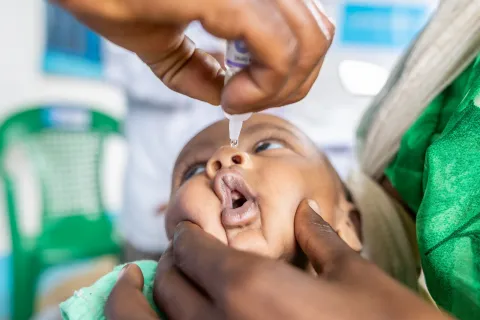
Health workers diagnosed Abdiwasa with severe acute malnutrition and enrolled him in treatment. He received Ready-to-Use Therapeutic Food (RUTF) while health workers monitored his condition and provided ongoing care. Hindia also received counselling on feeding practices and how to support her son's recovery at home.
Following the treatment plan, Hindia gave her son the therapeutic food provided by the health facility. She said he readily accepted it and consumed the prescribed amount.
Gradually, she began to see his condition improve.

“Before, his appetite was poor,” she said. “Now it has improved, and he wants to eat on his own.”
His diarrhoea has stopped, his appetite has improved, and Hindia says he is steadily regaining his strength. For a mother who had watched her child become increasingly weak, his recovery has brought a renewed sense of hope.
Abdiwasa’s recovery was made possible by nutrition services that help identify and treat malnutrition early, before it becomes life-threatening.

Absher Asad, a medical professional who has worked at the health centre for six years, says children like Abdiwasa receive more than therapeutic food alone. “We also check whether they have other illnesses, such as pneumonia or diarrhoea, and treat those underlying conditions as well.”

Alongside treating children with malnutrition, health workers focus on prevention. Caregivers receive counselling on recommended feeding practices, including exclusive breastfeeding during the first six months of life and the introduction of nutritious complementary foods as children grow and develop.
To help children access treatment early, nutrition screening is conducted through both health facilities and community-based platforms. With funding from the Ethiopia Humanitarian Fund, UNICEF screened more than 113,000 children under five across the Afar, Amhara and Somali regions for wasting and nutritional oedema, helping identify vulnerable children and refer them for care. Additionally, the Ethiopia Humanitarian Fund made it possible for UNICEF to procure essential Ready-to-Use Therapeutic Food (RUTF), ensuring that children suffering from severe acute malnutrition received timely treatment that reduced the risk of serious illness and death.
Through the programme, more than 2,000 children with severe acute malnutrition, including children like Abdiwasa, received life-saving treatment. At the same time, more than 17,000 caregivers received counselling on infant and young child feeding, helping families adopt practices that can prevent malnutrition before it takes hold.