

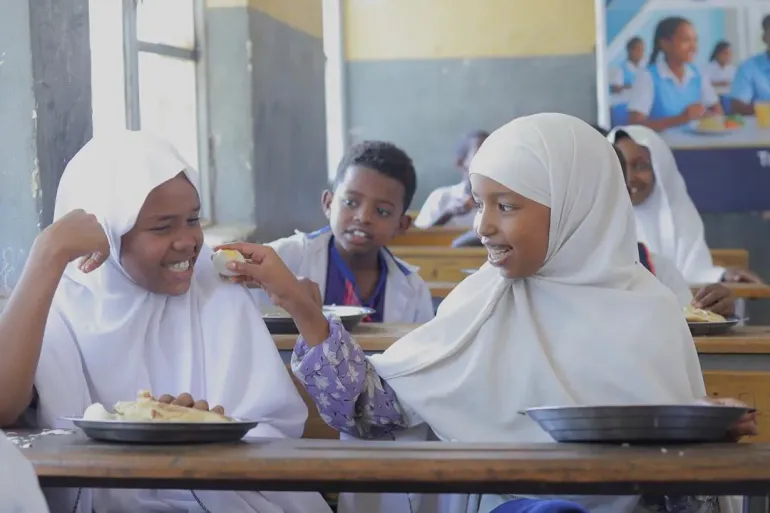
On 15 June 2026, UNICEF, together with the Ministry of Education, Dire Dawa City Administration and the Ethiopian School Meal Initiative (ESMI), launched the Sustainable School Meal Model for Urban Schools in Dire Dawa. The initiative aims to improve the nutrition, health and learning outcomes of school-age children and adolescents in urban Ethiopia.
Middle childhood and adolescence are critical periods of rapid physical growth and brain development, making adequate nutrition essential. Yet many children and adolescents in Ethiopia live in households with limited dietary diversity, contributing to persistent malnutrition. Addressing these challenges requires sustained efforts to improve dietary diversity, strengthen school nutrition systems and expand programmes that support adolescents and help break the cycle of malnutrition.
The Sustainable Urban School Meal Model promotes access to nutritious meals, healthier food environments and stronger linkages between schools, local food systems and youth empowerment opportunities.
The initiative is built around three key pillars:
Climate-Smart Central Kitchen
A newly established climate-smart central kitchen will provide safe and nutritious meals to approximately 10,000 children, while improving efficiency, food safety and environmental sustainability.
Climate-Smart Farm
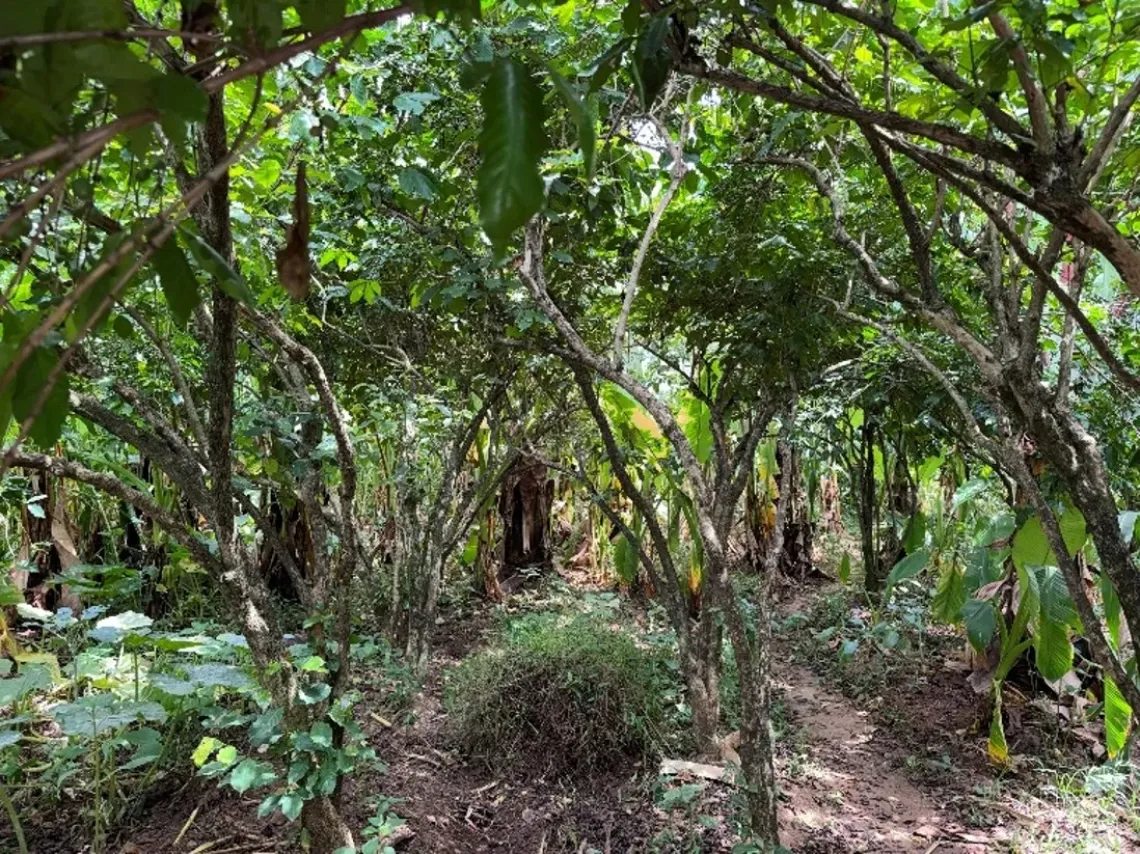
The Dire Dawa City Administration has allocated 18 hectares of land for a climate-smart farm, helping to secure a sustainable supply of nutritious food while creating learning and livelihood opportunities for young people.
Sustainable Financing
The Dire Dawa City Administration has pledged 3 per cent of its city tax revenue to support school meal programmes, demonstrating strong local ownership and helping to ensure the model's long-term sustainability and future scale-up.
UNICEF and partners are also costing the model, including determining the cost per child per meal, to support long-term sustainability and future replication.
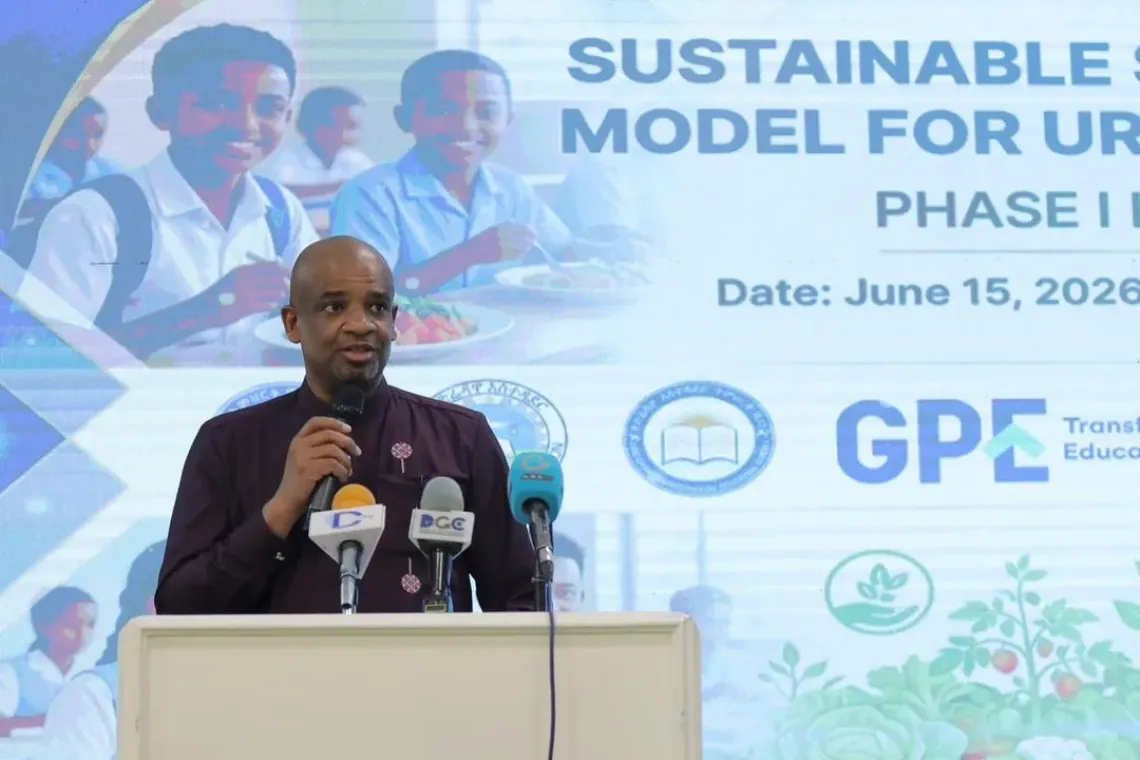
During the launch, UNICEF Representative Aboubacar Kampo said the model demonstrates how financing, food production and service delivery can work together to improve nutrition and strengthen systems for children and adolescents. He highlighted the importance of collaboration across sectors and reaffirmed UNICEF's commitment to supporting government efforts to help every child survive, thrive and reach their full potential.
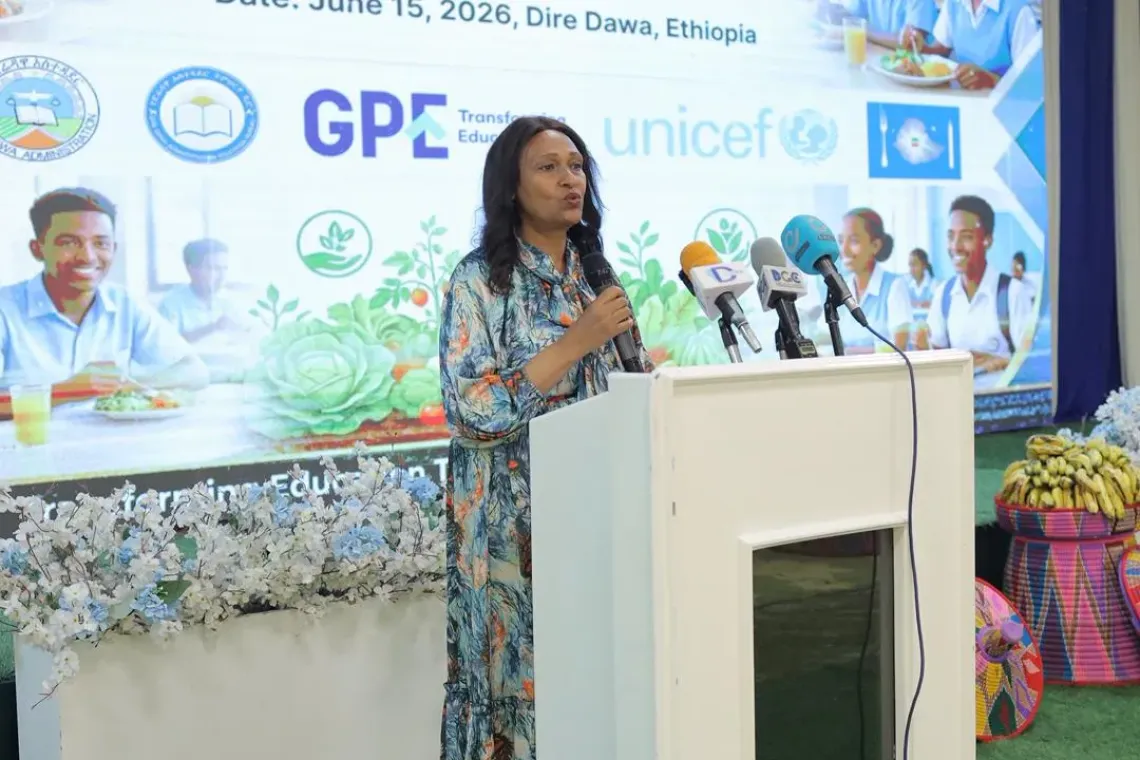
Her Excellency Mrs. Ayelech Eshete, State Minister of Education, said the initiative reflects a shared commitment among partners to invest in the nutrition of school-age children and adolescents, recognizing it as a key driver of education, health and human capital development. She noted that by strengthening school meal systems and promoting healthier food environments, Ethiopia is taking an important step towards building a healthier and more productive future generation.
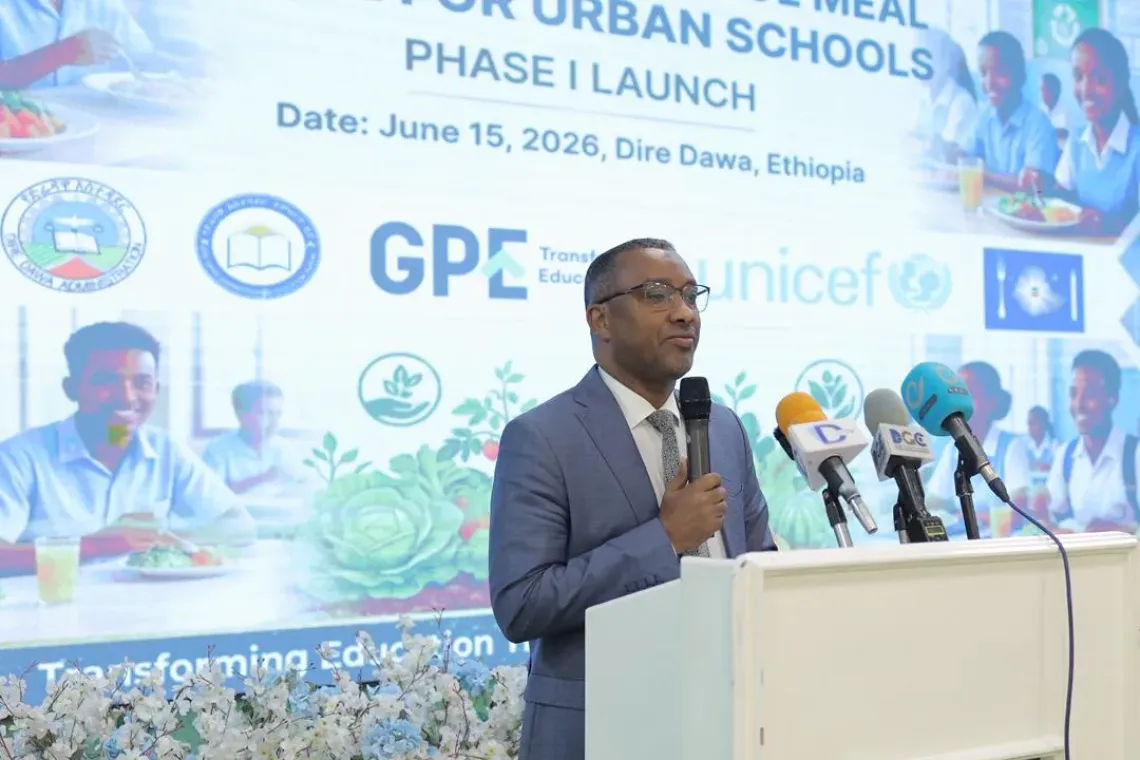
Deputy Mayor Harbi Buh reaffirmed Dire Dawa's commitment to investing in the nutrition of children and adolescents and to positioning the city as a model for nurturing the next generation.
The launch marks an important step towards a future in which every child has access to nutritious meals that support their health, learning and development. With strong local ownership and cross-sector collaboration, the Dire Dawa model offers a promising example of how sustainable school meal programmes can be built and scaled.
For more information, please contact Stanley Chitekwe, Chief of Nutrition, Ethiopia, [email protected]
