Nutrition at the forefront of communities’ agenda
Community-led approaches facilitate the delivery of integrated multisectoral nutrition services in Ethiopia
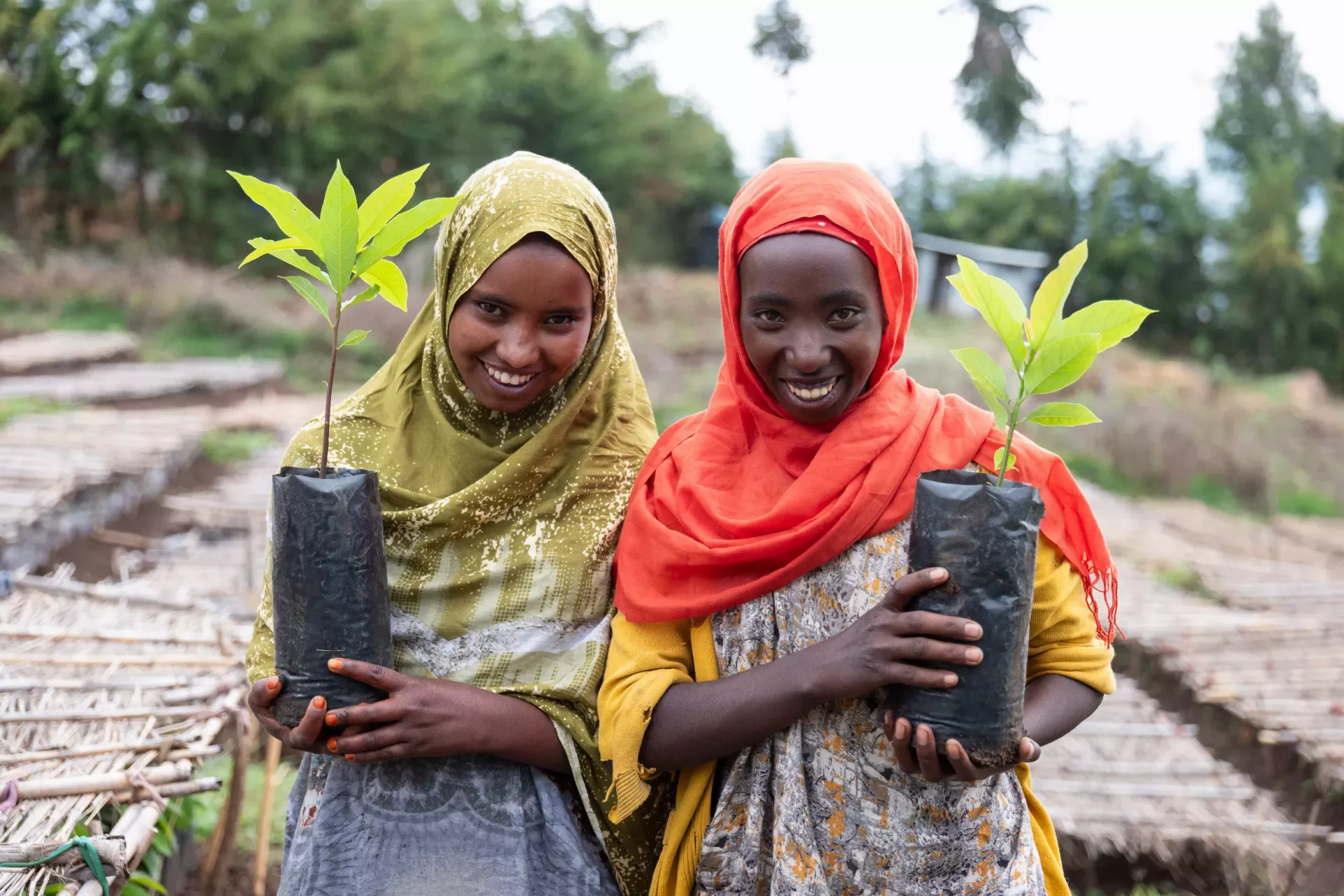
On a beautiful, sunny morning in Walensu kebele (Sub-district), Oromia region, Ethiopia, the community buzzed with excitement. Mothers and fathers arrived early at the health post with their children to celebrate the launch of the Enhanced Community-based Nutrition model (eCBN). This platform facilitates improved access to multiple services under one roof.
The (eCBN) model also aims to empower communities and strengthen community structures for integrated delivery of multisectoral nutrition services and implementation of local solutions. This is done by establishing care for Village Health Leaders (VHLs) who support community frontline workers, sensitize communities, and assist kebele leaders in tackling malnutrition. Other services like cooking demonstrations, counseling sessions, micronutrient supplementation, vaccination, WASH, Education, social protection, and agriculture extension services are all integrated at the community level to ensure that women and children receive care to prevent malnutrition.
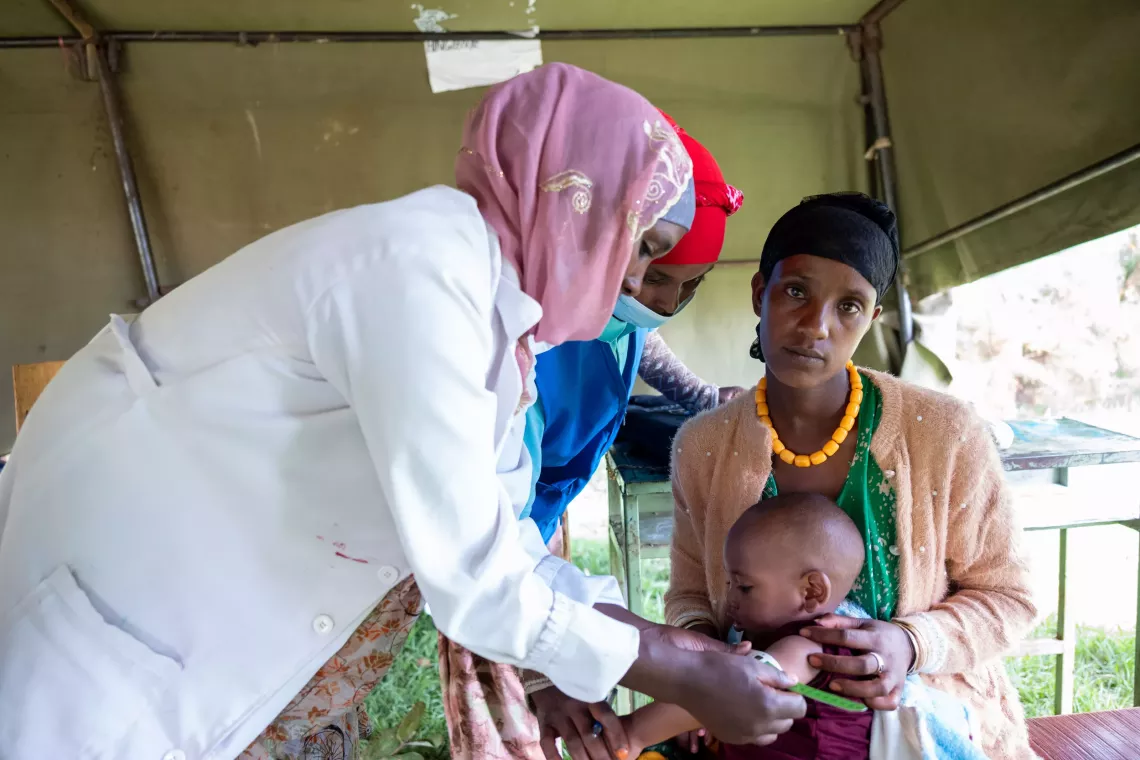
At the health post, you see mothers cradling their babies, while the men chatted with agricultural extension workers. Among the excited crowd was, Derartu, a young mother of 25, who arrived early at the health post with her nine-month-old son, Esmadin. The health workers greeted them warmly and carefully measured Esmadin's arm with a MUAC tape. Relief washed over Derartu's face as the reading fell within the green zone, indicating Esmadin was free from acute malnutrition and growing healthy. “I fed my child breast milk for the first six months and continued to include nutritious meals into his daily meals as the health workers instructed,” said Derartu.
Following the screening, Esmadin’s anthropometric data will be recorded and given to his mother, guiding the provision of the life-saving services he requires.
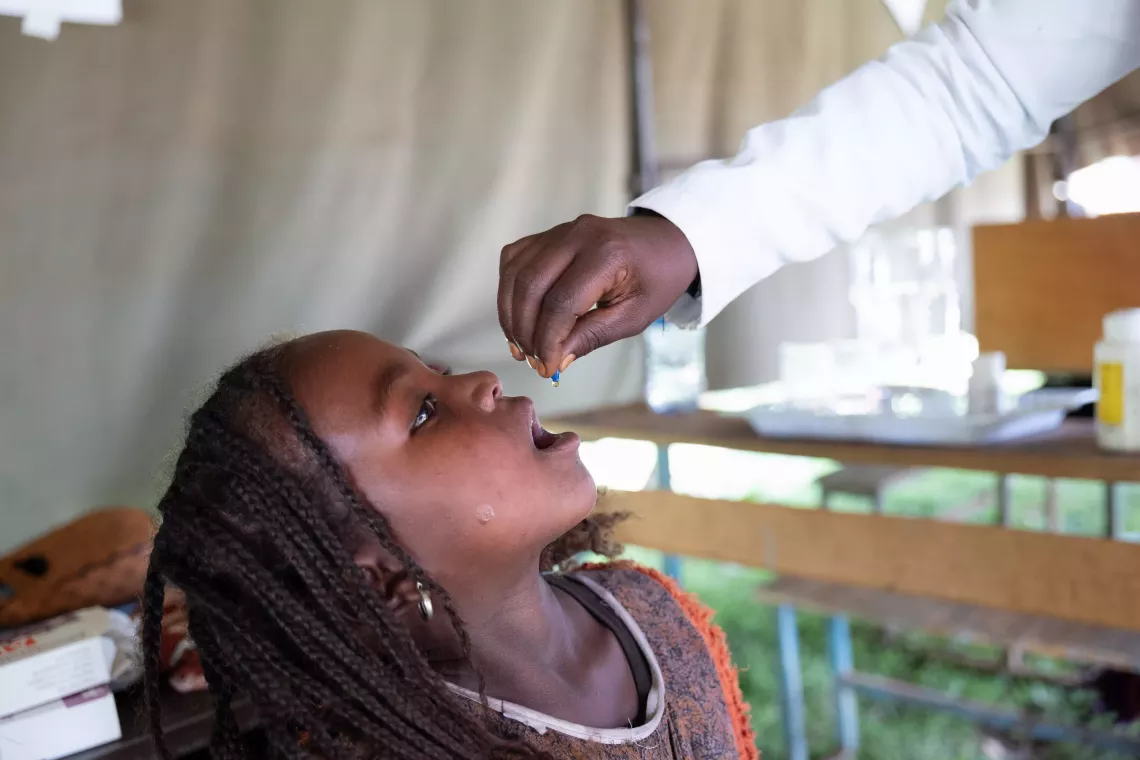
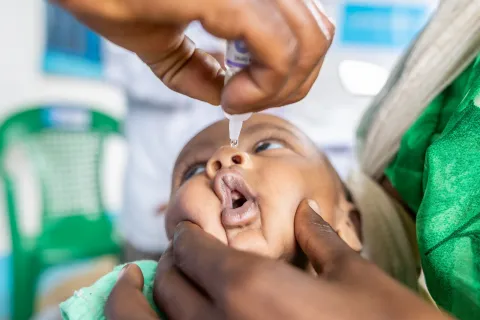
Next to where Esmadin is screened, 4-year-old Arefat Seifedin takes a vitamin A supplementation that strengthens her immune system and protects her from diseases.
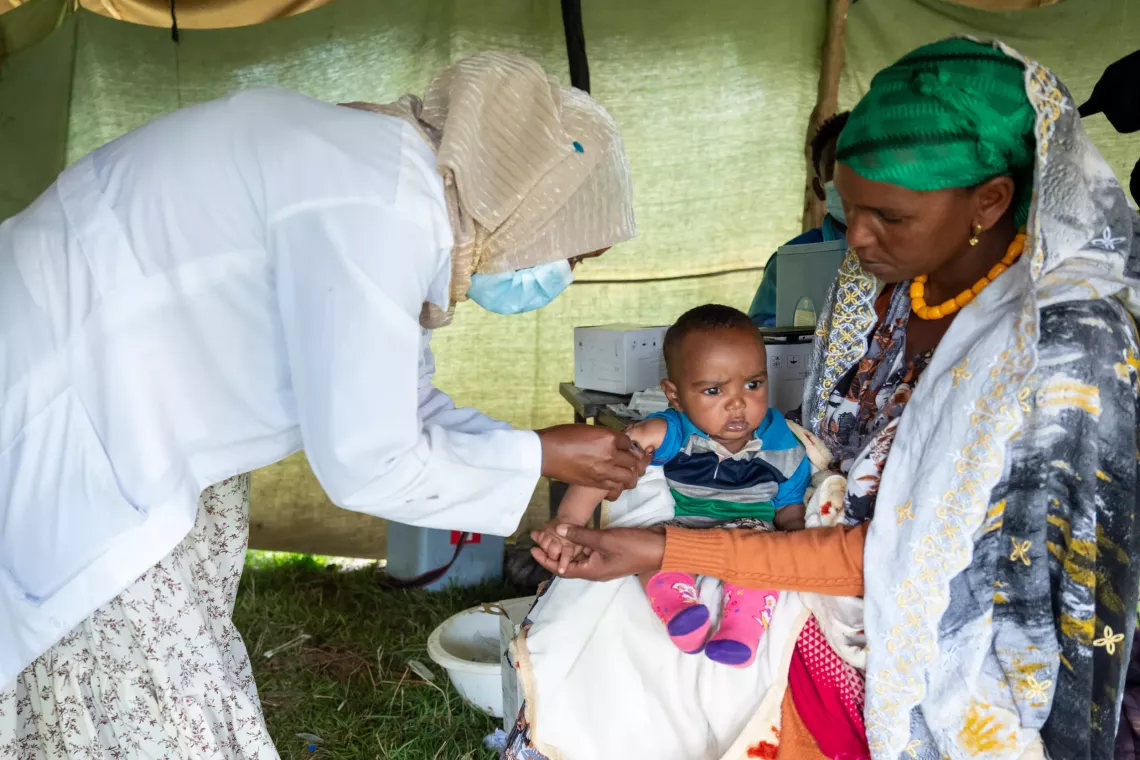
The platform also provides another crucial service: Identifying and vaccinating zero-dose children. Hindias Umar took advantage of this service for her 4-month-old son, “I was away for a while, but when I heard about the kebele and health nutrition days platform, and immediately brought my son for his first vaccine,” Hindias said.
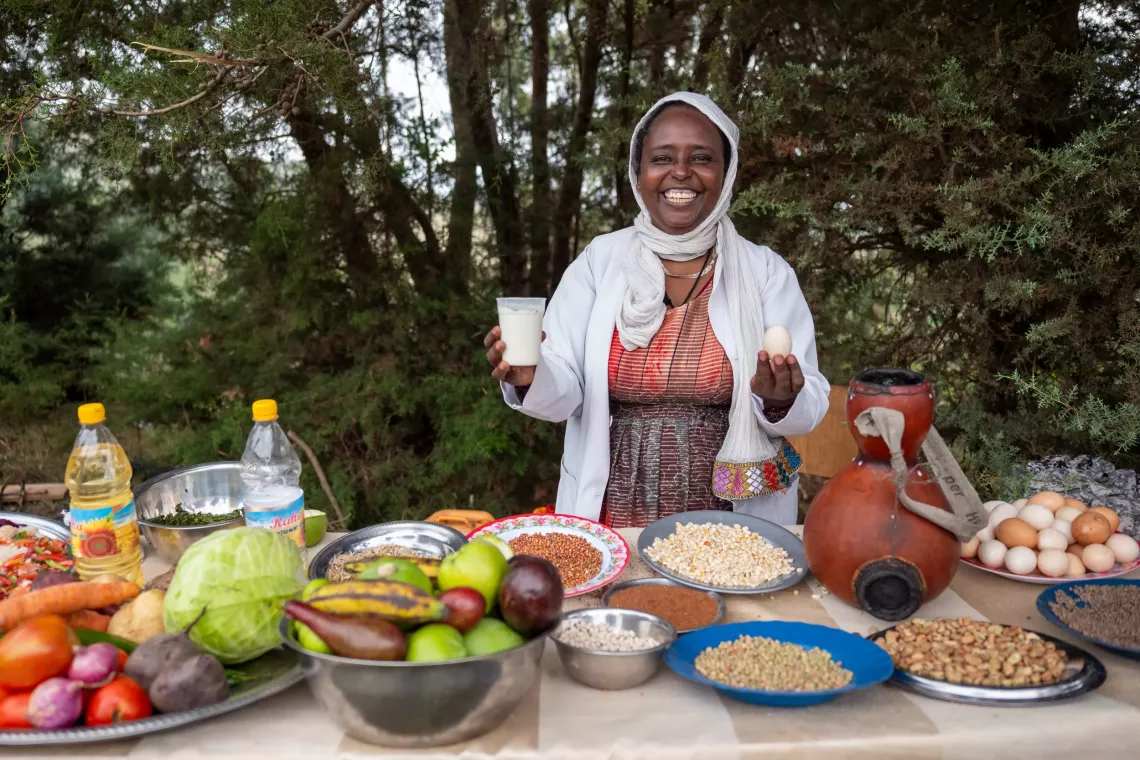
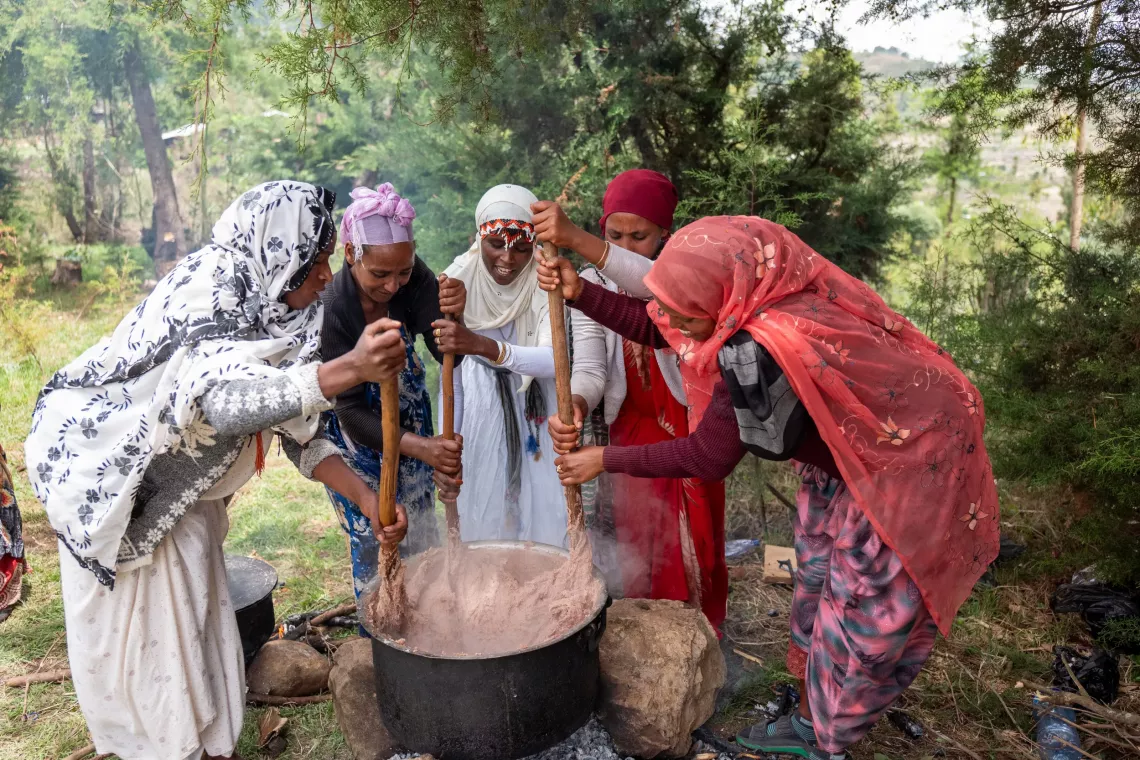
While children are vaccinated and screened for their nutritional status, mothers are receiving valuable knowledge and skills on how to prepare nutritious complementary foods at home from another health extension worker Konjit.
“We teach mothers about diverse diets, including how to incorporate fruits, vegetables, cereals, and proteins in their daily meals,” says Konjit. She added, “Apart from the services that we are providing at the health post level, the platform is helping us reach a much larger number of mothers and children at once, maximizing the impact of our efforts.”
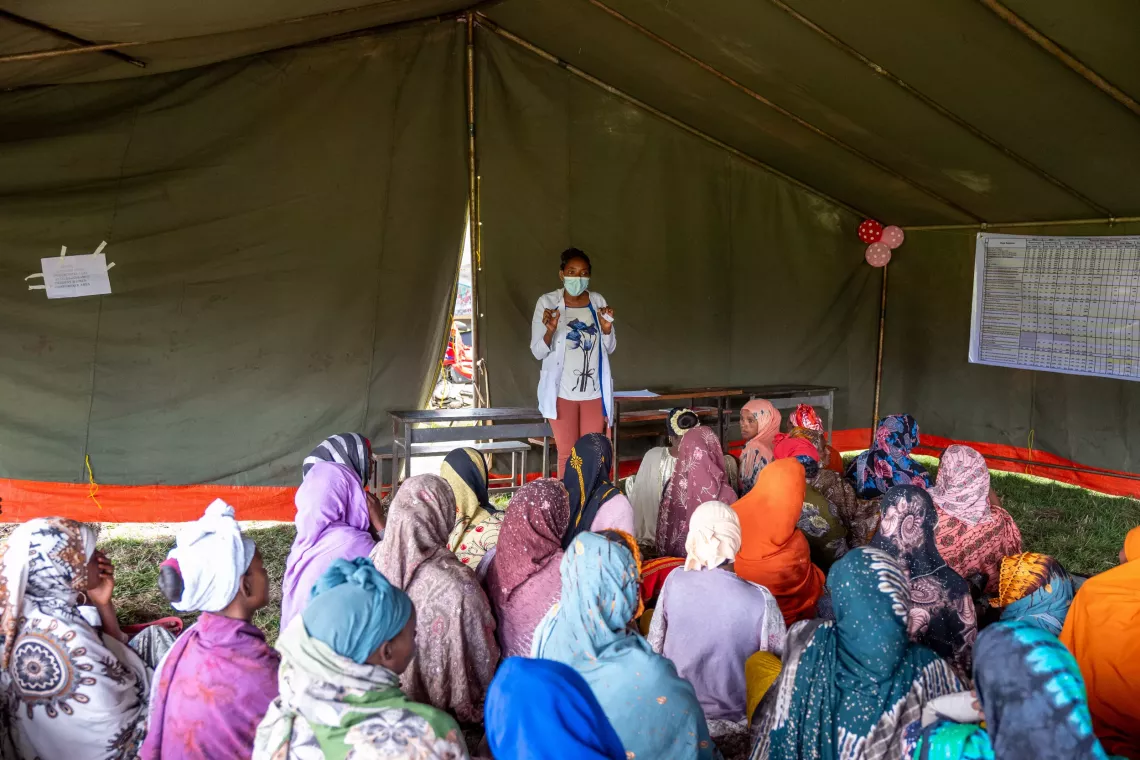
Next to Konjit’s tent, a group of pregnant mothers gather intently for a group education on care and support during pregnancy by health extension worker Emebet Tefera "I teach them about the importance of consuming nutrient-dense meals and taking micronutrient supplements," Emebet explains. "This knowledge empowers them to make informed choices about their health and the well-being of their babies. Additionally, I discuss the danger signs to watch for during pregnancy and the steps to follow to ensure the mother and baby remain safe,” says Emebet.
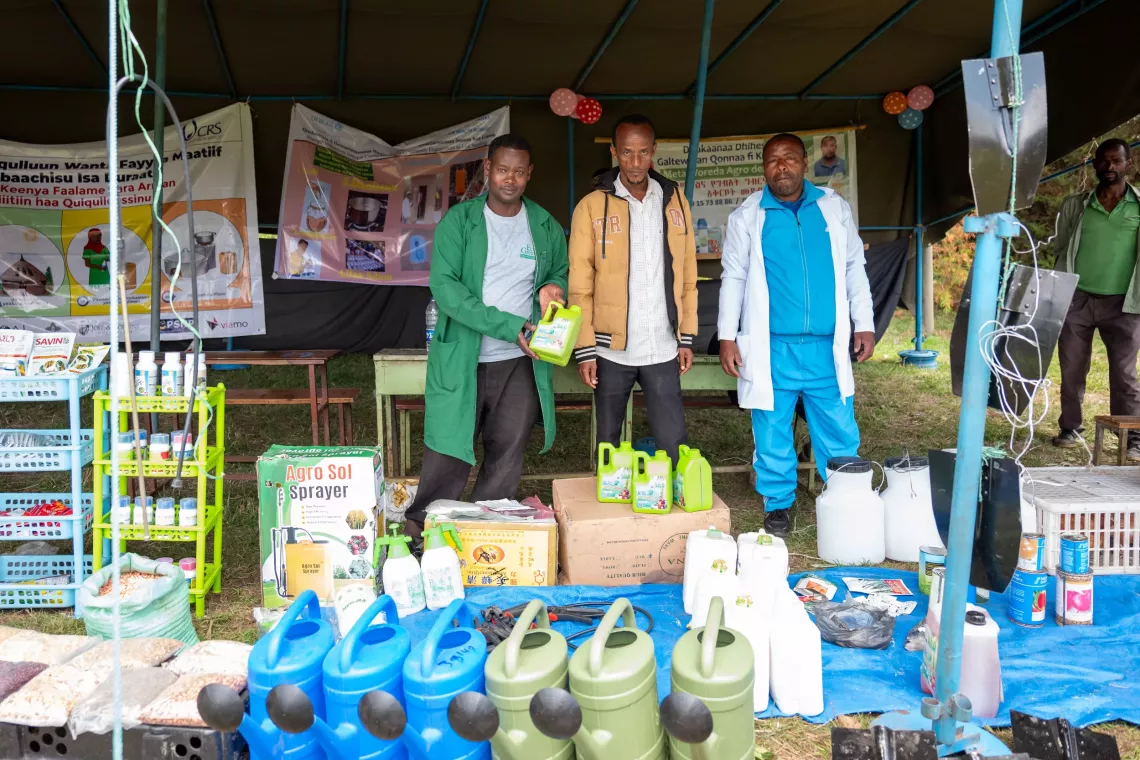
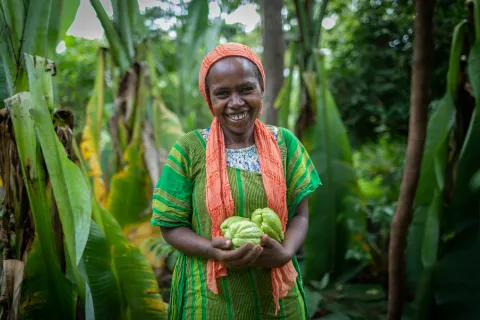
The success of the eCBN program hinges on its ability to offer integrated services that address the root causes of malnutrition. WASH and agriculture divisions play a vital role in this fight for sustainable change. The WASH division emphasizes the importance of sanitation and hygiene by providing affordable WASH supplies and promoting hygiene practices in the community. As the WASH division empowers communities to prevent WASH-related illnesses and create a safer environment for children to thrive, the agriculture extension services focus on empowering families to produce their own nutritious food through household gardens. By providing affordable seeds and promoting sustainable agricultural practices, they equip communities with the tools they need to become self-reliant. "We offer these resources at accessible prices, keeping the community's economic situation in mind," explains Yohannes Alemayehu, the Woreda Agro Leader.
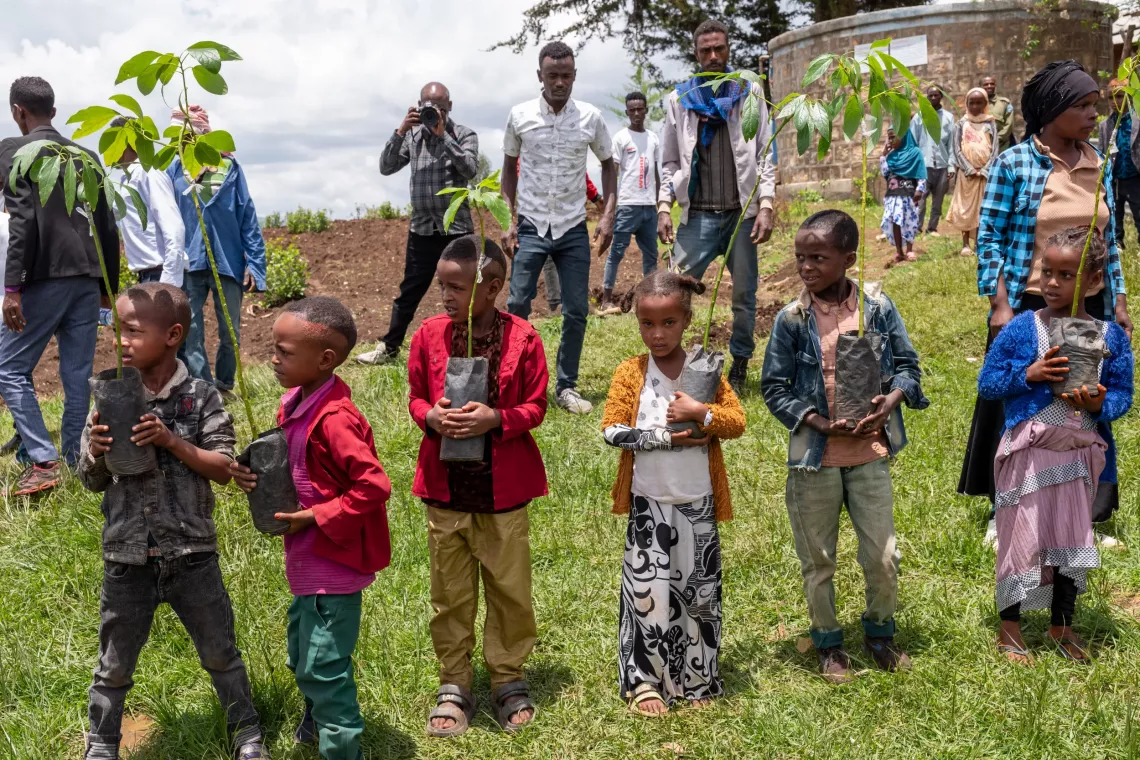
UNICEF, with financial support from the Power of Nutrition, Eleanor Crook Foundation, The End Fund, and Rotary Foundation collaborates with the Ministry of Health (MoH) and other government sectors to champion community-based nutrition programs like eCBN. This innovative model empowers communities to take ownership of their nutritional well-being by actively participating in addressing their unique challenges. eCBN fosters a holistic approach by encouraging collaboration across different systems and sectors. Health workers, agricultural extension agents, WASH specialists, and community leaders work together to deliver essential services under one roof. This streamlined approach simplifies access to health and nutrition support for families.
Recognizing this potential, UNICEF aims to support the Ethiopian government in expanding eCBN across the country. With large-scale implementation on the horizon, the program has the potential to reach over 15 million children under five, empowering them to thrive and build a healthier future.