A new rhythm to Rawda’s day
When water comes closer to home, women and girls have more time to work, rest and care for their families

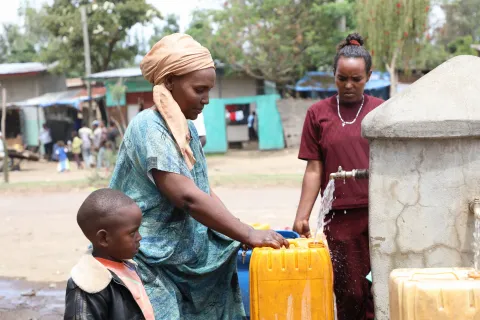
PROSPECTS-supported investments in sustainable water supply and sanitation services are transforming lives in Ethiopia’s Afar Region. Women like Rawda Kalil no longer have to travel long distances to collect water, giving them more time for their families and other daily activities.
Berehale, Afar Region, Ethiopia – The sun is already high over Berehale as Rawda Kalil begins her day. But unlike before, she no longer worries about where her family’s next jerrycan of water will come from.
“I don’t have to worry about carrying a jerrycan when I wake up each day,” says Rawda, a mother of three boys. “Now I have a tap here in my house.”
Rawda’s day now begins more easily. She fills a bucket from the tap inside her compound and starts preparing breakfast for her family.
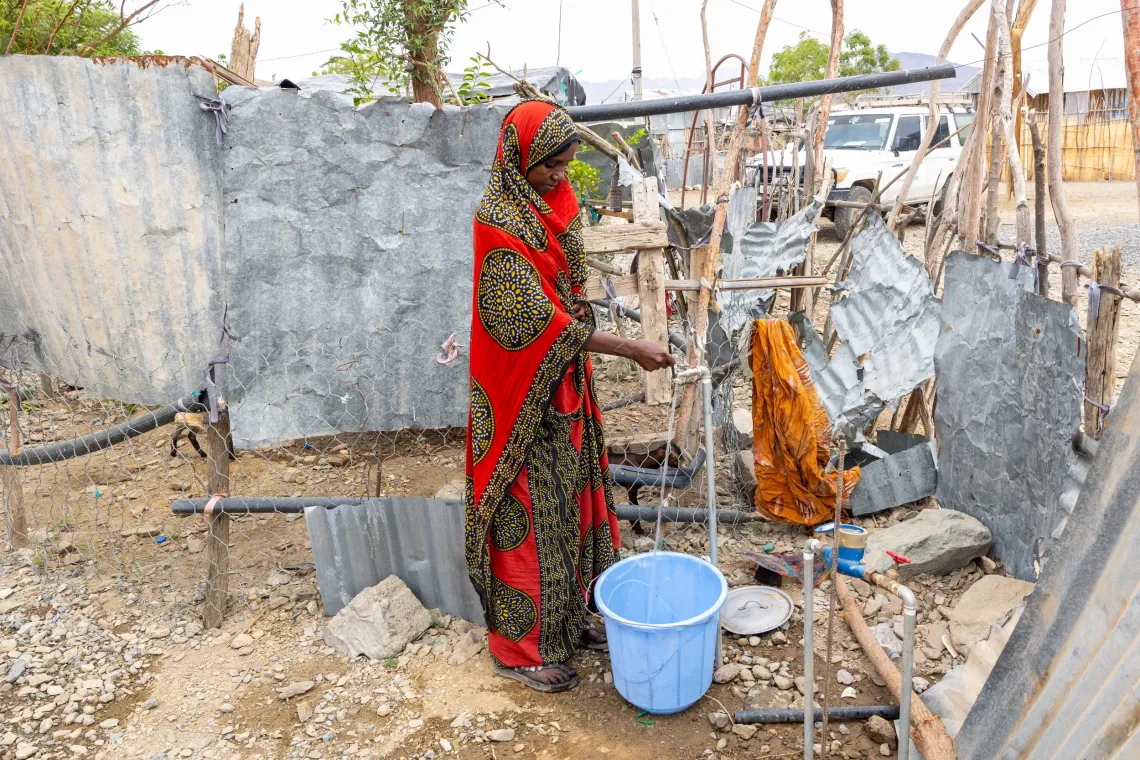
“I don’t have to worry about carrying a jerrycan when I wake up each day. Now I have a tap here in my house.”
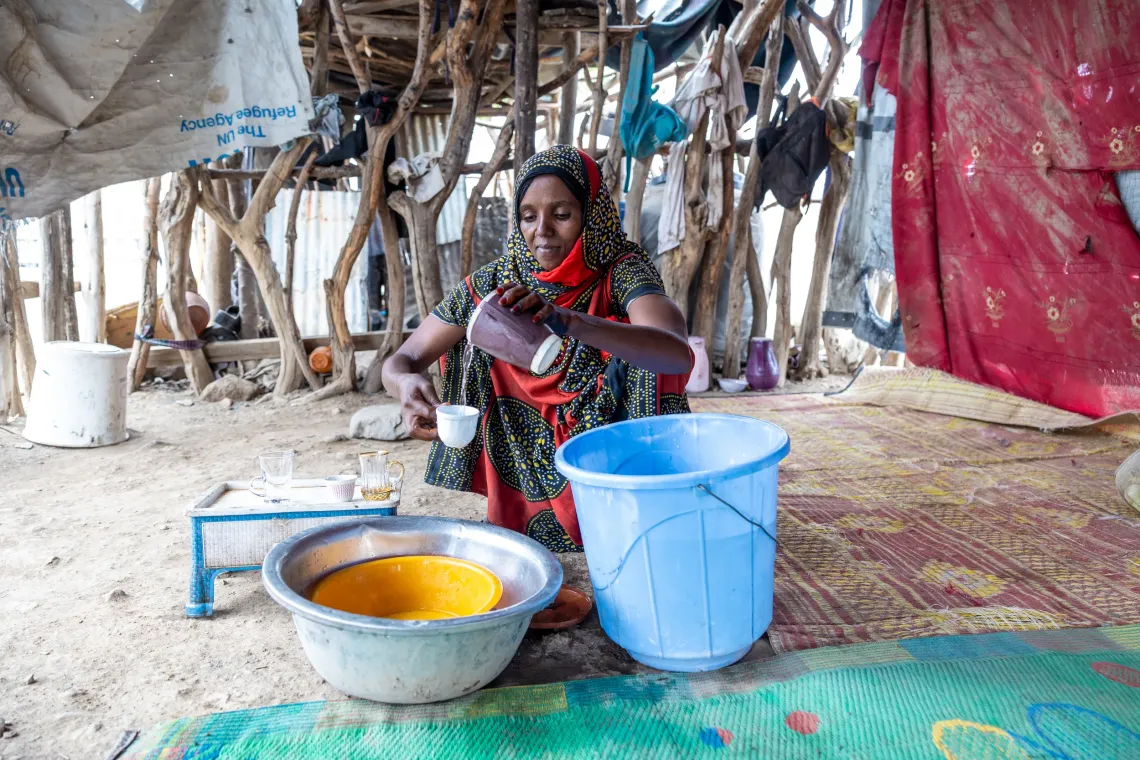
She then moves on to her daily household chores: cleaning the house, washing dishes and preparing food.
“I used to carry a jerrycan of water home every day. When I could get a donkey at the water point, I could bring an extra jerrycan,” she says. “But the water I bought was never enough for the whole day, and I often had to go back in the afternoon. Now everything has changed.”
With water readily available at home, even routine tasks have become easier.
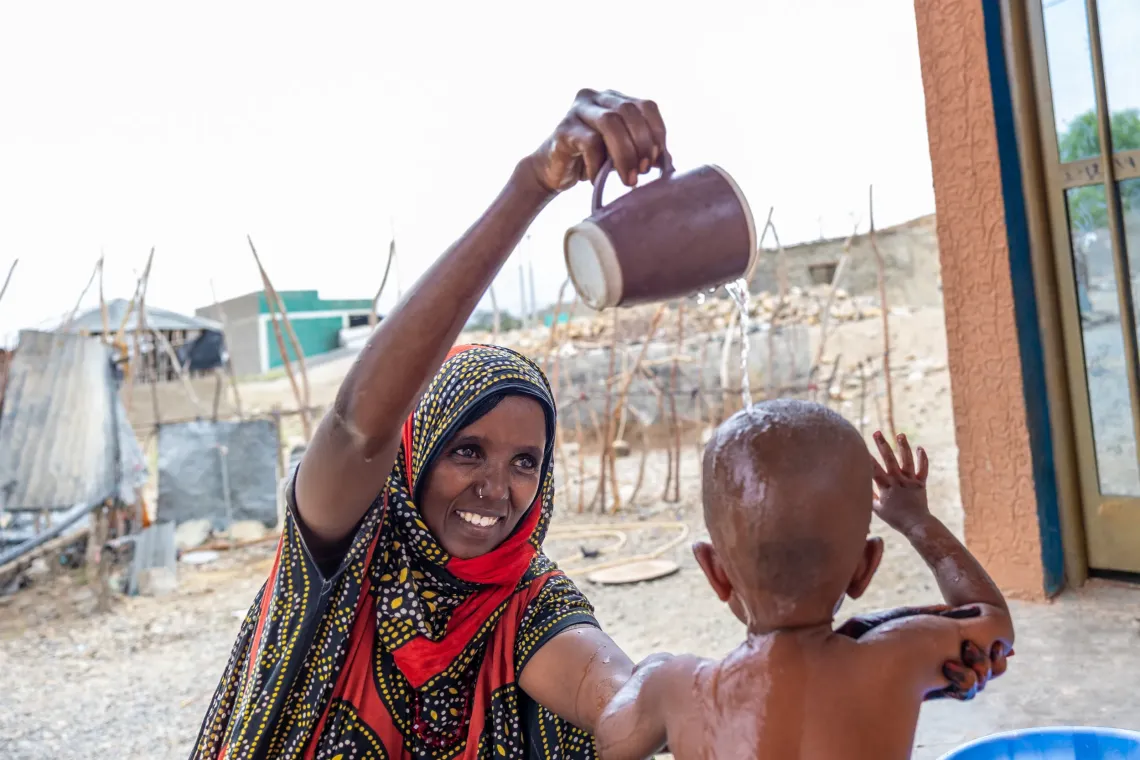
After finishing her morning chores, Rawda gives her 18-month-old son, Mohammed, a bath. The toddler stays close to his mother as she gently washes him.
“Having water at home makes it easier for me to keep my children clean and healthy,” she says.
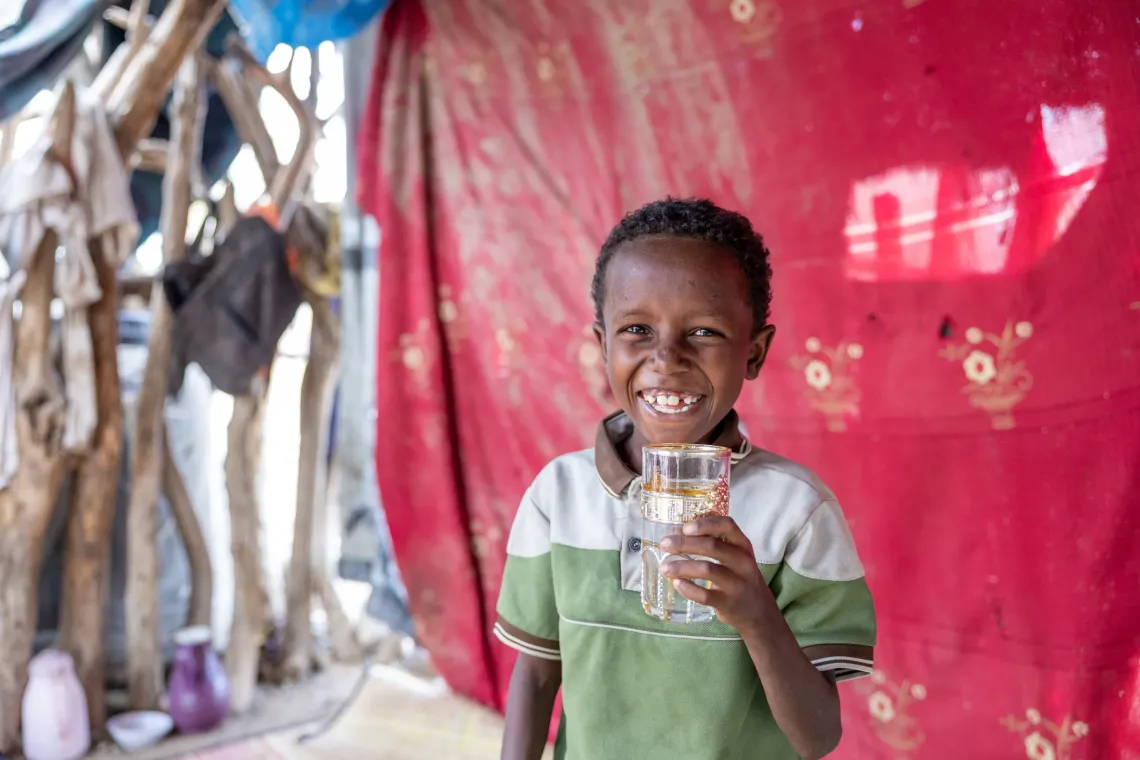
Outside, Rawda’s older son is enjoying his school holiday and playing with friends. As the day gets hotter, he runs home for a drink of water before heading out to rejoin them.
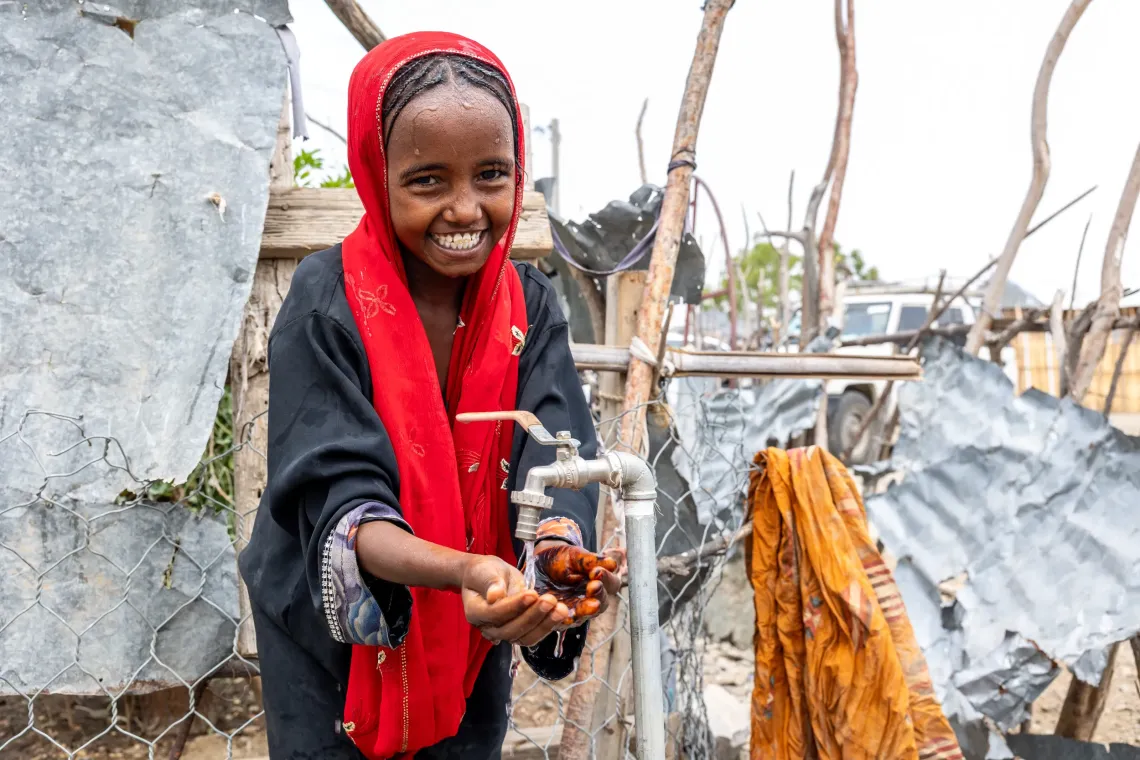
Rawda’s younger sister, Medina, who lives with the family, is also learning the importance of good hygiene. A Grade 4 student, she carefully washes her hands with soap and water, a simple habit that is easier to maintain when water is readily available at home.
Just six months ago, Rawda’s family did not have enough water at home to meet its daily needs. Now, a tap inside the compound has transformed the family’s daily routine.
The improvement is part of a broader PROSPECTS-supported investment in sustainable water supply and sanitation services for refugee and host communities in Berehale. Two large reservoirs were constructed on higher ground, and existing boreholes were rehabilitated to increase the volume of water pumped into them using solar power. Distribution networks were also expanded to reach neighbourhoods across the town.
So far, 900 families, including Rawda’s, have received household water connections, while the network continues to expand.
For Rawda, the change is about more than having water at home. It has given her something she once had very little of: time.
After completing her household chores, Rawda often sits with her neighbours, catching up and talking about their day.
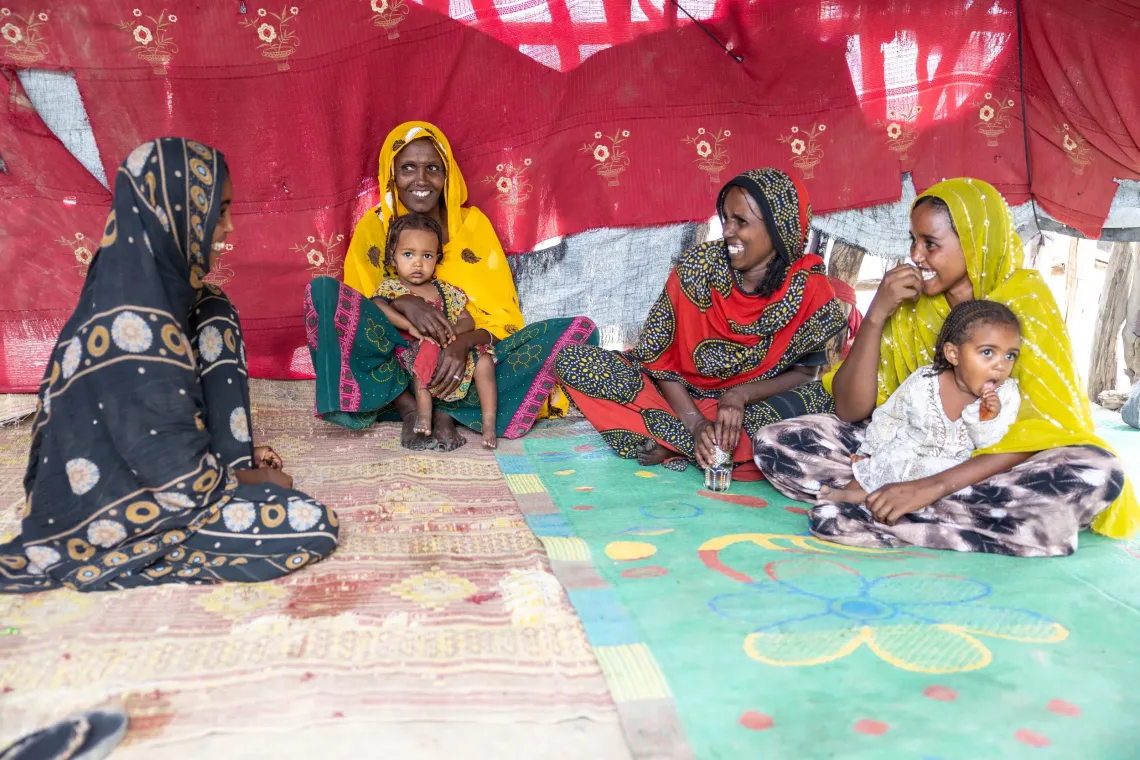
“We have more time to rest,” she says. “My neighbours also have taps in their homes, and we no longer have to go out looking for water.”
For women and girls in Berehale, having water closer to home means spending less time walking long distances and carrying heavy containers. It reduces the physical strain of collecting water while giving them more time for other important parts of their lives: caring for their families, going to school, pursuing livelihoods, completing household tasks or simply resting and spending time together.
A tap at home may seem like a simple change. For Rawda, however, it has transformed the rhythm of daily life, easing the burden of collecting water and giving her family more time to care for one another, stay healthy and enjoy life.