Multiple Micronutrient Supplements, boosts the health of pregnant women and their babies!
The benefits of the Multiple Micronutrient Supplementation program in the Sidama region of Ethiopia.
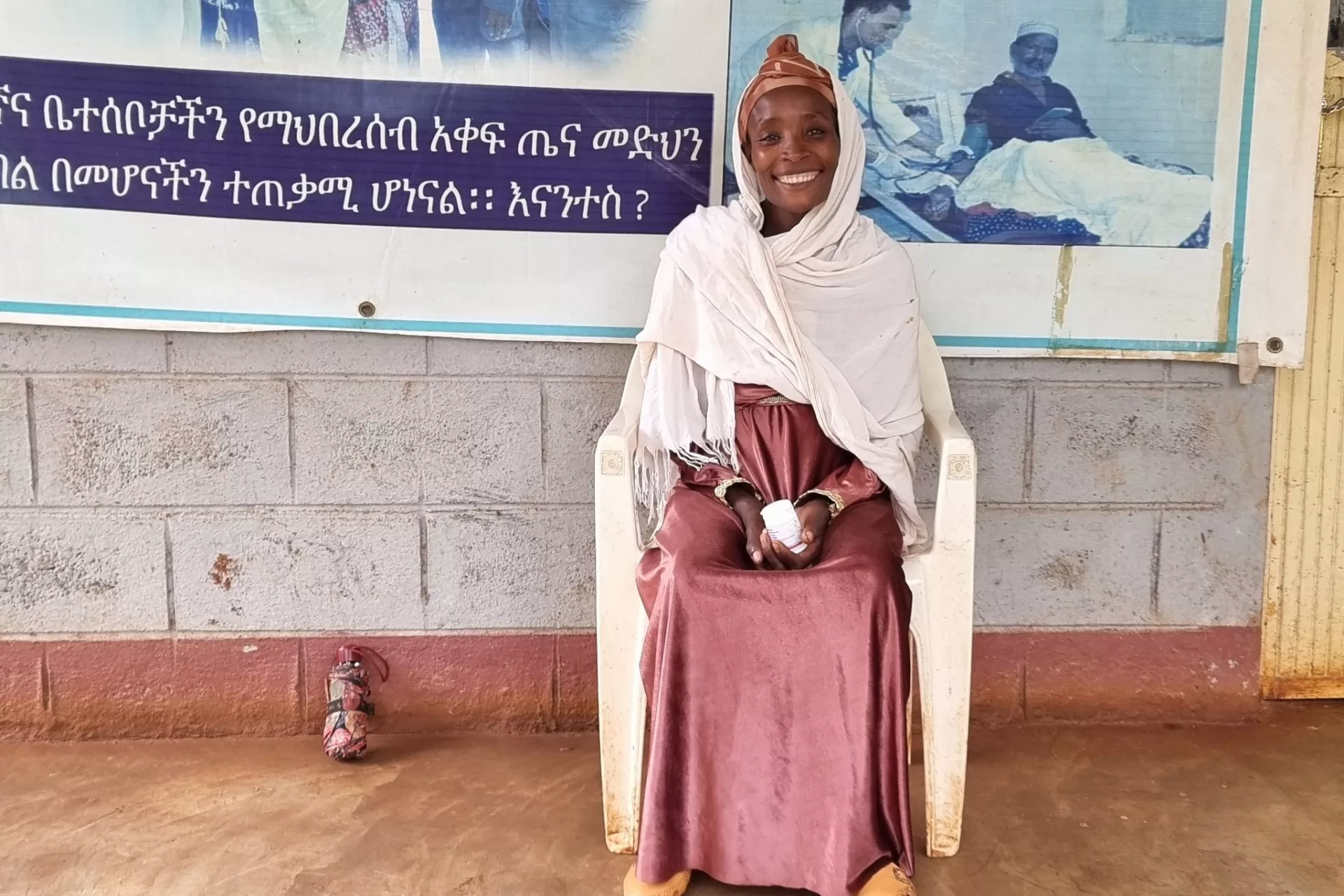
In the Aleta Chuko woreda (district), UNICEF Ethiopia along with the authorities and the Children’s Investment Fund Foundation (CIFF), improve the health and survival rates of pregnant mothers and their unborn babies through supplementation of multiple micronutrients to pregnant women as part of its ante-natal care programme.
The Multiple Micronutrient Supplementation (MMS) is implemented in 21 woredas in five regions: Oromia, SNNP, Sidama, Somali, and Gambella regions of Ethiopia.
“The health workers told me to take only one pill per day at night after a meal,” says Birtukan Basha (36), who is 8 months pregnant. “In my previous five pregnancies, I was facing several health issues, such as anemia, gastric problem, dizziness, and loss of appetite. But since I start taking MMS; I feel energetic, healthy, and feel my skin is glowing.”

MMS are formulated for pregnant women to provide 15 essential vitamins and minerals that are scientifically proven to benefit the overall health of both the mother and the infant. It is recommended that mothers take these supplements throughout pregnancy to ensure that infants get adequate levels of vitamins and minerals from their mothers.
“Pregnant women start taking MMS in their 12 weeks of pregnancy, one pill per day, until finishing 180 pills as per the guidelines,” says Alemgenet Assefa, a midwife in the Futahe health center.

Amsal Teshale (23), who is 6 months pregnant with her second child is benefiting from the supplementation programme. “Since I start taking MMS, I feel very energetic and healthy,” she says. “In my first pregnancy I was feeling dizziness, had anemia, loss of appetite and I was very thin, but now I gained the proper weight, and I don’t have any health issues.”

Bereket Yohannes (22), who is 9 months pregnant, is expecting her first child. She is happy with the benefit of the tablet. “The health workers always provide me counseling about how to strictly use it daily after meals and how it improves my unborn baby as well as my own health,” she says.

Tejitu Meko is a health extension worker at the Futahe health center. “I received training facilitated by the woreda health bureau and UNICEF about MMS in 2022,” she recalls. “I started teaching mothers how to use MMS pills and the significant help for their health and unborn babies. I’m a witness to see how the pill helps to improve pregnant mothers’ health as they are telling me how they feel since they started taking the supplementation such as having a good appetite, no anemia, gaining the appropriate weight, and feeling energetic.”
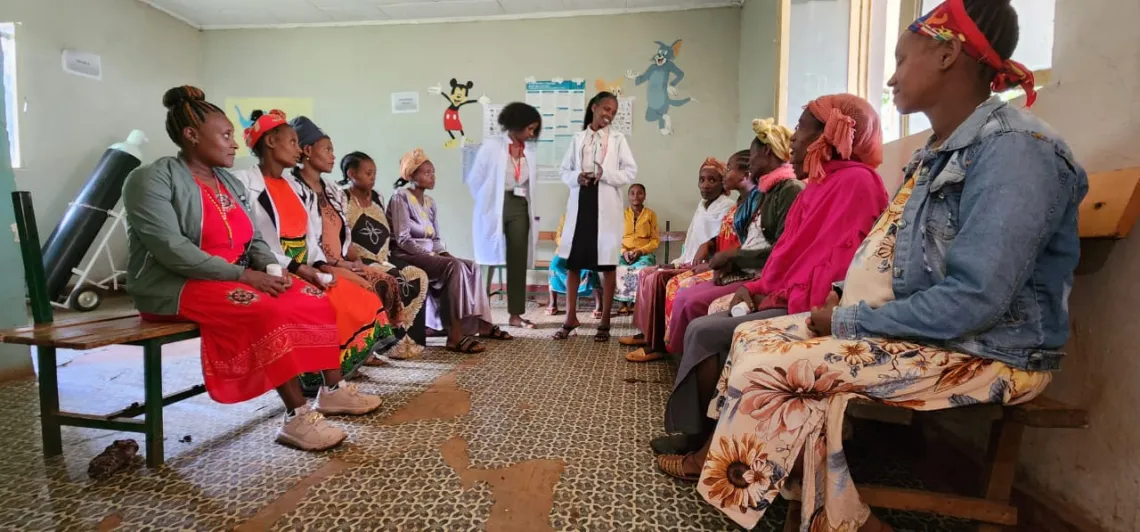
In addition to the supplementation of micronutrients, the health center facilitates a monthly counseling session to enable pregnant women to share experiences and receive advice from the health workers.
Multiple Micronutrient Supplementation is a low-cost and high-impact intervention that helps to reduce maternal anemia and improve birth outcomes. UNICEF would like to thank the Children’s Investment Fund Foundation (CIFF) for its generous contribution that supports the pilot programme to improve the health of pregnant women and their babies in Ethiopia.