For Every Mother and Child, A Healthy Beginning
Protecting the most vulnerable with strengthened health services
In Ethiopia, UNICEF, through funding from the Republic of Korea, is partnering with the Government to restore and strengthen the country's health service delivery systems. This collaboration supports the creation of a sustainable and resilient health system that offers quality services, particularly in reproductive, maternal, newborn, and child health. A key part of this effort is the deployment of skilled health workers to ensure that essential services reach families who need them most.
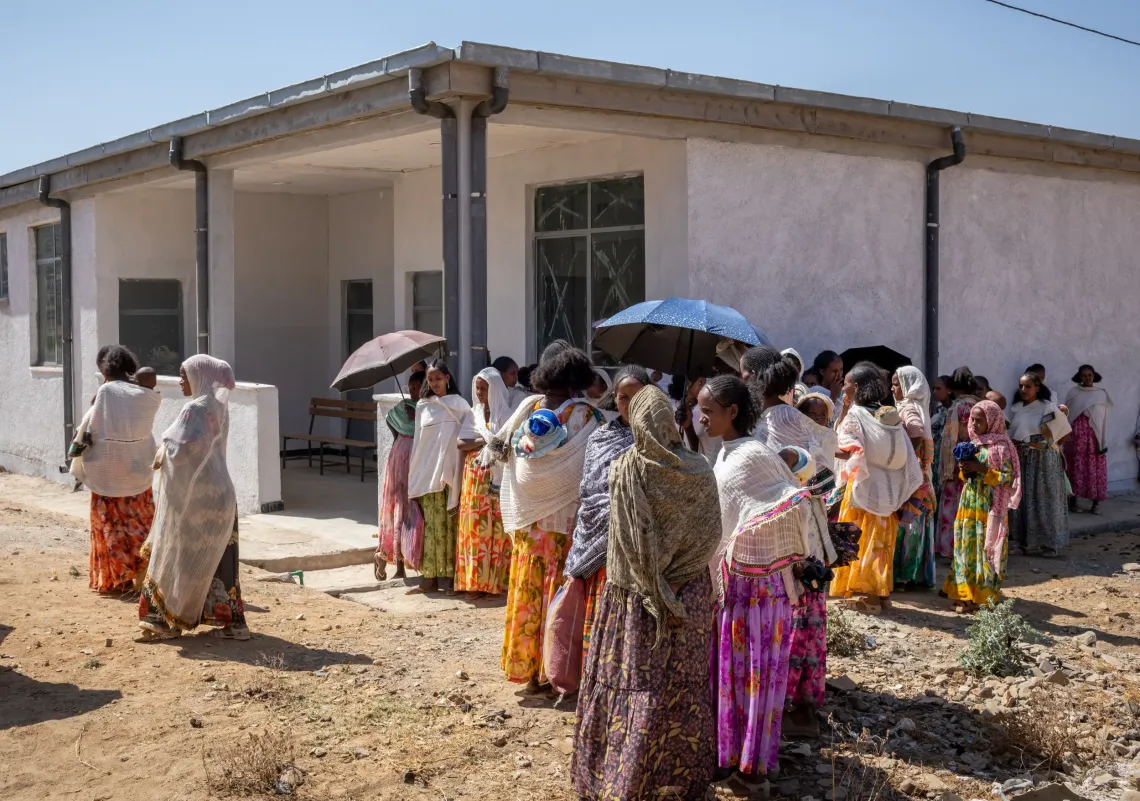
At the Habtemariam Comprehensive Health Post in Ahsea Woreda, in Tigray’s Central Zone, mothers wait patiently for their children to be vaccinated. Supported by UNICEF through funding from the Republic of Korea, the health post delivers essential primary healthcare to more than 12,000 people.
Despite working with incomplete infrastructure and limited staff, the facility continues to offer critical maternal and child health services. These include immunization, nutrition screening, antenatal care, and postnatal follow up.
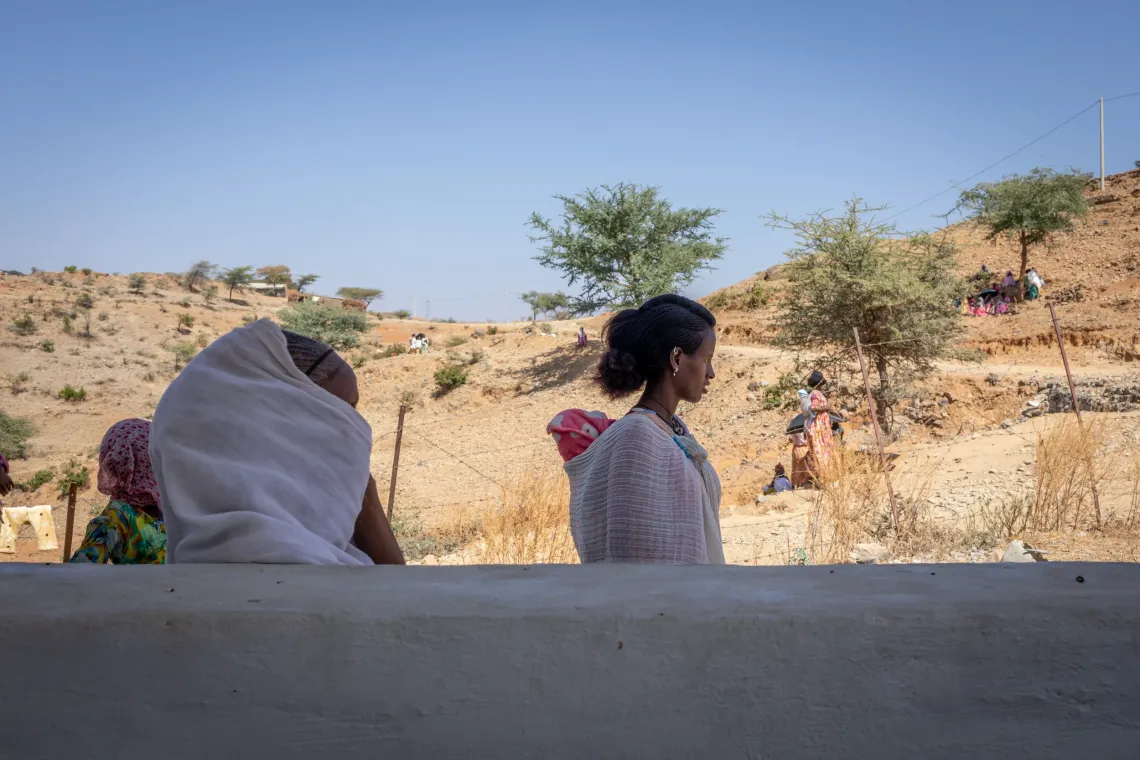
Health Posts in Ethiopia provide promotive, preventive, curative, and community-based rehabilitative services. They do this through a combination of household visits, community outreach, facility-based care, and mobile services, delivered by health workers who help safeguard the health of mothers and children in their communities.
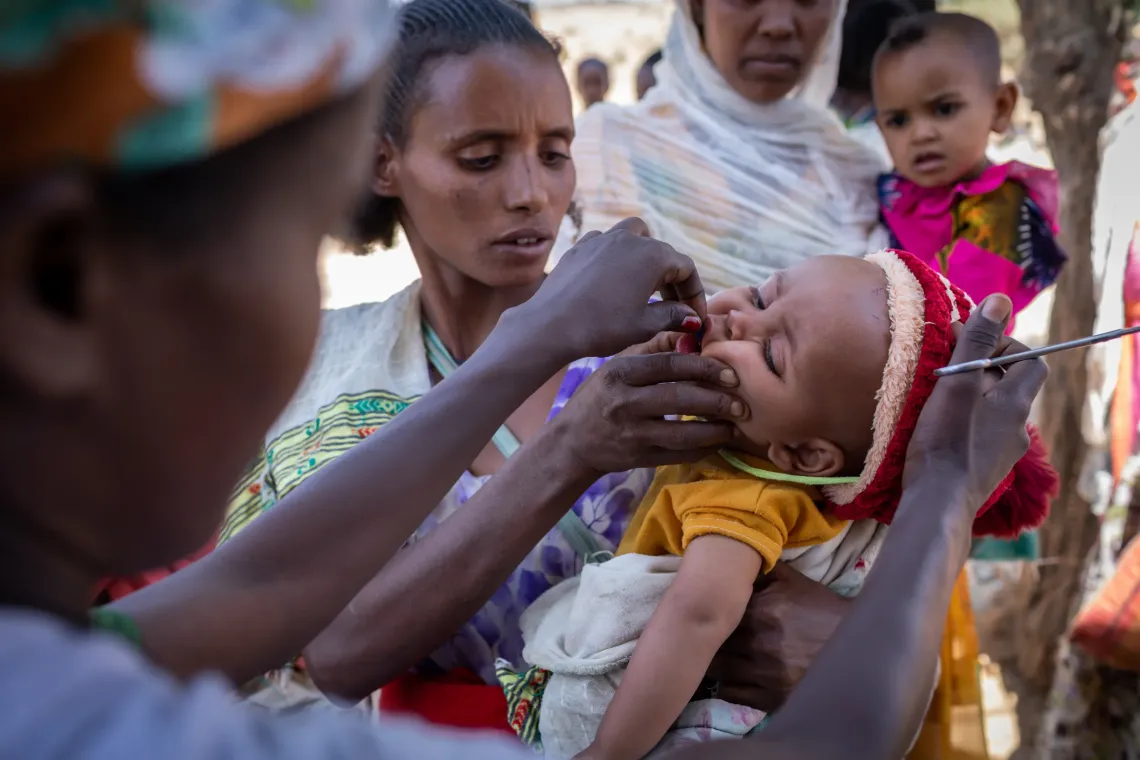
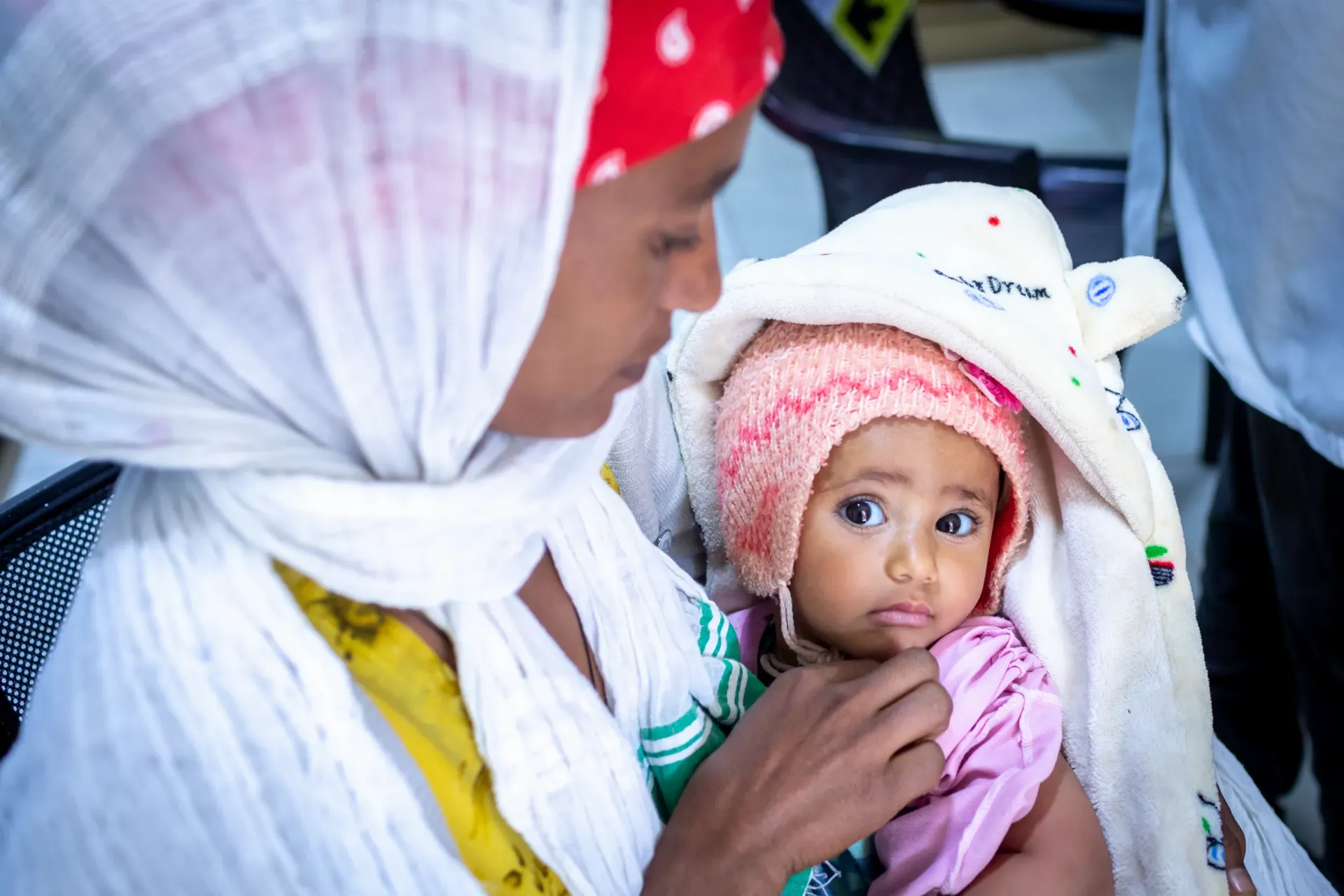
Haimanot GebreWahid, 24, holds her six-month-old baby as she arrives at the Habtemariam Health Post for vaccination.
“I know vaccination is important for my baby to protect from all diseases. I walked for two and a half hours to reach here, but it is worth the travel.”
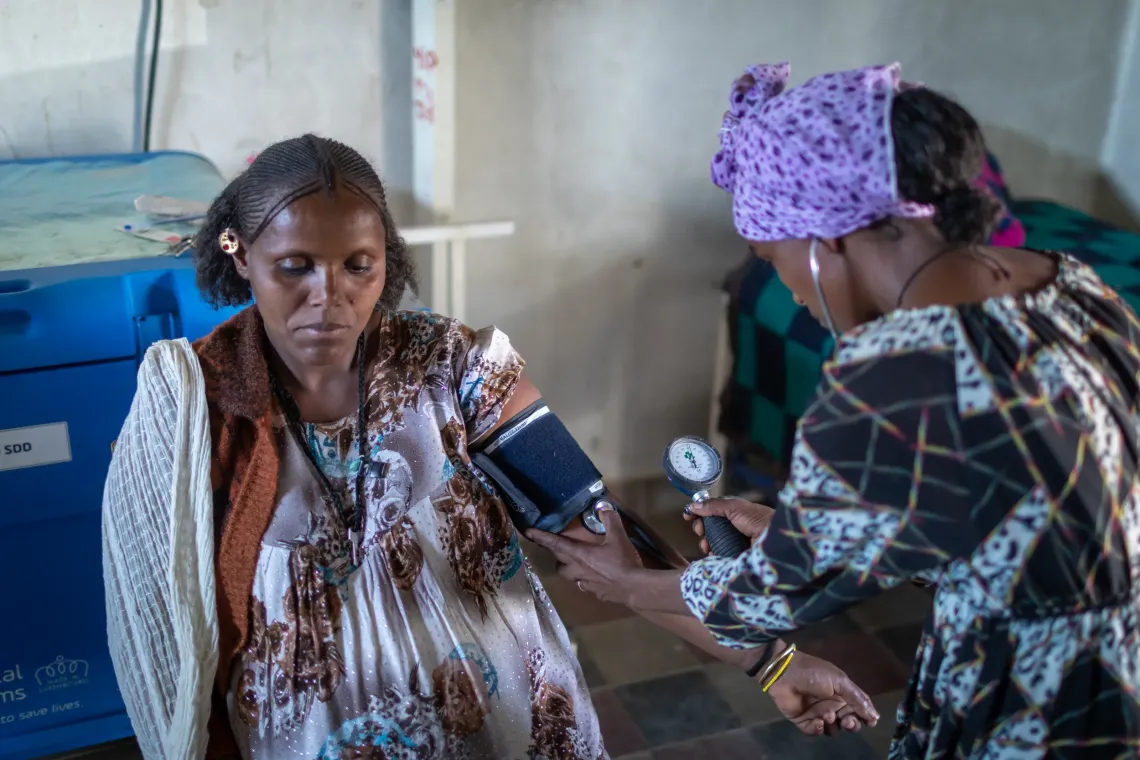
For the past eight years, 32-year-old Tehagos Zeray has served as a dedicated health worker at Habtemariam Health Post. On a typical weekday she welcomes 10 to 15 mothers, and this number rises to 20 or 25 during weekends. Many mothers travel four to five hours on foot to reach the facility. To ease this burden, Tehagos and her team also conduct essential outreach services twice a month.
It is during these visits that mothers like Abrehet Masho, age 35 and eight months pregnant, receive vital care. This includes the TT vaccine, iron and folic acid supplements, and important health education that supports safer pregnancies and healthier babies.
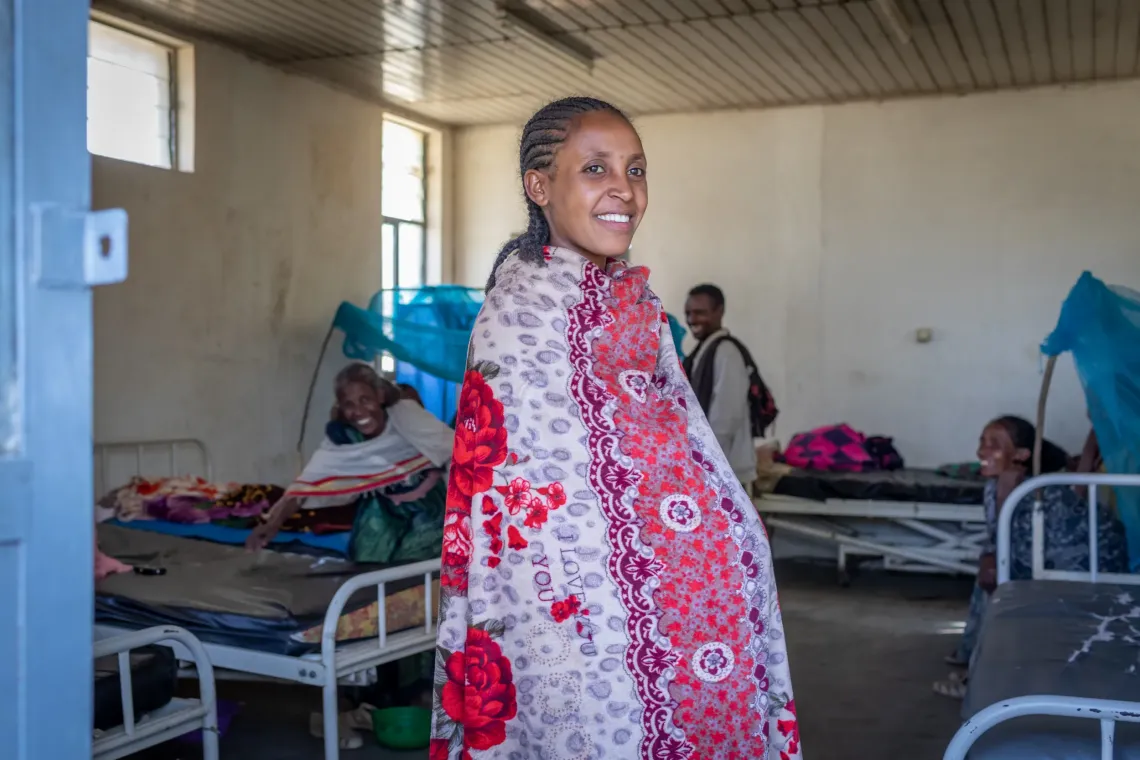
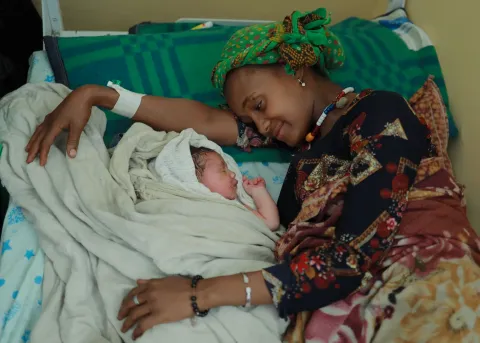
"It was a long journey to get here, a full 20 km on foot, but I knew it was necessary," says Tsega Gebremichael, age 19. Now at the Ahsea Health Center, she waits to deliver her second child. "I had to ensure we were somewhere safe, where we could get the essential care we needed for me and the baby."
As part of its commitment to reducing maternal mortality, UNICEF is supporting the maternity waiting home. This includes addressing logistical challenges by securing funds for fuel to keep the ambulance on standby, and by organizing and financing the safe transport of pregnant women from their communities to the maternity waiting home, and then onward to equipped health facilities for delivery.
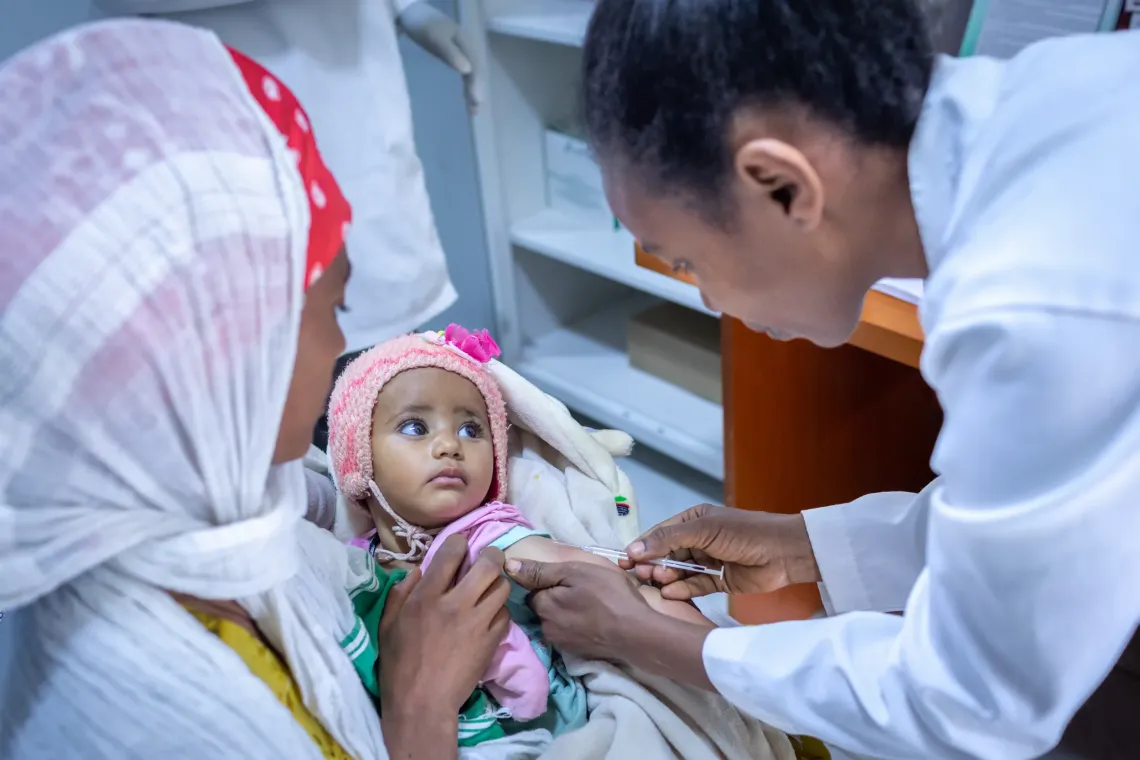
Across Tigray, similar efforts are underway to ensure that children receive lifesaving vaccines and mothers have access to quality care.
Freweyni Hagos, 24, has brought her nine-month-old daughter, Feven, to Selekleka Health Centre for her measles vaccine. This is Feven’s fifth vaccination.
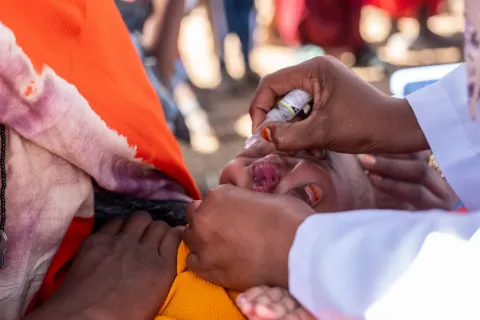
"I know that vaccination protects children from dangerous diseases, including those that can cause paralysis. I am so grateful to the health workers here, who are very friendly and provide excellent care. I am thrilled that my child is vaccinated."
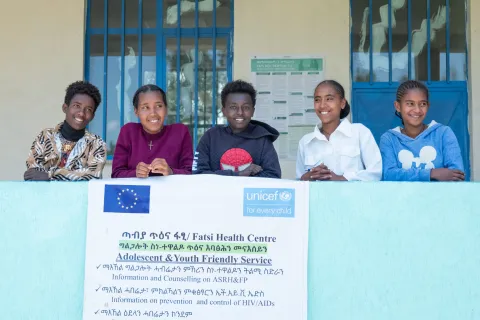
Selekleka Health Centre, supported by UNICEF through funding from the European Union, provides comprehensive health services, including access to running water.
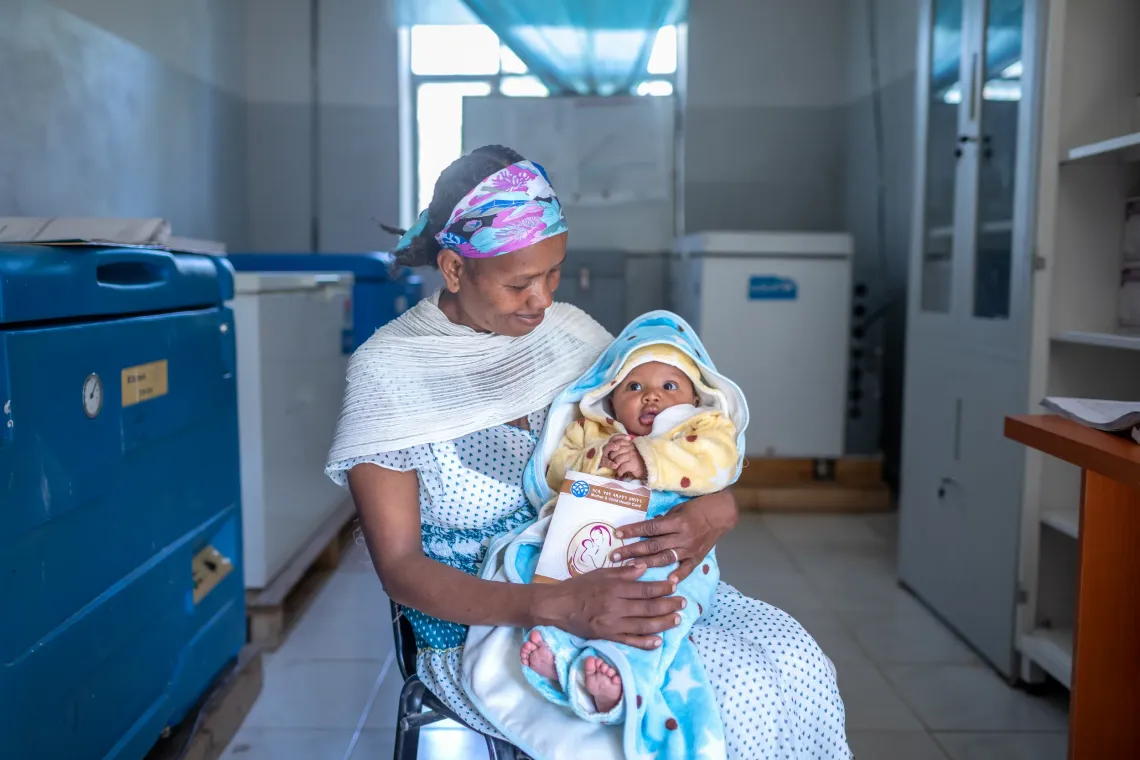
Baby Tsegab Gezai, aged two months, has received the Penta 2, PCV, and Rota vaccines. Her mother, Silas Abraha, 40, is grateful.
"I cannot express how thankful I am for UNICEF and the health workers here. They are the reason our children stay healthy. As a mother, the peace of mind knowing our children are protected is priceless."
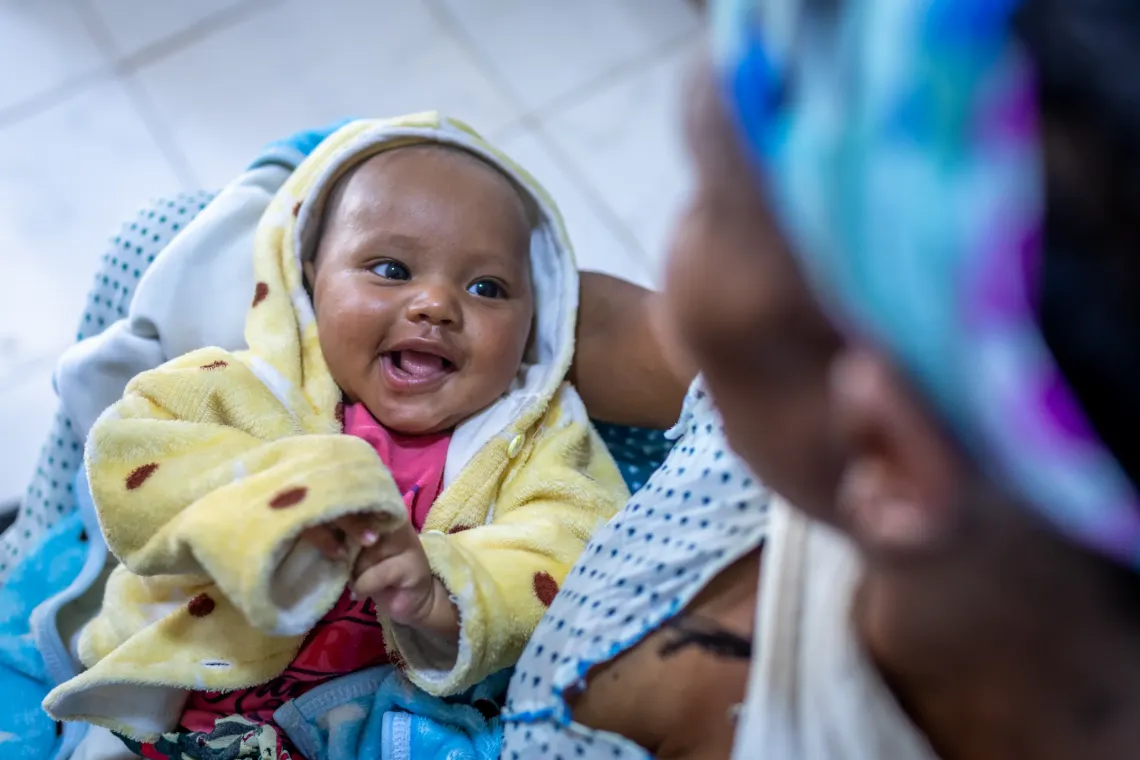
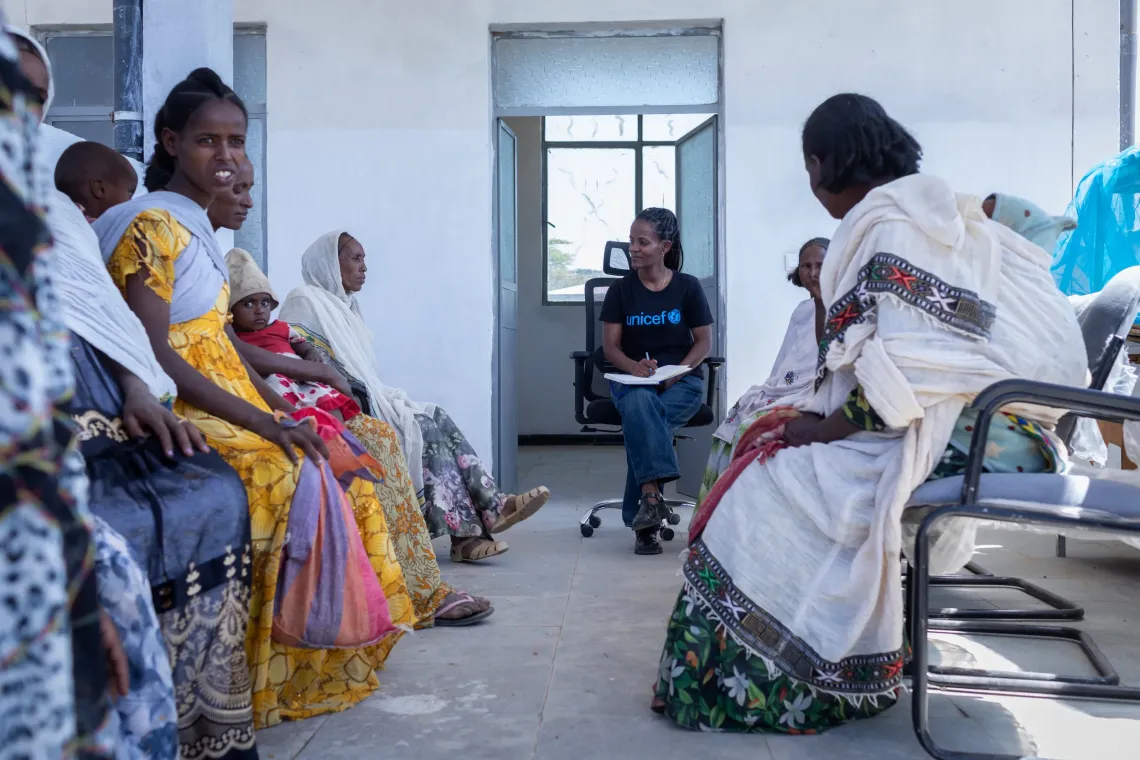
During a focus group discussion with UNICEF, a mothers’ group expressed deep appreciation for the vaccination services and for the dedication of the health workers, particularly for the outreach programmes that bring care closer to their homes. These activities are supported by UNICEF through funding from the Republic of Korea.
However, the mothers also highlighted several challenges that make it difficult to receive care. The lack of running water complicates safe deliveries and basic hygiene. Health workers face severe shortages of essential supplies and equipment, including gloves, medications, electricity, a stretcher, and sterile scissors. The absence of an ambulance is a major concern, since many mothers in labor must walk five to six hours to reach a health facility.
Despite these obstacles, the community is ready to help. For example, they expressed willingness to contribute to improving the road conditions so that essential health services can reach every mother and every child.
Above all, mothers emphasized that health is their highest priority. They noted that equipping the comprehensive health post and making it fully functional would bring significant benefits to women in Habtemariam.
Their message is clear, and their determination is strong, and with continued support these communities can build a healthier future for every mother and every child.