Empowering young people with inclusive health care
Adolescent and youth-friendly health services help young people safely access care and develop social skills in Tigray
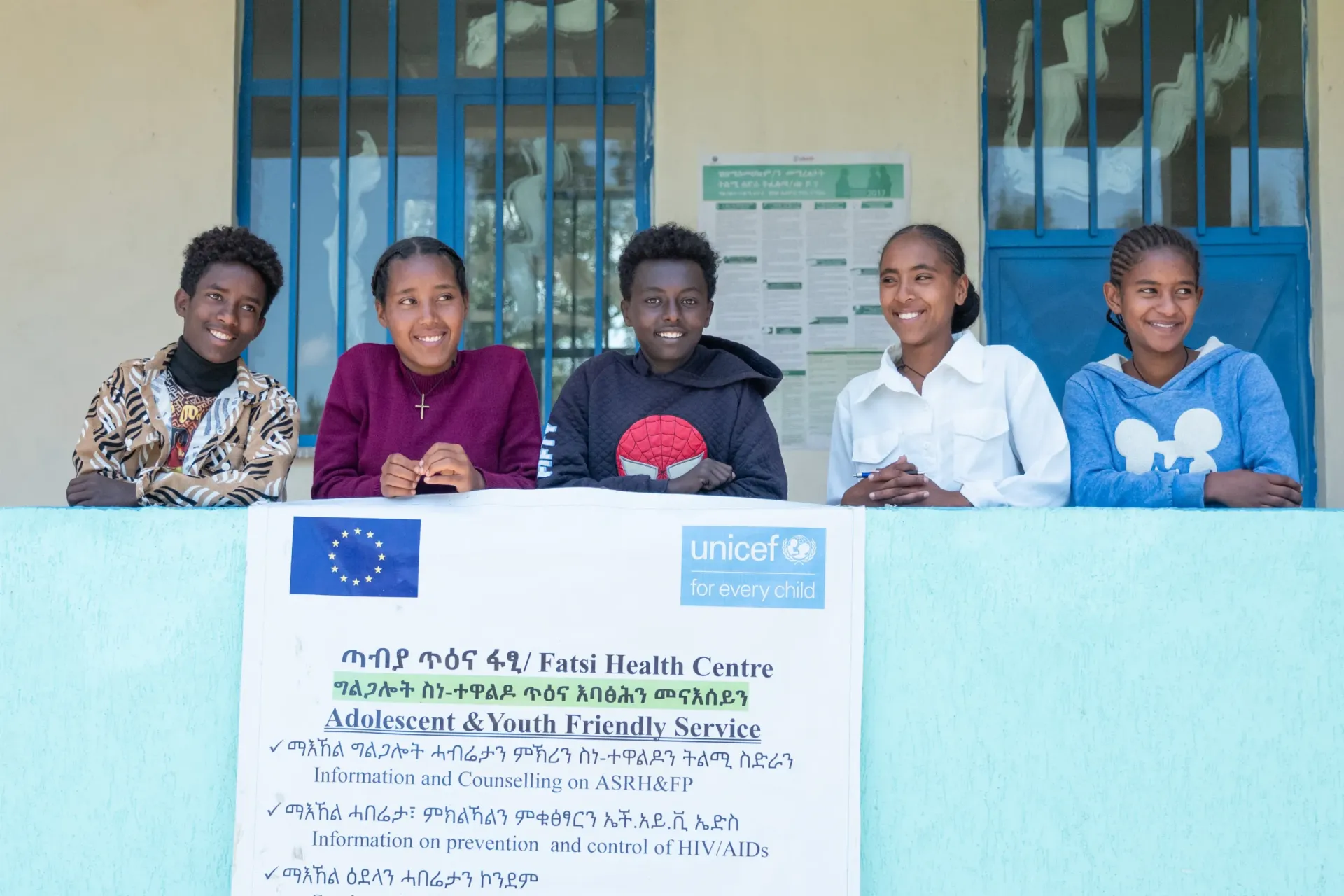
Every Sunday, Lidia and her friends gather at Fatsi Health Centre to prepare for a different kind of community service. Together, they discuss health issues affecting young people, rehearse presentations, and plan how to engage their community. What begins inside a youth-friendly health service unit is helping young people affected by conflict find support, build confidence, and improve the health of those around them.
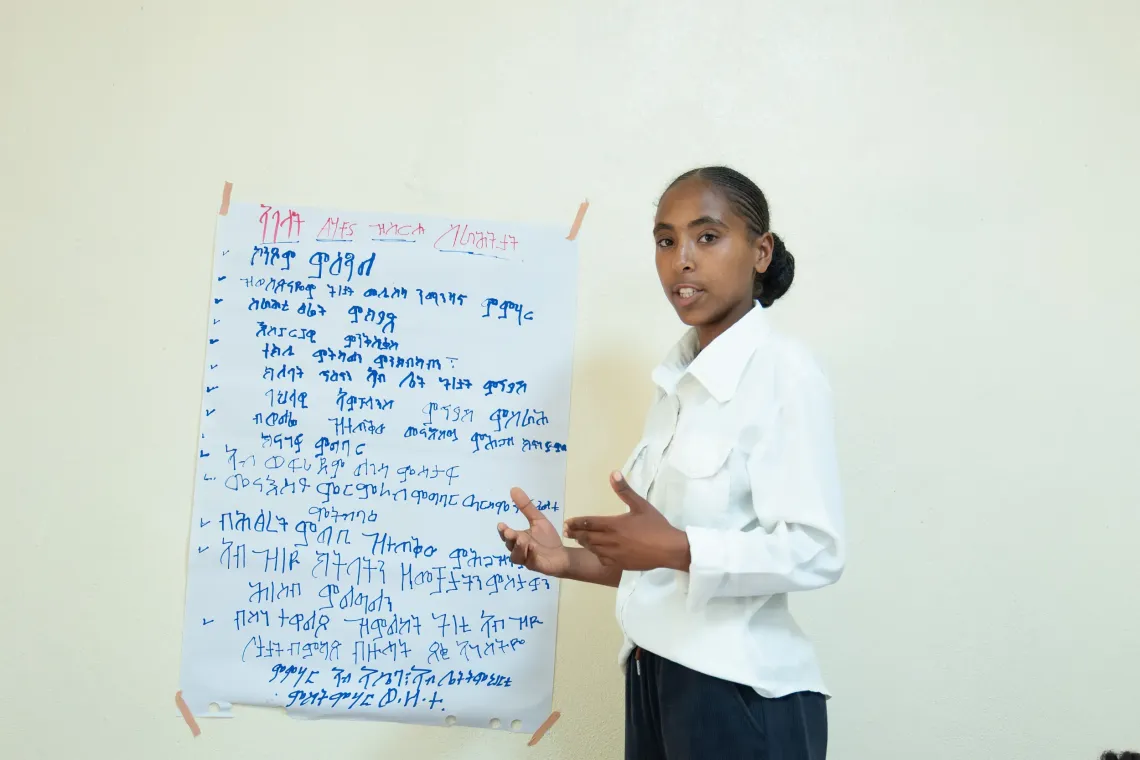
Inside Fatsi Health Centre's adolescent and youth-friendly health service unit, Lidia confidently shares updates with fellow youth volunteers. As one of the group's leaders, she works closely with health workers to organize community outreach activities, helping spread important health messages and connect young people with services they might otherwise hesitate to seek.
"On Sundays, we come to the health centre and prepare before heading out into the community," says Lidia. "Together, we choose topics for discussion, share ideas, and rehearse our presentations before speaking with people during market days and other public gatherings."
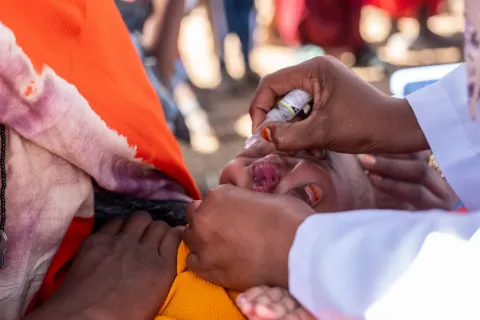
Lidia and her friends are more than participants in the youth programme, they are helping drive change in their community. Working alongside health workers, they support immunization campaigns, raise awareness about HIV prevention, organize blood donation activities, and assist traditional ambulance services that help people access care when they need it most.
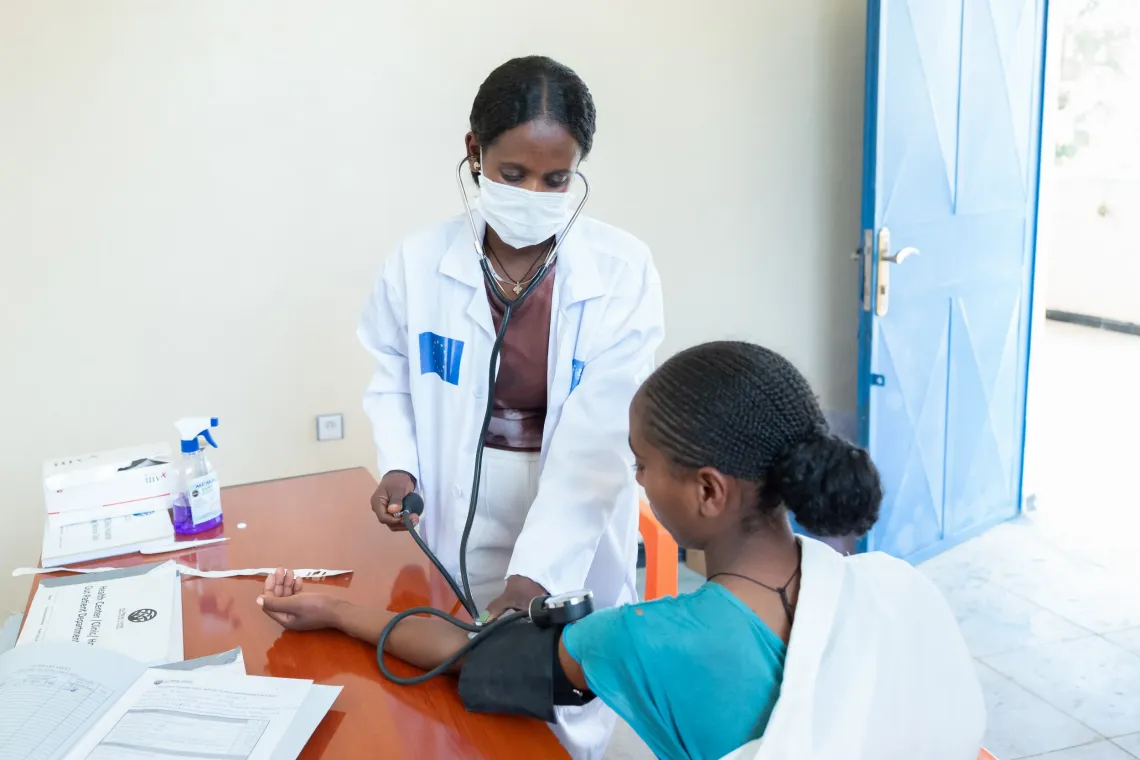
Behind these activities is a dedicated adolescent and youth-friendly health service unit at Fatsi Health Centre. Designed to meet the specific needs of young people, the unit provides a safe and welcoming space where they can access health services, seek support, and build stronger connections with their peers and community.
"Privacy is very important for young people seeking health services," says Tsadkan Girmay, Head of Fatsi Health Center. "We have a dedicated health professional and a separate space where adolescents can discuss their concerns and receive care comfortably and confidentially."
"For many girls my age, it can be difficult to talk openly about personal health concerns," says Lidia. "Some are afraid of being judged, while others feel embarrassed about seeking help. Having a dedicated space where we can speak freely and receive support makes a big difference."
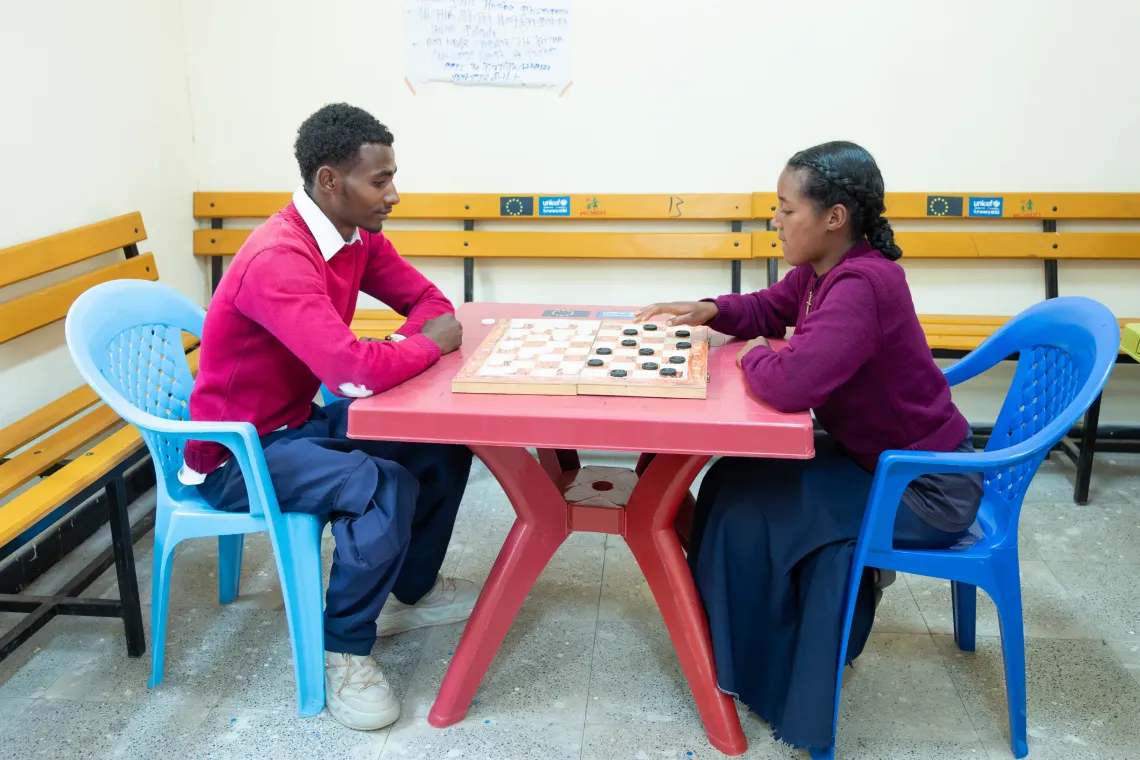
The youth-friendly unit is more than a place to access health services. Through sports, games, and recreational activities, it provides young people with opportunities to connect, build friendships, and develop new skills. For Lidia and her friends, these activities also help attract new members and create a stronger sense of community among local youth.
Lidia's group is one of many supported by UNICEF and the European Union across the conflict-affected regions of Tigray, Amhara, and Afar. Through youth-friendly spaces in schools, health facilities, and community groups, young people are finding opportunities to access support, strengthen social connections, and develop skills that benefit both themselves and their communities.
The impact of their work extends well beyond the health centre. Young volunteers like Lidia help encourage families to access services such as immunization and antenatal care, while leading community discussions on drug and alcohol abuse, HIV prevention, and unintended pregnancies. During disease outbreaks, including cholera and malaria, they also support frontline response efforts, helping health workers reach more people with lifesaving information and services.
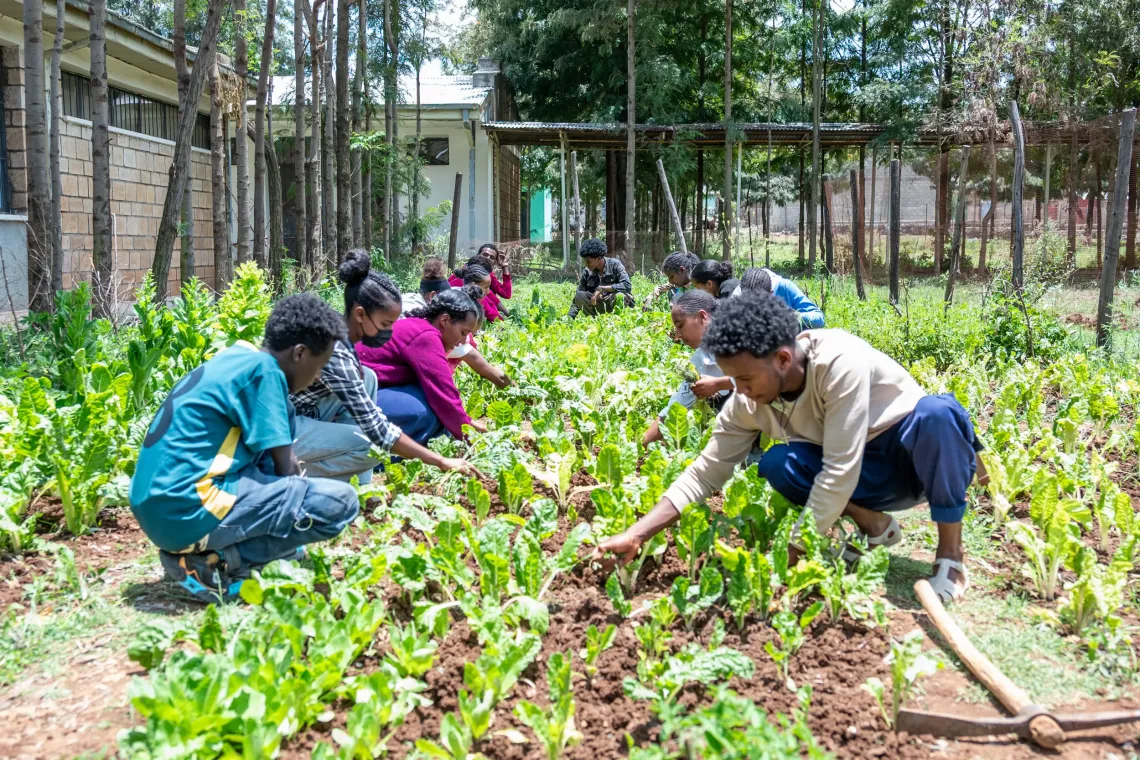
The group's activities do not end with community outreach and health promotion. After spending time together playing games and sports, Lidia and her friends gather in a small vegetable garden they established at the health centre. As they water the plants and clear weeds from the rows, they are helping nurture another initiative that supports local families.
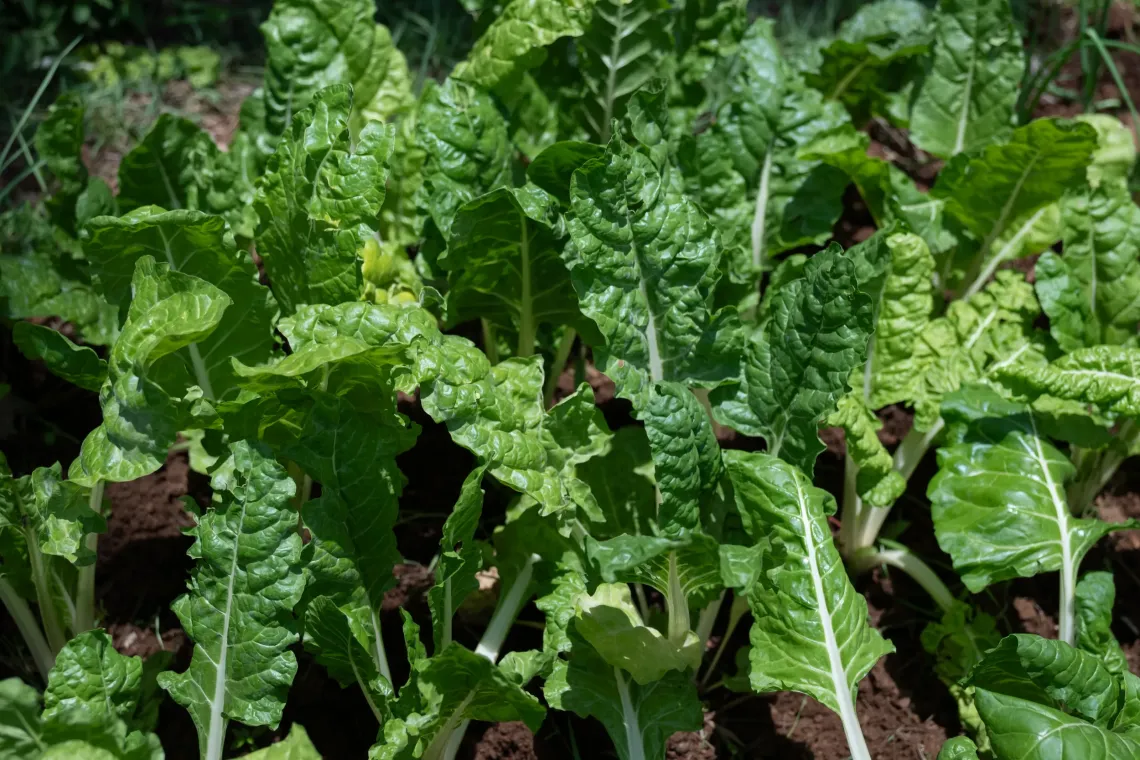
The vegetables they grow, including spinach, carrots, and tomatoes, serve a purpose beyond the garden itself. Health workers use the produce during cooking demonstrations, helping mothers learn how to prepare nutritious meals for their children. Any surplus is sold in the local market, creating a source of income and giving the young people another way to contribute to their community.
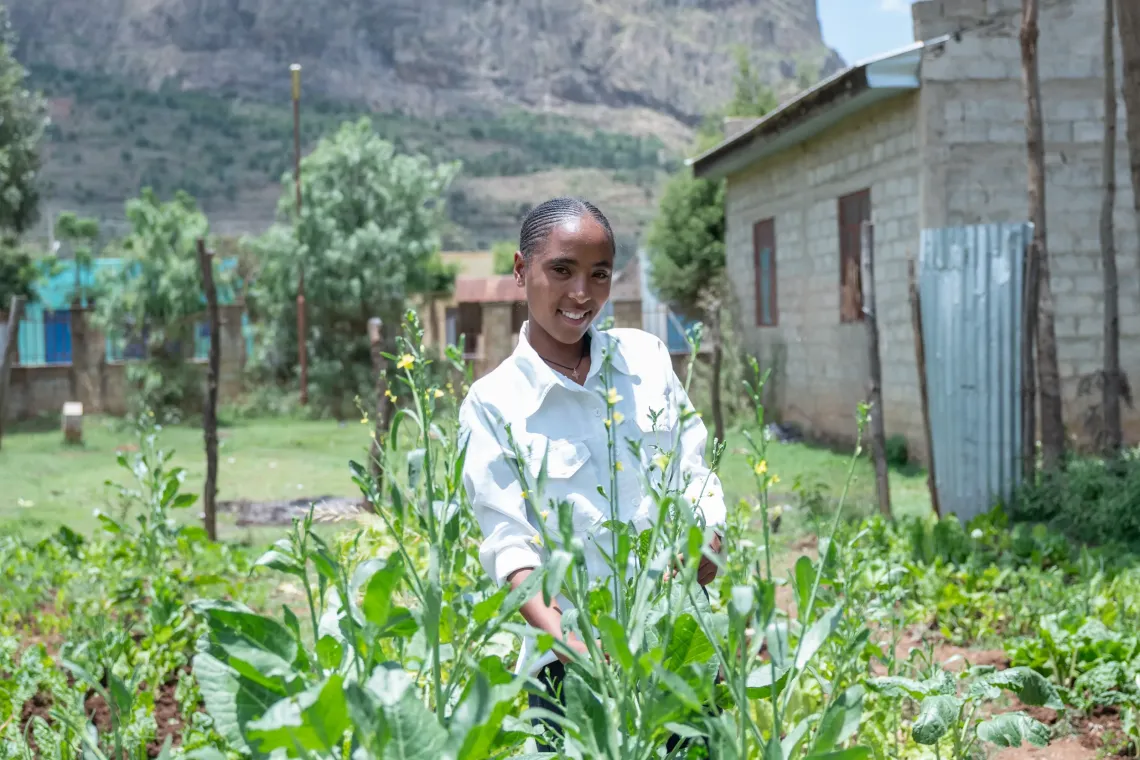
Encouraged by the garden's success, Lidia and her friends are preparing to expand it ahead of the rainy season. By planting additional seasonal crops, they hope to increase both production and the benefits the garden brings to the health centre and the wider community.
For Lidia and many other young people affected by conflict, the youth-friendly health centre is more than a place to access services. It is a space to learn, build friendships, support others, and develop the confidence to shape their future. With inclusive care and psychosocial support, young people are not only overcoming challenges, they are becoming leaders in their communities.