Education is the Pathway to Peace and Development
UNICEF steps up efforts to restore education in conflict-affected areas in Ethiopia

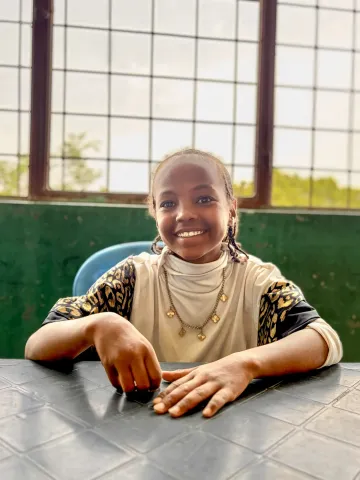
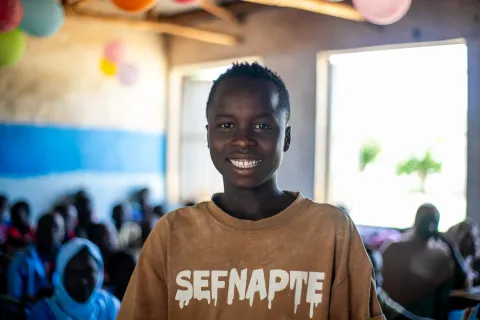
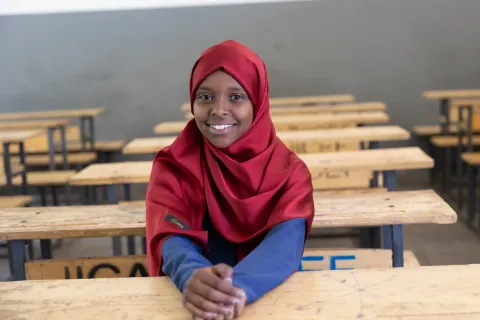
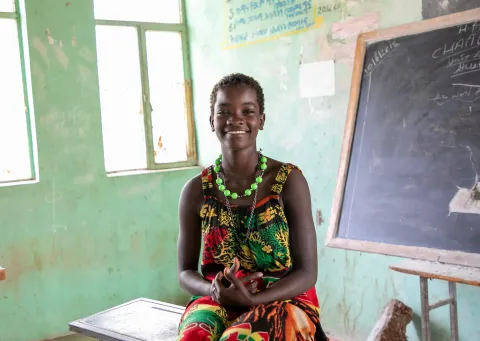
Liben Woreda (District), Oromia region, 26 December 2024 - When conflict spread across villages in the Liben district of the Oromia region three years ago, the future of Dermi and Kana was at stake. Both youngsters were eagerly learning to take the next step in their academic success.
“We were not sure if we could continue learning after our school becomes a base for the armed groups,” says Kana. “We left our homes and fled for safety.”
Their school, Dibe Adama, also sustained significant damage, which exacerbated the situation for students already suffering from a shortage of classrooms, desks, and other scholastic materials, which is a common problem in rural schools across Ethiopia.

The prolonged conflict between armed groups and government forces over the past three years in the Oromia region affected thousands of children and their families. In the Liben woreda (district) where Dermi and Kana live, 9 schools were severely damaged, affecting the education of more than 6,000 students. The conflict also raised protection concerns, increasing cases of sexual exploitation and abuse, neglect, and even separating children from their families.

The conflict cost Kana and Dermi valuable time in their academic progress, and it also left them with very unpleasant memories.
“Being away from school has consequences for young girls like me,” says Dermi. “Sadly, there are girls who got married and quit school.”
Things are now better for Dermi, Kana and many more children in Liben woreda. Peace has been restored, and children are learning. What is even more exciting is not just the reopening of the school, but the construction of new classroom blocks, girls’ and boys’ toilets, a library and menstrual hygiene management rooms for girls add colour to the rural learning centre.
In conflict-affected areas of the Oromia region, UNICEF and the European Union are working with partners like Imagine1day and the Oromia Development Association (ODA) to restore learning for children forced to be out of school due to the conflict. In addition, refresher trainings are also given to teachers while a specially design accelerated learning programme helps students who missed years of schooling to catch up. The provision of mental health and psychosocial support also helped students cope with the trauma of the conflict.
“Being away from school has consequences for young girls like me. Sadly, some girls got married and quit school.”

“This is just amazing. Our school looks modern and new classrooms are neat,” says Dermi. “We are also excited to have our own private space to rest during our period.”
“The construction of these new facilities is invaluable,” adds Mohammed the school’s director. "This area has been affected by conflict quite for some time and students were losing hope.”


Education paves the pathway to peace and development. It goes beyond equipping children with critical numeracy and literacy skills. Education not only restores hope for a better future but also empowers children like Dermi and Kana to become agents of change in their communities.
Dermi and Kana are now in grade 8 eagerly awaiting to take the regional exam in June. They have already made plans for their future. Dermi plans to join university to become an engineer while Kana wants to join a medical school to become a doctor.