Defying Tradition
Life Skills and MHH Empowering girls and boys
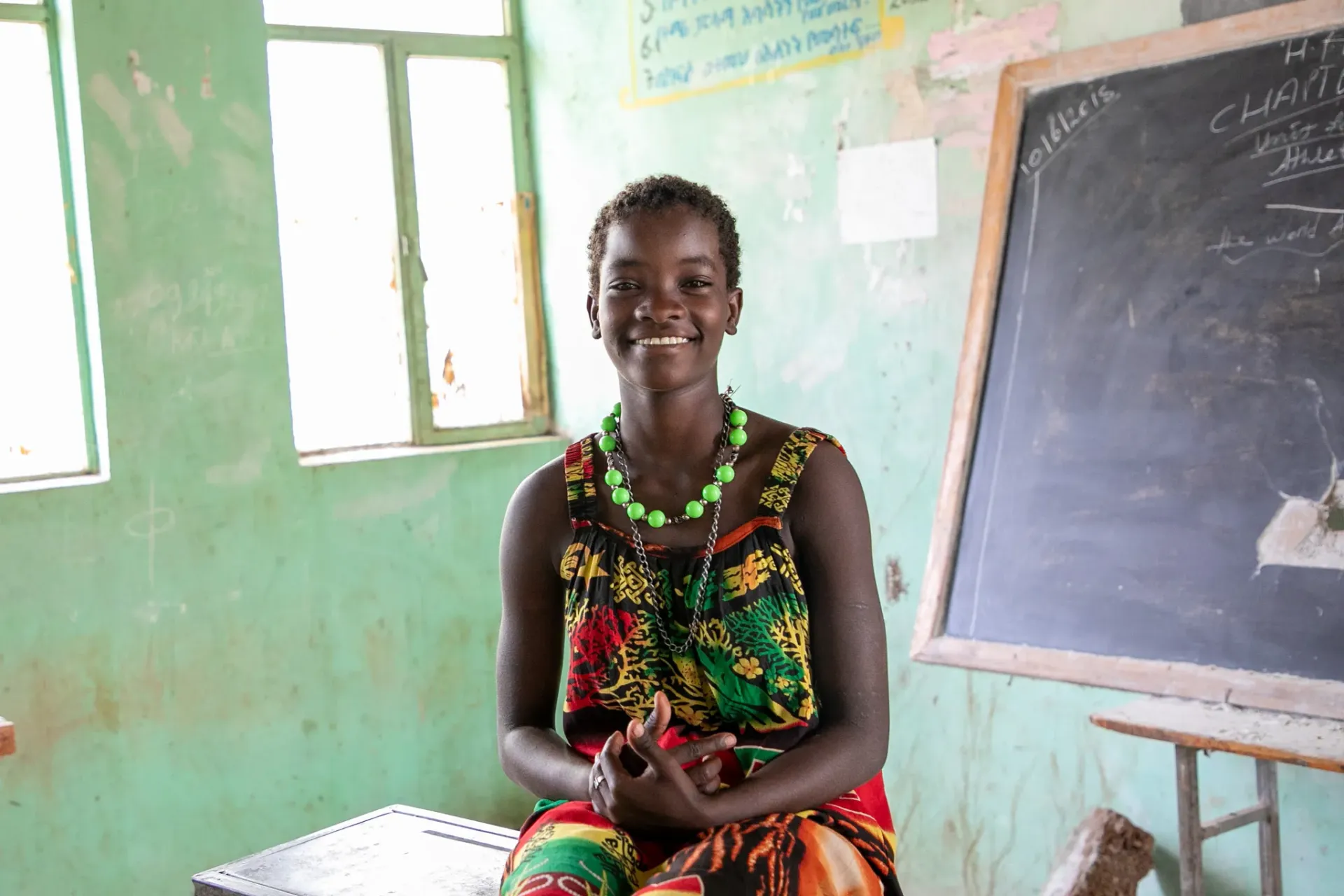
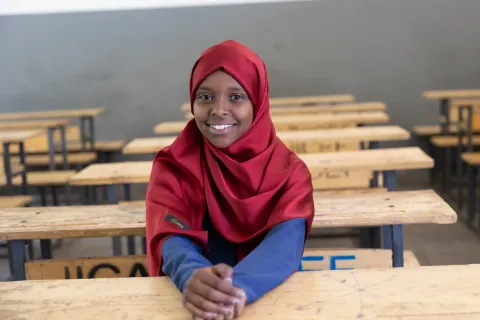
In the sun-baked Lower Omo Valley of southern Ethiopia, 16-year-old Haska Ulde is a 7th grader at Sembele Hago Primary School in Hamer Woreda, part of the rural, agro-pastoral Hamer community. Growing up among rugged mountains and lowlands, her future once followed a path shaped by tradition. With support from UNICEF, working with the Ministry of Education and Regional Education Bureaus, and funded by the Global Partnership for Education (GPE), Haska was able to escape child marriage. Today, through the GPE-funded System Transformation of Education Programme (STEP), she attends life skills classes and shares what she has learned with classmates, including how to make reusable sanitary pads.
Over the past year, Haska has attended life skills training led by her teacher, who also coordinates the school’s gender club. “I have taken sessions on gender-based violence, early childhood marriage, gender equality, and hygiene maintenance,” she says. The training helped her understand her rights and strengthened her resolve to refuse an arranged marriage at age 16.
When Haska’s sister and peers left for Dimeka town, 12 km away, to attend high school without first undergoing the community’s “blessing” (Shalla) ceremony, her parents grew fearful that education was pulling their children away from Hamer traditions. They responded by betrothing 16-year-old Haska to an older man and beginning the Shalla ceremony. The ritual marks a girl’s transition into womanhood and signals readiness for marriage. Public and deeply symbolic, it brings together elders and relatives for songs and blessings, and includes cutting the girl’s hair to mark the end of girlhood and the start of adult responsibilities. During the ceremony, Haska made a defiant choice. She escaped, sought help from the government’s Women and Social Affairs office, and, with their support, avoided the marriage and returned safely to school.
“Because of the training, I was committed to staying in school,” Haska says, determined to stay in education through adolescence and beyond. As she continues her education, with the hope of one day becoming a teacher, she was selected by the gender club coordinator to attend Menstrual Health and Hygiene (MHH) training. There, she learned how to make reusable sanitary pads and now passes those skills on to her classmates. The training not only helped her manage menstruation safely and with dignity but also strengthened her confidence to speak openly about menstrual health and support other girls.
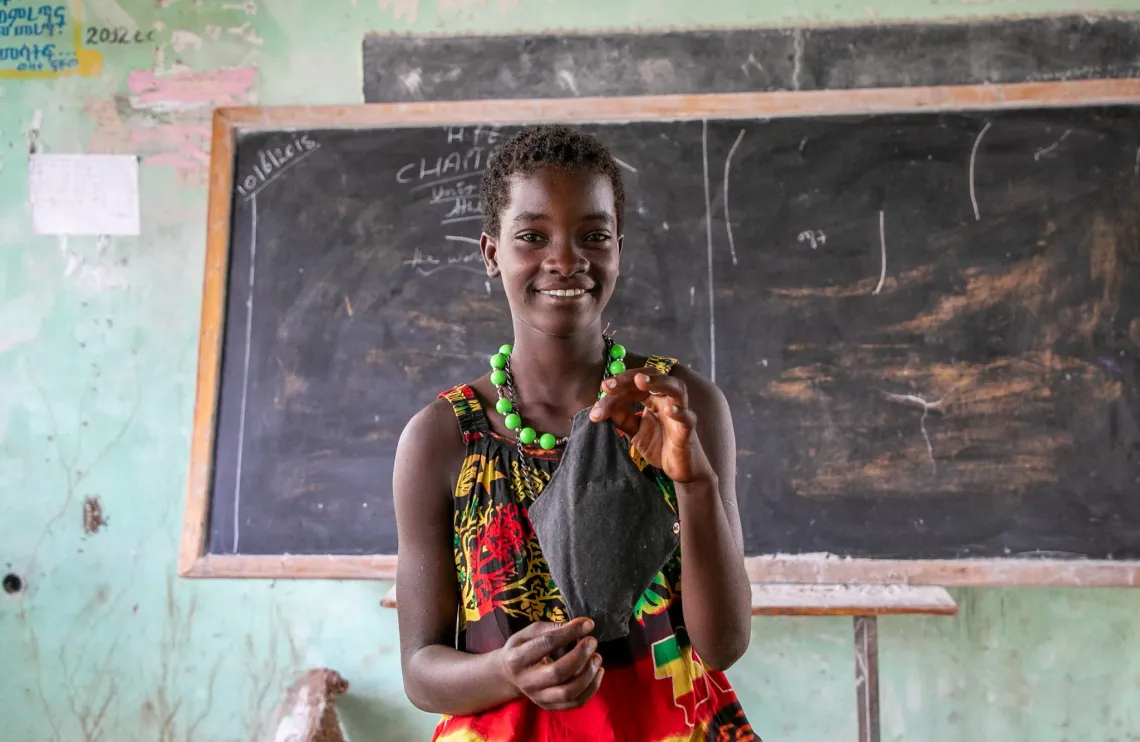
Haska and other girls at the school have also received “dignity kits” containing disposable sanitary pads, reusable menstrual pads, underwear, and soap. These supplies help them manage menstruation safely and without fear of teasing from peers. “In the past, we used to go home when we got our periods,” Haska says. With the MHH skills and kits, she and her classmates are now able to stay in school, no longer missing weeks of learning each year because of menstruation.
Elizabeth Kastro, the MHH room coordinator at Hago Primary School, is one of the educators trained in Menstrual Health and Hygiene (MHH) with UNICEF support. Through a coordinated effort led by Regional Education Bureaus, with backing from the Ministry of Education and UNICEF, gender club coordinators and student presidents are trained to pass on reusable sanitary pad‑making skills to other girls. The approach supports affordable menstruation management without interrupting learning. Elizabeth now leads this training through the school’s gender club. “We’ve also received hygiene materials, including reusable pads, soap, and underwear, through STEP,” she says.
The GPE-funded program is not only empowering girls, it is also helping boys learn to advocate for girls’ rights.
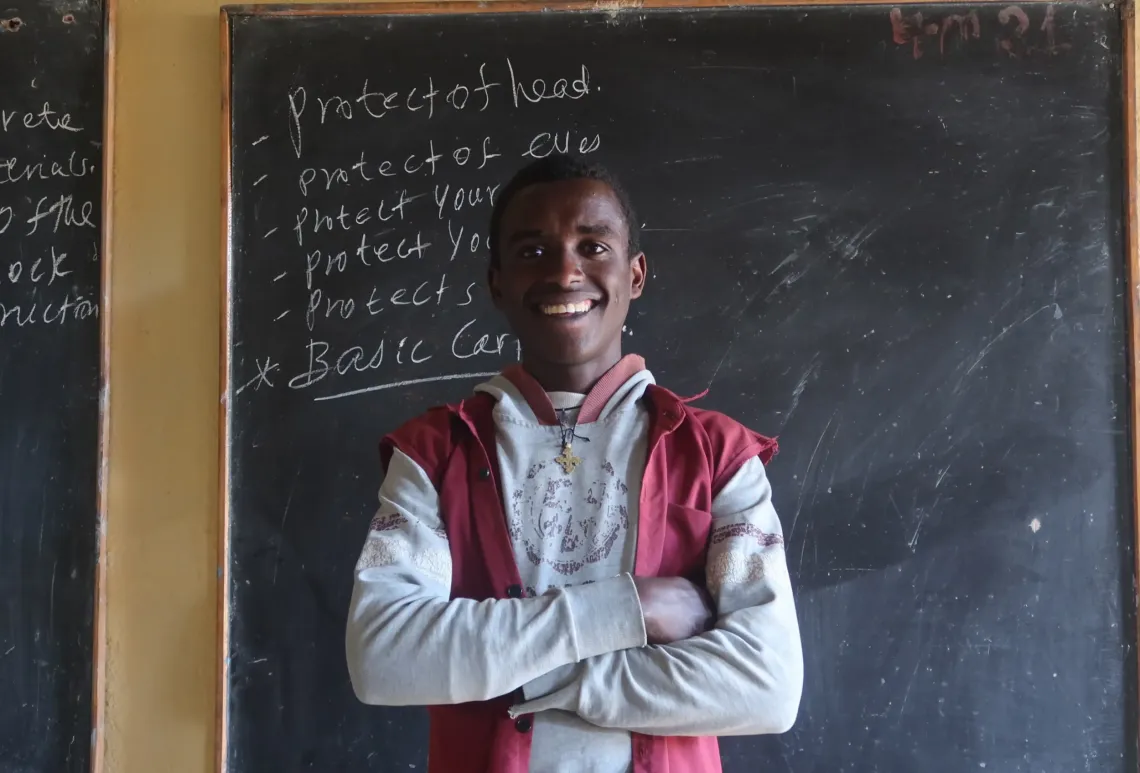
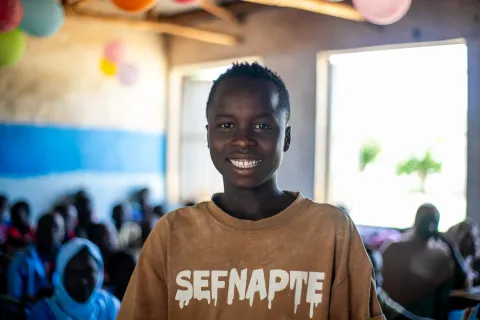
At Fato Bealeweld Primary and Middle School in Sodo Woreda, 14-year-old 5th grader Asebege Mebratu reflects on how his behavior has changed. “I didn’t get along with girls before the life skills training,” he says. “We argued and fought constantly.”
Through UNICEF-supported life skills education this year, Asebege gained new understanding around communication, gender equality, and rejecting harmful practices. “We learned to respect girls and protect them,” he says.
By equipping young people with essential life skills and health knowledge, these initiatives are helping to break long‑standing harmful practices and create learning environments where girls and boys can pursue their education with dignity, safety, and mutual respect.