Back to the Classroom
How Accelerated Learning is Giving Children a Second Chance
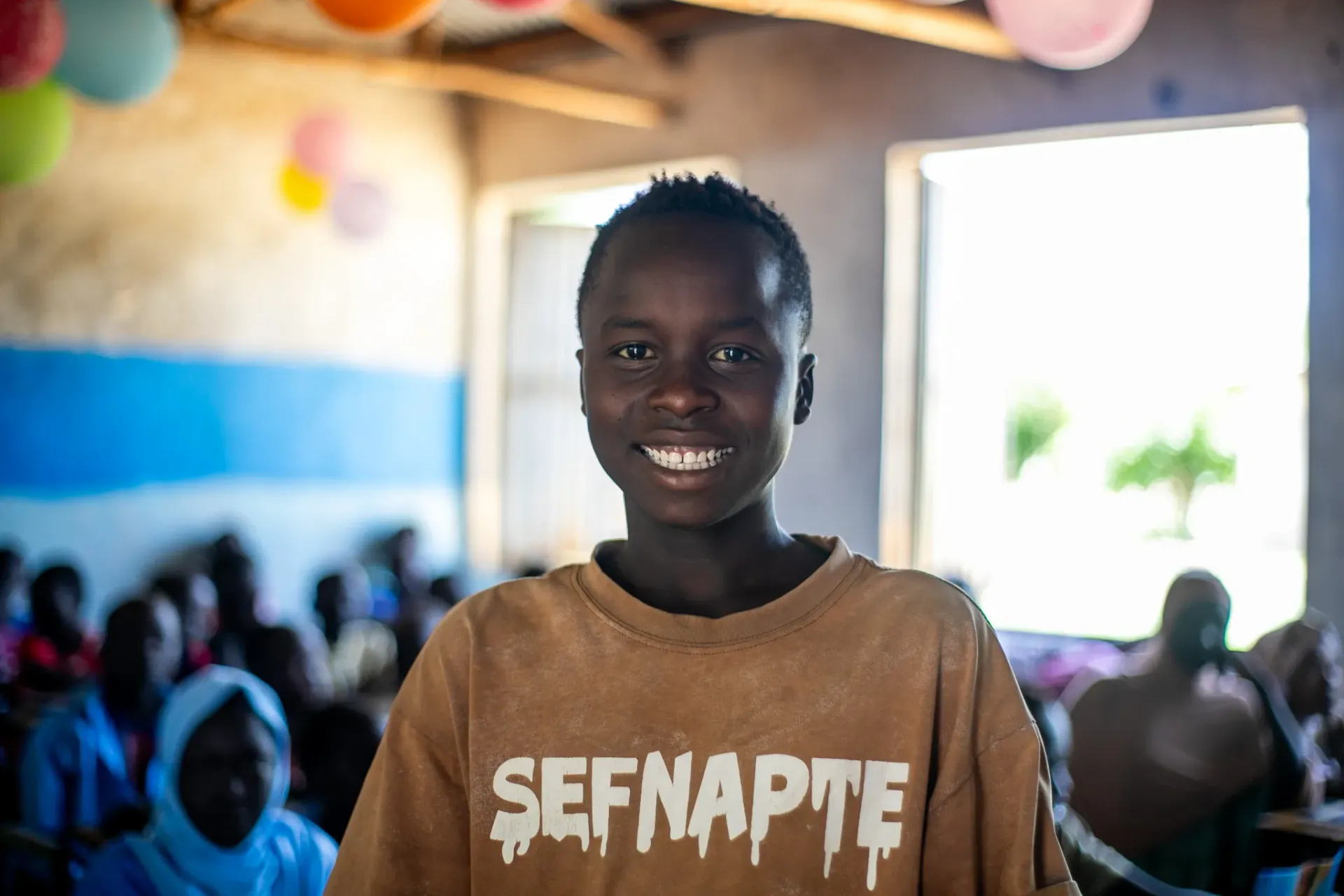
“I stopped going to school because I lacked school materials,” Asaber said.
At just 12 years old, Asaber had already spent years away from the classroom. When his family could no longer afford the basic supplies he needed to continue learning, he left school and began working in gold mining to help support them.
In Benishangul-Gumuz region, artisanal gold mining is common among adults, but the work is labour-intensive and physically dangerous for children. For nearly two years, Asaber laboured in the mines as the chance to continue his education slipped further away.
Everything changed when community outreach efforts introduced Asaber and his family to the Accelerated Learning Programme (ALP), supported by UNICEF. Through visits to local communities, teachers encouraged out-of-school children to return to learning and explained how the programme could help them catch up with their peers.
For Asaber, the programme offered more than a route back to the classroom. It also provided essential school supplies, removing one of the key barriers that had forced him to drop out and giving him a second chance to pursue his education.
“I’m happy to be back in school,” Asaber said.
Through the Accelerated Learning Programme, Asaber is now able to catch up with his peers and continue his education.
“When I grow up, I want to become a teacher and pass on what I have learned to other people,” he said.
The Accelerated Learning Programme is helping children like Asaber reclaim their education. Designed for children aged 12 to 14 who have missed years of schooling or dropped out, the programme enables learners to complete two grades in a single academic year and transition into age-appropriate classes. Through flexible learning approaches, learning materials and community mobilization, ALP provides a second chance for children who might otherwise remain out of school.
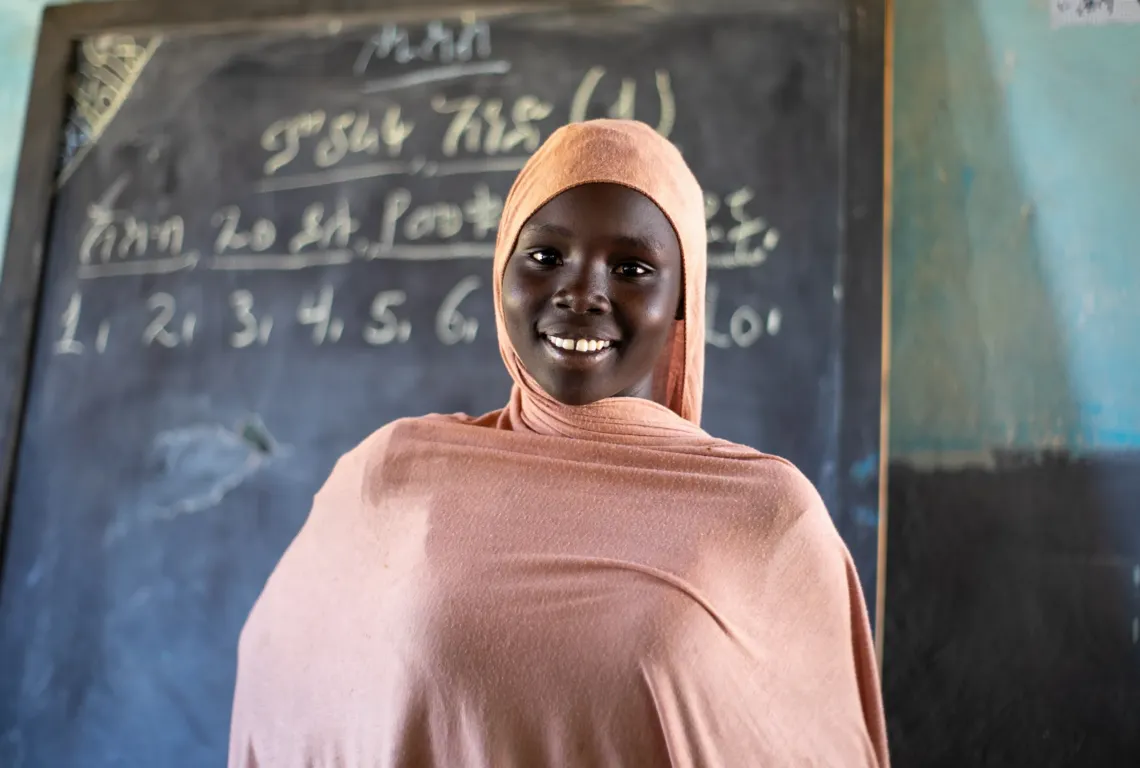
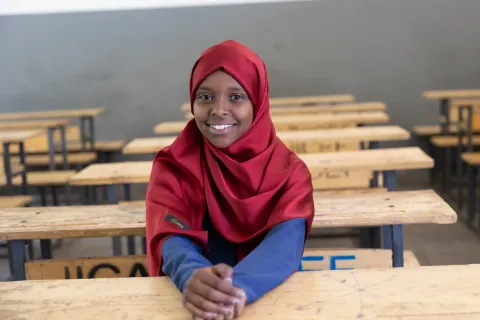
Asaber is not the only child whose life has been changed by the programme. Thirteen-year-old Rawiya Hamid also dropped out of school when her family could no longer afford notebooks and other essential school supplies.
After learning about the programme and receiving support, Rawiya returned to the classroom and is now studying through accelerated education.
“I am happy that I am learning again,” she said.
Back in school and looking ahead with confidence, Rawiya already has a clear vision for her future. “I want to become a doctor one day so I can help people in my community when they are sick,” she said.
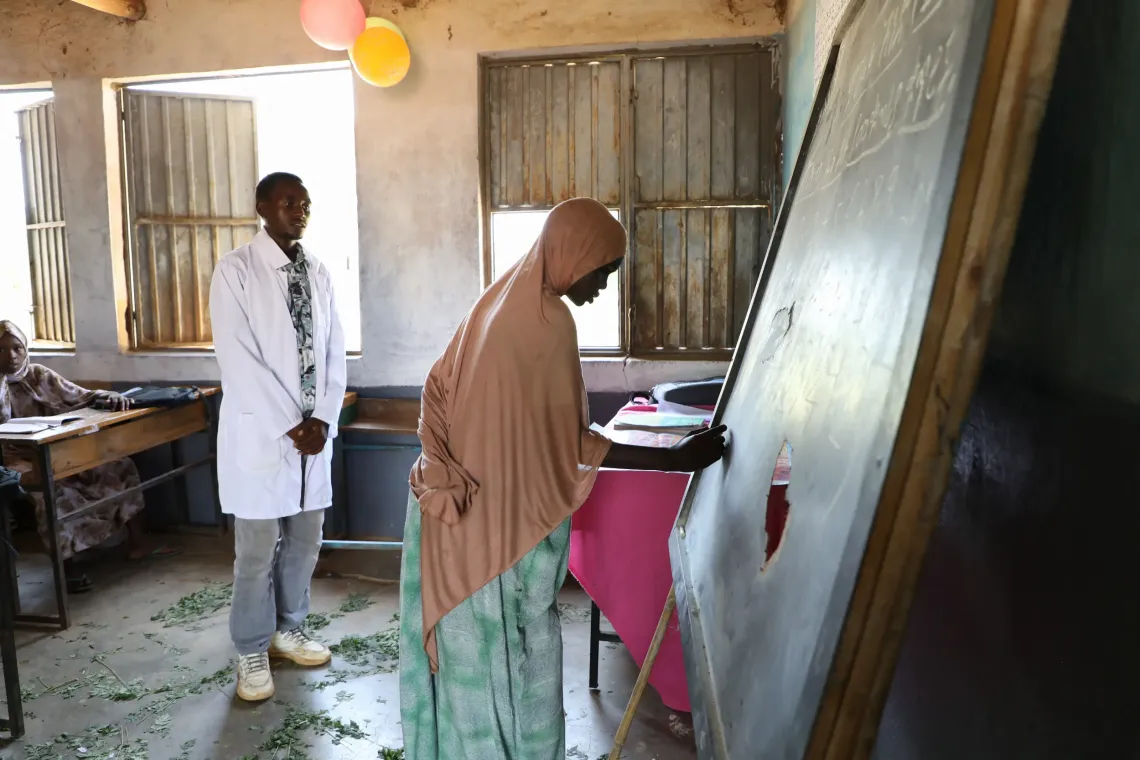
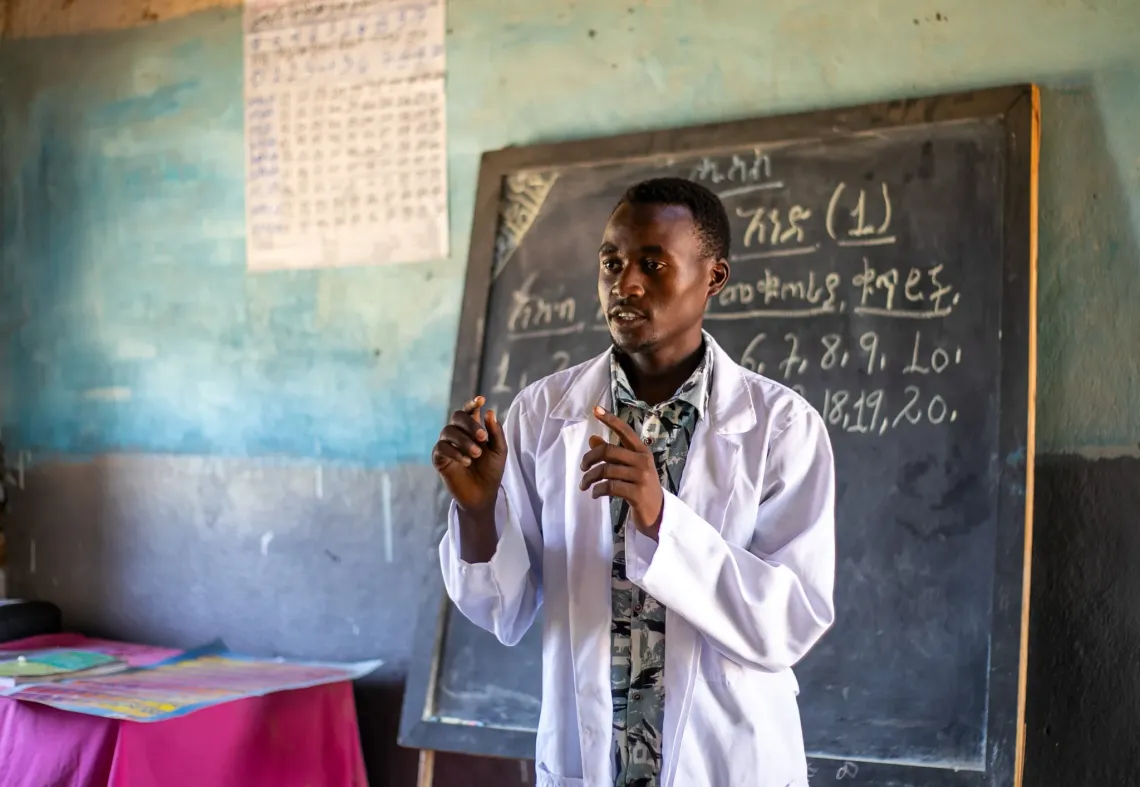
For teacher Abdelnur Abdellah, who teaches ALP classes, the programme is transforming both students and educators. Having previously taught in regular classrooms, he says the specialized training and child-centred teaching methods introduced through ALP have significantly improved learning outcomes.
“We use multiple approaches, including storytelling, group-based learning, games and other tools,” said Abdelnur. “This has helped build students’ confidence as well as improve their grades.”
He noted that many learners are catching up quickly despite having missed years of education.
Supported by the Global Partnership for Education (GPE) through UNICEF as part of the System Transformation of Education Programme (STEP), the Accelerated Learning Programme is helping transform the lives of children across the Benishangul-Gumuz region.
To date, the programme has supported 1,839 children, including 860 girls, to enrol in or return to school, catch up with their peers and pursue their dreams for the future.