Vulnerable children in the Horn of Africa have been living through insecurity for years
Children in the Horn of Africa face hunger, displacement, and scarcity worsened by the climate crisis

After five poor or failed rainy seasons in the last three years in the Horn of Africa, millions have lost their cattle, crops and entire livelihoods. Major outbreaks including cholera, measles, malaria, and other diseases are ongoing across the region, worsened by extreme weather conditions and fragile health systems. Food prices continue to remain high in local markets in the Horn of Africa, burdening children and families. Many families cannot afford the basic foodstuffs and the necessities they need to survive. The climate crisis is compounding the severity of the situation, worsening mass displacement, malnutrition, and disease, while increasing competition for scarce resources.
Extreme weather caused by the climate crisis, insecurity and scarcity are having devastating consequences for women and children, worsening the risk of gender-based violence (GBV), sexual exploitation and abuse. The high numbers of children and women displaced raise serious concerns with regards to safety and protection. These multiple crises are hampering children’s access to education and impacting not just their physical but also mental health. As families are driven to the brink, children have had to move in search of food and water, are falling sick, going hungry, missing school, being pressured into child labour, and in certain areas, forced into early marriage.
UNICEF for children in the Horn of Africa
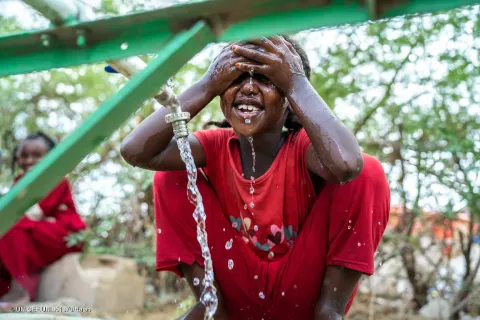
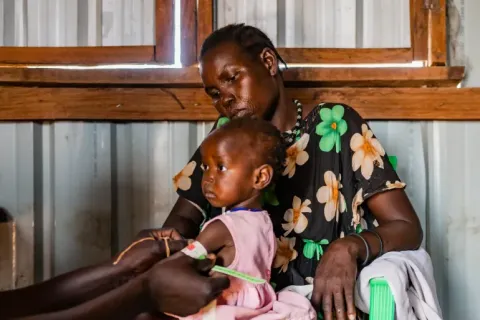
With thanks to the support of donors and partners, in 2022, UNICEF and partners reached more than 2 million children and women in the Horn of Africa with essential life-saving health care services; provided services for the prevention of malnutrition to over 30 million children and mothers; treated almost 1.3 million children under 5 for severe acute malnutrition; and provided safe water for almost 4.6 million people, including renovation of boreholes and systems to provide safe water to schools, health centres and communities.

The good news is, the rains have come to several drought-affected areas in Northern Kenya, Ethiopia and Somalia. This has brought reprieve but unfortunately, also floods and further challenges to already vulnerable children and families.
Flooding in the region has led to displacement, livestock loss and crop damage, as well as increased the risk of waterborne diseases such as cholera, as the ground was too parched to absorb excess water.
Despite the rains, recovery from a crisis of this magnitude will take years. It takes time for crops and herds to grow again, for families to recover from years of hardship. Funding remains critical for displaced and vulnerable children and families in Ethiopia, Kenya and Somalia. With the cycles of drought followed by flooding, the next devastating crisis may hit before children and their families have had a chance to recover.

Saving lives and building resilience are key to protecting children and communities now and in the future.
The climate crisis has worsened extreme weather in the Horn of Africa. Families are finding it harder and harder to recover from not just droughts and floods, but also economic pressures and diseases.

As needs remain high, sustained, flexible funding to support recovery & build resilience is key to protecting children and communities today, as the next crisis is just around the corner. This means improving access to therapeutic foods and essential nutrition, ensuring access to water and health services, providing livelihood opportunities and strengthening social protection systems to mitigate the climate crisis.
Through investment in resilient solutions that are designed to withstand the impacts of the climate crisis and other shocks, children and communities have higher chances of survival, year on year.

This year, UNICEF is appealing for US$759 million to provide life-saving support to 16.6 million people — including 12.2 million children — in Ethiopia, Kenya, and Somalia, a 39 per cent increase compared to 2022. An additional US$690 million is required to provide climate-sensitive resilience support to communities across the affected areas in 2023 and 2024.
UNICEF depends on you, to help us deliver for children who are living in circumstances that no child should ever, have to experience.

Your funding will help us not just support children and families towards recovery, but also develop more resilient systems for children that can withstand future shocks, as the next crisis we know - is just around the corner.
We need to help children and families recover now, before the next crisis hits.