Cholera Outbreak in Eastern and Southern Africa
Regional appeal, February 2024

Overview of the situation
Cholera is endangering children’s lives.
Eastern and Southern Africa is grappling with one of the worst cholera outbreaks in decades, with cases rapidly spreading across the region – especially in densely populated urban areas where contaminated water supplies are infecting large numbers of people, including children.
Over 230,000 cholera cases and 4,000 deaths have been recorded across 14 cholera-affected countries in Eastern and Southern Africa since the beginning of 2023. As of February 2024, 11 countries are reporting active outbreaks, with six countries currently classified by the WHO as in ‘acute crisis’ for cholera.
Of grave concern is the high fatalities recorded in these deadly outbreaks, with 9 of the 14 cholera-affected countries in ESAR surpassing WHO’s case fatality rate threshold of <1 per cent.
Available data suggests that across Eastern and Southern Africa, children and adolescents are disproportionately affected, accounting for up to 52 per cent of all reported cases in some countries. Moreover, high death rates of up to 40 per cent are being recorded among children under 5 years of age. The impact of cholera on children is also observed through the disruption of learning due to school closures. Lessons learned from the COVID-19 pandemic highlight the devastating consequences of such closures on the safety, learning, mental health, and protection of children, with evidence showing that it is in the best interest of children that schools remain open.
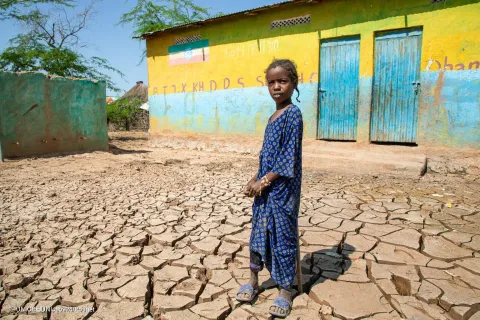
The unprecedented increase in frequency, number, and scope of outbreaks in the region is worsened by the impacts of climate change in the region, which is exacerbating the situation by limiting access to safe water and sanitation, triggering population movements (with evidence of cholera easily spreading across borders), and straining weak health systems.
In 2023, cholera cases increased due to extreme weather events such as protracted droughts, multiple cyclones, heavy rainfall, and major floods. The cholera outlook in 2024 remains dire, with many countries in the region already experiencing heavy rainfall and El Niño effects triggering spikes in some countries.
Cholera is both preventable and treatable. Simple handwashing measures and access to safe water keep cholera at bay. However, access to clean water and sanitation is sadly becoming a privilege, particularly in countries most impacted by extreme weather due to climate change.
Responding effectively to the cholera situation in Eastern and Southern Africa requires the urgent strengthening of water and sanitation systems, awareness-raising and engagement among at-risk and affected communities, enhanced surveillance, and improved case management. Significant investments are needed to implement longer-term WASH strategies and achieve the Global Task Force on Cholera Control (GTFCC) roadmap 2030 goal of reducing cholera deaths and stopping cholera transmission.
UNICEF’s strategy to protect children and families
UNICEF underscores systematic preparedness and response planning, advocating for a multi-sectoral response based on evidence and national strategies, to ensure a timely and holistic response.
UNICEF’s lifesaving response is focused on:
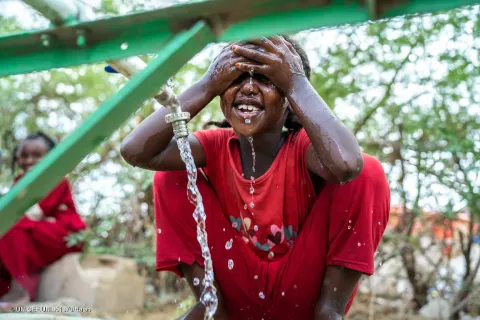
- WASH: Providing access to clean drinking water and handwashing with soap for the most vulnerable people affected by cholera outbreaks and emphasizing early rehydration in the highest risk communities through community oral rehydration points.
- Risk communication and community engagement (RCCE): Collaborating with partners to engage at-risk communities with responses and local solutions that are tailored to the specific needs of each affected community to empower community behavior change and reduce transmission risks.
- Education: Working with governments to keep schools safely open to allow for continued learning in a protective environment, as well as supporting schools on preparedness and response planning, the development of standard operating procedures (SOPs), safe water and hygiene promotion, and the procurement, prepositioning, and distribution of essential cholera supplies (e.g., handwashing soap water filters, and liquid chlorine).
- Health: Prioritizing access to effective case management and supplies (e.g., community-based oral rehydration points, cholera kits), particularly given that at-risk communities often lack the economic means for transport and may not be able to seek treatment.
- Vaccination: Supporting governments and the WHO to map at-risk populations and carry out oral cholera vaccination (OCV) campaigns, while providing operational logistics, including last-mile delivery.
More than 8.3 million people have been reached with critical water, sanitation, and hygiene supplies. Cholera hotspots are being targeted and provided with water purification supplies, safe water, cholera kits, and hygiene promotion that is helping reduce the transmission of cholera within affected communities.
In Malawi, for example, 12,000 health workers have been trained in case management, surveillance, and infection prevention and control, while 3.1 million people have gained access to safe water through UNICEF-supported interventions.

With your support, we can save lives
UNICEF is appealing for over US$ 70 million to provide children and communities in Eastern and Southern Africa with life-saving support to curb cholera outbreaks and strengthen existing systems to reduce the risks associated with future public health emergencies. Through the generous support of donors, the region has already raised US$ 7 million, but a funding gap of approximately 90 per cent remains.
With additional lifesaving support, UNICEF will be able to scale up its interventions to meet the full needs of children and women affected. Without such support, in 2024, cholera infections and child fatalities will continue to soar, with catastrophic health and economic consequences for families, communities, and the broader region.
If we do not manage to keep the case fatality rate low, thousands of preventable fatalities are likely to occur.
| Country | Overall funding requirement (US$) |
| Malawi | $15,000,000 |
| Mozambique | $10,200,000 |
| Zimbabwe | $10,500,000 |
| Ethiopia | $11,500,000 |
| Somalia | $4,200,000 |
| South Sudan | $3,00,000 |
| Uganda | $2,200,000 |
| Burundi | $1,253,485 |
| Kenya | $3,602,200 |
| Tanzania | $1,668,600 |
| Zambia | $6,487,000 |
| Comoros | $1,620,000 |
| TOTAL | US$71,231,285 |
Flexible resources remain critical to UNICEF’s ability to respond effectively and efficiently to public health emergencies and other humanitarian challenges across all countries in the region.
Supporting UNICEF’s Humanitarian Appeal for Children in Eastern and Southern Africa can contribute to this effort by ensuring a timely and effective response at regional scale that can avert preventable deaths and save children’s lives.
Latest news
Highlights
Download the Call to action for more details.