Protecting children today and in the future: Investing in the social service workforce
Statement by the UNICEF Regional Director for Eastern and Southern Africa, Etleva Kadilli
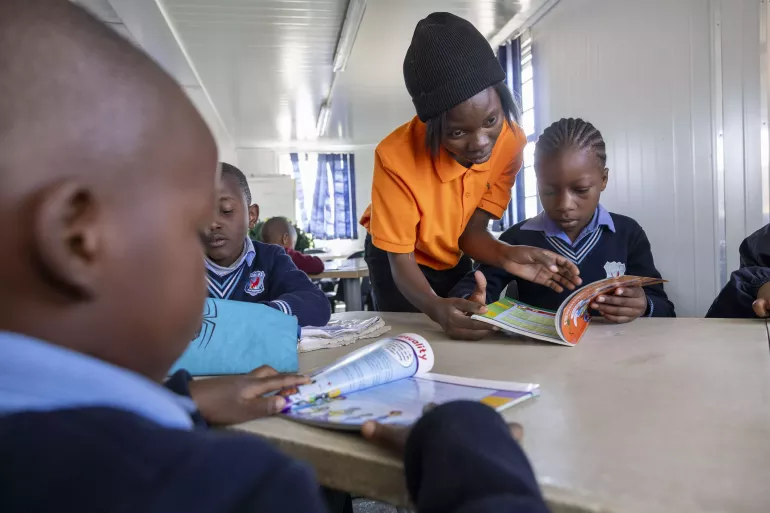
At the heart of child protection systems are social service workers (SSWs) who work to prevent and respond to violence, neglect, abuse, and exploitation. Today we are celebrating them!
This year’s theme, “Strengthening Intergenerational Solidarity for Enduring Well-being,” emphasizes collaboration to build resilient social systems that uphold the rights and dignity of all.
SSW’s work is guided by international frameworks such as the Convention on the Rights of the Child and the African Charter on the Rights and Welfare of the Child, yet challenges remain.
Severe workforce shortages are a major concern, with some countries having only 1 social service worker per 50,000 children, far below quality targets starting to be set in this region, e.g. 1 per 5,000, or 1 per 10,000, depending on the role. This shortage leaves many children unprotected. Funding cuts and program disruptions have further exacerbated the situation, with shrinking budgets leading to program freezes and stop-work orders.
Furthermore, many social service workers lack institutional support, facing financial strain, burnout, and limited career advancement, while community-based workers often lack formal recognition, hindering their ability to advocate effectively for child protection.
Strengthening the social service workforce enhances prevention, timely interventions, and stronger communities. Additionally, a well-supported social service workforce contributes to economic and social stability by reducing vulnerabilities that hinder development.
Social work thrives on knowledge-sharing across generations. Experienced workers bring institutional knowledge and community trust, while younger professionals introduce innovative approaches and digital skills. Mentorship programs ensure continuity and sustainability, fostering resilience in the sector.
Despite challenges, progress has been made. Kenya and Zambia have developed investment cases for strengthening their workforce, proving that long-term investments yield high returns in child well-being, social stability, and economic growth. Countries must follow these examples to build stronger protection systems.
To strengthen intergenerational solidarity and child protection, we must:
- Advocate for sustained investment from governments, donors, and partners.
- Foster cross-sectoral partnerships in health, education, and justice to expand child protection services.
- Develop structured career pathways, mentorship programs, and licensing frameworks to professionalize the workforce.
- Expand digital tools for efficient case tracking and service coordination, improving response time and data accuracy.
Let us reaffirm our commitment to strengthening the social service workforce. By investing in social workers, we strengthen child protection systems and communities.