

HIV and AIDS
UNICEF is responding to the HIV epidemic, together with governments and partners, to achieve an AIDS-free generation.
Challenge
Eastern and Southern Africa is the region carrying the largest share of the global burden of HIV and is the epicentre of the HIV epidemic. In the last decade, much progress has been made, but the gains are still fragile, and HIV continues to have tremendous impact on the lives of children, adolescents, especially girls, and their families.
Eastern and Southern Africa is home to more than 60 per cent of children and adolescents worldwide living with HIV.
The numbers are staggering. In 2018 an estimated 1.8 million children and adolescents aged 0-19 years, in Eastern and Southern Africa were living with HIV. Approximately 65,000 of the region’s children and adolescents died of an AIDS-related cause in the same year.
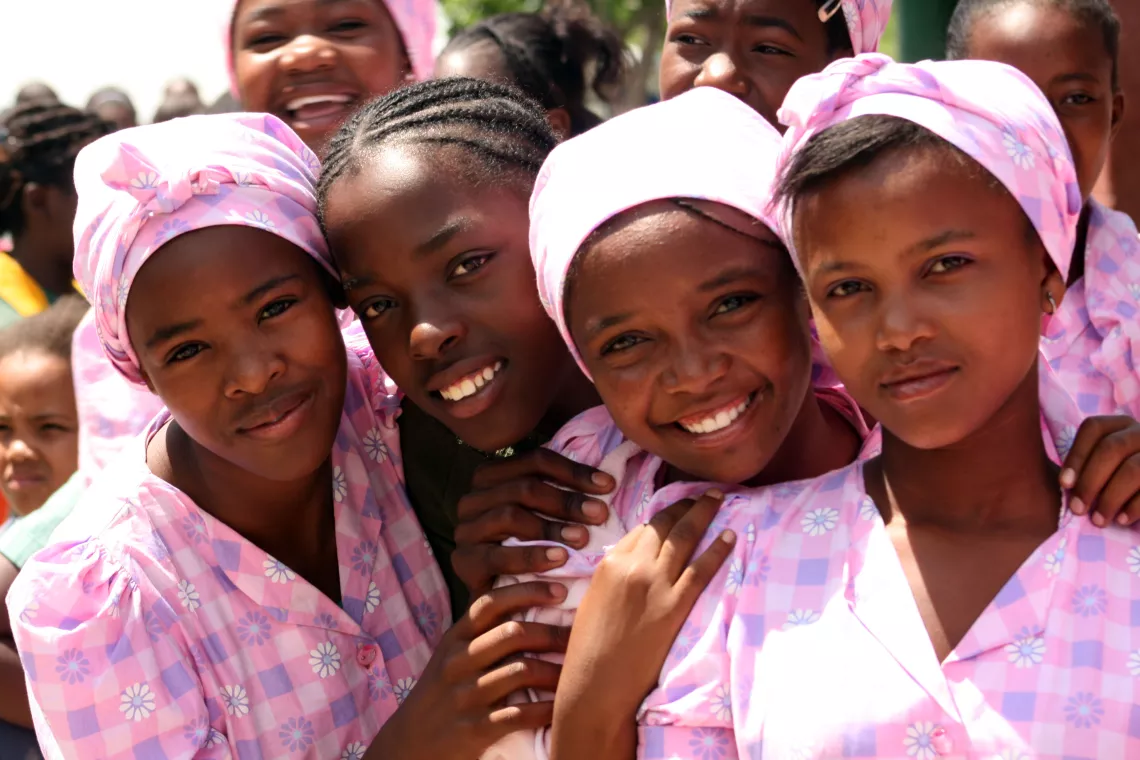
Girls are the hardest hit by the rate of new HIV infections which increases dramatically between the ages of 15 and 24 years. Until recently, adolescents have been a blind spot in the HIV response, both in terms of data availability and programme implementation.
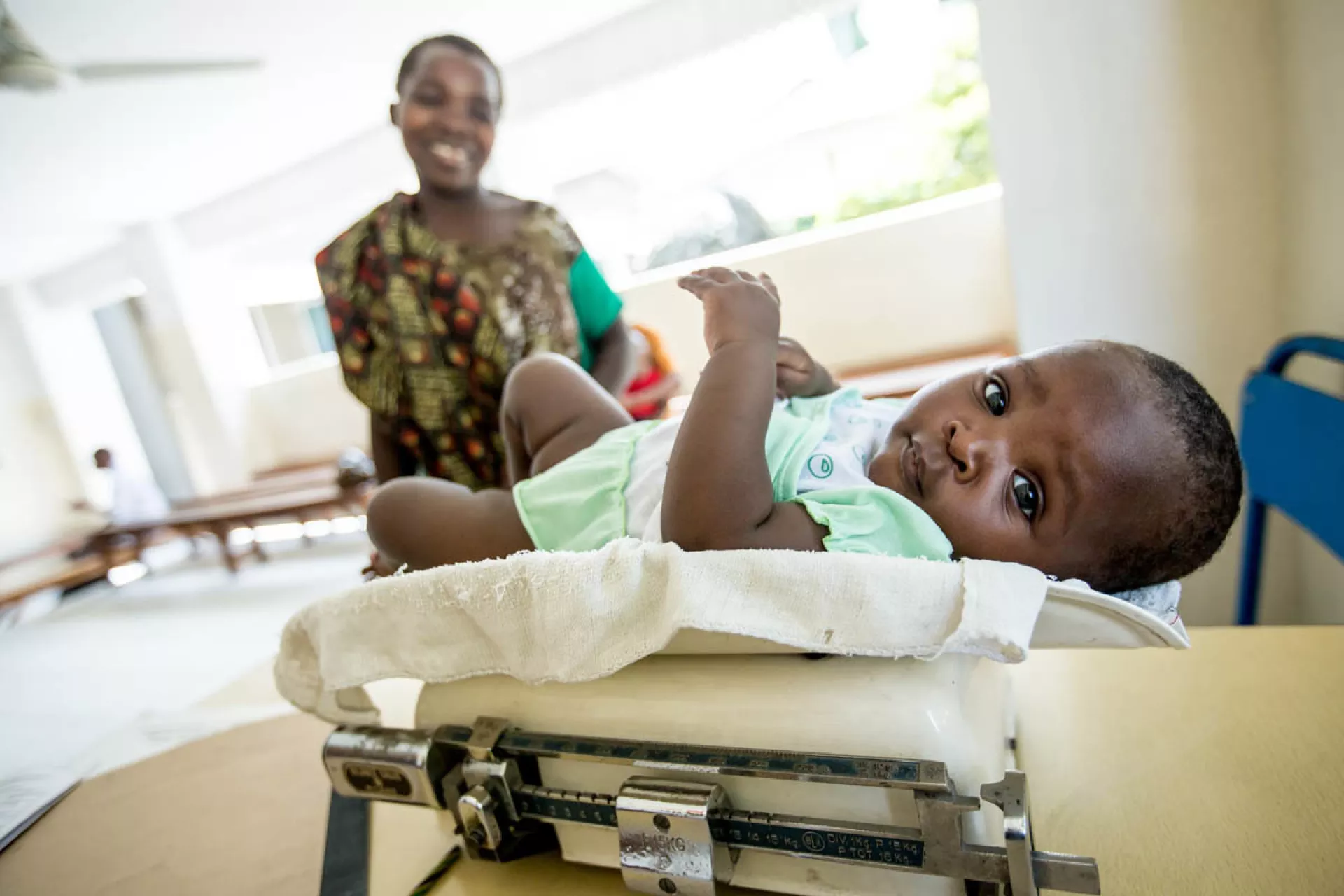
Of the new HIV infections among children aged 0–4, the majority occurred after birth, which implies they fell through gaps of prevention of mother to child HIV transmission programmes during breastfeeding. The ‘last mile’ towards elimination of vertical transmission relies on overcoming these gaps in antenatal testing, prevention, treatment and adherence support for mothers living with HIV and prophylaxis and early infant diagnosis infants after birth.
Continued and accelerated progress in prevention of mother to child HIV transmission cannot be achieved without improved HIV prevention efforts particularly among adolescent girls and young women. The number of new HIV infections among those aged 15-24 years in 2018 was estimated to be 290,000 of whom 70 per cent were female. This number also represents 36 per cent all the new infections in the region.
While there has been a decline in new HIV infections among adolescents over the last decade, the slow rate of that decline, coupled with the rapidly increasing population of adolescents and high rates of adolescent pregnancy will continue to fuel the HIV epidemic.
In the face of these challenges, Eastern and Southern Africa is known globally as the region where most progress in the HIV response has been made. Coverage of maternal antiretroviral treatment for pregnant and breastfeeding women living with HIV reached 92 per cent in 2018. Sustaining these gains and continuing to reach children, adolescents and women at risk and living with HIV is crucial to ending AIDS by 2030.
Solution

Retain pregnant women, mothers, children and adolescents in care
One of the world’s greatest successes in the HIV response has been the massive scale up of prevention of mother to child HIV transmission services, especially in Eastern and Southern Africa.
Keeping mothers, children and adolescents on lifelong treatment is a formidable challenge that is affected by service delivery, social, structural and behavioural factors. UNICEF’s role as a leader and convener for children, adolescents and mothers living with HIV offers an important window for influencing national policies and scaling up evidence-based practices and innovative programmes to improve ART retention.

Locate and link children and adolescents to HIV services and support
Finding children, adolescents and pregnant women living with HIV who are as yet undiagnosed and those who are at risk of acquiring HIV is an urgent priority.
Children and adolescents who test positive must be linked to appropriate high-quality HIV treatment, care and support services, while those at high risk who test negative must be linked to combination prevention services.
UNICEF is supporting partners to integrate HIV testing and counselling services into various platforms, including inpatient wards, nutrition treatment centres and sexual and reproductive health services. UNICEF is also supporting evidence-based innovations in HIV testing, including point of care technology, SMS printers and family centred testing.
UNICEF also works to ensure that all HIV and health care providers are friendly to adolescents and young mothers, including support for innovative service delivery and awareness raising models, such as community delivery, integrated services and technology-based education and follow up.

Prevent new HIV infections among adolescents, especially girls
To address the biomedical, social and structural drivers of HIV, UNICEF is strengthening HIV combination prevention programmes, including a minimum package of prevention interventions for adolescents. This includes effective integration of HIV into adolescent sexual and reproductive health education and services, including prevention of unplanned pregnancy. UNICEF is also promoting a tailored approach to prevention for pregnant adolescents and young women.
Meaningfully engaging and advocating for children and adolescents in the HIV response is critical to ensure responses are relevant and tailored to the young populations in greatest need.
Resources
UNICEF supports countries to generate evidence on how and where to make the most effective investments for children. In addition to the resources below, check out our global publications catalogue.