From Pregnancy to First Breath
Strengthening Care for Mothers and Newborns in North Sinai
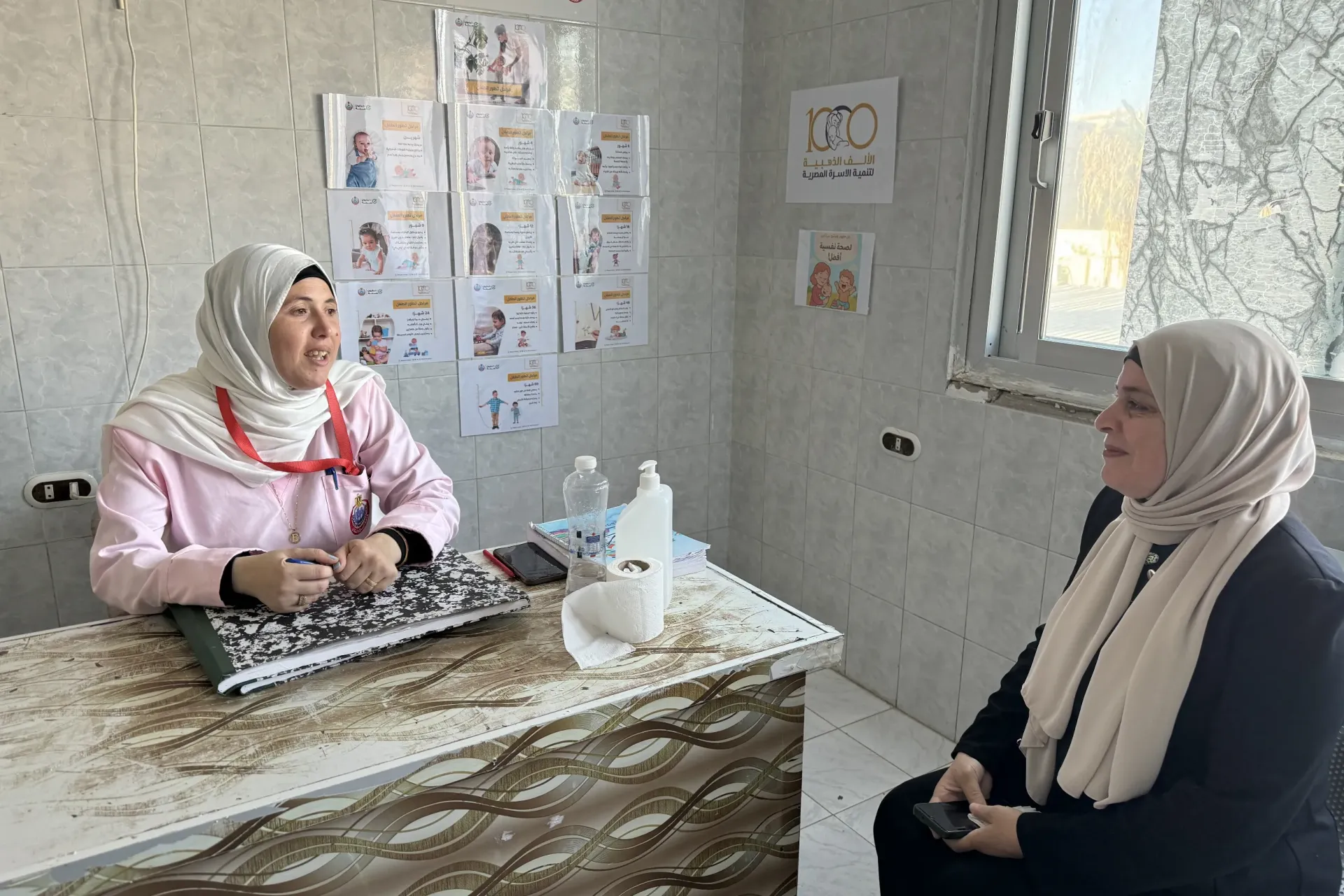
In a small counseling room at a primary health centre in Arish, a midwife sits with a pregnant woman, speaking softly about what lies ahead.
They talk about nutrition, breastfeeding, and what to expect during delivery. It is a simple interaction, but an important one. For many women in North Sinai, these moments of guidance are the first step toward a safe pregnancy and a healthy birth.
Across the governorate, primary health centres serve thousands of families every day. At Atef El Sadat alone, more than 26,000 people rely on essential services, from antenatal care to vaccinations and family counseling. Health workers are present, committed, and increasingly supported with training and tools.
At the same time, the system faces important constraints. There is a notable shortage of specialized health professionals, particularly obstetricians, gynecologists, and neonatologists. In this context, the focus has been on strengthening the capacity of existing health workers to deliver integrated, high-quality care for mothers and newborns.
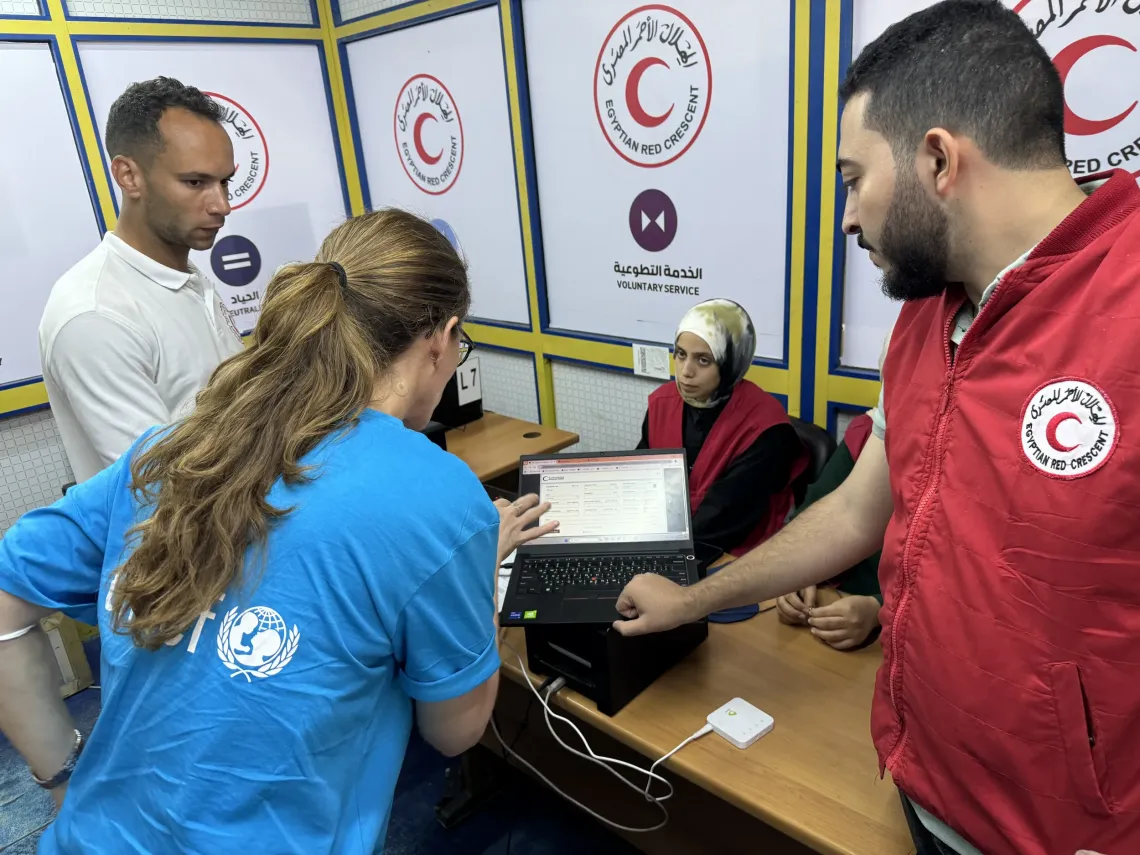
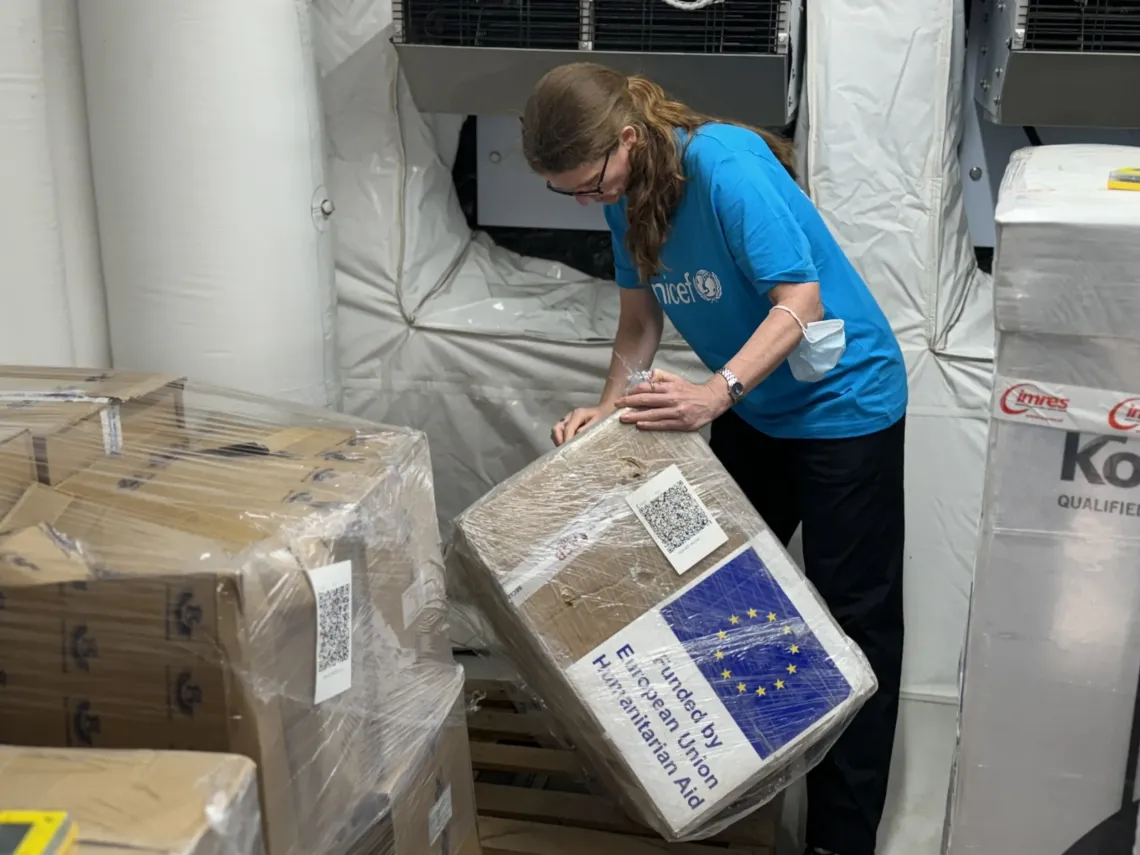
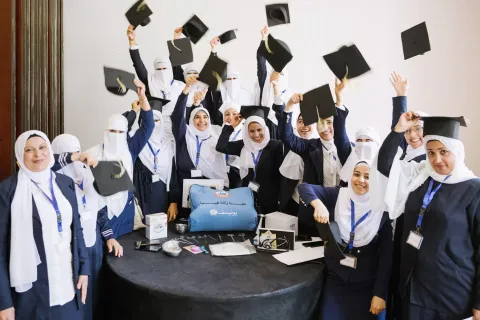
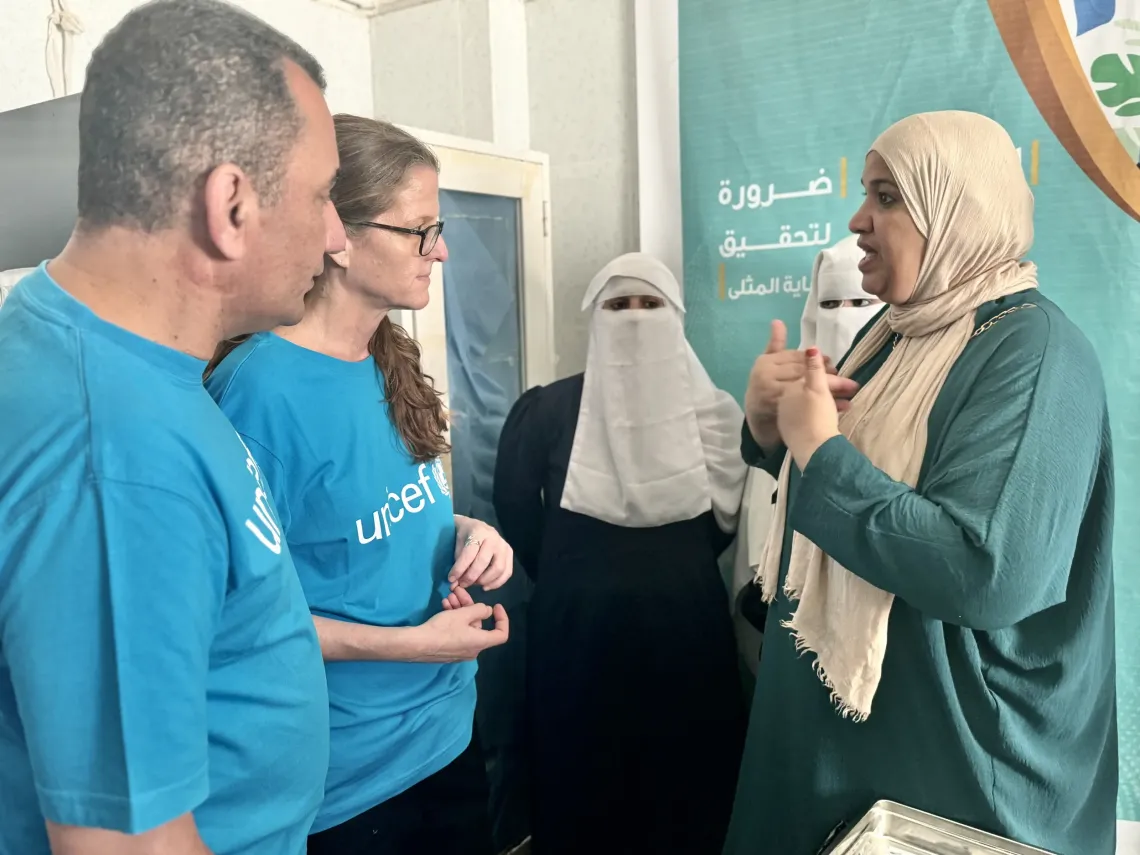
With support from the European Union and BPRM, UNICEF is working closely with the Ministry of Health and Population and partners such as the Egyptian Red Crescent Society to strengthen these frontline services. Midwives are being trained, counseling spaces are being established, and early childhood development corners are helping mothers better understand how to care for their children from the very beginning, including supporting deliveries in remote areas. Through targeted training, on-the-job support, and strengthening of essential skills, health workers are better equipped to ensure continuity and quality of care across the maternal and newborn health continuum.

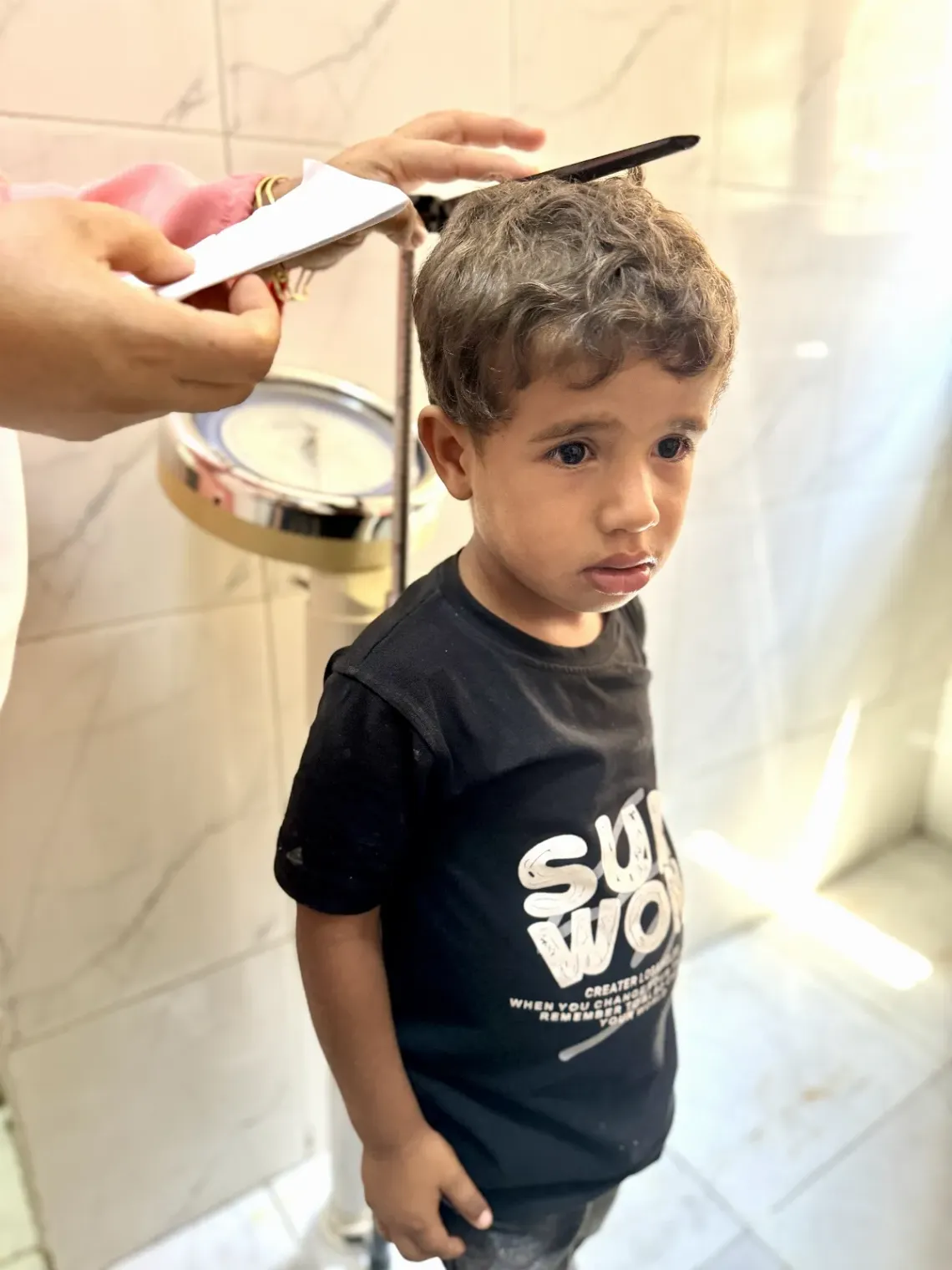
At the same time, there are gaps in skills related to child growth monitoring, development, and interpretation of results, which can limit the ability to provide mothers with accurate and timely guidance. Continued investment in training and quality assurance is essential to ensure that every mother receives the care she needs before her child is even born.
A few kilometers away, in Bir El Abd Hospital, that journey continues.
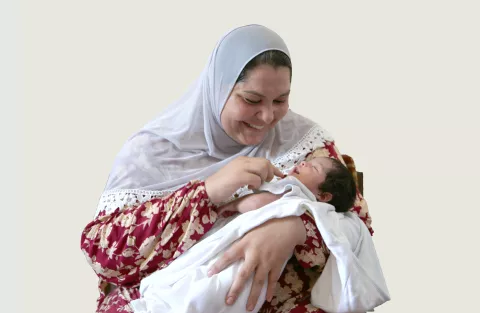
Here, nearly 200 babies are born each month. The maternity ward is active, with doctors, midwives, and nurses working together to support deliveries for families across a wide catchment area.
In recent years, efforts have been made to strengthen the quality of care at birth. Midwives trained through UNICEF-supported programmes are now part of the workforce, helping promote safer deliveries and better practices for newborn care.
Yet, challenges remain. Practices such as early breastfeeding, skin to skin contact, and consistent application of newborn care protocols are not yet systematic. There is also a growing need for additional training for obstetricians, midwives, and nurses to ensure that every birth is supported by the highest standards of care.
With relatively modest investments in capacity building, equipment, and supervision, facilities like Bir El Abd have the potential to become centres of excellence for maternal and newborn care, benefiting both local communities and patients arriving from across the region.
For some newborns, however, the journey becomes more complex.
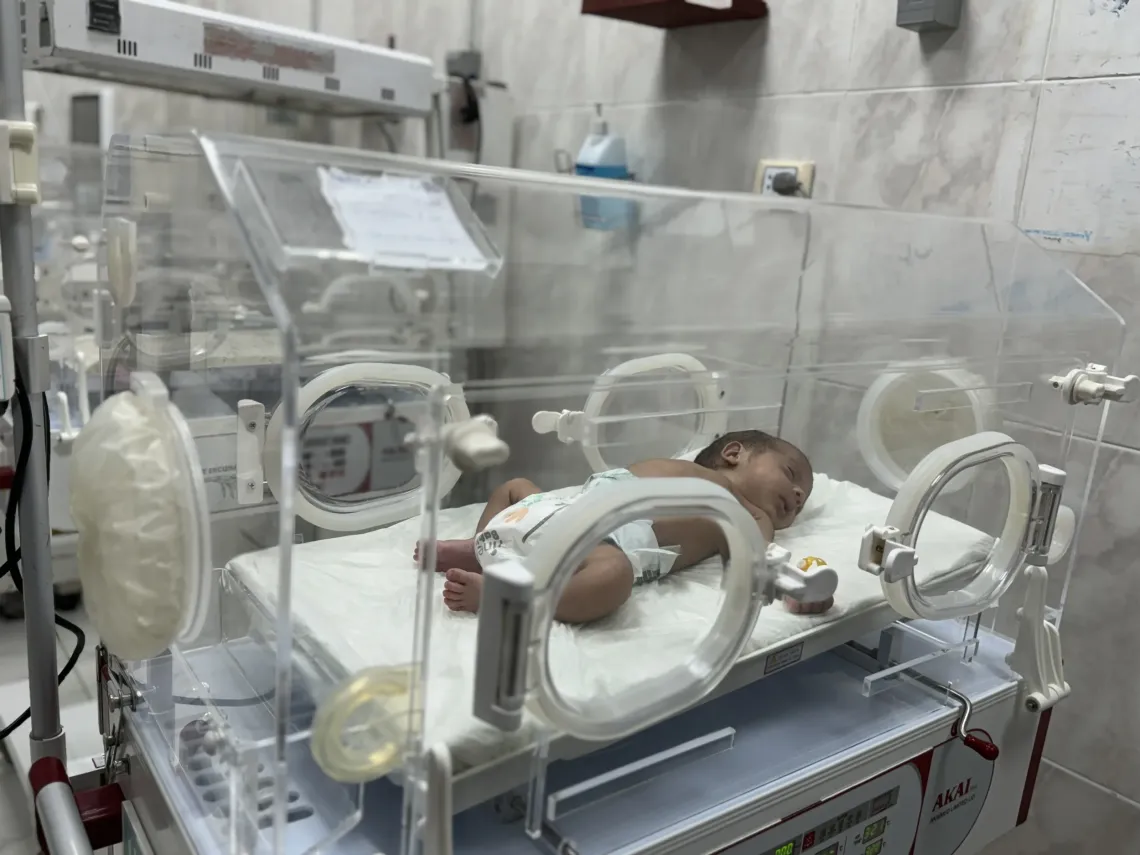
In hospitals such as Al Arish and Sheikh Zuweid, neonatal units provide critical care for babies born prematurely or with complications. Incubators, monitors, and dedicated health workers offer these newborns a chance to survive and recover.
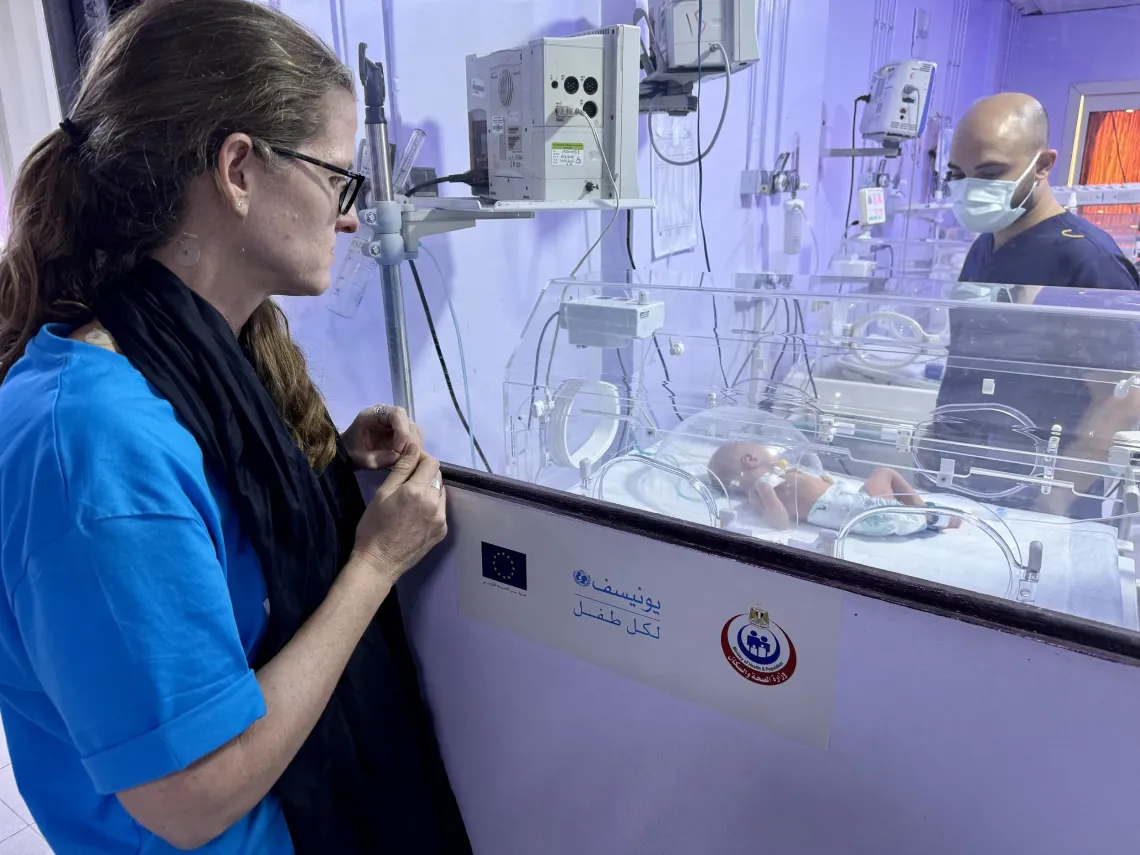
These services are also supporting Palestinian patients who have been medically evacuated, alongside Egyptian host communities. In Sheikh Zuweid Hospital alone, more than a thousand Palestinian patients have received care, while local families continue to rely on the same facilities.
This dual demand places significant pressure on already stretched systems. While essential equipment is in place, challenges such as inadequate water and sanitation conditions in neonatal units increase the risk of infection and sepsis for vulnerable newborns. In some areas, issues such as water quality and infrastructure further complicate service delivery.
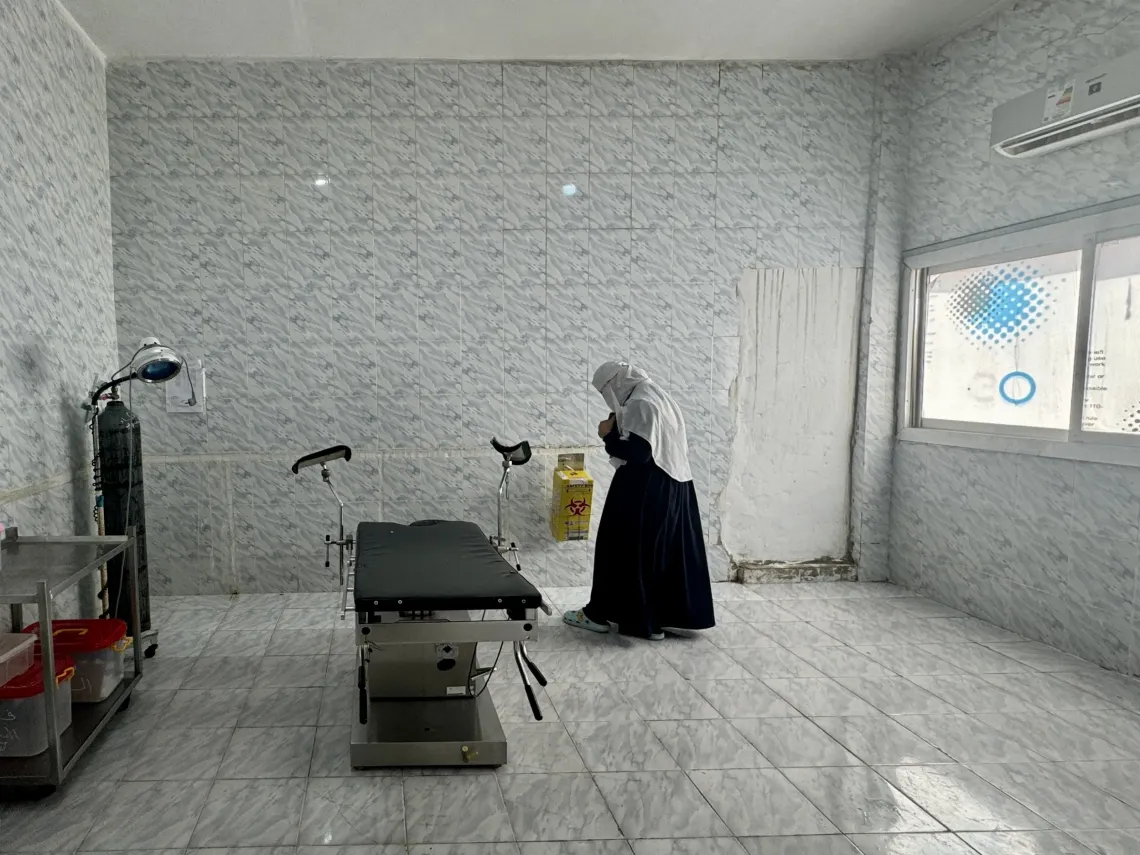
Addressing these challenges is critical. Strengthening infection prevention, improving WASH systems, and ensuring reliable infrastructure can significantly improve survival outcomes for newborns in intensive care.
Across North Sinai, what emerges is a clear picture. From pregnancy to birth to specialized neonatal care, the foundations of a functioning health system are in place.
Health workers are present. Facilities are operational. Government leadership, through the Ministry of Health and Population and the North Sinai Health Directorate, is engaged. Partners such as the Egyptian Red Crescent are playing a key role in delivery.
What is needed now is continued, targeted support to strengthen quality, consistency, and resilience across the system.
By investing in frontline care, improving hospital capacity, and supporting health workers with the skills and tools they need, these services can deliver not only for those arriving in urgent need, but for the communities that rely on them every day.
Because every mother deserves safe care. Every birth deserves skilled support. And every newborn deserves a chance to survive and thrive.