

1 - 6 month Old Baby Tips
The first 1,000 days can shape a child’s future. We have one chance to get it right.
- English
- العربية
Health and Nutrition

Breastfeeding: the first and most precious gift
By starting to breastfeed within an hour of birth, a mother is gifting her child the first and most precious possible gift that significantly reduces the risk of infant death within the fragile first 28 days of life. Unfortunately, less than half of the world’s newborns benefit from the most impactful and cost-effective intervention for saving their lives: exclusive breastfeeding.
Watch these videos and parental masterclasses on breastfeeding that explain concepts, refute misconceptions and give tips on how to deal with the most common and major breastfeeding challenges faced by mothers and when to introduce solid food.
Breastfeeding Q&As
Pregnant health
In the early days of birth, vaccinations are your big task!
Download the full vaccination schedule in Egypt here
Skills Development

Did you know?
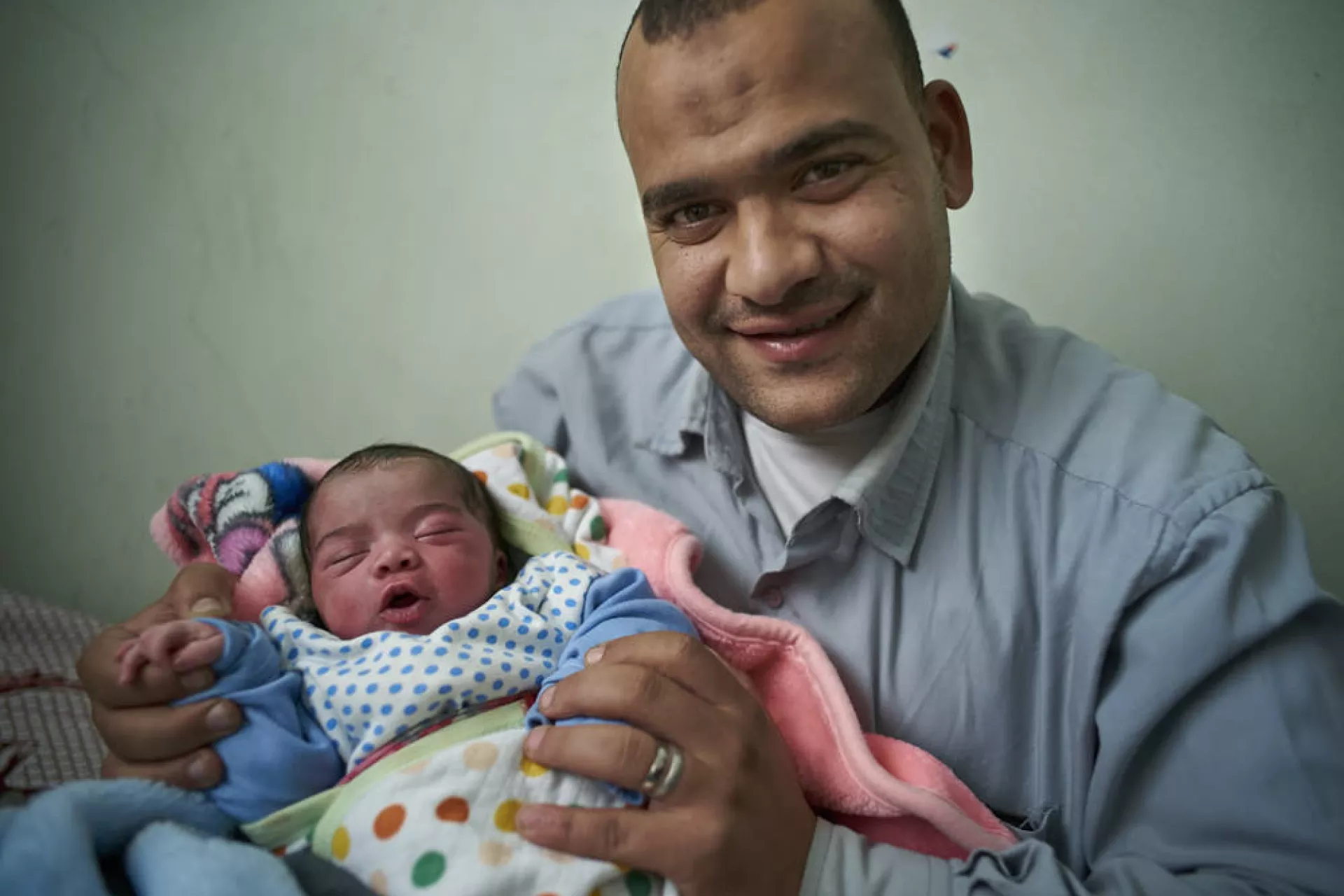
Within a few days, babies can start smiling when people smile at them.
- Provide ways for your baby to see, hear, move freely and touch you. You should see your baby’s arms and legs move in disconnected ways. Slowly your baby will learn how to control her movements.
- Look into your baby’s eyes and smile in response to his smiles. You should see your baby react positively to your facial expressions, movements and gestures.
- Gently soothe and hold your child. You will see your baby comforted, happy to be held and cuddled.
- Do skin to skin contact. Feeling, hearing and smelling your presence should provide your baby with a sense of calm and security.
- Gently change the sound of your voice. Make it slower/quicker, higher/lower, or quieter/louder. You should observe reactions from your baby’s face and body, and notice him interacting with you.
- Place your baby on her tummy and shake a rattle or bell in front of her. Slowly lift the rattle just a little and encourage her to lift her head and shoulders to watch it move. Doing so helps your baby follow the rattle with her eyes, and practice lifting her head and shoulders.
- Talk to your baby in soft tones and ‘baby talk’. Both the father, mother and other caregivers should communicate with the newborn. You will notice that she can hear and will soon start memorizing and copying your words.
Did you know?
1-3 month old babies see things best when they are between 20-30 cm away. By 3 months, babies have a greater range of vision.
- Provide ways for your child to see, hear, feel, move freely and touch you. Your baby will slowly establish trust with you.
- Slowly move colorful things for your child to see and reach for. A simple, homemade toy, like a rattle, can attract your baby’s interest by the sounds it makes.
- Smile and laugh with your child. You should soon see your baby smile in return.
- Talk to your child and copy her sounds or gestures. You should see her slowly focus on your face and try to imitate you in return.
- Help your child follow an object. When he sees it, move it slowly from side to side and up and down. You should see him try to follow the object with his eyes.
- Encourage your child to reach for a safe object. Try something like a plastic cup. You should see her try to grab or touch it.
- Cut out simple pictures of familiar things, people and animals. Try to get pictures showing lots of different colors, textures, scenes and faces. Talk about the pictures as your baby looks at them. You should observe how your baby listens to what you tell him and participates in his own way.
- Play a game with your baby. Place her on her stomach and slowly walk your fingers toward her. Then quickly and gently tickle her saying: “here come my fingers, here they come, closer and closer, they got you”. To change the game, make your fingers creep slowly or quickly, or wait different amounts of time before tickling her. You should see her show delight by laughing or squealing.
Here are ideas for making fun home games