Why heat exhaustion and heat stroke happen fast for children – and what to do
Children develop heat stress more quickly and severely than adults. Here's how to recognize the signs of heat exhaustion and heatstroke in children, what the differences between them are – and what to do when you spot symptoms.
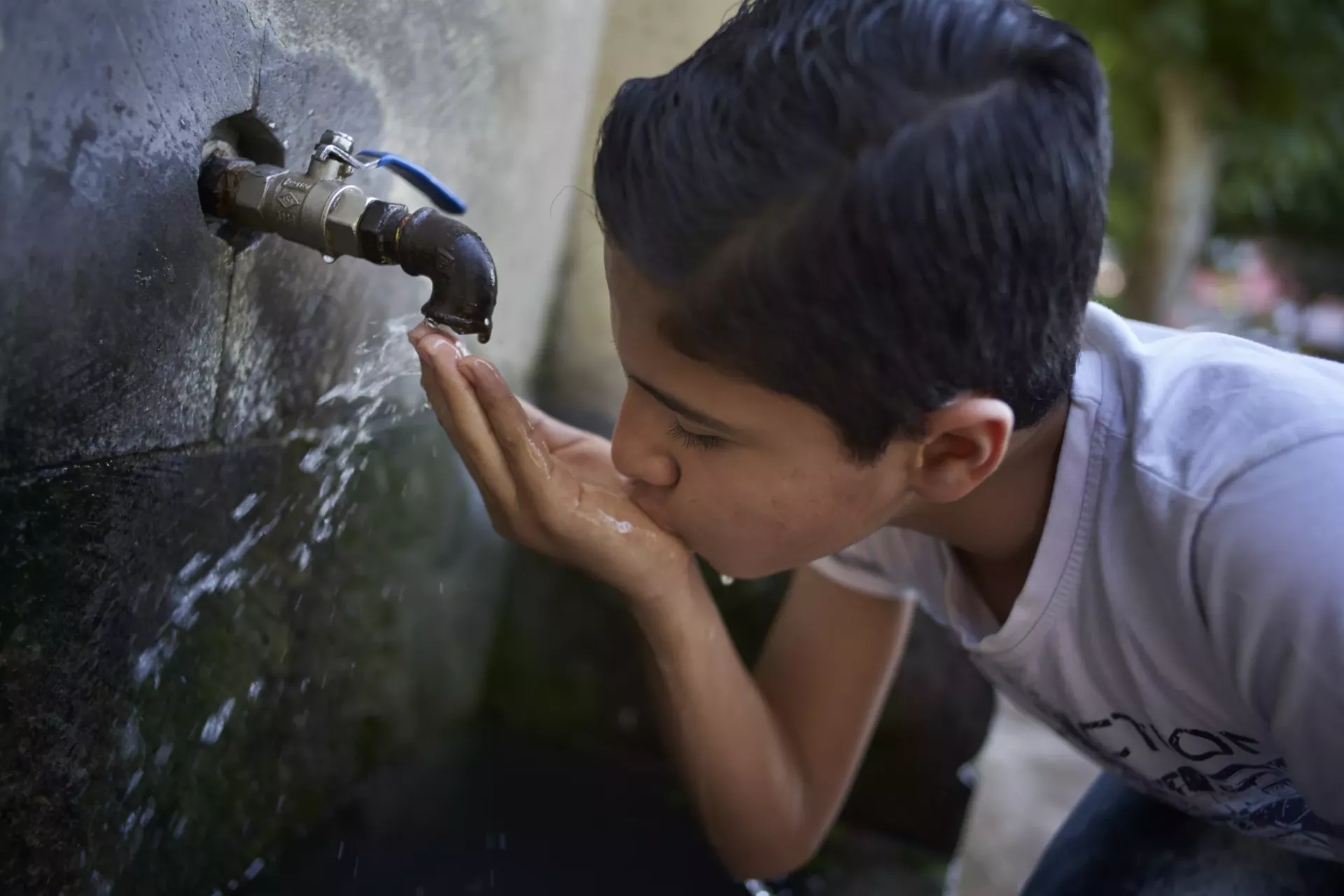
Temperatures in Europe are rising at the fastest rate in the world. More than 92 million children across the Europe and Central Asia region face frequent heatwaves – half of all the region's children. This number is rising quickly. Even under the most conservative climate predictions, by 2050, almost every child in the region – and around the world – will experience frequent heatwaves.
Heat can have serious effects on children's bodies and brains. If it goes unchecked, it can cause heat exhaustion or heatstroke. At worst, these conditions can lead to loss of consciousness, organ failure and even death. The younger the child, the more vulnerable they are – and the faster they overheat.
Whether you are a parent, caregiver, teacher, or anyone else who is around children, it is important to recognize the signs and symptoms of both heatstroke and heat exhaustion in children – and know what to do both to prevent them, and if they arise.
Signs of heat exhaustion in babies and children
Heat exhaustion usually occurs before heatstroke, which can cause death. But even heat exhaustion puts stress on a child's body and can make them severely ill.
If a child is not cooled down within 30 minutes, they can develop heatstroke.
Signs to look for include:
- core body temperature of more than 38C, but less than 40C
- irritability
- tiredness, dizziness or weakness
- clammy skin
- extreme thirst
- little or no appetite
- nausea, vomiting or diarrhea
- headache
- a heat rash, which can have small, raised spots and mild swelling
- fainting
- rapid pulse or breathing
- excessive sweating
- cramps in legs, stomach or arms
Remember: Once a child has heat exhaustion, you have less than 30 minutes to cool them down before they develop heatstroke.
Signs of heatstroke in babies and children
Heatstroke is a more serious condition. If not immediately treated, it can cause long-term damage to a child's organs, including their brain, heart, and kidneys. It can also cause coma and death.
- core body temperature of 40.5C or higher
- nausea or vomiting
- flushed skin
- rapid pulse or breathing
- headache
- skin that feels hot but dry
- lack of sweating
- confusion, delirium or slurred speech
- seizures
- loss of consciousness
How to prevent heat exhaustion and heatstroke in children
Because children and infants heat up faster than adults, it is important to take more precautionary measures to keep them cool than you would for yourself.
To keep babies and children safe in the heat:
- keep children in shaded areas during the hottest hours of the day
- provide regular breaks in the shade or indoors
- ensure children are consistently drinking water
- for infants under 6 months of age, offer breastmilk or formula milk more frequently. Do not offer water to children of this age as it can imbalance their sodium levels and cause a serious medical condition called hyponatremia, which can lead to organ damage and even death
- dress children in the same amount of clothing as adults and do not bundle babies up in blankets, hats or extra layers
- never cover a stroller with a blanket or muslin, which restricts air flow and heats up the inside of the stroller much faster than outside temperatures
- never ever leave a child in a parked car
- follow safe sleep recommendations and use fewer layers at night; if sharing a sleep space with a baby or child, remember that they will be heated up both by your body's heat and from the air temperature
While swimming or playing in bodies of water can be a good way to cool children down on a hot day, it is important to take precautions. About 75,000 children under the age of five die from drowning around the world every single year, and drowning is the third leading cause of death for children aged five to 14. Both in and near water, children should be constantly supervised by an attentive adult who is not distracted by other adults, tasks or their phone – whether children are confident swimmers or not.
What do you do when you see signs or symptoms of heat stress in a child?
If a child has heat exhaustion (not heatstroke), or if you are waiting for medics to arrive for heatstroke, you should:
- immediately move the child to the coolest, most shaded place you can find, ideally inside or in a tree-covered area.
- take off any unnecessary layers of clothing, like socks
- if the child is conscious, have them sip cool drinks, ideally water or drinks with electrolytes (if an infant under six months, offer them breastmilk or formula)
- if possible, spray the child with cool water from a hose or shower, or put them in a cool bath
- otherwise, use whatever is available – apply ice packs wrapped in cloth or cool, damp cloths, or spray or mist cool water.
Remember, if you see symptoms of heatstroke, immediately seek medical help. A child with heatstroke must receive urgent emergency treatment to avoid organ damage, coma and death.