The country with the world’s highest rate of child pneumonia deaths
In Romania, one out of every four deaths of young children are the result of pneumonia – the highest rate in the world. Why this is, and how to change it, is a primary focus of both healthcare professionals and of UNICEF.

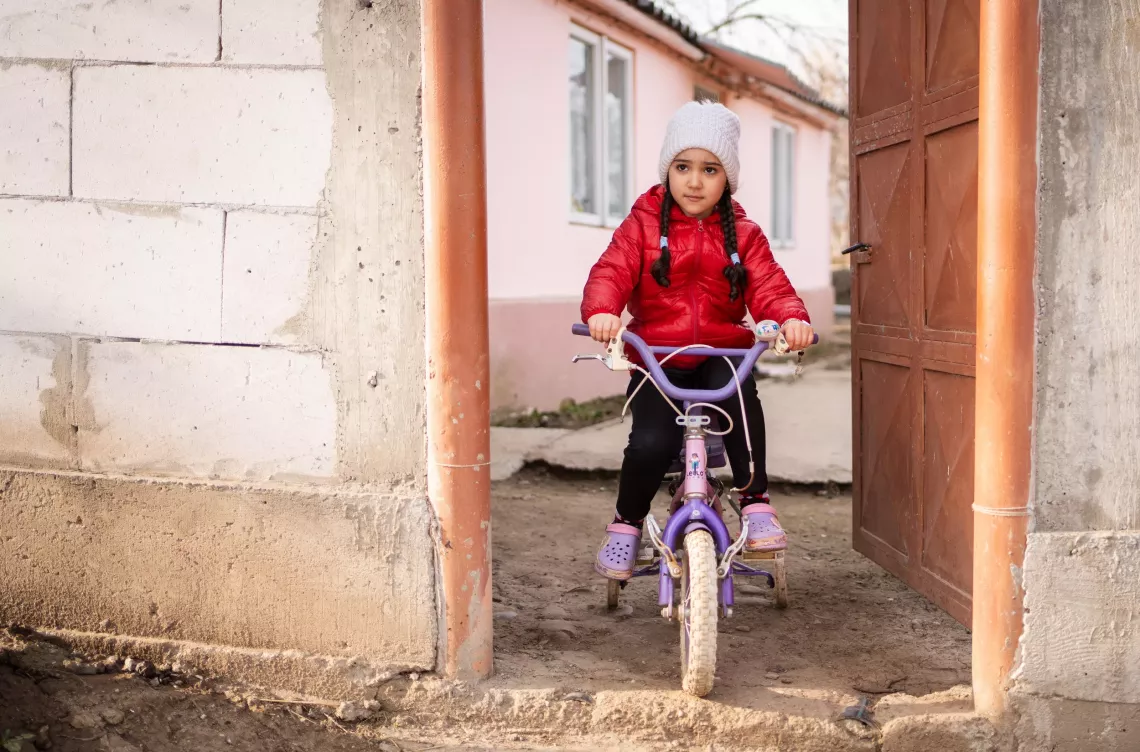
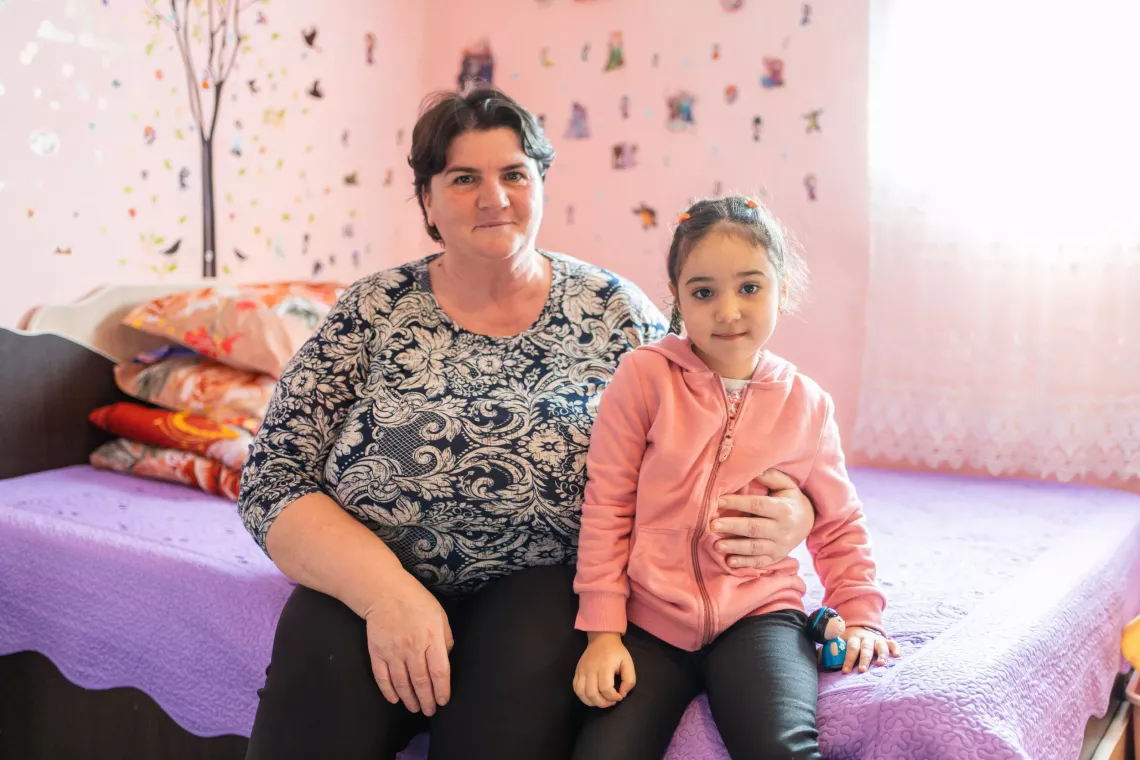
Outside, children laugh as they play in gardens. Neighbors chat, crossing paths on dusty streets. Inside, five-year-old Antonia sits alone.
“She loves playing outside and, most of all, going to daycare. She asks me every day: ‘Granny, can I go tomorrow?’,” says Antonia’s grandmother and main caregiver, Maria.
But all too often, the answer is no. Thanks to long-term health complications from pneumonia, even a minor cold can cause Antonia’s hospitalization, or worse. Frequently, like today, she must stay indoors – and away from other children – to protect her health.
Antonia was hospitalized with pneumonia when she was just two years old. After being discharged, she was supposed to continue with medical treatment at home. “But they could not afford it,” Maria says of Antonia’s parents. “The girl ran a high fever and started seizing. That’s when I thought we’d lost her. She was not even three years old.”
The battle against childhood pneumonia has made significant advances around the world. But Romania stands out: in children under five years old, it has the world’s highest rate of pneumonia deaths.
One in every four children who die under five years old in Romania die from pneumonia.
Communities like Antonia’s – a rural village with less access to health services, education, and social support, and where many families live below the poverty line – are especially vulnerable.
“There are multiple causes that factor into the high mortality rate from preventable respiratory diseases, especially in rural Romania,” says Dr. Ovidiu Emilian Bibire, a family physician who has served Corbasca for close to 24 years. These include, he says, the high number of parents having children young, potentially with less preparation for the challenges of raising a child, and delays in medical care, which can cause a respiratory condition to become chronic.
Vaccine hesitancy is also a major contributor, says Dr. Cecilia Lucaci, who leads the Department of Health Promotion and Evaluation at the Bacău County Public Health Department.
“Around 50 per cent of parents of children reaching immunization age are refusing vaccination in Bacău county,” she says. “This is extremely worrisome, and in my opinion constitutes one of the main causes driving child mortality rates to be so high.”
If a baby who is not vaccinated contracts whooping cough, for example, they have a one in 20 chance of developing health complications severe enough to cause death. But the pertussis vaccination, usually offered as part of the diphtheria, tetanus and pertussis (DTP) vaccine, offers 98 per cent protection against whooping cough. This means that when children do not receive immunizations like the DTP vaccine on time, they are at a far greater risk for respiratory problems, both short- and long-term.
Corbasca’s local health professionals work against these challenges to bring better access to services for vulnerable families. Working alongside Dr. Bibire, for example, is community nurse Lăcrămioara Vrânceanu. “I conduct home visits to families in the villages, I identify vulnerable cases, I refer them to the doctor, and I counsel mothers and families on health matters such as the importance of hygiene, breastfeeding, nutrition and vaccination,” she says.
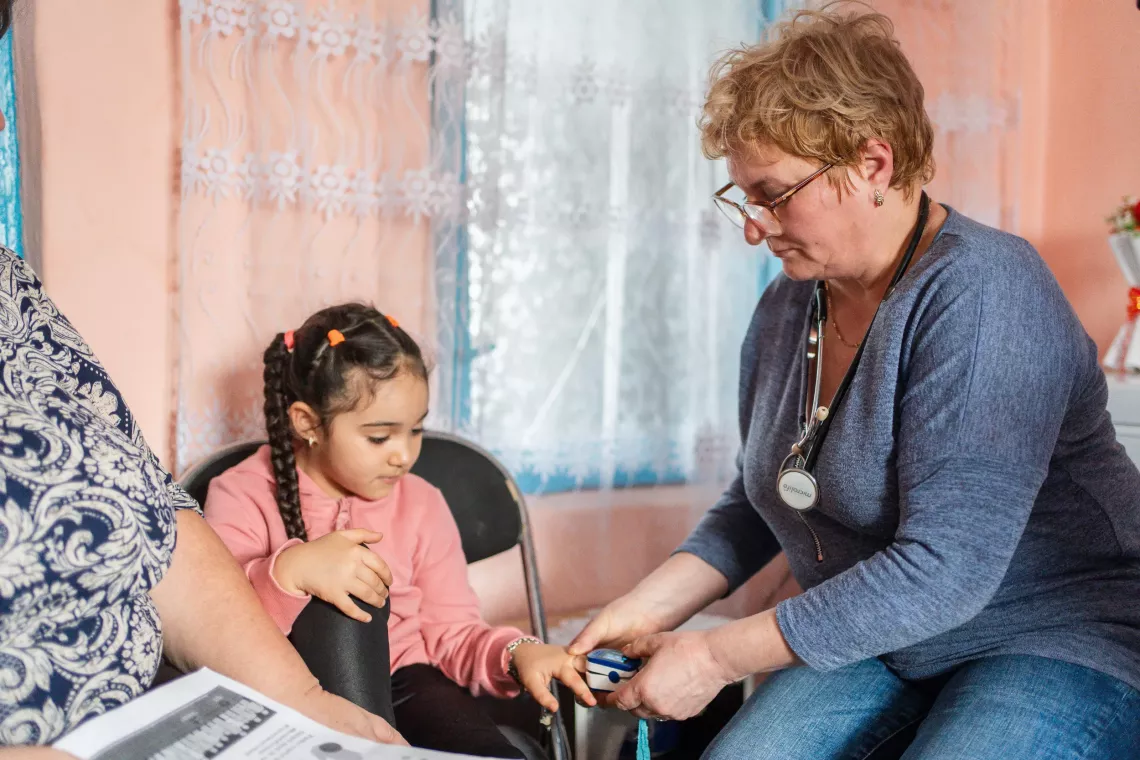
Lăcrămioara’s mission in Corbasca started in 2016, when UNICEF led a project to identify vulnerabilities and support the definition of a Minimum Package of Services (MPS) which served as a blueprint for much-needed policy action. This concept includes the delivery of basic, integrated services in health, education, and social/child protection at local level, with a focus on the most vulnerable children.
In the county of Bacău, this programme was followed by the piloting of five Integrated Community Centers (ICCs) through UNICEF’s flagship initiative Romania for Every Child, launched in 2021. This project, developed together with local and county authorities and professionals, brought together specialized services free of charge, such as health, education, and social care, for vulnerable communities.
More than 7,220 children and parents/caregivers have so far accessed the services provided by the integrated community centers, including specialized psychological services, physical therapy, and speech therapy. And more than 1,000 adults have participated in parenting sessions – sessions which provide education, among other topics, on the importance of primary care and vaccination for children.
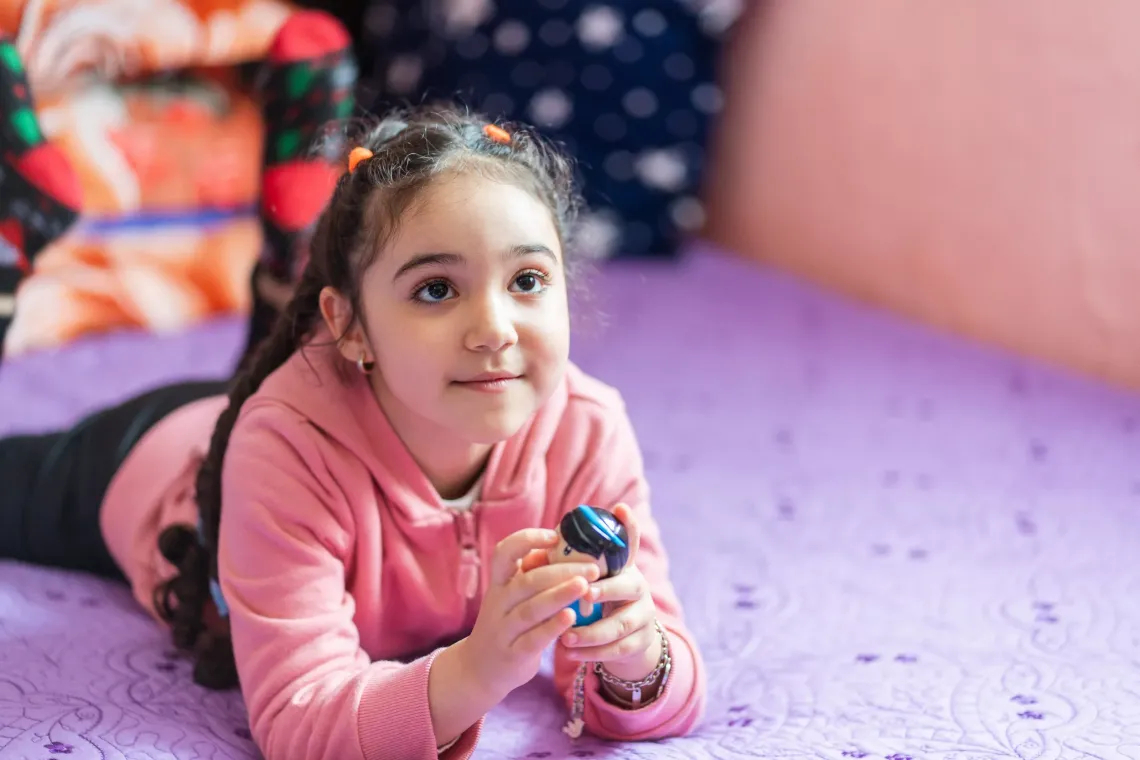
In fact, Lăcrămioara’s work with Antonia has not only provided her with medical check-ups and information on which vaccines she needs next. It’s also provided her with a goal for her own future.
“When I grow up, I will be a doctor – so I can take care of all adults and children,” Antonia says.