UNICEF calls for sustained funding to meet children’s critical humanitarian needs in Ukraine
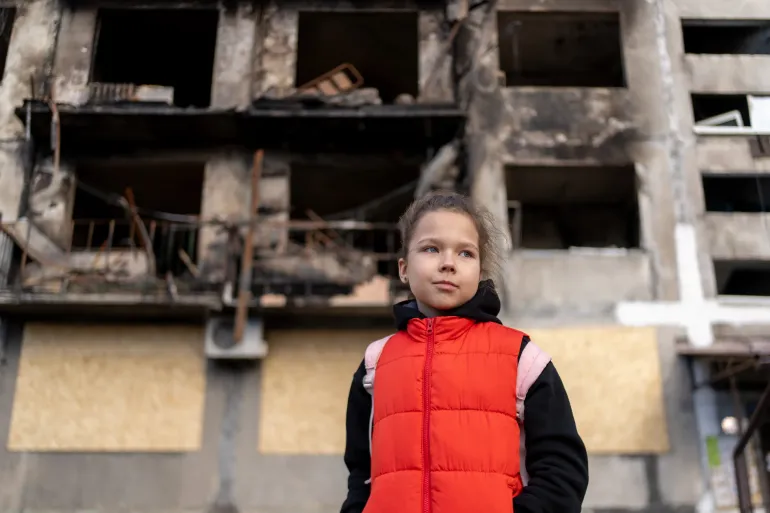
KYIV, 10 December 2025—UNICEF is appealing for US$350 million to provide life-saving humanitarian assistance to 4.3 million people in Ukraine, including 725,000 children, in 2026. As the full-scale war nears its four-year mark, the response forms part of UNICEF’s Humanitarian Action for Children 2026 global appeal launched today, and the 2026 Humanitarian Needs and Response Plan for Ukraine to be released in the New Year.
“Every aspect of childhood has been impacted by this war, and its growing toll on children is placing their lives and future at risk,” said Munir Mammadzade, UNICEF Representative to Ukraine. “Constant attacks, rising poverty, and the unpredictable situation are deepening the humanitarian needs of children and families in Ukraine. We need sustained funding to meet those needs and protect children’s lives and wellbeing.”
The impact of the war on children has been staggering, with at least 3,120 children killed or injured since 2022. While the situation in frontline regions is particularly dire, children across the country are facing acute challenges with the impact of the war on social services and the persistent threat of attacks.
In line with inter-agency response plans, UNICEF’s humanitarian action aims to help save lives, alleviate suffering, maintain dignity, and protect the rights of children directly impacted by the ongoing war by complementing the efforts of the government in:
- Ensuring access to health care services;
- Providing access to formal or non-formal education, including early learning;
- Restoring and ensuring access to safe water and sanitation in communities;
- Providing mental health and psychosocial support;
- Supporting case management, alternative care and family reunification for children in difficult life circumstances;
- Preventing and responding to gender-based violence; and
- Strengthening social protection and cash assistance for vulnerable children and families.
UNICEF’s humanitarian response focuses on reaching children and families who are living in frontline regions, particularly children with disabilities, children in difficult life circumstances, internally displaced families, returning children, and families who need additional support in winter or in the aftermath of attacks.
Outside Ukraine, UNICEF’s humanitarian appeal for 2026 also includes critical support for 165,000 Ukrainian children in refugee-hosting countries in Europe who continue to face challenges because of prolonged displacement.
UNICEF’s humanitarian response is complemented by its large-scale recovery programme, working with partners to strengthen systems and drive a child- and youth-centred recovery, which engages children and young people, and meets their needs through inclusive and quality local community-based services.
UNICEF is urging national governments, the public and private sector, and all partners to stay committed to Ukraine’s children by prioritising flexible and multi-year funding; upholding humanitarian principles and the centrality of protection; and removing barriers that impede humanitarian access.
Above all, UNICEF calls for an end to the war and for peace for every child in Ukraine.
Media contacts
About UNICEF
UNICEF promotes the rights and wellbeing of every child, in everything we do. Together with our partners, we work in 190 countries and territories to translate that commitment into practical action, focusing special effort on reaching the most vulnerable and excluded children, to the benefit of all children, everywhere.
For more information about UNICEF and its work for children, visit https://www.unicef.org/eca/.