

LearnECD
e-learning platform in support of Early Childhood Development

- English
- русский
Welcome to the e-learning platform for current and future professionals who want to enhance their knowledge on how to better support young children and their families for optimal development and wellbeing!


What is LearnECD?

LearnECD is an e-learning platform with free learning resources in support of practitioners, students, academic staff, or other interested learners who would like to enhance their competencies for supporting young children and their families for optimal early child development and wellbeing.
Why this platform?

LearnECD aims to support quality learning and teaching on a wide range of issues on engaging with families and children for optimal child development during the first years of life. Digital courses and resources are available in multiple languages to assist distant or blended pre- and in-service training across the region.
Who is it for?

This platform is for students and practitioners in the fields of early childhood development, early childhood intervention for developmental difficulties, social work, healthcare, including community nursing and home visiting, early childhood education … and many more!
LearnECD resources
The resources on the e-learning platform are organized to meet the needs of specific groups of learners, with a particular focus on strengthening professional competencies in areas of home visiting and early childhood intervention for children with developmental difficulties.
Home visiting
Home visiting during pregnancy and early years is an important strategy for building the skills and competencies of parents and families for nurturing care - an enabling environment that ensures good health, adequate nutrition, safety and security, opportunities for early learning and emotionally supportive and responsive caregiving.
Home visiting
Young children need good health and optimal nutrition as a foundation for healthy development. The available resources strengthen the competencies of home visitors to support and guide parents to protect child’s health and timely to seek preventive and curative services, to monitor child development and ensure healthy nutrition. Specific focus is placed on supporting families to care for small and sick children and promoting parental wellbeing.

A care that is attuned to the child’s needs and cues and responds to them in a sensitive and adequate manner is critical for children to thrive. The resources in this section enhance the knowledge and skills of home visitors and other practitioners to support parents, including fathers to engage in responsive care; to address common parenting concerns and promote strong parent-child attachment. Special attention is given to supporting nurturing care for children with developmental delays and disabilities.

Children learn from the moment of birth. Encouraging parents to play and interact with their child provides children with opportunities to acquire skills and capacities that build a strong foundation for future learning and success in school. The available resources enable home visitors and other professionals to better support and guide parents to provide rich environment for learning and raise awareness on the importance of early education and care.
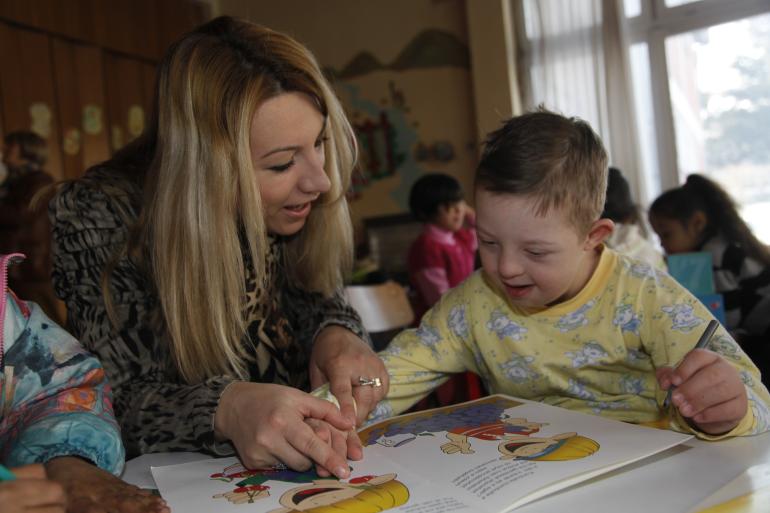
Children need safety and security to explore the world around them, to learn new skills and develop to their potential. Home visitors have an important role to ensure that young children grow in a protective home environment. The resources in this section enhance the professional competencies for supporting parents for positive parenting and addressing child abuse and domestic violence.

Supporting children with developmental difficulties
Although most children follow a typical trajectory of development, 1 in 6 children aged 0-17 years may experience disabilities or developmental difficulties. Science shows that adequate support during the first years of life, when the development of the brain is most intensive, can help improve levels of functioning and enable children to achieve their innate potential.
Supporting children with developmental difficulties
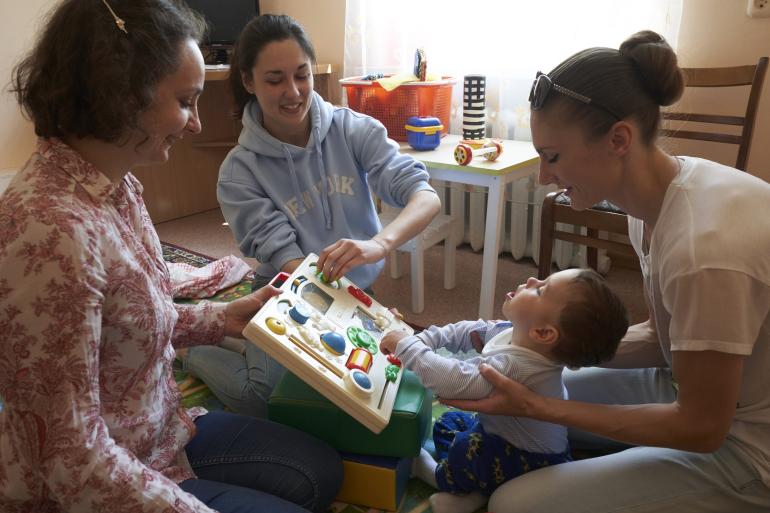
Family-centred, individualized and multi-sectoral early childhood intervention services improve child outcomes and quality of life of families of children with developmental difficulties. The resources in this section will allow practitioners to better understand and apply the principles of transdisciplinary, family-centred practice, and empower and support parents to promote child development as part of the family routines.
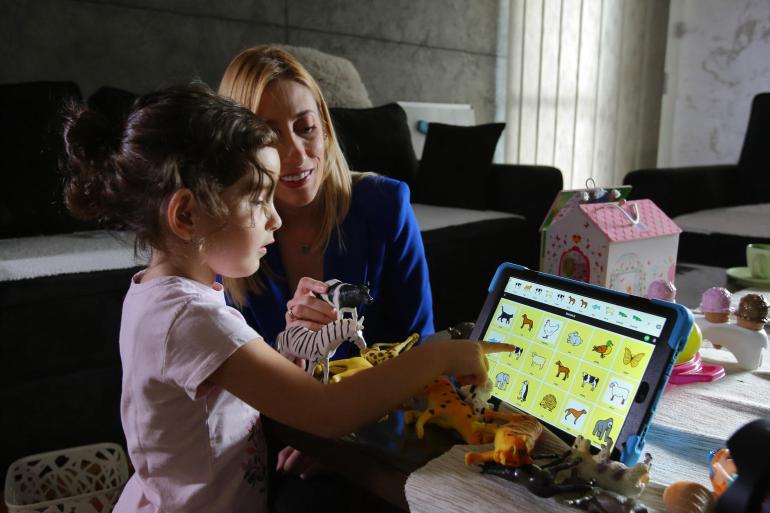
Assistive technologies allow the child, with the help of their family and within a familiar the environments, to improve functioning, interaction, and communication with the surrounding world. The platform features resources that aim to enhance the skills of practitioners to effectively use assistive technologies to support child development and inclusion, with a specific focus on technologies for alternative and augmentative communication.
Contacting us

Do you have questions about the platform or content/modules you would like to share with learnECD?
Don’t hesitate to contact us: [email protected]
The Platform LearnECD and the digital resources were developed with support from: The Austrian Development Agency, the European Union and Microsoft.



UNICEF does not endorse any company, brand, product or service.