Air pollution in East Asia and the Pacific: A threat to every child
How air pollution harms children, and how to protect them
Every child has the right to a safe, clean and healthy environment. Sadly, hundreds of millions of children in East Asia and the Pacific breathe in air laced with dangerous pollutants. In 2021, one hundred children under 5 died every single day in the region due to air pollution-linked causes.
Breathing clean air is essential for children’s growth and development. Young children are uniquely vulnerable to air pollution, which can cause immediate and long-term health effects that are irreversible and even deadly.
As one of the greatest threats to children’s lives and rights, we look at the state of air pollution in East Asia and the Pacific, how it affects children and what actions are needed to protect them.

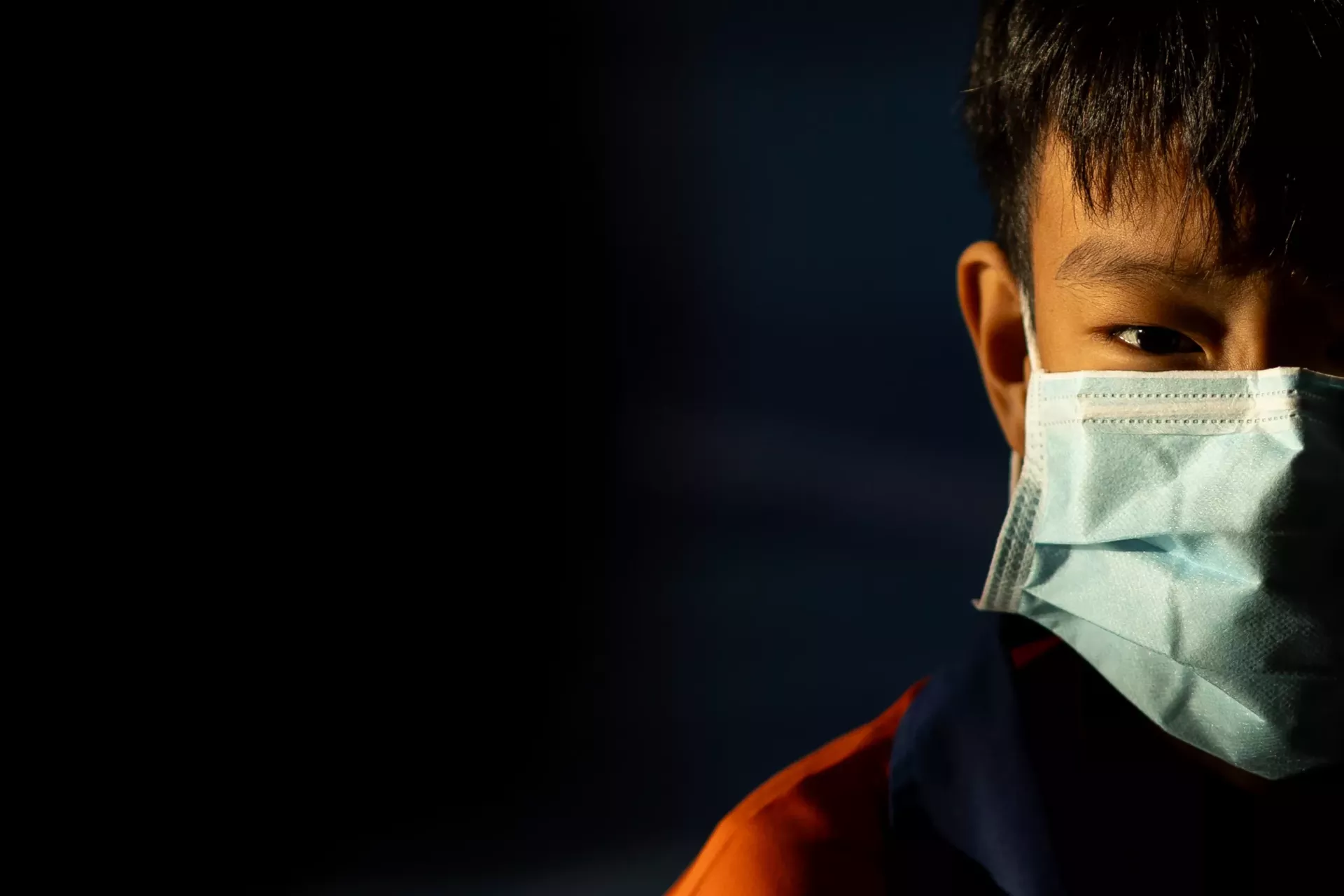
UNICEF/UNI715032/Janthong
In East Asia and the Pacific, 100 children under 5 die every day from air pollution-related causes
Air pollution in East Asia and the Pacific: Fast facts
FAQ
Air pollution is a mix of toxic substances (called pollutants) that fill the air, including fine particles like PM2.5 and harmful gases like nitrogen dioxide, carbon monoxide, and sulfur dioxide. These pollutants can penetrate deep into our lungs and bloodstream, and cause lasting damage to our health.
Most of us know about outdoor air pollution. But air pollution can also be generated and found indoors. In fact, air pollution can move rapidly between indoor and outdoor, and can travel hundreds or thousands of kilometers from its source.
Outdoor or ambient air pollution
Most pollution that fills the outdoor air comes from:
- Industrial sources like power plants and factories that burn fossil fuels (coal, oil, natural gas);
- Cars, trucks and other road traffic;
- Waste management and the burning of agricultural waste;
- Excessive fertilizer and pesticide use;
- Wildfires;
- And sand and dust storms.
In 2020, all countries in the East Asia and the Pacific region had PM2.5 pollution levels that exceeded WHO air quality levels.
Indoor or household air pollution
Household air pollution is responsible for almost half of all air pollution deaths worldwide. It is caused by indoor smoke from stoves that burn coal, wood and other solid fuels for heating and cooking. Second-hand cigarette smoke is another harmful pollutant for children. Combined with poor ventilation, the level of harmful fine particles inside children’s homes and schools can reach 100 times the acceptable limit.
In East Asia and the Pacific, more than 35 million children live in countries that still primarily use solid fuels for cooking and/or heating.
Air pollution can cause very serious health problems, including fatal diseases in people and animals. Some of the most short-term impacts include difficulty breathing and respiratory diseases like asthma and bronchitis.
Air pollution can also cause longer term health impacts, such as cardiovascular (heart) diseases, lung cancer, diabetes, and more.
Children exposed to high levels of air pollution tend to develop respiratory problems later in life.
Climate change and air pollution interact with each other.
Most of the sources of air pollution are contributing to or worsened by climate change, further compounding the negative effects of both crises. When temperatures are high, the level of air pollutants increases. Heatwaves and climate-related events like wildfires worsen air quality. In turn, many air pollutants are also greenhouse gases that accelerate climate change.
The East Asia and Pacific region is one of the most vulnerable to climate-related impacts. Children in the region today experience 6 times more climate-related disasters than their grandparents did. As the climate crisis intensifies, air pollution will become a growing threat to children.

UNICEF/UNI715043/Janthong
Hundreds of millions of children in the region breathe in polluted air every day
The impacts of air pollution on children
Children are more vulnerable to air pollution
The effects of air pollution impact every stage of a child's life cycle. Their bodies and brains are constantly developing, significantly increasing the harms of breathing polluted air. Young children breathe faster than adults and take in more air relative to their body weight. They are small and therefore closer to the ground, where the concentration of many pollutants (such as dust and exhaust fumes) is the highest. Many breathe through their mouth, which takes in more harmful pollutants.
Because children’s immune systems are weaker than that of adults, pollutants can more easily enter their respiratory tract and bloodstream. They’re also at greater risk of viruses, bacteria and other infections during early childhood.
Children living in poor and marginalized communities are often more exposed and suffer a higher rate of severe health problems. They usually live closer to power plants, factories and busy roads, and are much more likely to rely on dangerous fuels and devices for cooking. Many also live in low-quality houses or informal settlements like refugee camps.
Health impacts on children
Children who breathe polluted air are at higher risk of acute respiratory infections including bronchitis and asthma, and their lung capacity can be reduced by up to 20 per cent. That’s similar to the effect of growing up in a home with second-hand cigarette smoke.
Air pollution is also associated with pneumonia, which is the largest infectious cause of death in children globally.
Health impacts on pregnant mothers and newborn babies
Babies are especially vulnerable to air pollution during the first 1,000 days of their life (including in the womb). Exposure during this period can affect their physical and cognitive development, leading to childhood and adult disorders.
In the womb, air pollutants can impair fetal growth and development. Air pollution can lead to preterm birth, low birth weight, miscarriage, and stillbirth. It accounts for 20% of newborn deaths worldwide.
The cost of inaction
Hundreds of millions of children in the East Asia and Pacific region breathe unhealthy polluted air every day. The impact of air pollution is far-reaching, beyond a child’s individual health.
Through its effects on children’s and adults’ health, air pollution adds a significant burden to the health system and increases a country’s spending on national healthcare. When children are absent from school due to illnesses caused by air pollution, their learning suffers. This limits their potential and lifelong productivity. Similarly, when children are sick, their parents often miss work because they have to stay at home and care for them. In Mongolia, a study revealed that private sector companies in the capital lost $7.5 million over five years due to air pollution-related absenteeism. Over the long run, this does significant damage to a country’s economic growth and development.
Considering the extent of learning loss and the crippling economic impacts, decisive action is needed to protect children’s health and learning. The cost of inaction is immense.
Actions to protect children

How to protect children from air pollution
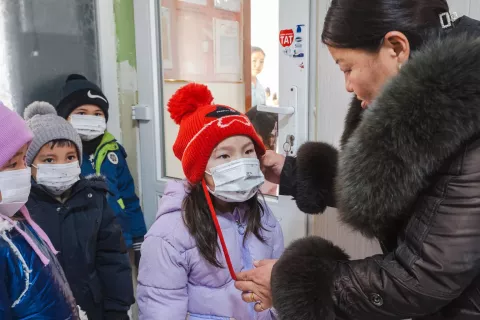
There are simple things that we can do at home and in our communities to keep children safe from air pollution. First, try to monitor the air quality around your home and your children’s school on a daily basis. When air pollution levels are high or extreme, children should try to stay indoors and minimize play and exercise. That way, they’ll breathe in less polluted air. When children must go out, always protect them with a well-fitting and filtering mask. It’s also a good idea to minimize time spent around areas where air pollution is especially high, like areas with a lot of traffic or industry. If possible, you can use air purifiers at home, and try to use cleaner fuels and technologies to cook and heat the home.
>> Here are a few more practical tips on how to protect children from air pollution
Collective action for the win
Because air pollution is a global public health crisis, collective action is needed to stop harming children’s lives and futures. Decisive actions from governments, businesses and parents and caregivers are all needed.
Governments can
- Set ambitious air quality and climate targets, with a focus on child-sensitive solutions – for instance in a country’s Nationally Determined Contributions (NDCs)
- Set up air quality monitoring for access by the broad public
- Promote and facilitate the transition to clean energy and technologies in areas like industry, transport, and household cooking and heating
- Mobilize sufficient financial resources for the implementation of air quality plans
- Embed environmental education and health into school programmes
- Strengthen the health sector’s ability to prevent, detect and treat air pollution-related health problems
Businesses can
- Be compliant with all environmental and health regulations
- Invest in newer, cleaner and greener technologies to reduce emissions
- Create more green business opportunities and jobs
- Offer incentives to partners and customers to adopt clean products and technologies
Parents and educators can
- Raise awareness on air pollution
- Encourage behavior and practices that limit exposure
- Promote meaningful participation of children and young people in climate and environmental action, and encourage them to come up with local solutions
- Call on local and national government to support better policies
- Adopt cleaner technologies for cooking and heating, transport, and waste management
- Lead by example
UNICEF East Asia Pacific Regional Office and UNEP Regional Office for Asia Pacific have jointly developed 20 child-centred clean air solutions, focusing on ensuring clean air in the spaces where children live, learn, play and travel.
Children and young people are often passionate about the environment, and greatly care about combating climate change. It is essential that they get a seat at the table, and can contribute their ideas and solutions to the development of a cleaner and safer environment.