

Inspired by Health: Voices from the Youth Network for Life
UNICEF Cuba accompanies Prosalud's Youth Network for Life
- Español
- English
Peer education is a tool for addressing issues such as sexual and reproductive health among adolescents and young people in Cuba. This is demonstrated by the work of a group of health promoters who are part of the Youth Network for Life, organized by ProSalud and supported by UNICEF Cuba. Throughout the country, this network carries out educational activities to prevent sexually transmitted diseases (STDs) and promote health.
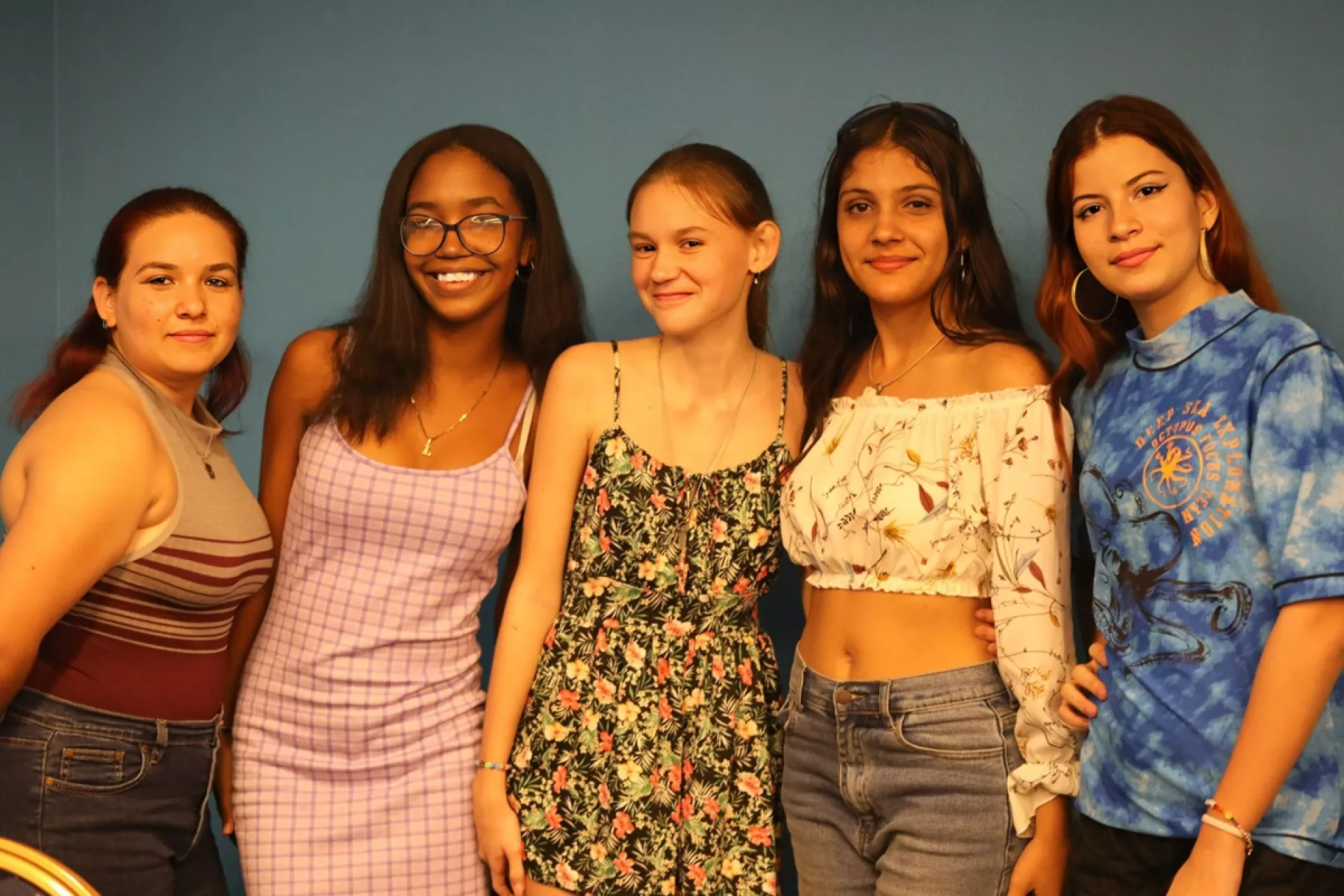
Keyla Alexandra De Diego González, Rosalía Reyes, Lorena Fernández, Carla Negrín and Aitana Puebla are members of the Youth Network for Life, a decision they say has transformed their lives.
“After seeing the first activity at the polyclinic, I was motivated, because I like health issues very much. These are necessary actions. I have never had a young person come up to me and ask me if I needed help, with leaflets,” said Keyla Alexandra, a 15-year-old girl.
The promoters carry out educational activities on STD prevention and sexual health promotion in schools, polyclinics and places where adolescents and young people, their target population, congregate. They hand out information materials such as brochures, condoms and lubricants, and carry out playful activities to catch the attention of their peers.
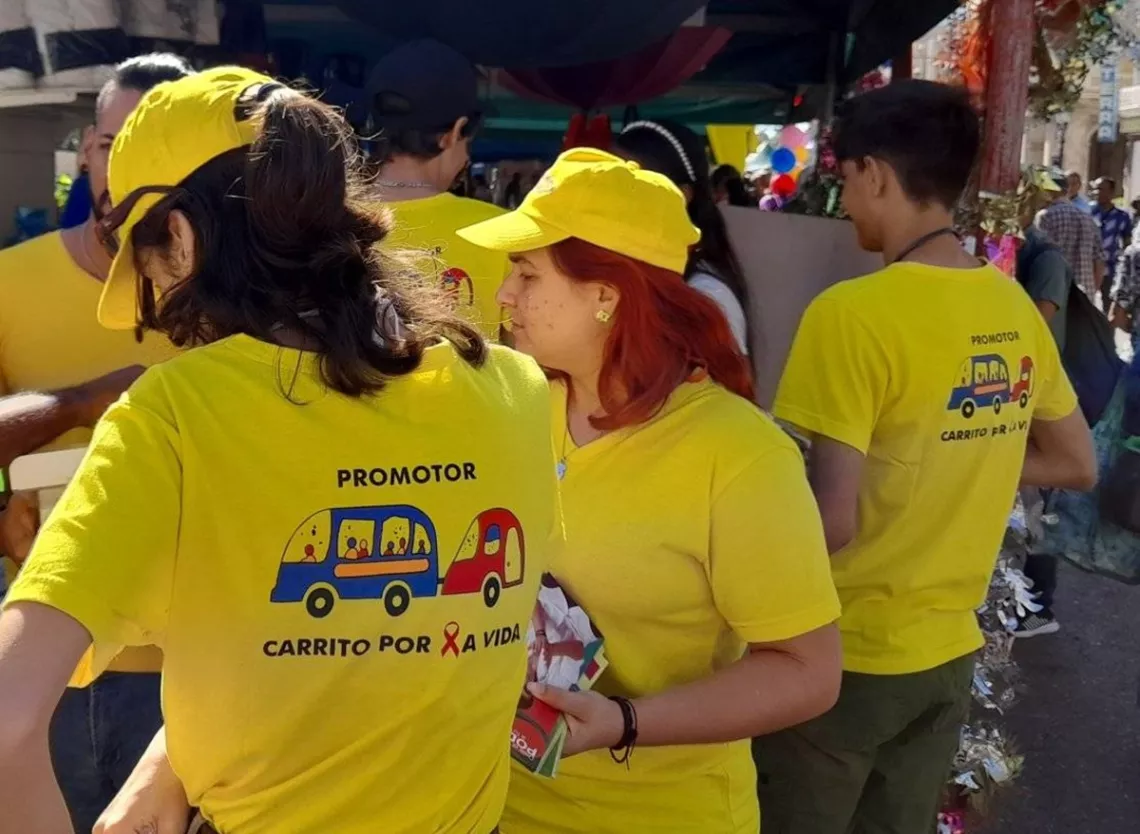
Their role goes beyond sharing information. They act as counsellors and facilitators, answering questions and encouraging open dialogue about sexual health. Their impact is reflected in the growing involvement of other adolescents who, seeing their work, want to join the cause.
“With a teacher, there can be more distance, but not with us,” said Rosalia Reyes, a 15-year-old girl.
For the promoters, peer education is key. “Our main role is STD prevention and health promotion, addressing issues such as condom use and teenage pregnancy,” said Lorena Fernandez, a 14-year-old girl.
The training of these promoters takes place in workshops organised by the Youth Network for Life. These workshops cover essential topics such as gender, sexuality, sexual diversity, changes in adolescence, sexual rights, violence, addictions, self-esteem and sexually transmitted infections, including HIV/AIDS. These workshops are delivered by specialists and collaborators from the Provincial Programme for the Prevention and Control of STIs/HIV/AIDS, with the support of UNICEF Cuba. These workshops equip young people to be leaders in promoting sexual and reproductive health in their communities.
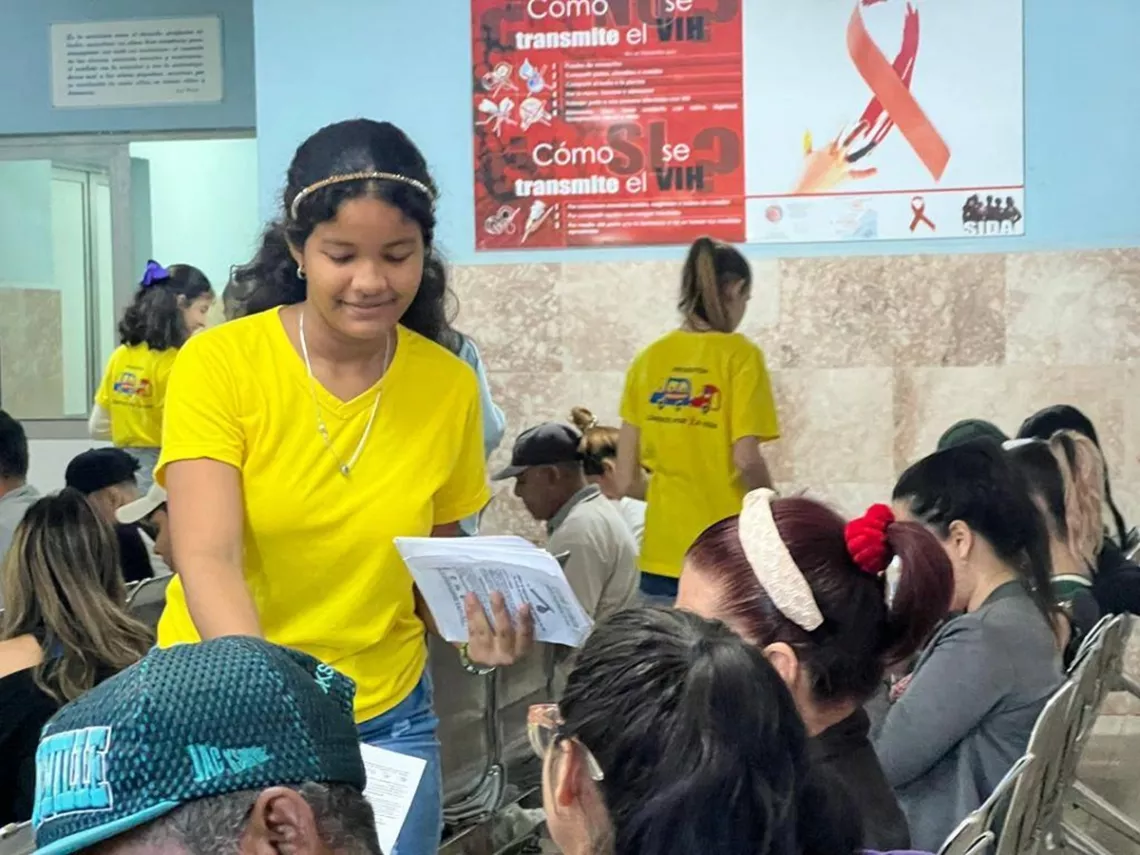
UNICEF Cuba has accompanied the creation of "Decide your game", a comprehensive adolescent health communication campaign that seeks to:
- Strengthen adolescent boys’ and girls’ capacities to make decisions that impact their overall health.
- Raise awareness of the main STDs affecting these groups, their symptoms, sequelae and ways of prevention.
- To raise awareness of the risks and consequences of teenage pregnancy and the contraceptive methods that can be used to prevent it.
The determination and endeavour of Keyla, Rosalía, Lorena, Carla and Aitana are an inspiring example of how adolescent boys and girls can lead change and raise awareness on issues regarding the prevention of sexually transmitted diseases and adolescent pregnancy. Their work highlights the importance of empowering young people as agents of change in building healthier and more aware communities.


