The Girls’ Movement in Cameroon: When Girls Speak Up to Shape the Future
When girls lead, nations transform. In Cameroon, the Girls’ Movement amplifies voices, drives advocacy, and sparks lasting change for generations to come.
- English
- Français
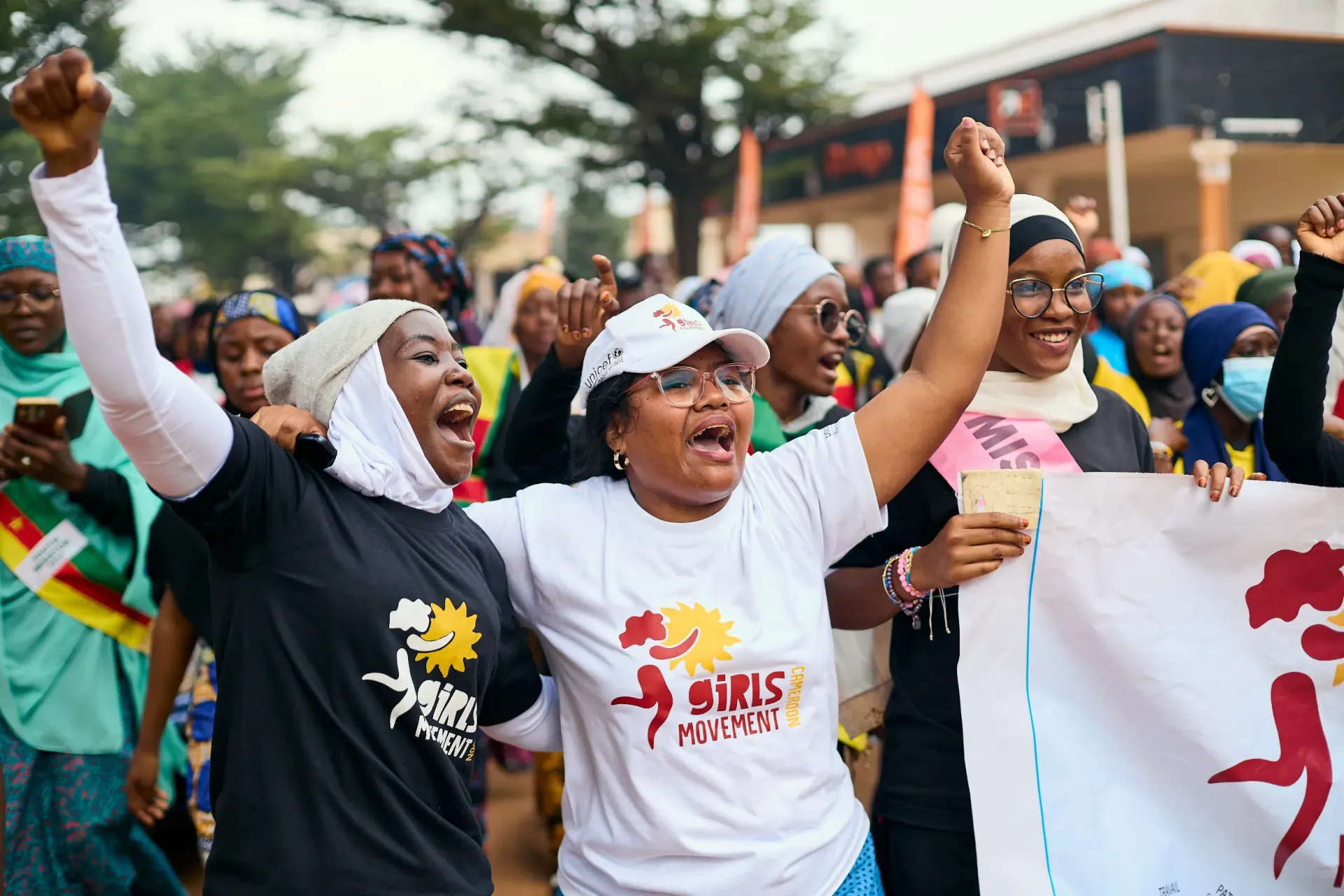
They have long been silenced. Today, they are speaking out to write their own future. In Cameroon, the Girls’ Movement is turning dreams into demands, words into action. From the national caravan to the historic Forum, thousands of voices rise to say: “This is our movement.”
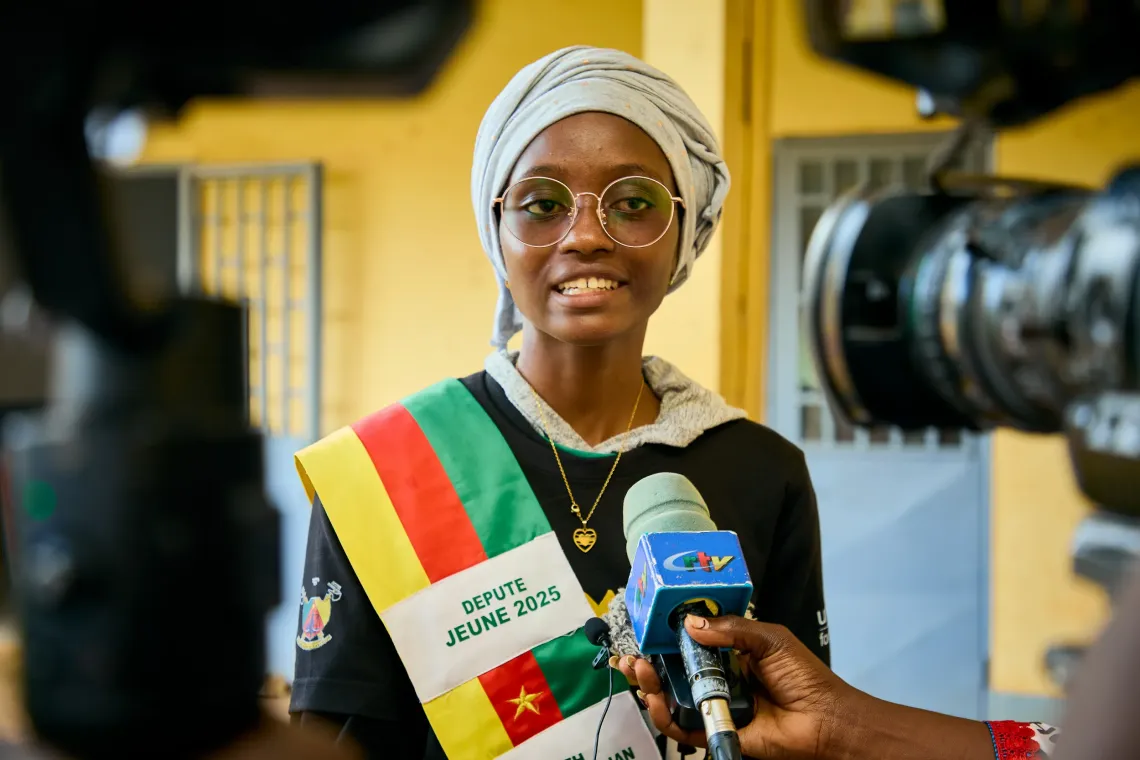
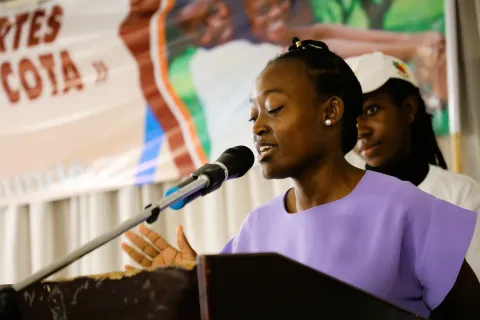
When Aïssatou takes the microphone, the crowd falls silent. Around her, hundreds of girls listen. She takes a breath, then speaks about her village, the school she had to leave, the fears she kept inside for so long. And then about that day when, for the first time, someone asked her a simple but decisive question: “What do you want for your future?” That day, Aïssatou, 16, became one of the voices of the Girls’ Movement in Cameroon.
Persistent Challenges, One Shared Urgency
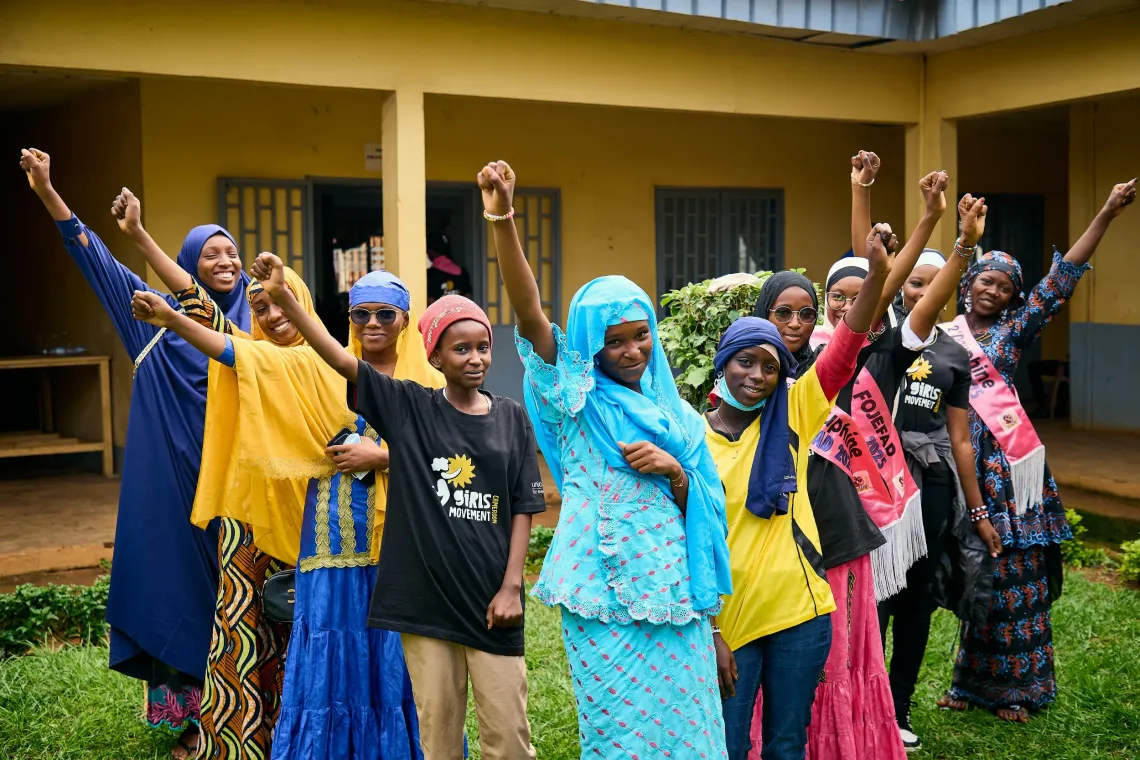
In Cameroon, girls make up nearly a quarter of the population. Yet for many of them, growing up means facing obstacles: early marriage and pregnancy, gender-based violence, limited access to education and health services, and the impacts of humanitarian and security crises.
“Too often, decisions that affect girls’ lives are made without them,” reminds Nadine Perrault the UNICEF Representative in Cameroon. “The Girls’ Movement is based on a simple but powerful principle: girls are not just beneficiaries; they are legitimate agents of change.”
This vision gave birth to Girls’ Vision for the Future – Girls’ Movement, an initiative led by UNICEF, the Government of Cameroon, and numerous partners, to make girls key actors of change and essential voices in public policies that concern them.
A Nationwide Mobilization Led by Girls Themselves
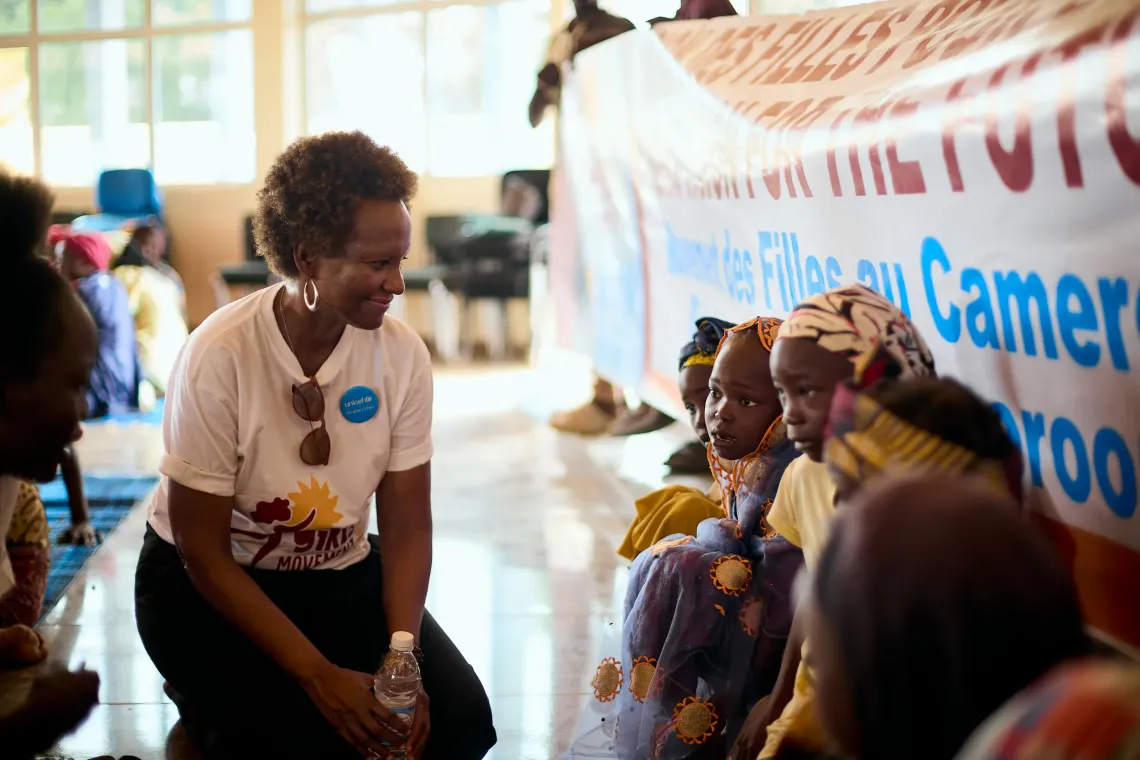
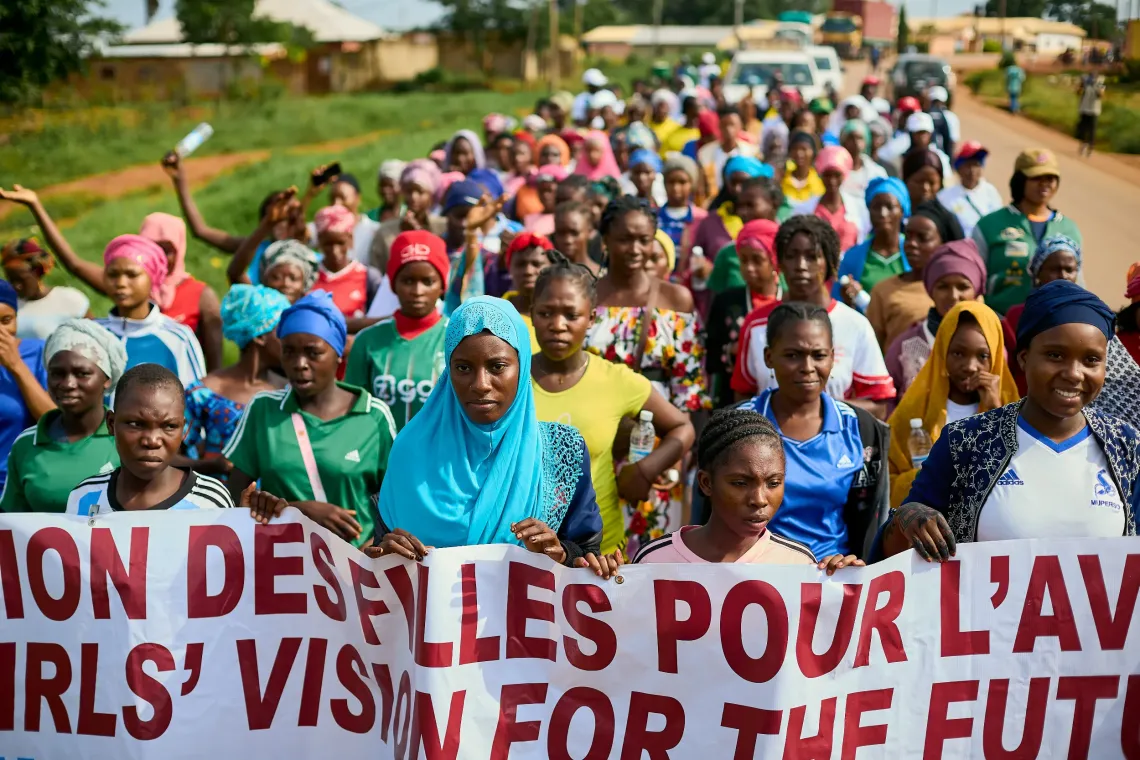
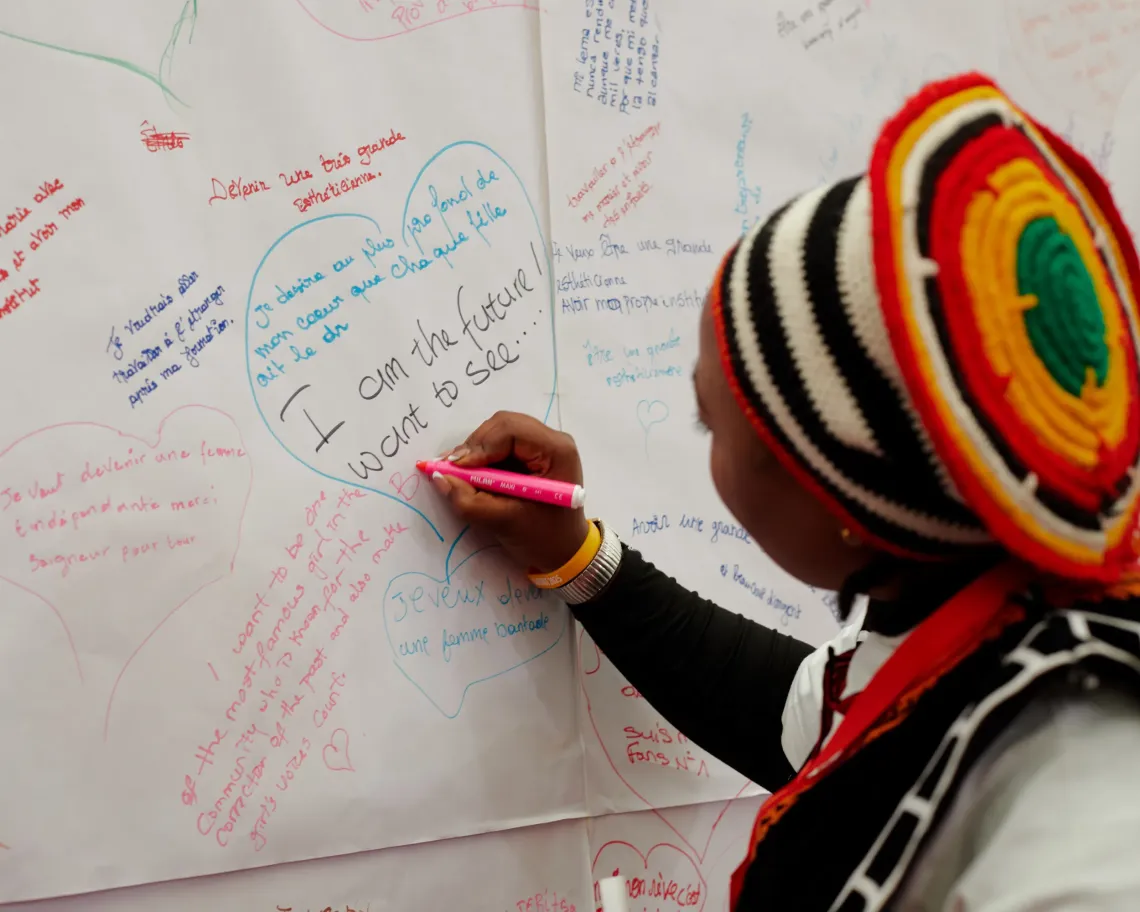
In 2025, a national caravan traveled across Cameroon’s ten regions, meeting girls in urban, rural, remote, and crisis-affected areas. More than 5,600 girls, from all walks of life, internally displaced, refugees, girls with disabilities, adolescents in and out of school,spoke up in safe spaces. They shared their realities, expressed their priorities, and voiced their dreams.
Aïssatou recalls: “That day, we weren’t judged. We were listened to.”
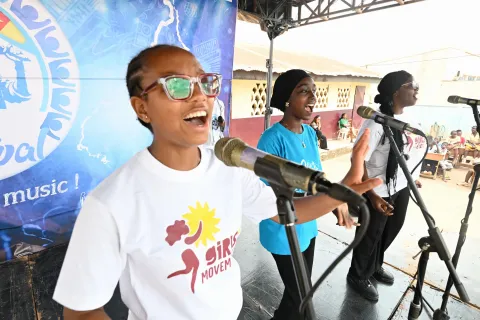
To strengthen unity and belonging, the Movement adopted a strong visual identity, an anthem, and a choreography, symbols of hope widely broadcast on community radio and digital platforms. A simple message echoed everywhere: “This is the Girls’ Movement.”
That day, we weren’t judged. We were listened to.
Numbers That Speak
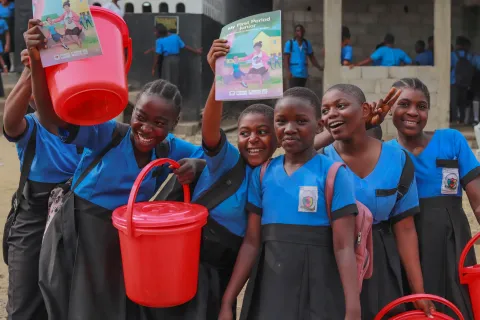
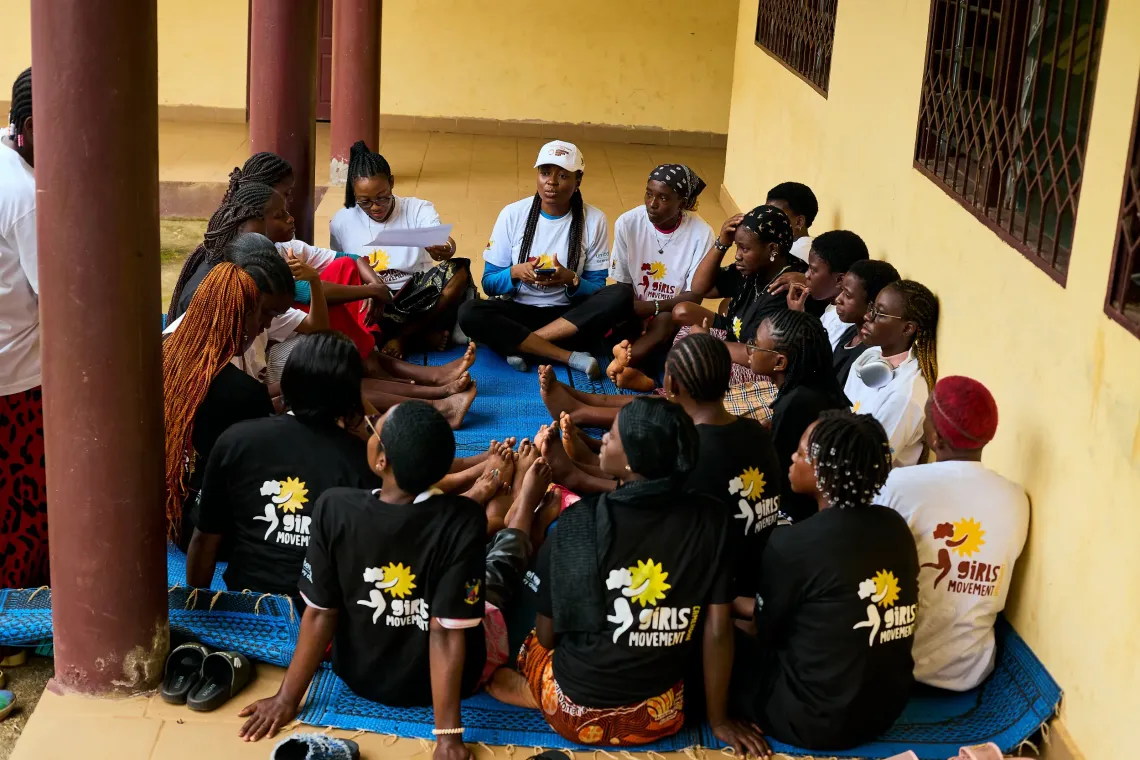
Behind every number lies a story, a face, a dream. In less than a year, the Girls’ Movement mobilized 7,018 children, including 5,632 girls, to make their voices heard across Cameroon’s ten regions. It distributed 729 sanitary kits, organized 38 community consultations, and launched a national petition calling for immediate action. Through the “Cyber Queen” podcast, thousands of young people were sensitized to the dangers of cyberbullying, while an environmental campaign brought together 150 girls to fight plastic pollution. These figures are not mere data, they embody a dynamic, a collective energy transforming girls’ realities into concrete actions and lasting hope.
From Advocacy to Action: A Manifesto for Girls’ Rights
At 18, Janelle is part of the Girls’ Taskforce responsible for drafting the Cameroon Girls’ Manifesto. For a full day, they debate, rewrite, and refine every word. “This isn’t a text for adults. It’s ours,” she explains.
Presented at the National Forum on Girls’ Rights, which gathered over 1,500 girls from all regions of Cameroon, the Manifesto marked a historic moment. It is accompanied by a national petition calling for concrete and immediate action. For the first time, girls’ priorities were brought directly before decision-makers, in a space designed for and with them.
Addressing participants at the Forum’s closing, the UNICEF Representative delivered a powerful and symbolic message:
“I hope each of you returns to your region, your community, your home, proud of these achievements. And that one day, you will tell your children and grandchildren: I was there. I was part of this movement that changed our lives, and yours.”
These words resonated as both a promise and a shared responsibility: to make the Girls’ Movement not a one-time event, but the starting point for lasting change for generations to come
I hope each of you returns to your region, your community, your home, proud of these achievements. And that one day, you will tell your children and grandchildren: I was there. I was part of this movement that changed our lives, and yours.
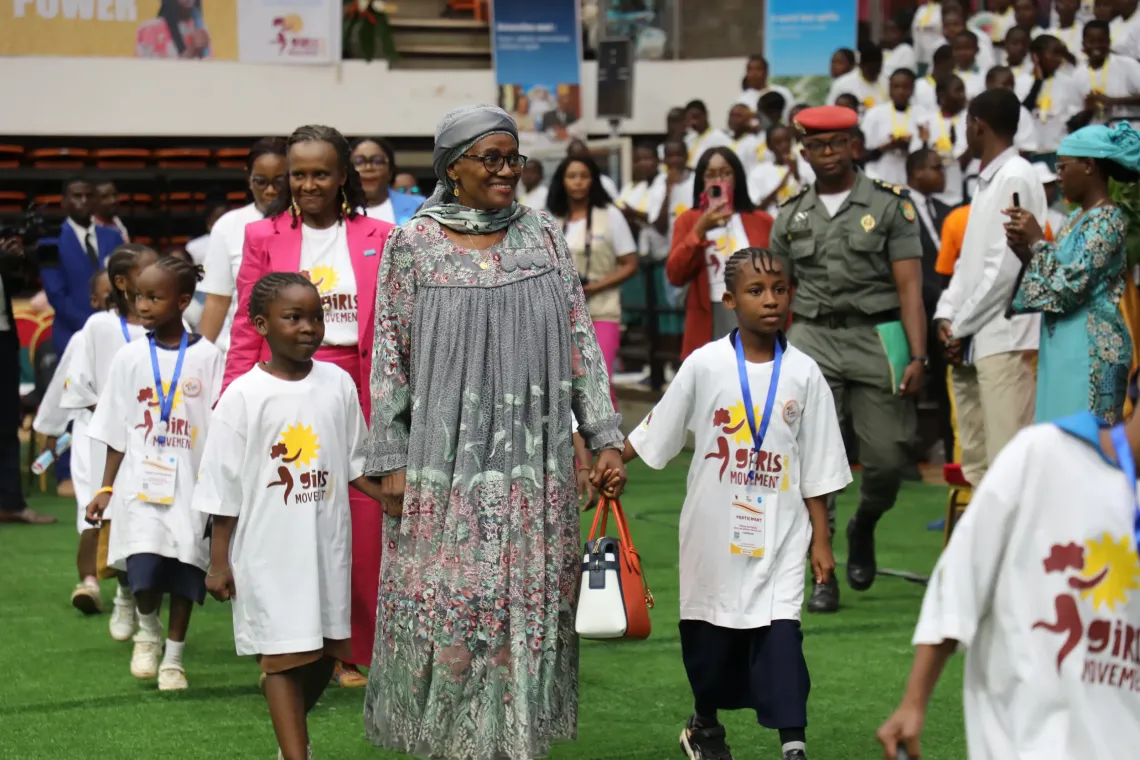
For Marie‑Thérèse Abena Ondoa, the Minister of Women’s Empowerment and the Family (MINPROFF), this Forum marks a decisive step: “This National Forum aims at the holistic promotion of girls’ rights to foster their full development. Designed for and with girls, the Movement aligns with Cameroon’s commitments under the Convention on the Rights of the Child and the African Charter on the Rights and Welfare of the Child.”
Investing in Tomorrow’s Leaders
In Yaoundé, Mireille, 21, takes part in the “Ma COTA” mentorship program. A determined student but often in doubt, she is paired with a woman leader. The meetings change her trajectory. “She didn’t tell me what to do. She showed me it was possible.”
Through this program, teenage girls are mentored by ministers, entrepreneurs, professionals, and activists. They build confidence, leadership, and the ability to envision their future. The Girls’ Movement doesn’t just listen to girls, it invests in them.
A Collective Commitment for Lasting Change
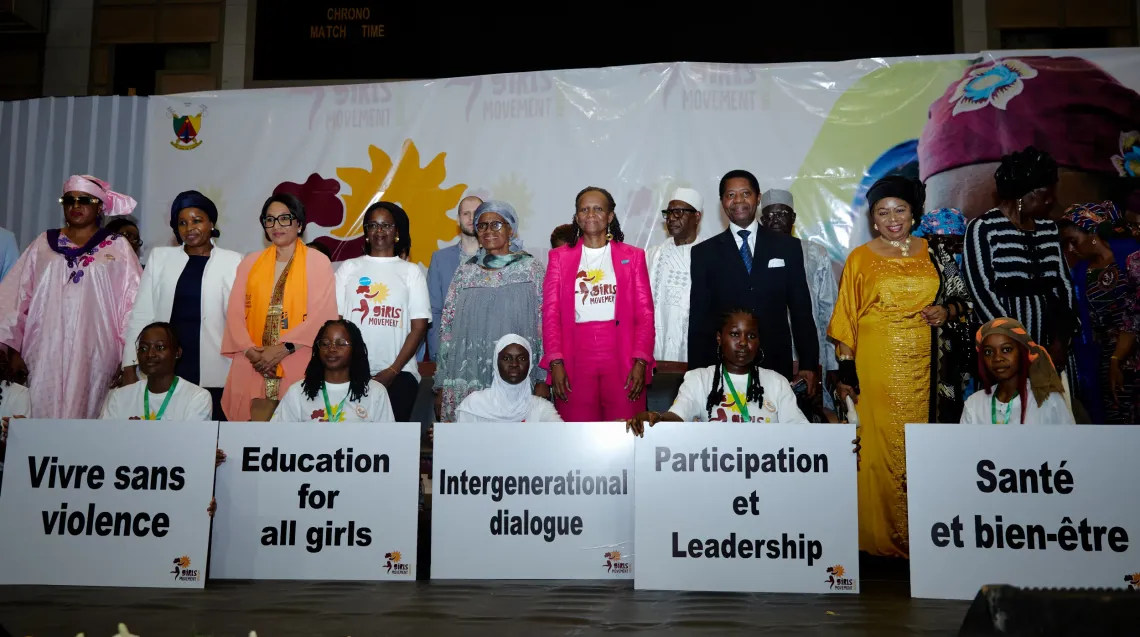
The Girls’ Movement relies on a multisectoral mobilization bringing together key ministries, UN agencies, civil society organizations, community leaders, the private sector, and the media. This synergy has made girls’ rights a visible national priority.
Today, the Movement goes beyond a campaign. It stands as a sustainable national platform, set to inform the development of a National Agenda for Girls’ Rights, aligned with Cameroon’s priorities and driven by the continued engagement of girls themselves.
“Our Future Starts Now”
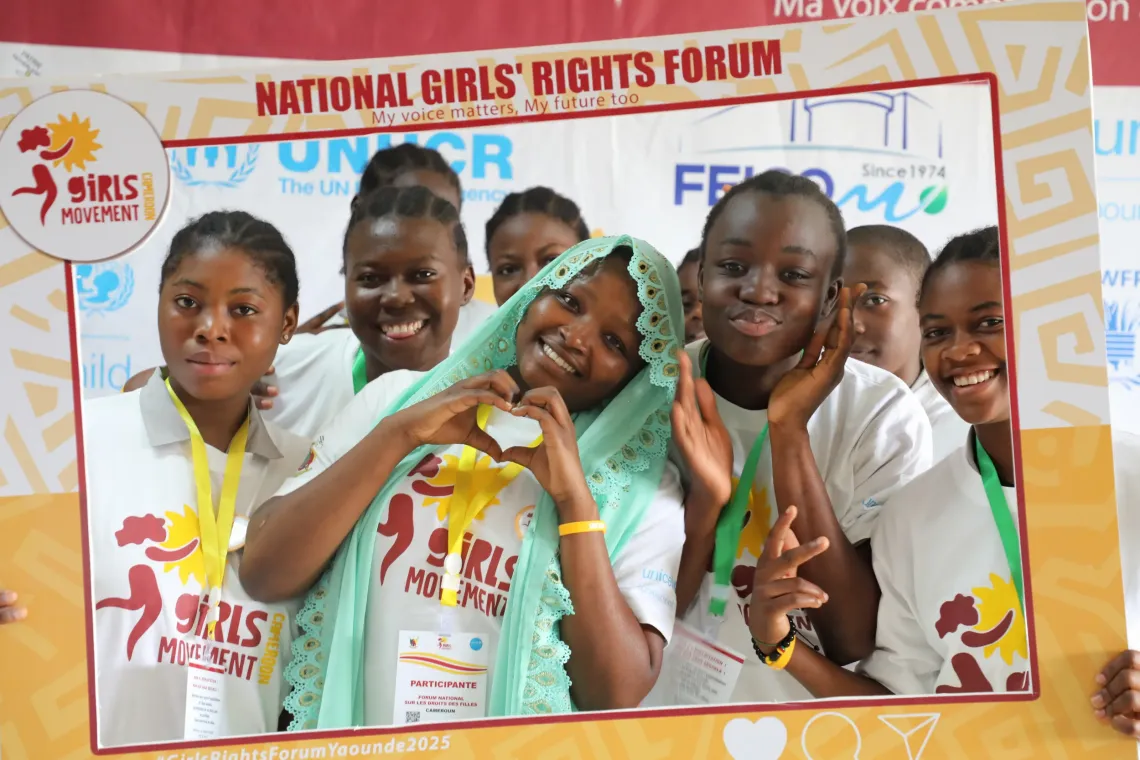
Aïssatou, Janelle, Mireille. Different names, unique stories, but one shared conviction: their future deserves to be built with them, not for them. Across Cameroon, thousands of girls are now speaking out, occupying public spaces, and reminding us of a fundamental truth: When girls lead, change becomes possible.
By listening to them, supporting them, and acting alongside them, UNICEF and its partners reaffirm an essential certainty: when girls lead, communities progress, and nations transform.