Closer to Home, Better Care
Once avoided by many families, this rural border hospital is now a trusted facility with lifesaving equipment, solar power, and climate-smart WASH facilities, ensuring every child gets quality care.
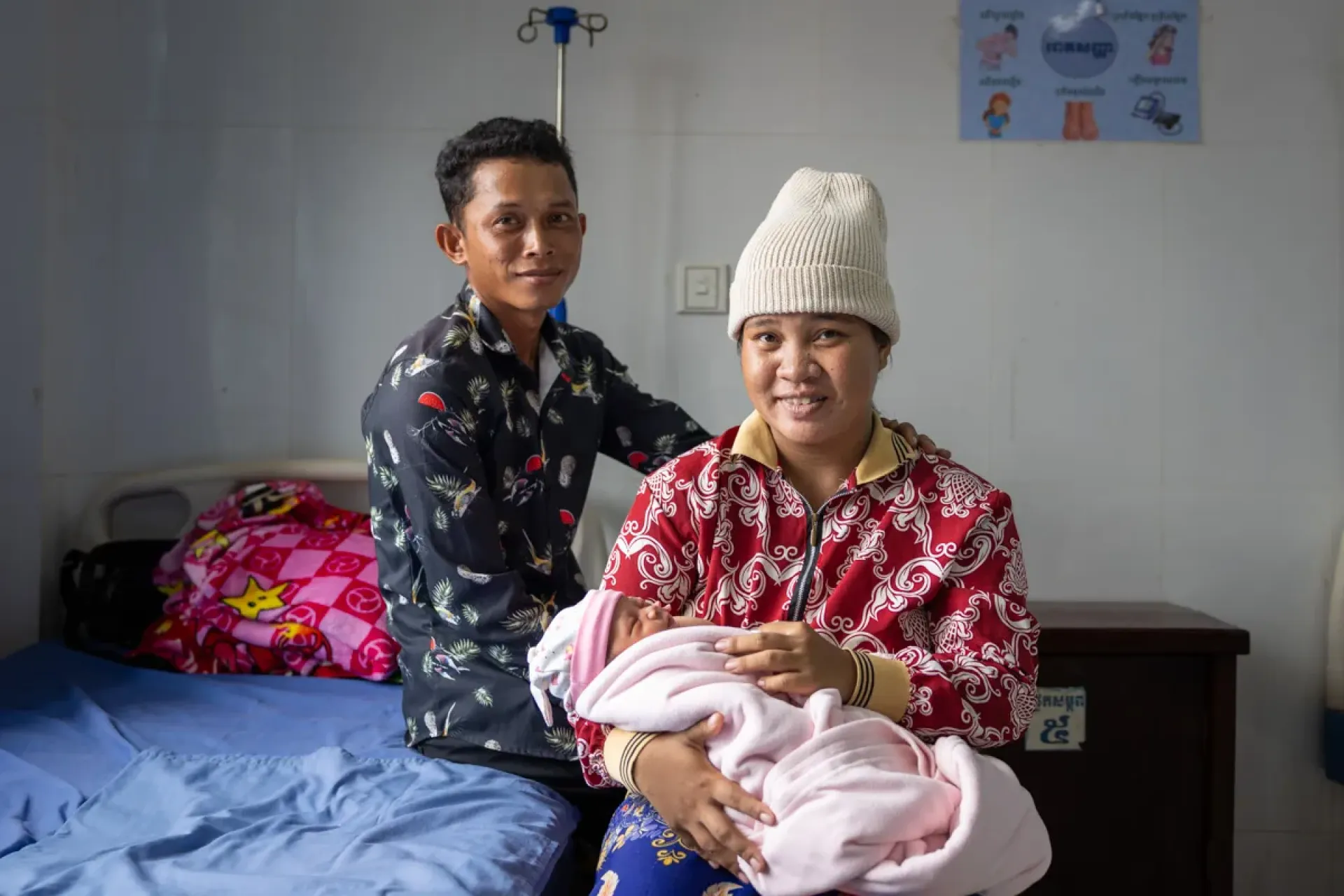
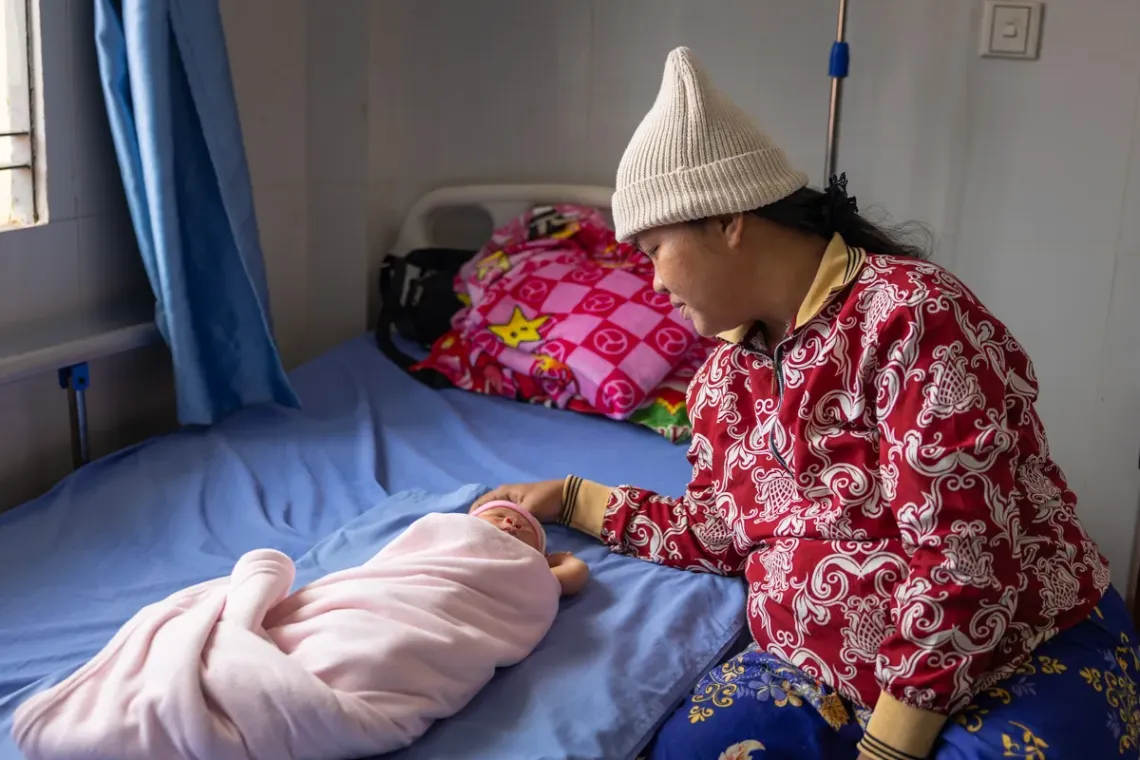
8 July 2026, Preah Vihear – In a shared hospital ward cooled by whirling electric ceiling fans, a mother of three recalls her labour experience as her one-day-old newborn sleeps in her arms. When she gave birth to her first child in 2021, Ny Lida, 24, remembers that patients shared toilets, there was only one electric fan in the ward, and families had to bring many essential items from home. Returning for her second delivery, she noticed improvements. Describing her third delivery, she beams an optimistic smile.
"Our hospital used to be so under-equipped, so I was thinking of going to Siem Reap,” she said. “But once I saw the improvements for myself, I didn't want to go anywhere else. After a hard first birth and a better second one, I finally have peace of mind with my third child. I came straight here to deliver. No more worrying, no more thinking twice."
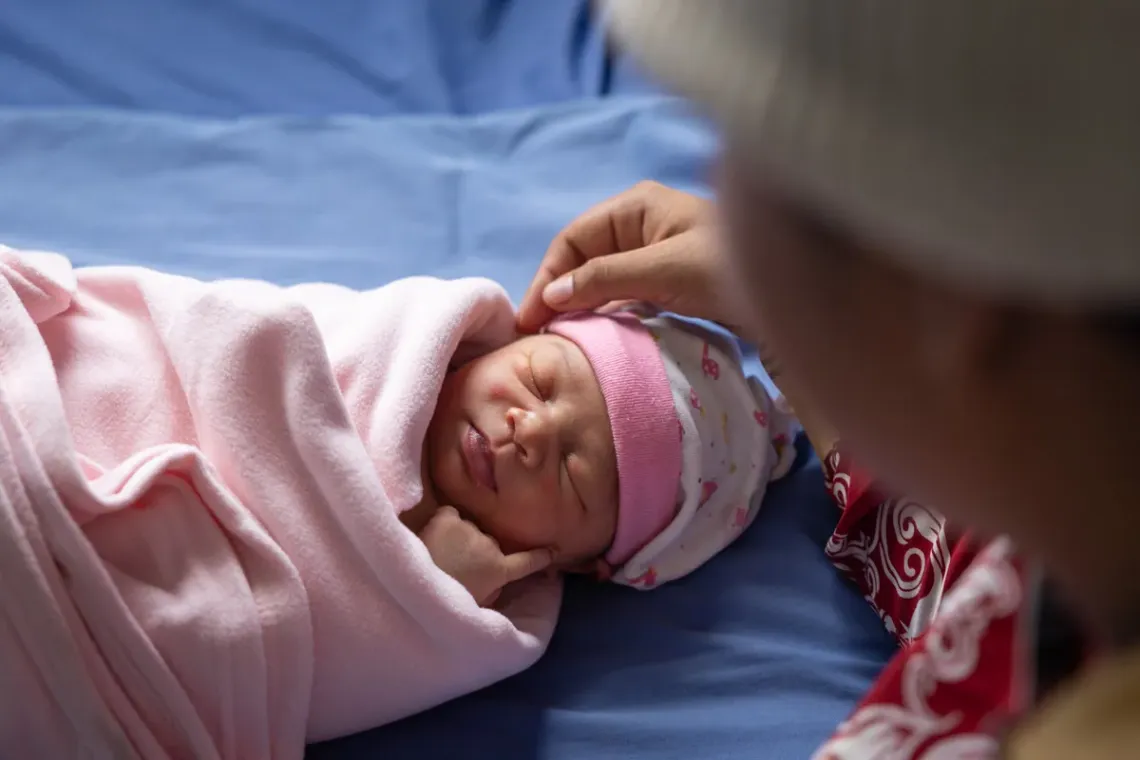
Rocking her baby in her arms, Lida’s experience reflects critical improvements to Choam Ksan Referral Hospital in Preah Vihear province, around 20 kilometres from the Cambodian border with Thailand. Until recently, the neonatal care unit (NCU) lacked critical medical equipment needed during emergencies, with many families forced to travel more than ninety kilometres to access better quality services to save their newborn’s life. Frequent blackouts would also interrupt the delivery of services, and inadequate water, sanitation, and hygiene (WASH) facilities risked the spread of infection and life-threatening diseases.
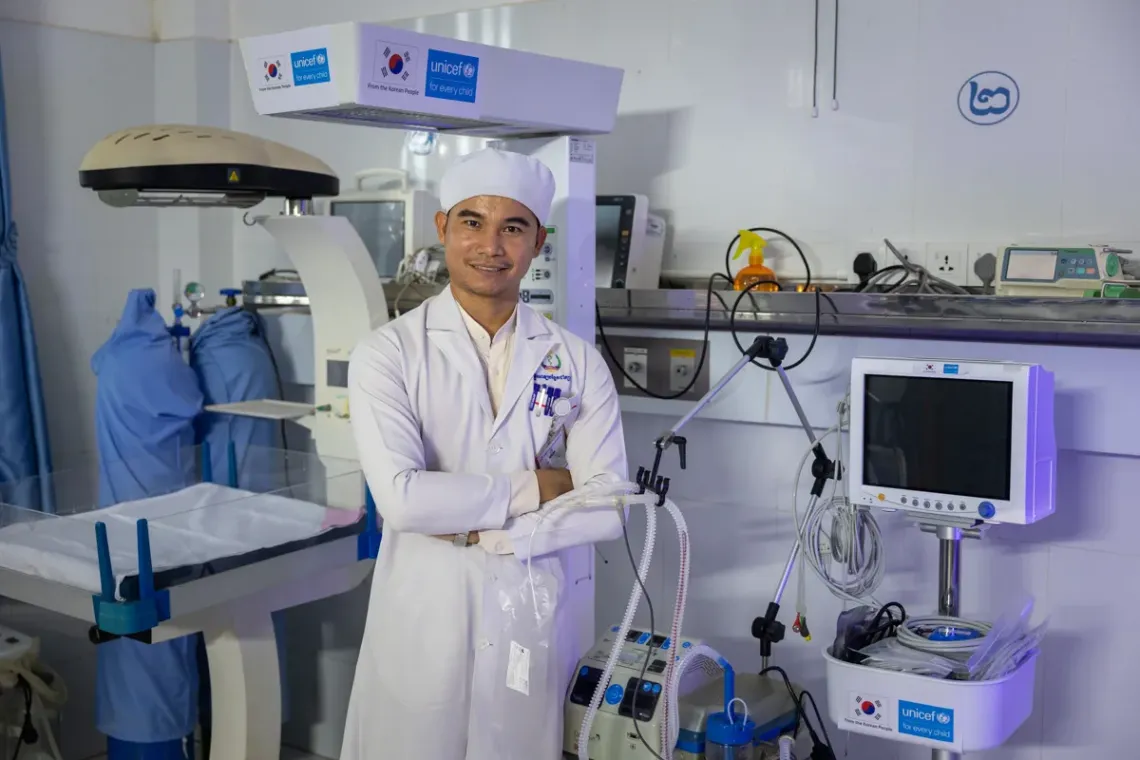
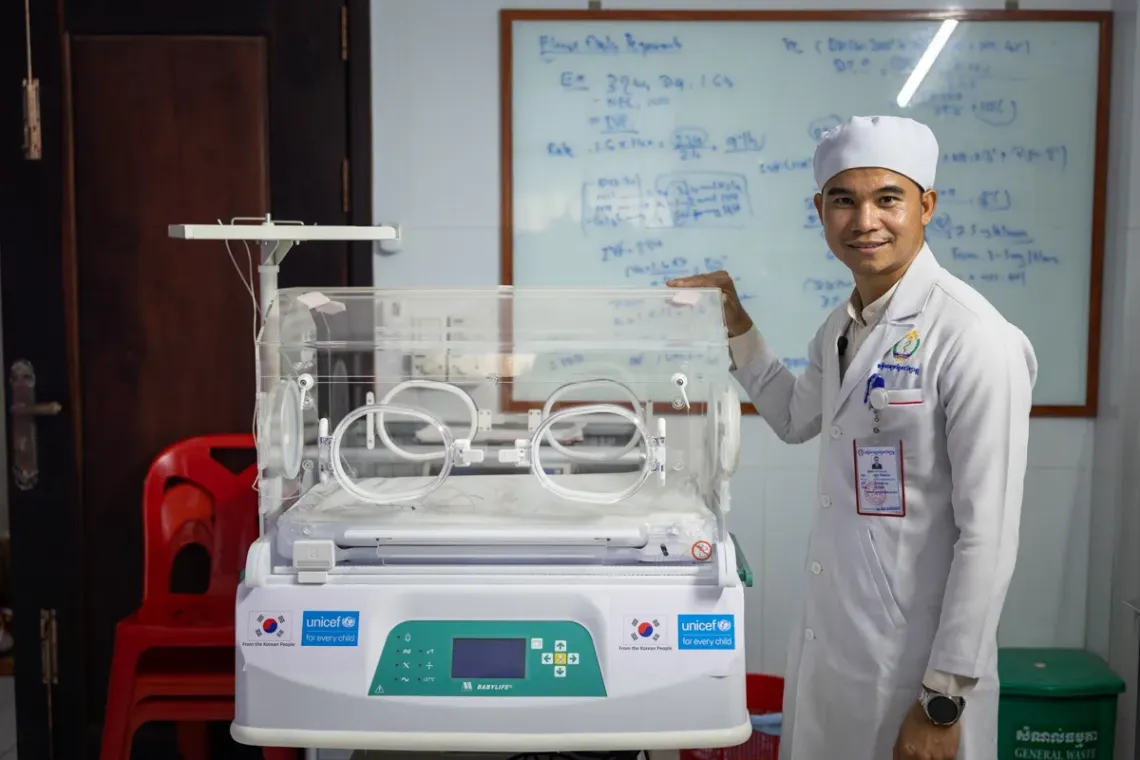
With support from the Republic of Korea through UNICEF, the hospital has now become a trusted place for care. The NCU has been equipped with essential equipment to save lives during critical moments, solar power keeps electricity running all day and night, while improvements in WASH facilities ensure children and their families receive care in a safe, healthy environment. Together, these investments are helping more than 63,000 people access quality healthcare closer to home.
Over the last 20 years, newborn deaths in Cambodia have fallen significantly, dropping from 37 per 1,000 live births in 2000 to just 8 in 2022. Despite this progress, many children in remote and rural areas continue to face the greatest barriers to quality care.
Powering lifesaving care
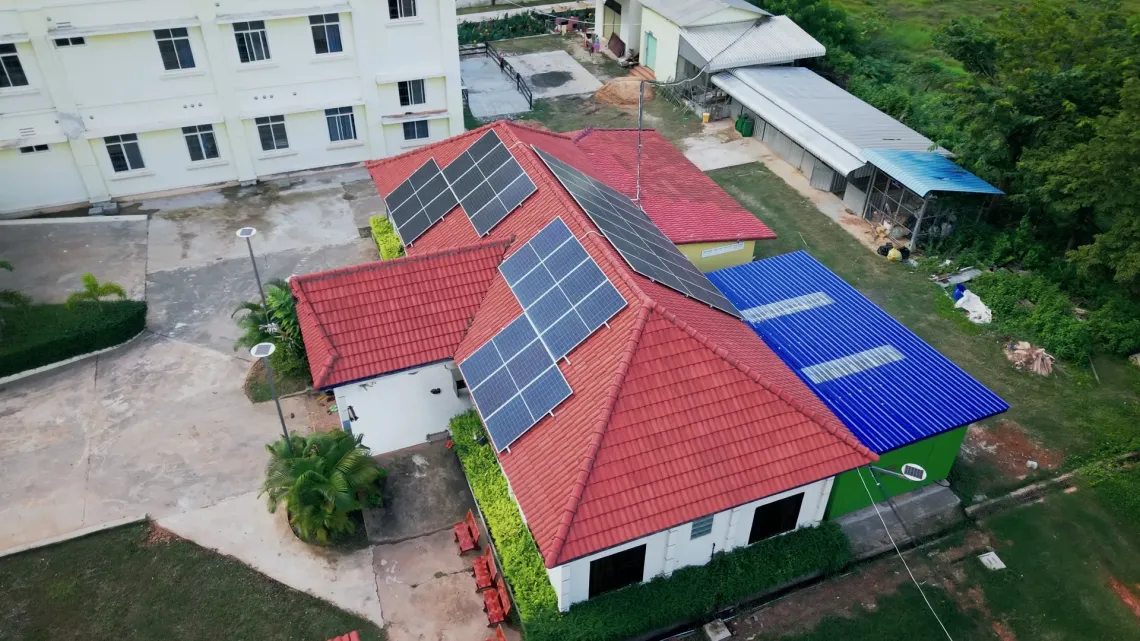
Unpredictable and frequent blackouts are a common challenge across rural facilities, severely impacting the operation of emergency services, surgeries, and the NCU.
Dr. Leng Kimchheang, Chief of Choam Ksan Referral Hospital, recalls a time that blackout affected a newborn’s “golden minute”, the critical first minute when a newborn must breathe independently. “We had to do secretion suction [to clear the airway], but there was no power supply, so we couldn’t do it,” he said.
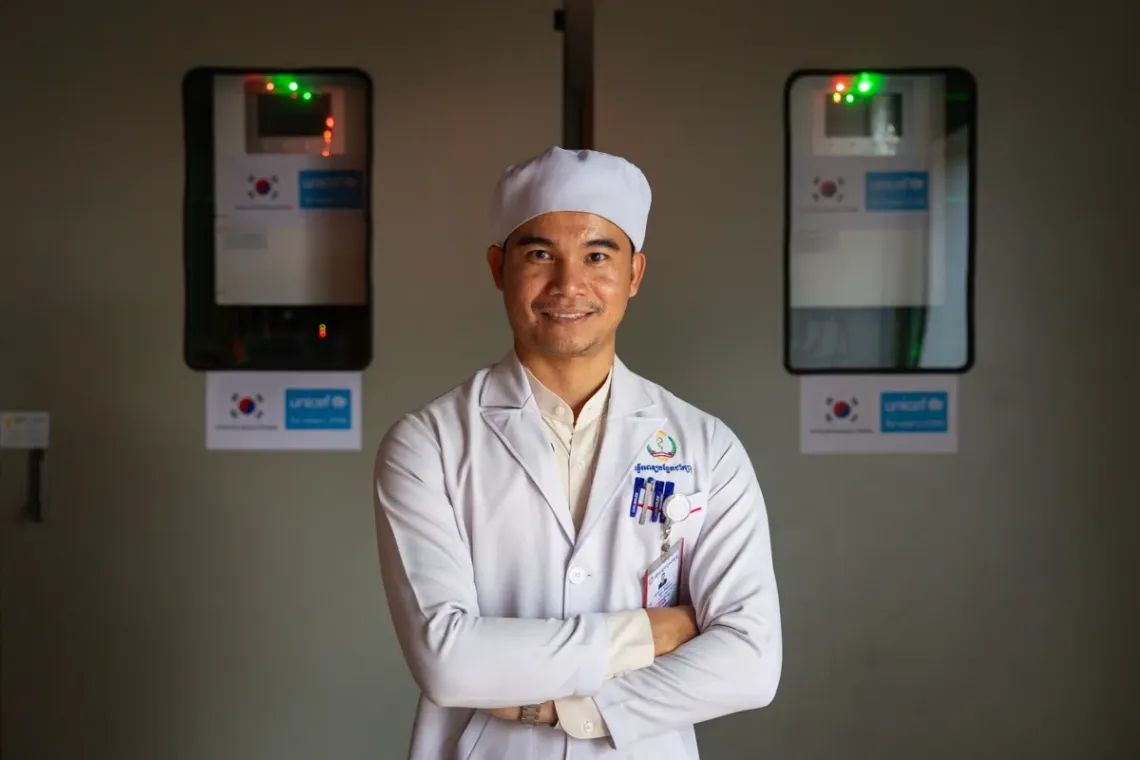
Today, thanks to solar-powered facilities, the hospital can keep the most important units operating even during electricity cuts, including refrigerators that store vaccines and other critical medicines. “A recent rainstorm cut off the electricity, but luckily we had the solar-backup power to supply more important units and sustain the hospital’s operations during the crisis,” Dr. Leng continued.
Safer care for every child
Safe water, sanitation, and hygiene are equally essential to protecting patients, especially newborns and young children, who are more vulnerable to infection and diarrhoea. Across the country, only 38 per cent of healthcare facilities have access to a reliable year-round water supply for all purposes, including drinking water, while only 7 per cent have access to basic sanitation services.
Built on a wetland, the hospital’s sewage used to overflow during the rainy season, causing foul odors nearby. This wastewater also reached local waterways, increasing the risk of disease and antibiotic resistance within the community.
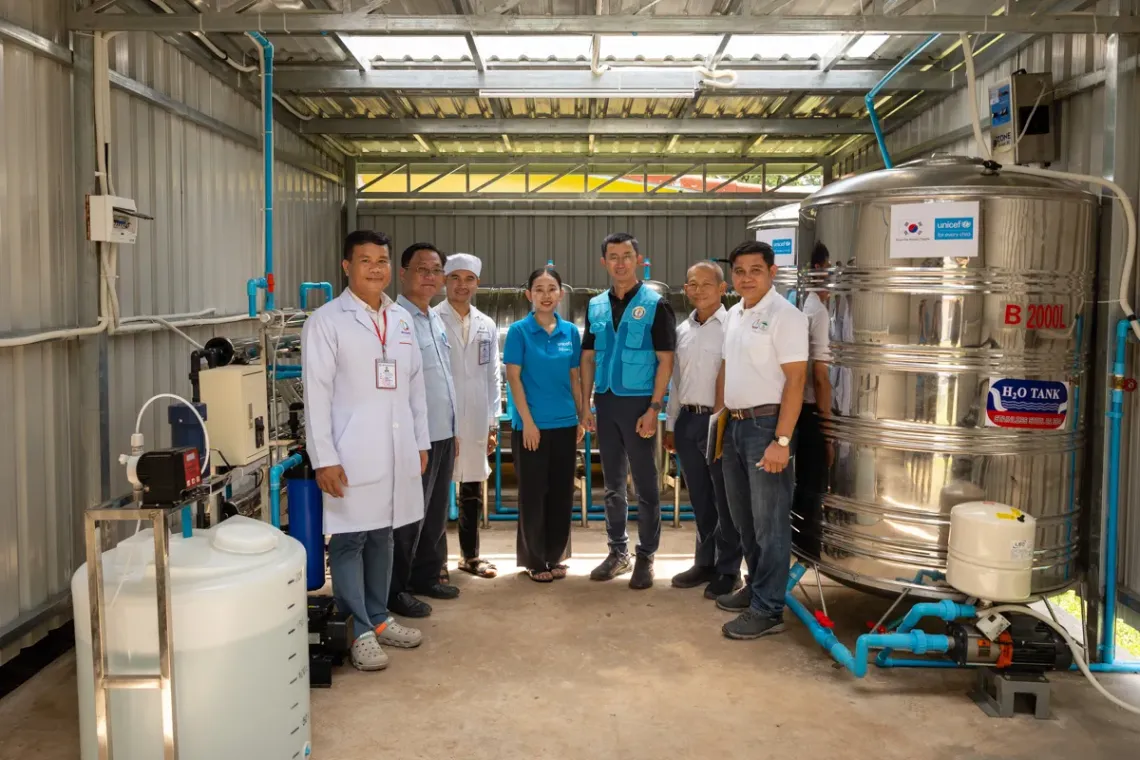
With support from UNICEF, the hospital is now equipped with nature-based constructed wetlands, which naturally purify the wastewater and ensure the hospital can safely disperse the water into the public sewage system.
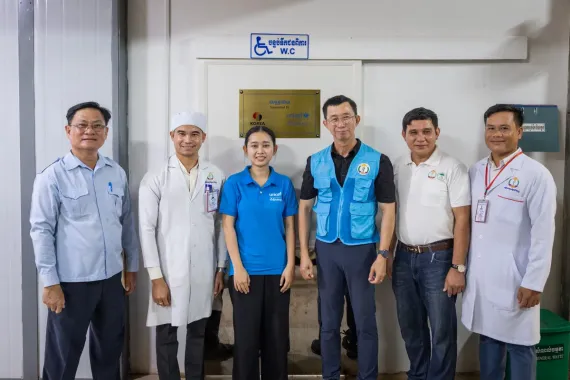
The hospital has also installed accessible toilets, allowing patients with limited mobility to use them more independently. "It reduces their need to rely on family members and saves hospital staff from having to escort them to the restroom. It also spares them any embarrassment," explained Dr. Leng.
The upgrades have also made everyday hospital stays more comfortable for patients and their families. During the dry season, patients often complained about hot and stuffy weather. They spent money on portable electric fans, and needed to bring water from home, buy water, or risk consuming unsafe water at the hospital.
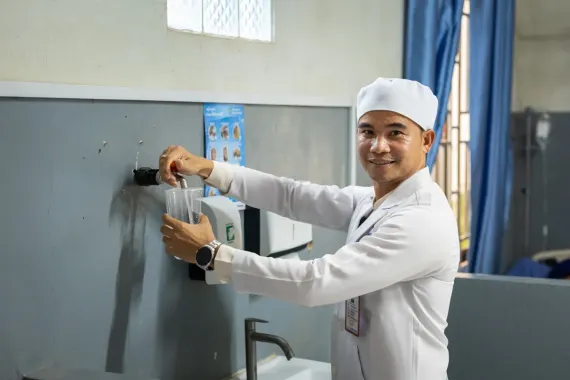
Supported by UNICEF, 64 fans are now installed across the hospital, and a filtered water system provides safe and drinkable water for everyone, including children, caregivers, and health staff.
A place families trust
Each year, the hospital takes care of more than 100 newborns. In the first half of 2026 alone, 36 newborns were successfully born and treated at the hospital without being transferred elsewhere, thanks to equipment provided through UNICEF support, including incubators, CPAP machines, pulse oximeters, baby warmers and phototherapy equipment for treating jaundice.
“In the past, we did have many cases, but we also had to refer many of them to 16 Makara Provincial Referral Hospital because we lacked the necessary equipment,” said Dr. Leng. “However, as of now, we no longer have to refer such cases.”
Lida and her baby were discharged from the hospital today. Returning to her community, she wants to let them know: “They have everything. The hospital is clean now. It has fans, an emergency room, and a proper delivery room. When we have a problem, we can get help here. We don't have to go far anymore.”