Cambodian Youth Advocate for Change to End Child Marriage
Teenagers in Ratanakiri, supported by UNICEF and local NGOs, are challenging deep-rooted traditions, advocating for education, and leading the fight to end child marriage in their remote indigenous communities
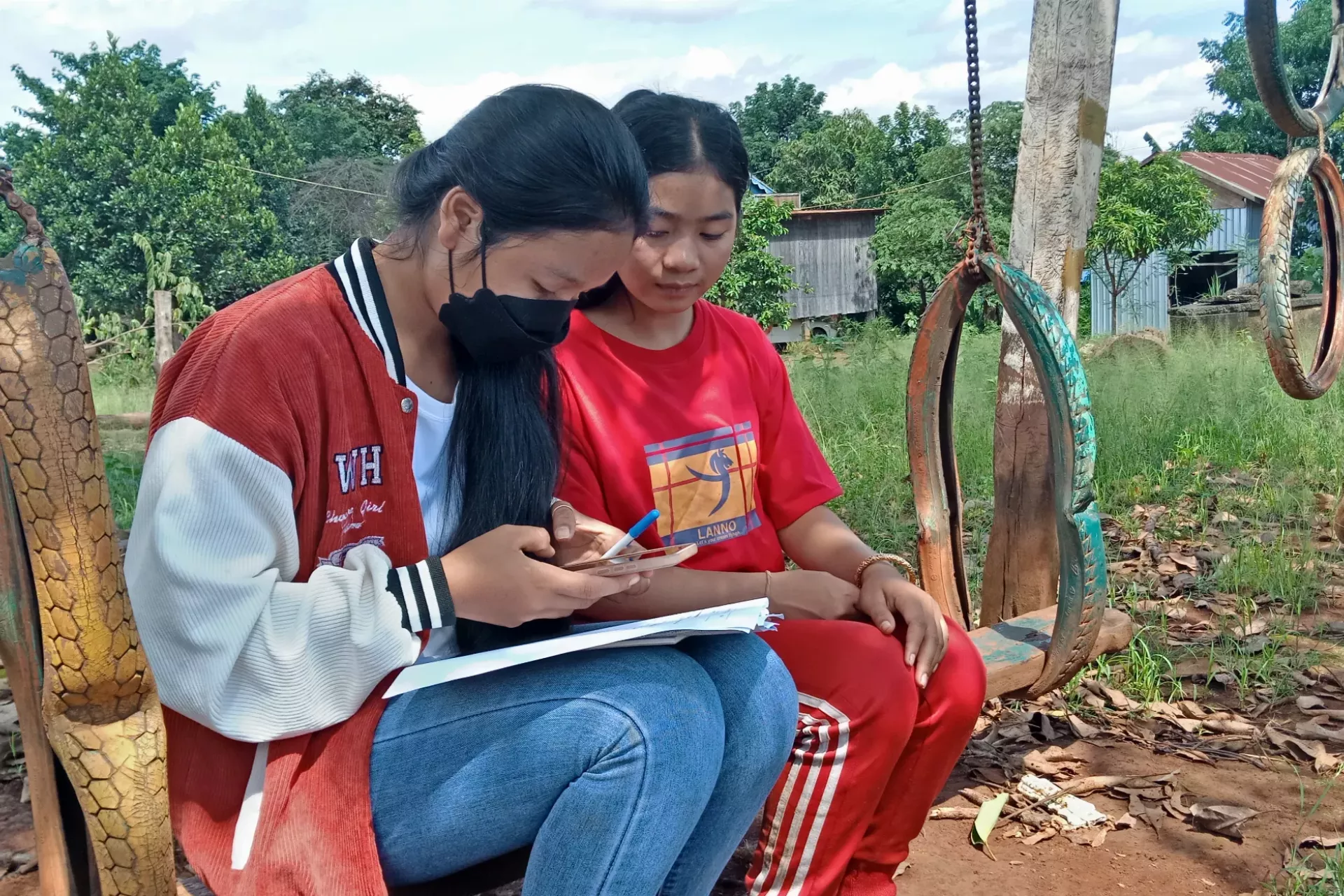
Ratanakiri — In the far northeastern corner of Cambodia, Ratanakiri stretches along dusty red roads that seem to go on forever. Its rugged landscape, with dense forests covering hills and mountains, encircles villages so remote that reaching essential services like health centres, schools, can take hours. In these isolated communities, many girls face pressure to marry young. According to the 2022 Cambodia Demographic and Health Survey (CDHS), 17.92 per cent of Cambodian women aged 20 to 24 were married before 18. In Ratanakiri, the rate exceeds 30 per cent, driven by poverty, ingrained social norms, and limited educational opportunities.
Within Ratanakiri’s indigenous communities, these social norms are deeply rooted. Girls are often married off before they have the chance to envision a different future. The distance from schools and lack of opportunities hold many back from forging their own paths. But change is stirring. In these remote villages, young girls are stepping up, determined to take control of their futures and break free from these expectations.
Leading this movement are teenagers like Nangra, Nak, and Sreyda—young girls who are redefining what it means to be a child in their communities.
This shift in mindset is monumental. In villages like Kok Poy, challenging long-held beliefs is no easy task. Yet, these young girls are doing just that—sparking conversations on Facebook to inspire other girls and youth to become child rights advocates. Their mission extends beyond stopping violence; they are also addressing a critical issue: child marriage.
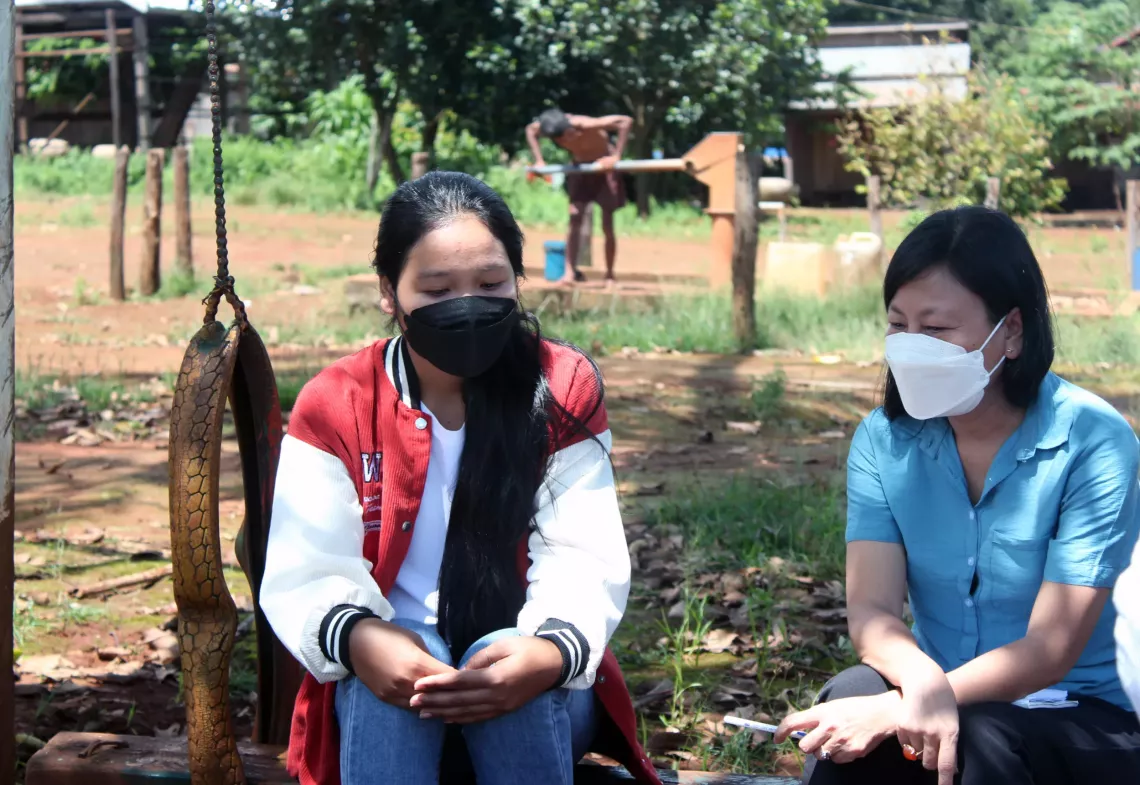
Supported by UNICEF Cambodia and in collaboration with the Ministry of Social Affairs, Veterans, and Youth Rehabilitation (MoSVY), the Cambodia PROTECT campaign aims to prevent violence, including child marriage, while fostering stronger communities through education and protection programmes. NGOs like Child Rights Coalition Cambodia (CRC-Cambodia) and the Adolescent and Youth Reference Group (AYRG) have partnered to support these efforts, focusing on educating communities about the risks of early marriage and the importance of child rights.
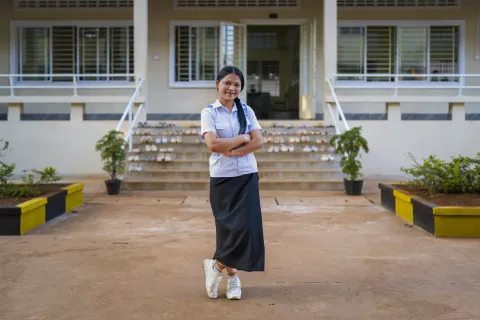
Just a few kilometres away, in another indigenous village, 16-year-old Sreyda is facing a similar battle. As a top student at her lower secondary school, she dreams of becoming a teacher. But in her Kreung ethnic community, girls are often pressured to marry as early as 14.
Sreyda is pushing back against these traditional expectations. At 15, her mother and aunt urged her to leave school and marry her cousin. But she refused. Inspired by an online video where a friend spoke out against domestic violence, she persuaded her mother that staying in school was a better option than marrying young.
“At first, my mother didn’t understand,” Sreyda recalls. “She thought getting married young was just part of life. But after we talked, and with support from local authorities and awareness programmes organised by AYRG, she changed her mind.”
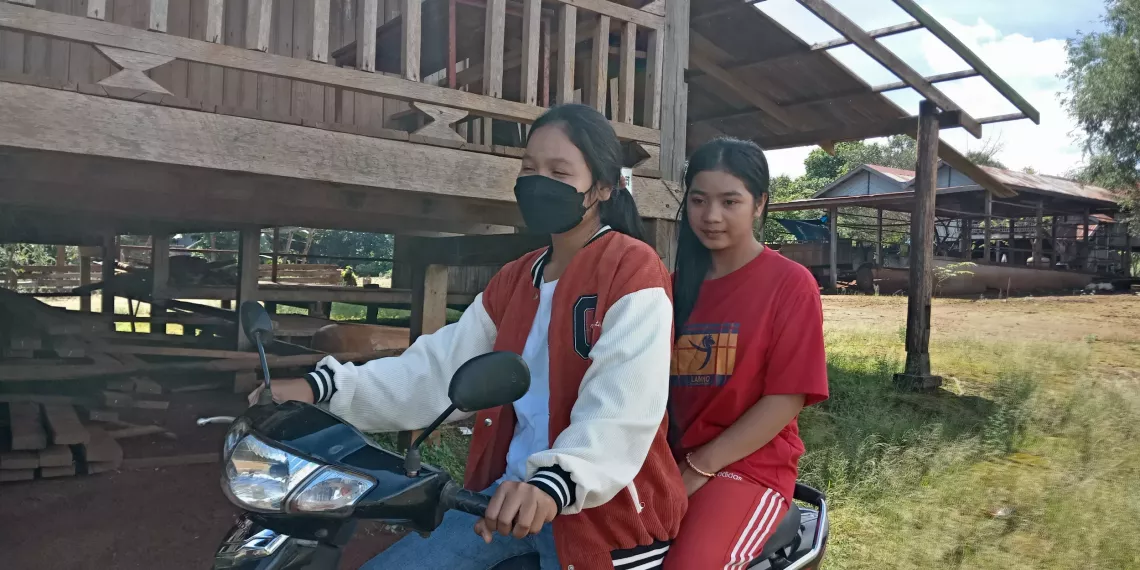
Sreyda’s decision to resist early marriage has made her a role model for her peers. Like Nangra and Nak, she champions education and child rights in her community. “I want to help other indigenous girls, especially those being pressured into marriage,” she says. Her story echoes the determination of youth leaders across Ratanakiri who are working to change their communities from within.
These young advocates are fiercely determined to break the cycle of child marriage in Ratanakiri.
“I want a future where girls have the chance to follow their dreams,” says Sreyda.
Their message is clear: every girl deserves the opportunity to build a future free from violence and early marriage, where education and self-determination take centre stage.