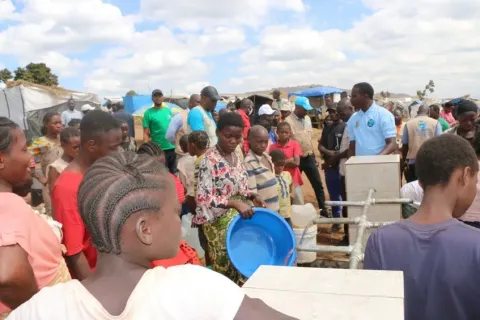
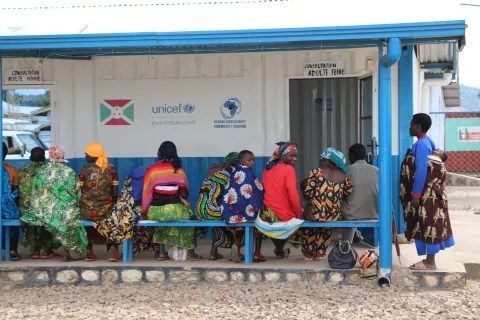
Workshop for partners in the fight against HIV and Mpox in Burundi
UNICEF supported 24 stakeholders engaged in the Mpox response and the fight against HIV, sexually transmitted infections, and viral hepatitis to discuss the integration of Risk Communication and Community Engagement interventions.

- English
- Français
Mpox represents a growing public health challenge, particularly for vulnerable populations. The situation report of December 9, 2024, notes that the cumulative number of confirmed Mpox cases stands at 2,572, with 51.9% male and 48.1% female. At the start of the epidemic, children under 15 were the most affected. By December 2024, however, the epidemiological trend had reversed: individuals aged 20 to 30 are now the most affected (30.2%), compared to 21% among children under 5 and 15.3% among those aged 31 to 40. A growing number of sexually transmitted cases are being recorded in healthcare facilities, leading to increased stigmatization of patients and recovered individuals.
Against this backdrop, a workshop was held from December 10 to 11, 2024, to bring together partners engaged in the fight against HIV and Mpox in Burundi. The aim was to improve the coordination of Risk Communication and Community Engagement (RCCE) activities, building on the decades-long experience of the National Program for the Fight against HIV/AIDS, Sexually Transmitted Infections (STIs), and Viral Hepatitis (VH).
Organized in collaboration with the Centre des Opérations de Réponses aux Urgences Sanitaires (COUSP), which leads the Mpox response in Burundi, the workshop gathered 24 participants from government structures, civil society organizations, associations of people living with HIV, and members of the RCCE sub-committee of the national Mpox incident management system.
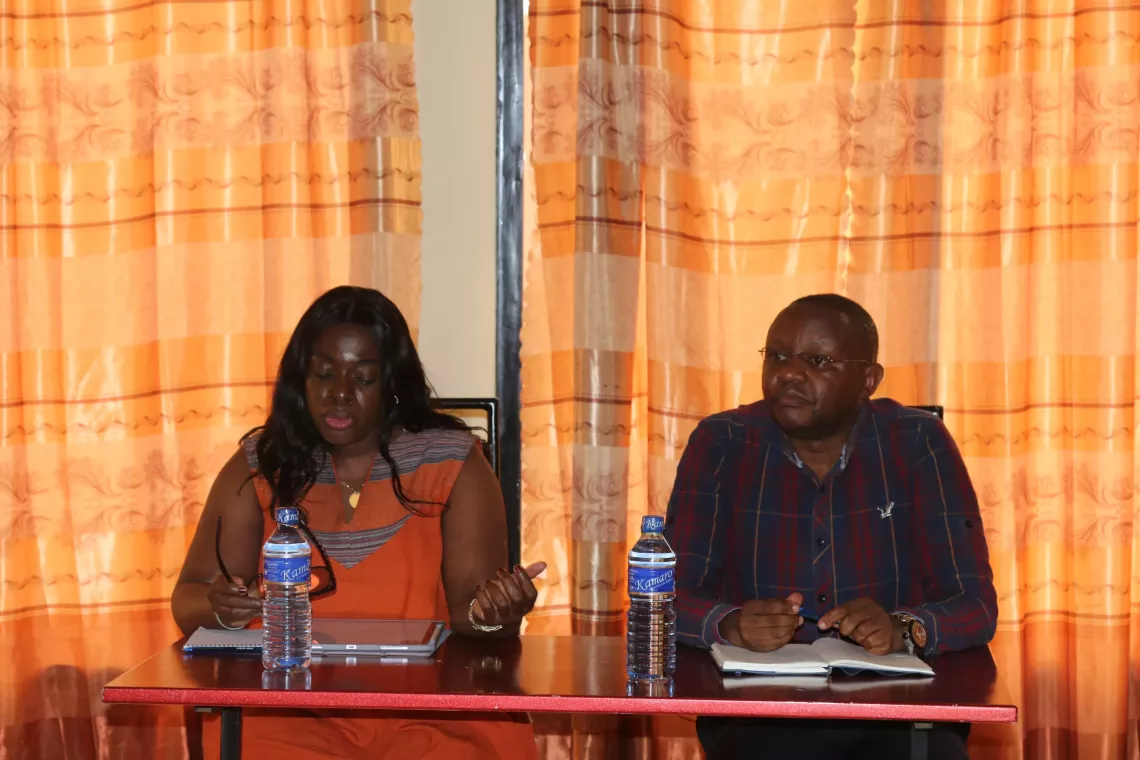
Stakeholders engaged in HIV/AIDS, STI, and VH prevention, as well as those responding to Mpox, discussed the integration of interventions. Through group work, they collectively identified urgent RCCE activities to be implemented, aiming to prevent the sexual transmission of Mpox and find solutions to manage and reduce cases of stigmatization.
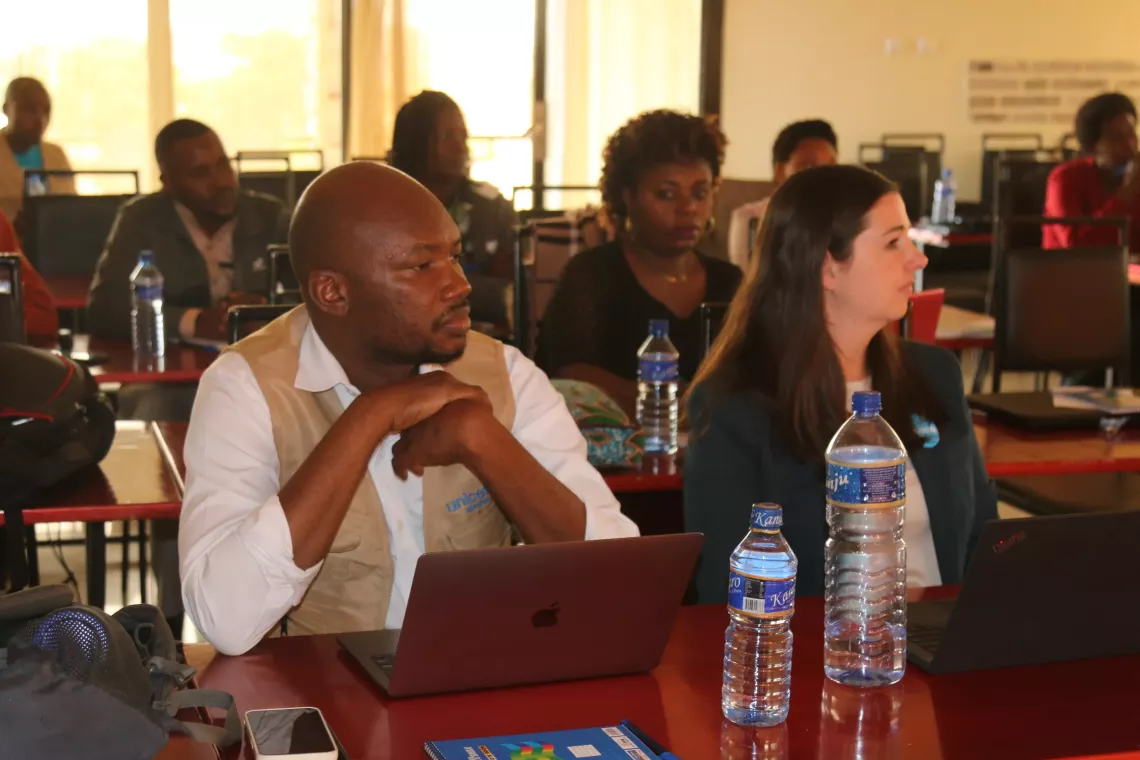
Among the key recommendations, participants emphasized the need to provide peer educators, mother tutors, and leaders of Community Support Groups (CSGs) involved in the fight against sexually transmitted infections with tools and resources to address Mpox, ensuring community progress monitoring and facilitating the work of community health workers. It was also recommended to organize community awareness sessions on Mpox through meetings, home visits, focus groups, peer mobilization, and interventions via networks of organizations working in the field of HIV/AIDS. Additionally, there is an urgent need to train community workers and leaders on Mpox, particularly on risk behaviors and prevention measures.
This initiative, implemented by the PNLS/IST/VH in collaboration with COUSP and supported by UNICEF, helped develop a shared understanding, strengthen synergies, and enhance the integration of interventions in the fight against Mpox. At the end of the workshop, held in Gitega, the country's political capital, stakeholders committed to actively contributing to the Mpox epidemic response in Burundi.