Busuma, a symbol of a humanitarian emergency where children pay the heaviest price.
A UNICEF team has been deployed to Busuma to conduct a rapid multisectoral needs assessment in response to a humanitarian crisis of alarming proportions.
- English
- Français
On the heights of Busuma, a mist envelops the landscape and slowly creeps between the hills, casting the area into a mysterious silence when seen from a distance. The cold air bites the skin, turning every breath into a visible cloud. It is in this peculiar atmosphere that, on the morning of 30 December, the UNICEF team arrived at the refugee site.
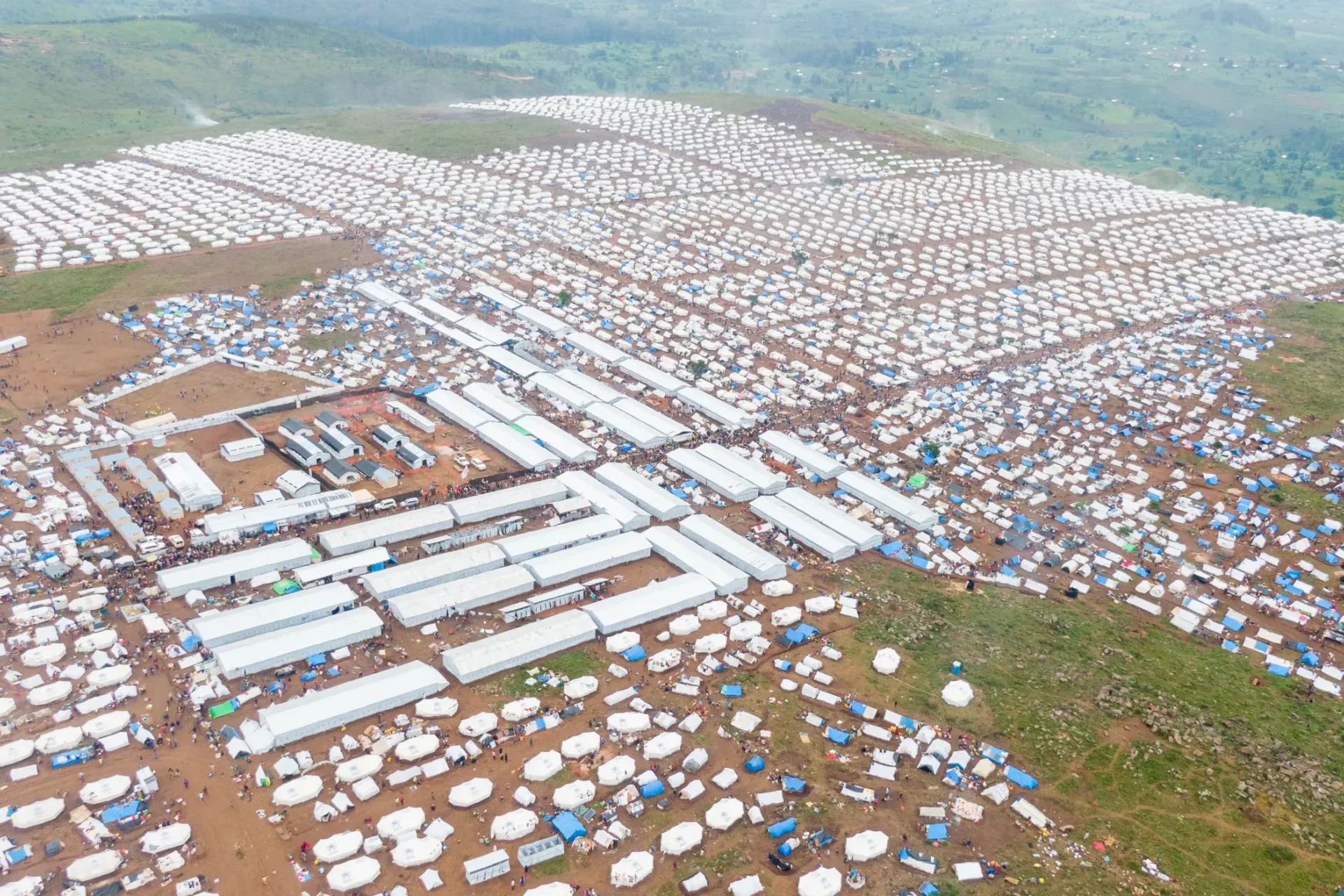
The Busuma site, located in the Kayongozi area of Ruyigi commune, Buhumuza province, in eastern Burundi, is currently receiving a large influx of Congolese refugees from several transit centres near the Burundi–DR Congo border.
Today, around 70,000 people are already seeking refuge there. In the coming weeks, this figure could reach nearly 100,000 with the expected arrival of refugees from Rumonge and other transit sites.
Spanning more than 120 hectares, families live in extreme precariousness. More than half of the population is made up of children, exposed daily to cold, hunger, disease, cholera, and serious protection risks.
In Busuma, the emergency is not abstract; it is seen on people’s faces, in their gestures of survival, and in their silences.
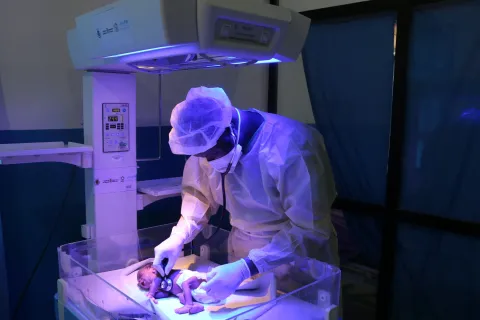
The findings are particularly worrying for nutrition in a context of critical food insecurity. Nearly 455 children under the age of five have already been identified as suffering from malnutrition, including 174 with severe acute malnutrition and 281 with moderate acute malnutrition. Fourteen deaths have been recorded, mainly linked to complications such as anaemia and malaria.
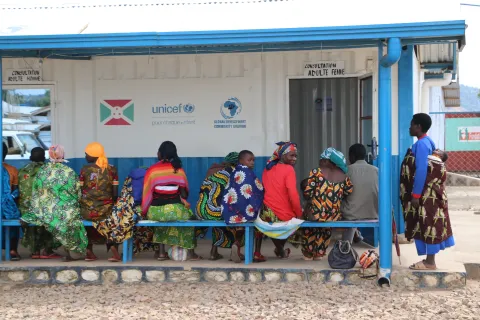
In terms of health, the situation remains extremely worrying. At the time of the visit, there were 23 active cases of cholera, more than 110 people were already receiving treatment, and two deaths linked to the disease had been reported. Existing health facilities are overwhelmed, and the lack of staff, medical equipment, and appropriate infrastructure makes it crucial to deploy mobile clinics and strengthen the health response rapidly. Figures indicate that there are between 1,500 and 2,000 consultations per day, with an average of 200 to 230 consultations per staff member. Children account for 55% of these consultations.
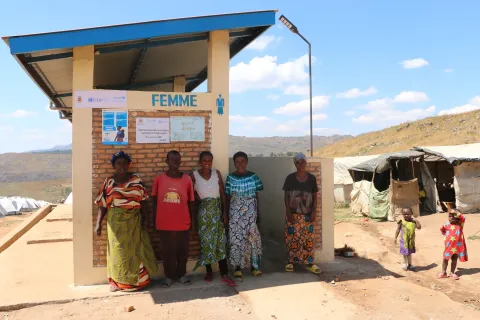
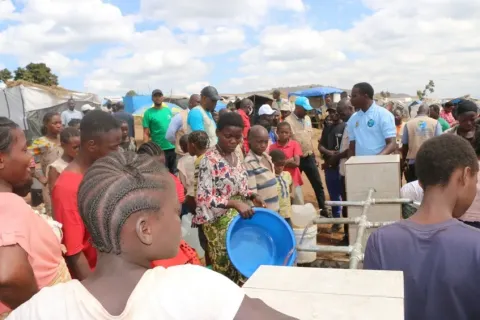
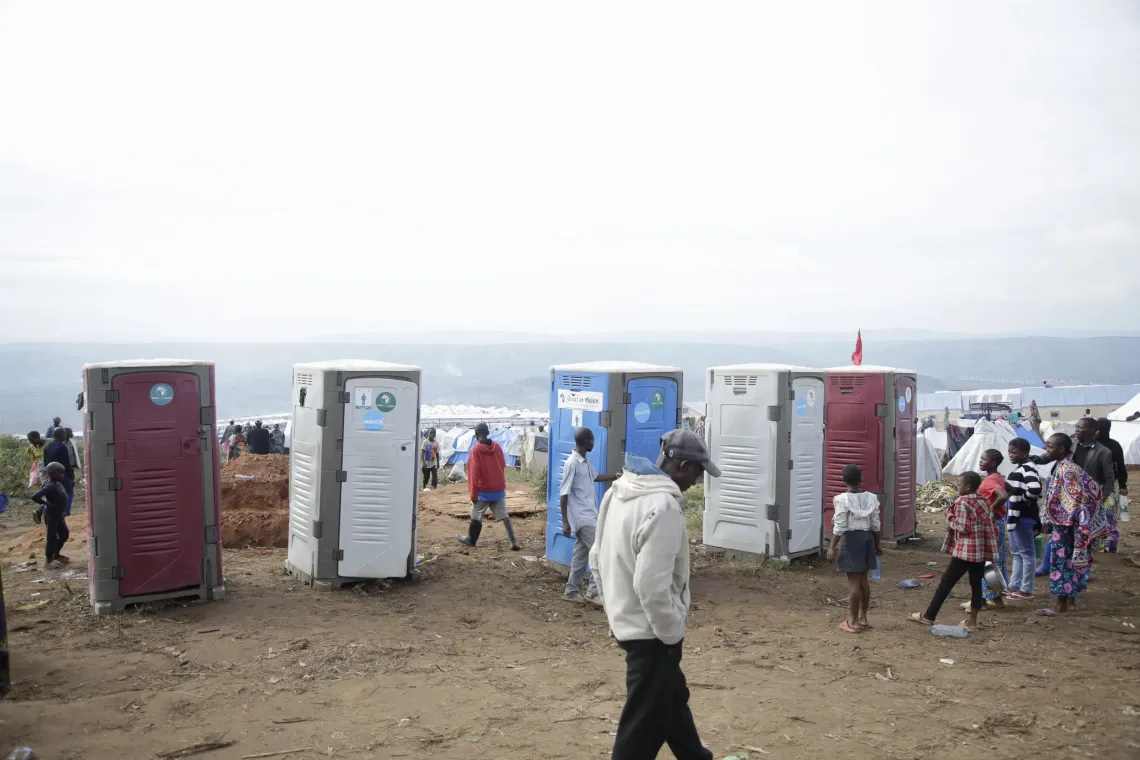
Access to water, hygiene, and sanitation remains dramatically insufficient, despite ongoing efforts. With less than two litres of water available per person per day, access to water is minimal, and combined with the insufficient number of latrines and the persistence of open defecation, the risk of epidemics continues to increase.
The crisis in Busuma affects children first and foremost. More than 150 unaccompanied children have already been identified, exposed to high risks of violence, exploitation, abuse, neglect, and disappearance. There are currently no on-site learning facilities, while surrounding schools are already operating at full capacity.
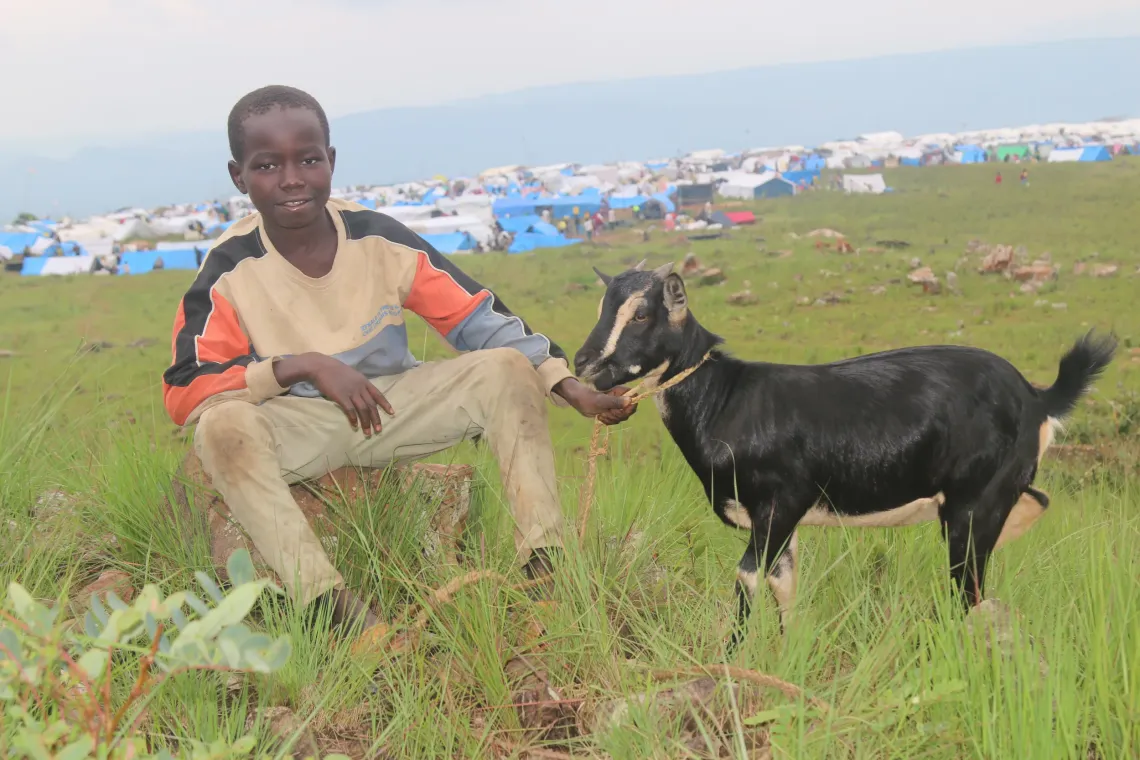
Mwangaza Amissi, 11, from Rubarika, was met while grazing his grandmother’s goat. When asked why he was not attending the UNICEF-run child-friendly space, he replied with disarming seriousness: “I help my grandmother with her food, fetching water and other things she needs, because otherwise she would die, as she doesn’t have the strength to do it herself.” In Busuma, childhood is often replaced by responsibilities too heavy for young shoulders to bear.
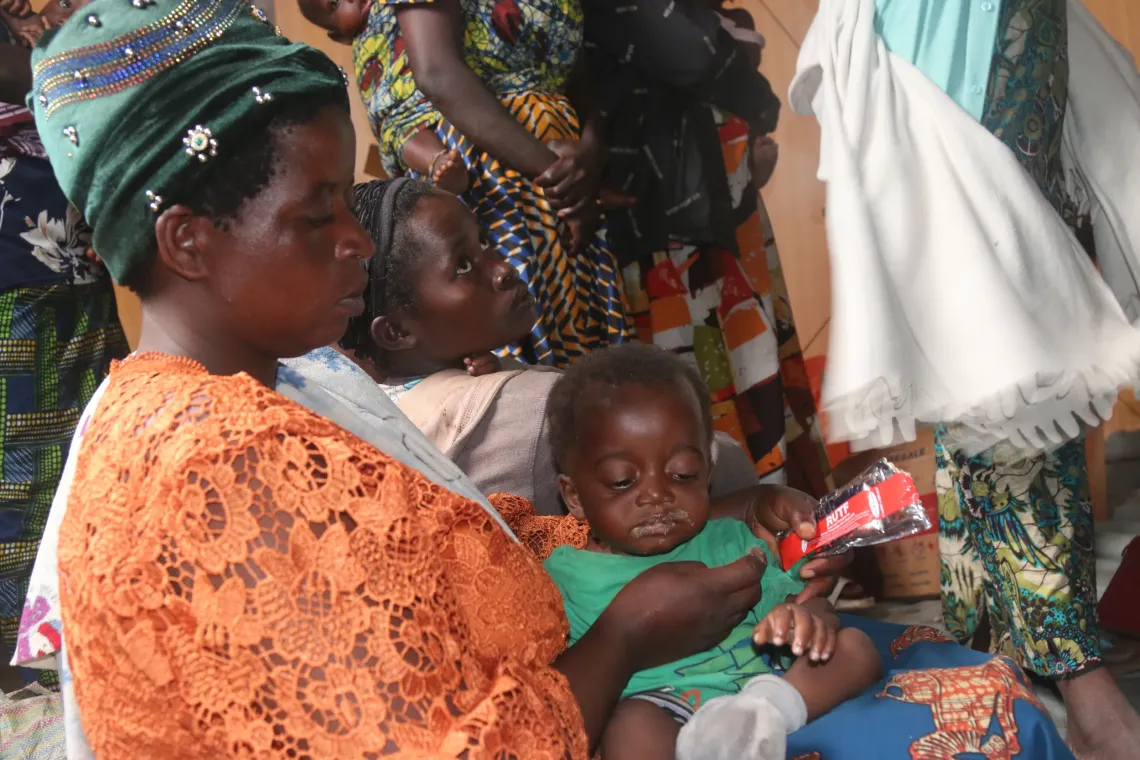
Nguza Zuena, a mother of eight from Ruberizi in eastern DRC, brought her youngest child, 10-month-old Christian Twasima, to the malnutrition treatment centre set up in the heart of the site. Diagnosed with severe acute malnutrition, he is receiving nutritional care for the first time, based on Plumpy’Nut provided by UNICEF.
She confides, her voice tinged with worry: “We don’t have any tents or blankets yet; we fled without bringing anything. Apart from malnutrition, the children will suffer from other illnesses related to the cold and poor hygiene.”
Faced with this situation, UNICEF, in support of the authorities and partners, has undertaken several actions. These include responding to cholera through the supply of essential inputs; improving access to drinking water and sanitation through the installation of bladders; treating severe acute malnutrition; conducting vaccination campaigns; establishing temporary child-friendly spaces welcoming more than 1,000 children per day; installing mobile toilets; carrying out risk communication activities; and conducting joint assessments across all key sectors. UNICEF also plans to set up mobile clinics and drill wells as soon as possible.
However, the gap between needs and available resources remains huge. The challenges are particularly critical in terms of access to safe drinking water, therapeutic nutrition, qualified personnel, sustainable infrastructure, hygiene kits, child protection mechanisms, and funding.
The situation in Busuma calls for coordinated, complementary, and scaled-up mobilisation. With each passing day, risks increase, and families already affected by displacement and loss become even more vulnerable. Waiting is not an option. Acting now is a collective responsibility to preserve the lives, dignity, and future of thousands of uprooted children and families.